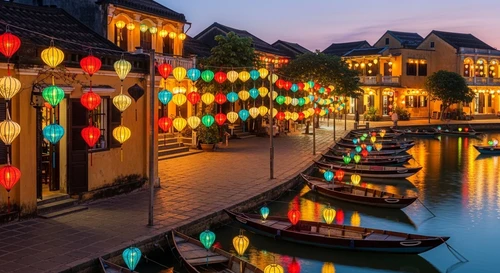
Beyond the Lanterns: A Glimpse into Vietnam's Living Gardens
Hoi An. The name conjures images of silk lanterns casting a warm glow on ancient streets, the gentle flow of the Hoai River, and the scent of spices wafting from bustling markets. But venture just a few kilometers beyond the charming chaos of the Old Town, and you’ll discover a different kind of magic – one rooted in the soil, nurtured by generations of farmers. Tra Que Vegetable Village is not just a place; it's a living testament to the enduring relationship between Vietnamese people and the land.
Here, life moves to the rhythm of the sun and the seasons. The air is thick with the fragrant perfume of a thousand different herbs, each meticulously cultivated for its culinary prowess or medicinal properties. This isn't a manicured tourist attraction; it's a working village, where families have been tending these fertile grounds for centuries, their traditions passed down like precious heirlooms.
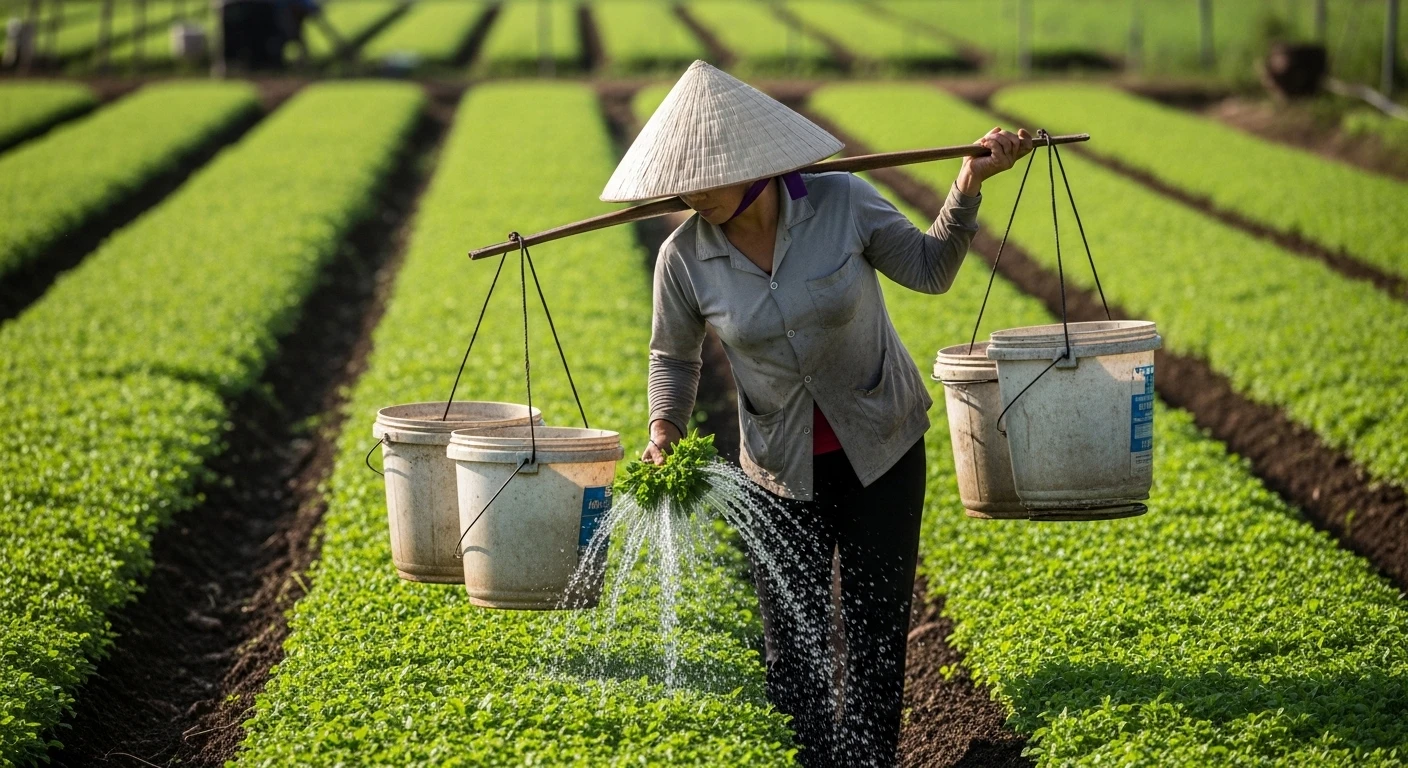
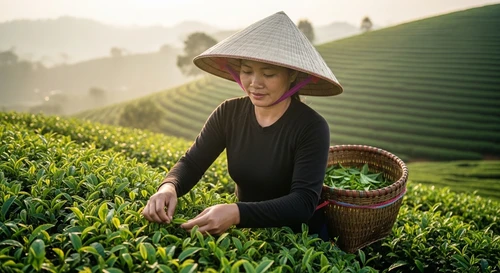
The ubiquitous conical hat, a symbol of Vietnamese rural life, shielding a farmer from the sun as they tend to their verdant crops.
The Calloused Hand, The Fertile Earth
Forget sterile agricultural displays. At Tra Que, you become part of the cycle. The moment you step onto the rich, dark soil, you're invited to participate. Don a traditional conical hat – the nón lá – and feel the weight of centuries of agricultural wisdom settle upon your shoulders. The most iconic farming tool here, besides the hoe, is the shoulder pole (đòn gánh), used to carry water from the irrigation channels to the thirsty plants.
The experience of balancing the pole, its twin buckets sloshing with water, is a humbling introduction to the physical demands of farming. You'll learn to identify and harvest specific herbs – fragrant mint, peppery basil, zesty lemongrass, pungent coriander – each with its own distinct aroma and texture. The local farmers, with their deep knowledge and gentle guidance, make even the most novice of hands feel capable. It’s a connection to food that is profound, a visceral understanding of where your ingredients truly come from.
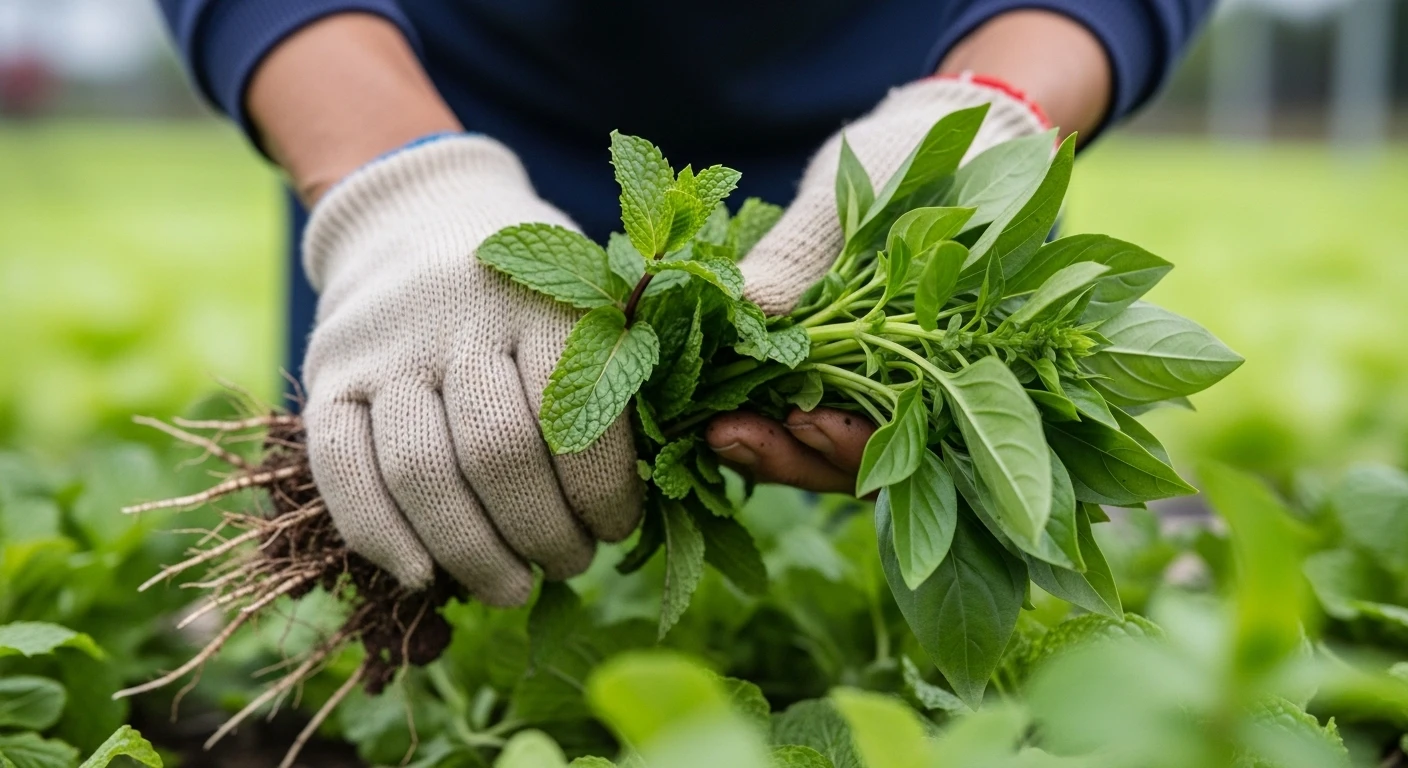
The simple act of harvesting fresh herbs, connecting directly with the source of the meal.
A Symphony of Green and Aroma
Tra Que is renowned for its diverse array of organic vegetables and herbs, cultivated using traditional methods without chemical pesticides or fertilizers. The village's irrigation system draws water from a local river, contributing to the unique terroir that gives these greens such exceptional flavor.
You'll find rows upon rows of vibrant produce: crisp lettuce, peppery radish, fragrant dill, bold mint, and a whole spectrum of basil varieties. Each herb is a crucial component in Vietnamese cuisine, adding layers of freshness, spice, and aroma to dishes that are often deceptively simple yet incredibly complex in flavor. Understanding the role of each herb, its taste profile, and its traditional uses is a culinary education in itself.
From Garden to Plate: The Art of Vietnamese Cooking
The farming experience culminates in the most anticipated part: the cooking class. Here, the herbs you’ve just harvested are transformed into mouthwatering Vietnamese specialties. These classes are typically hands-on, guided by local chefs who share not just recipes, but the stories and philosophy behind each dish.
The focus is often on fresh, light, and healthy preparations. You'll learn the secrets to making the perfect Banh Xeo (crispy Vietnamese savory crepes), delicate Nem Nuong (grilled pork sausages), and, of course, the quintessential Goi Cuon (fresh spring rolls). The latter is the perfect canvas for the herbs you've collected – mint, basil, cilantro, and lettuce become vibrant, crisp wrappers for succulent fillings.
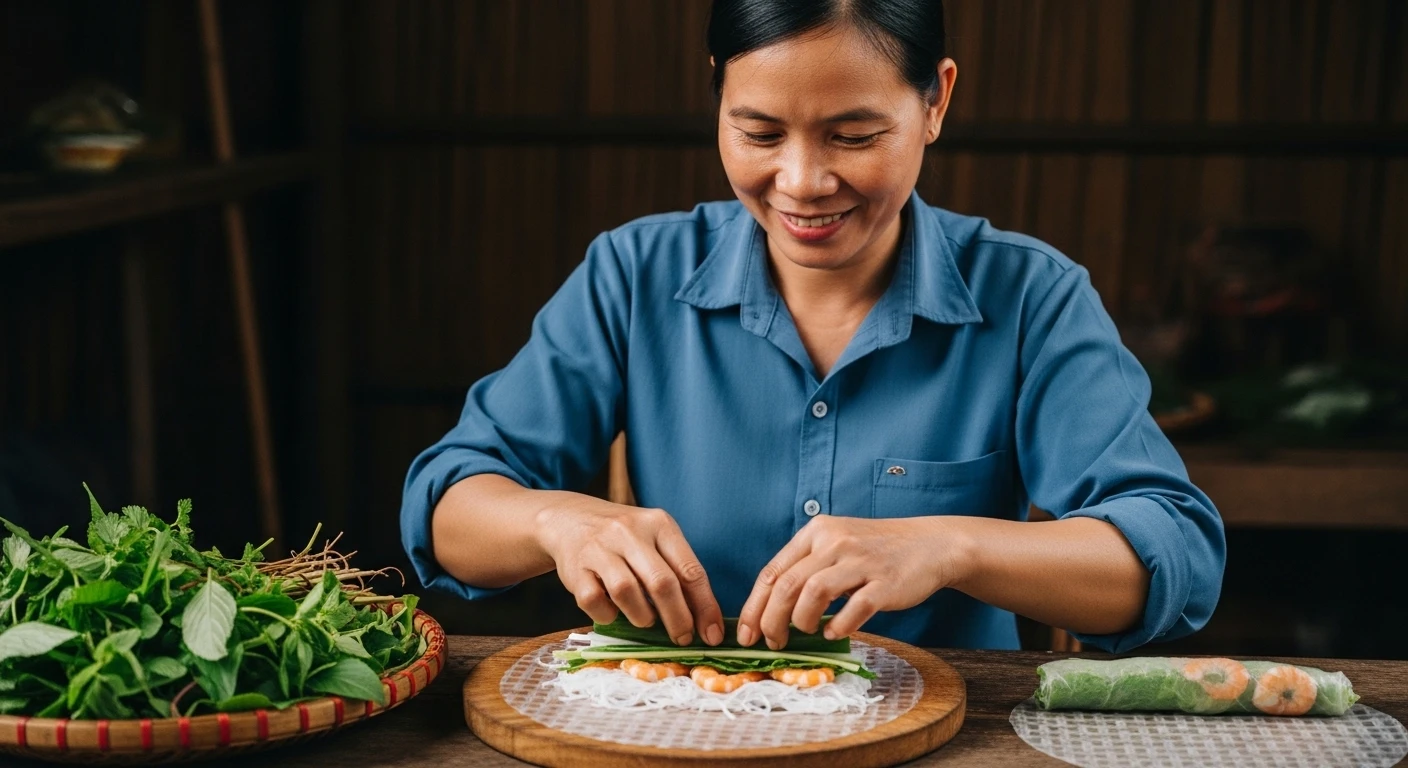
The delicate art of wrapping fresh spring rolls, showcasing the vibrant herbs harvested from the village.
Goi Cuon: A Taste of Tra Que's Freshest
The star of many Tra Que cooking classes is undoubtedly the fresh spring roll, Goi Cuon. This iconic dish embodies the essence of Vietnamese cuisine: fresh, healthy, and bursting with flavor. The process itself is an art form.
You'll learn to properly soften the rice paper wrappers (bánh tráng), layer them with vermicelli noodles, thinly sliced cooked pork and shrimp, and then judiciously place the fresh herbs you harvested earlier – fragrant mint, peppery basil, perhaps some perilla leaf for an extra kick. The crisp lettuce provides a refreshing crunch, while the herbs add a complex aromatic layer that is utterly unique to Vietnamese cooking. Dipping these rolls into a rich peanut sauce or a zesty nuoc cham (fish sauce-based dip) is a reward that tastes all the sweeter for your own effort.
More Than Just a Meal: A Cultural Connection
Tra Que Vegetable Village offers more than just a culinary lesson; it's an immersion into the heart of Vietnamese rural culture. It's a chance to understand the deep respect for nature, the importance of community, and the intricate connection between food and daily life. The farming practices here are not just about producing vegetables; they are about sustainability, preserving heritage, and maintaining a way of life that has sustained communities for generations.
Interacting with the local farmers, hearing their stories, and participating in their daily routines provides a perspective that no guidebook can fully replicate. It’s a reminder that in a world increasingly dominated by industrial agriculture, these small, traditional villages remain vital custodians of age-old wisdom.
Planning Your Tra Que Experience
Visiting Tra Que is remarkably straightforward, especially when staying in Hoi An. The village is located just about 3 kilometers northeast of Hoi An Ancient Town.
Getting There: The most popular and enjoyable way to reach Tra Que is by bicycle. It's a pleasant, flat ride through the countryside, allowing you to soak in the atmosphere. Many hotels and guesthouses in Hoi An offer bicycle rentals. Alternatively, you can hire a cyclo or take a short taxi or Grab ride.
Booking a Tour: Most Tra Que experiences, including the farming and cooking class, are best booked through your accommodation or a reputable local tour operator in Hoi An. This ensures a well-organized itinerary, including transportation, farming activities, and the cooking demonstration with a local family or chef. Many tours also include a visit to the local market beforehand to select ingredients.
Best Time to Visit: Tra Que is a year-round destination, though the weather is hottest from May to August. The shoulder seasons (February to April and September to November) offer pleasant temperatures and less rain, making them ideal for outdoor activities. Even during the rainy season, the village has a unique charm, and cooking classes offer a welcome indoor respite.
Guardians of Tradition, Seeds of Sustainability
In an era where food provenance and sustainability are increasingly important, Tra Que Vegetable Village stands out. It’s a model of organic farming that has been practiced for centuries, long before "organic" became a buzzword. The village's commitment to avoiding chemical fertilizers and pesticides not only ensures healthier produce but also protects the local ecosystem and the health of the farmers.
For travelers, a visit to Tra Que is an opportunity to support these traditional practices and contribute to the economic well-being of the local community. It's a way to engage with Vietnam on a deeper level, moving beyond the surface attractions to connect with the country's soul. The knowledge gained here – about food, farming, and the simple beauty of a life lived in harmony with nature – is a souvenir that lasts far longer than any trinket.
Echoes of the Earth: Exploring Vietnam's Rural Heart
While Tra Que offers a unique window into Hoi An's agricultural heritage, Vietnam is a land rich with similar agritourism experiences that connect travelers with local life and traditional practices. These journeys offer a chance to witness firsthand the diverse ways Vietnamese people interact with their environment.
Thanh Toan Tile-Roofed Bridge & Vegetable Farming (Hue)
Just outside Hue, the historic Thanh Toan bridge offers a tranquil setting for exploring local farming. Visitors can don a conical hat and try their hand at traditional Vietnamese agriculture, experiencing a slower pace of life reminiscent of Tra Que. Discover Thanh Toan Farming
Thai Nguyen Tea Estates: Picking Leaves
In Vietnam's tea capital, Tan Cuong, immerse yourself in the world of green tea. You can spend a day picking tea leaves with local farmers, learning about the intricate roasting process, and savoring unique local dishes like rice cooked in bamboo tubes. Explore Thai Nguyen Tea
The Lasting Harvest
A visit to Tra Que Vegetable Village is more than just a tourist excursion; it's an invitation to slow down, connect with the earth, and savor the true essence of Vietnamese culture. From the satisfying heft of the shoulder pole in your hands to the vibrant flavors of the spring rolls you help create, every moment is a lesson in tradition, sustainability, and the profound beauty of simple living. It's a reminder that some of the most authentic and enriching experiences are found not in grand monuments, but in the fertile soil and the dedicated hands that cultivate it.
So, when you find yourself in the enchanting embrace of Hoi An, step off the beaten path and into the verdant heart of Tra Que. You’ll leave with more than just a recipe; you’ll carry the aroma of fresh herbs and the wisdom of the land with you, a harvest of memories that will nourish your soul long after you've departed.

Discover More Hoi An Crafts
Just a short bicycle ride from the ancient town, Thanh Ha Pottery Village offers a hands-on, deeply traditional artistic experience.
Explore Thanh Ha Pottery