Echoes in the Jungle: Unearthing My Son Sanctuary
There are places that whisper stories of forgotten empires, and then there are places that roar them. My Son Sanctuary, nestled deep within a lush valley in Vietnam's central highlands, is one of the latter. This is not just a collection of old stones; it's a testament to a civilization that once rivaled its more famous Southeast Asian contemporaries, a Hindu kingdom that flourished for centuries, leaving behind a breathtaking legacy of artistry and devotion.
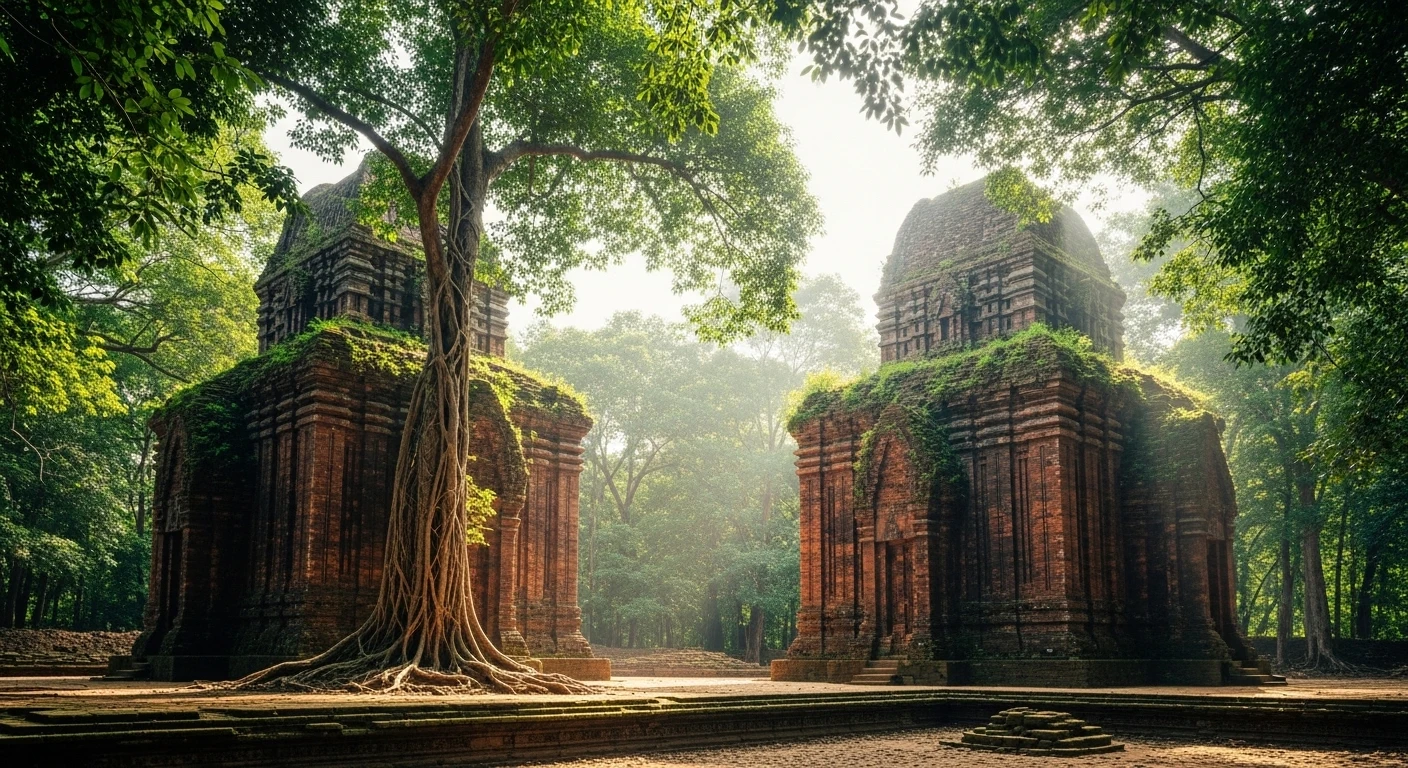
Forget the manicured lawns and hushed reverence of some archaeological sites. My Son is raw, wild, and incredibly evocative. Its red-brick towers, cloaked in emerald vines and kissed by tropical sunlight, feel like secrets held by the jungle itself. To stand here is to step back in time, to confront the ghosts of the Champa kingdom, a people whose influence once stretched across what is now central and southern Vietnam.
The Champa Kingdom: A Maritime Powerhouse
Before the Vietnamese influence expanded southward, central Vietnam was the heartland of the Champa Kingdom. Emerging around the 2nd century AD, the Cham people, influenced by Indian culture and Hinduism, built a formidable maritime empire that dominated trade routes along the South China Sea. Their civilization was characterized by a sophisticated understanding of art, architecture, and religious devotion, centered around the worship of Shiva.
My Son was not just a city; it was the religious and political capital of the kingdom for much of its existence, from the 4th to the 13th century. It served as a sacred burial ground for Cham royalty and national heroes, a place where they honored their gods and ancestors through elaborate temples and intricate carvings. The architectural style, though distinct, shares commonalities with other great Southeast Asian temple complexes like Angkor Wat in Cambodia and Borobudur in Indonesia, reflecting a shared cultural heritage.
Navigating the Sacred Valley: A Visitor's Guide
The site itself is a sprawling complex of around 70 temples and tombs, divided into several clusters. The most impressive and well-preserved are the main temple groups, dedicated to Shiva. As you wander through, you'll encounter towering sanctuaries, ceremonial platforms, and the ubiquitous Sanskrit inscriptions that hint at the site's profound history.
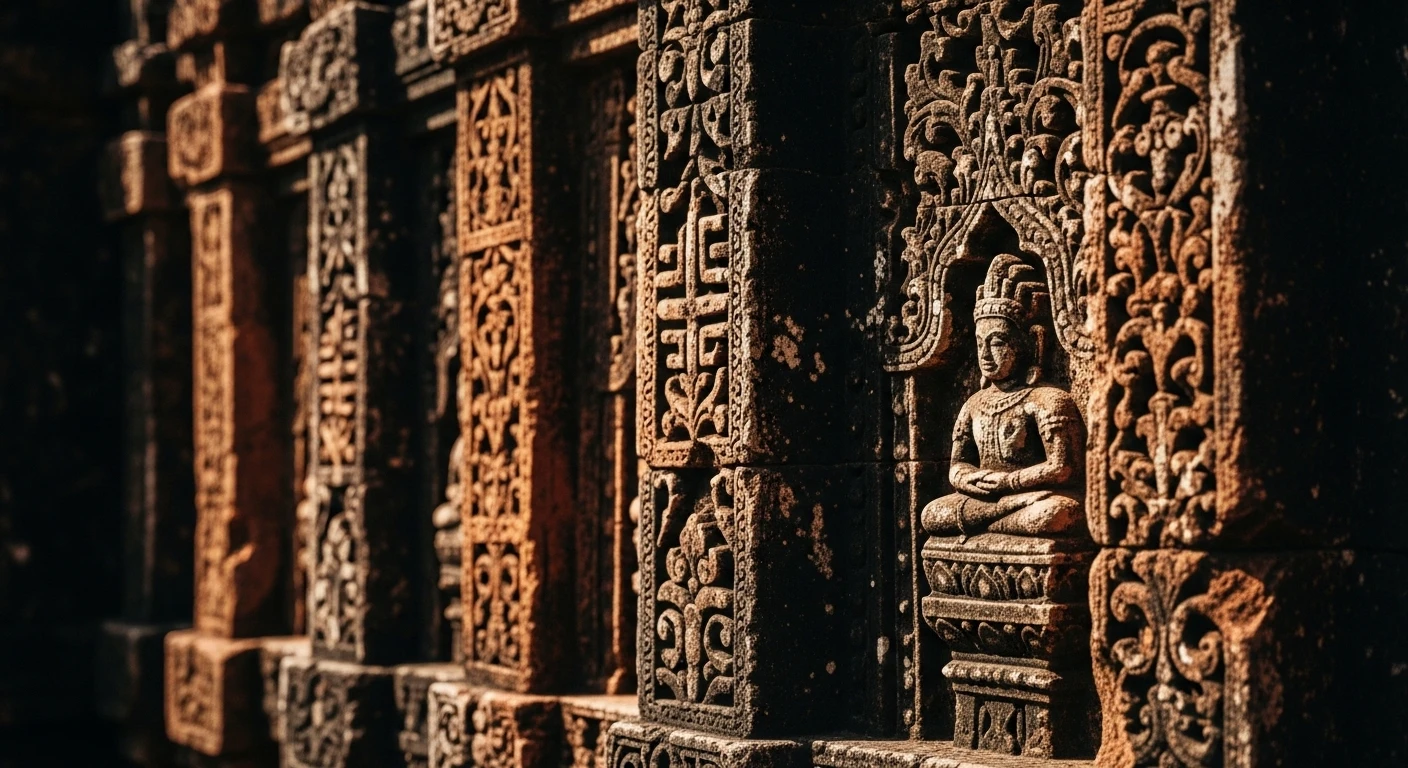
The core of the sanctuary, known as Group A, showcases the most elaborate structures. Look for the magnificent statues of deities, animals, and dancers carved into the brickwork. The sheer scale and artistry, especially considering the materials and the remote location, are astounding. Many of the original structures were built with fired brick, often adorned with sandstone sculptures.
While time and nature have taken their toll, the remaining structures offer a tantalizing glimpse into the grandeur of the Champa civilization. The tropical climate means lush vegetation is an integral part of the experience, with trees and roots weaving through the ancient masonry, creating a powerful, almost mystical atmosphere.
Bearing Witness: My Son's Bomb-Scarred Legacy
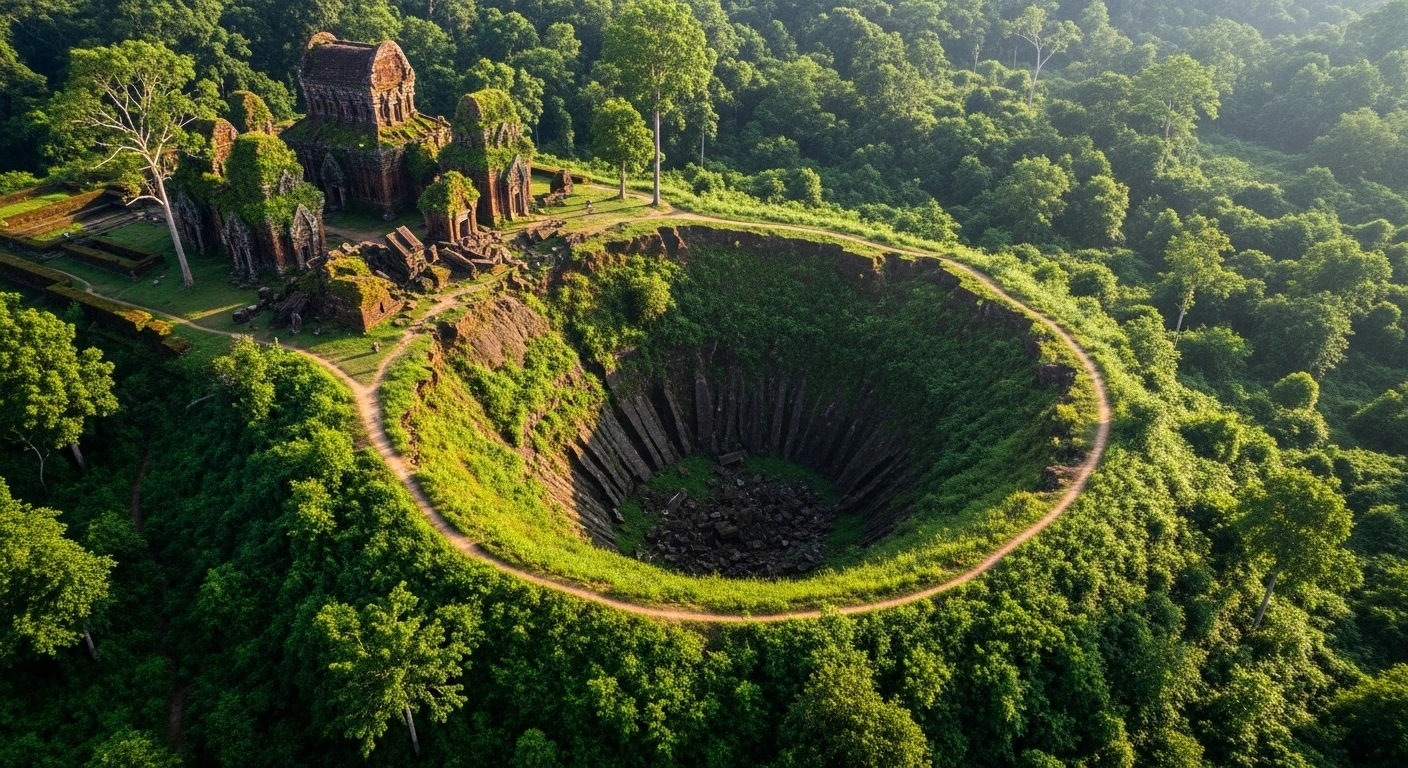
Sadly, My Son's story is not just one of ancient glory. During the Vietnam War, the sanctuary was heavily bombed by American forces who used the surrounding jungle as a Viet Cong base. The sheer number of unexploded ordnance (UXO) remnants and the visible damage to many of the structures serve as a stark reminder of this turbulent period. Walking through the site, you'll see craters and rubble, testament to the conflict that scarred this sacred land.
It's a sobering contrast to the ancient spirituality that permeates the air. This dual legacy of divine worship and human conflict makes My Son a deeply complex and poignant destination. Restoration efforts have been ongoing, particularly by Polish and Vietnamese archaeologists, but the scars of war are a visible part of its contemporary narrative.
Fading Dynasties: The Mystery of the Cham Decline
By the 15th century, the Champa Kingdom had begun to wane, gradually losing territory and influence to the expanding Vietnamese Dai Viet state. The reasons for their decline are complex, involving internal strife, the rise of neighboring powers, and perhaps environmental factors. The Champa people and their culture, however, did not disappear entirely. Their descendants today, primarily in Ninh Thuan and Binh Thuan provinces, continue to preserve many of their unique traditions and religious practices, though their kingdom's former glory is now largely etched in stone at sites like My Son.
Maximizing Your Visit: Practical Tips
My Son Sanctuary is located about 60 kilometers (37 miles) southwest of Hoi An. While it can be visited as a day trip from Hoi An or Da Nang, planning is key to making the most of it.
- Timing is Everything: The tropical heat can be intense, especially from May to August. Wake up early to beat the heat and the crowds. The site opens around 6 AM, and the soft morning light is also ideal for photography. A sunrise tour, if available and feasible, is highly recommended for a peaceful, atmospheric experience.
- Getting There: Most visitors opt for organized tours from Hoi An or Da Nang, which typically include transportation, a guide, and sometimes a boat trip back. Alternatively, you can hire a private car or motorbike. The drive takes about 1 to 1.5 hours.
- Guides: Hiring a local guide is invaluable. They can bring the ruins to life, explaining the intricate carvings, the history of the Champa people, and the significance of each temple complex.
- What to Bring: Comfortable walking shoes are essential. Light, breathable clothing, a hat, sunglasses, and plenty of water are crucial to combat the heat. Sunscreen is a must.
- Respect the Site: Remember that My Son is a UNESCO World Heritage site and a sacred place. Dress respectfully (cover shoulders and knees), avoid touching the delicate carvings, and refrain from climbing on structures.
- Beware of UXO: While marked safe paths are generally clear, be mindful of your surroundings. Follow your guide's instructions and stay on designated trails.
Where Nature Reclaims History
What truly sets My Son apart is its symbiotic relationship with nature. The jungle isn't just a backdrop; it's an active participant in the story. Giant banyan trees with their aerial roots snake their way through ancient bricks, and the calls of tropical birds echo through the stone corridors. This is not a sterile museum exhibit; it's a living, breathing testament to the enduring power of both human creation and natural reclamation. The vibrant green of the foliage against the weathered red brick creates a visual spectacle that is both beautiful and profoundly moving.
The sheer density of the surrounding jungle adds to the sense of discovery. It feels like you've stumbled upon a secret, a lost city truly embraced by the wild.
My Son vs. Angkor Wat: A Tale of Two Kingdoms
It's impossible to discuss My Son without mentioning its more famous cousin, Angkor Wat. Both are UNESCO World Heritage sites showcasing the architectural prowess of great Southeast Asian Hindu kingdoms. However, they offer distinctly different experiences.
Angkor Wat is vast, meticulously restored, and incredibly well-preserved, offering a grand, almost overwhelming spectacle of scale and grandeur. My Son, by contrast, is more intimate, more wild, and perhaps more poignant. Its beauty lies in its ruins, its jungle embrace, and the palpable sense of a civilization lost to time. While Angkor represents the zenith of Khmer architectural achievement, My Son offers a raw, atmospheric glimpse into the heart of the Champa realm. It is this sense of discovery, of unearthing a forgotten world, that makes My Son utterly unique.
Explore More of Vietnam's Heritage:
Discover other ancient wonders and cultural gems that paint a vivid picture of Vietnam's rich past.
Discover Banh It Cham TowersBeyond the Bricks: The Enduring Spirit
Visiting My Son is more than just a sightseeing trip; it's an immersion into a history that shaped Vietnam. It’s about understanding the layers of civilization that have coexisted and influenced each other. The Champa kingdom, though no longer sovereign, left an indelible mark on Vietnamese culture. The intricate artistry, the spiritual devotion, and the resilience of their legacy continue to fascinate and inspire.
The true magic of My Son lies in its ability to transport you. As you stand amidst the red-brick temples, with the jungle canopy overhead and the ghosts of kings and priests whispering on the breeze, you can almost feel the pulse of a civilization that once commanded reverence and awe. It's a place that stays with you, a reminder of the empires that rise and fall, and the enduring power of human creation against the relentless march of time.
A Perfect Pairing: My Son and Hoi An's Ancient Charm
My Son Sanctuary is most often visited in conjunction with Hoi An, the charming ancient town just an hour away. This pairing couldn't be more perfect. Hoi An, with its beautifully preserved merchant houses, lantern-lit streets, and vibrant culinary scene, offers a different but equally compelling window into Vietnam's past.
After a morning exploring the raw, untamed history of My Son, you can retreat to Hoi An for a relaxing afternoon, perhaps a cooking class, a stroll through the tailor shops, or a delicious bowl of Cao Lau. The contrast between the ancient, jungle-clad ruins and the charming, lively atmosphere of Hoi An provides a comprehensive and unforgettable experience of Vietnam's rich cultural tapestry.
Discover the Magic of Hoi An:
Plan your perfect stay in Vietnam's most beloved ancient town.
Experience Hoi An Silk VillageEchoes of the Past, Present Day
While the grand kingdom of Champa may be long gone, its spirit endures. The Cham people, descendants of this once-mighty empire, are still present in Vietnam, maintaining their unique language, customs, and religious practices. Visiting My Son is not just about seeing ruins; it's about connecting with a living heritage that continues to evolve. The preservation of this site is a crucial effort to safeguard the memory of a significant chapter in Vietnamese history, a chapter that speaks of cross-cultural exchange, maritime power, and profound spiritual devotion. It is a reminder that Vietnam's story is a mosaic, built from the contributions of many peoples.
Written by
Hoang Nguyen
Travel Correspondent & Photo Editor
Published
April 3, 2026
Updated
April 4, 2026
Reports from the road with a focus on landscapes, local life, and visual atmosphere.
Trending:
Discover More Vietnamese Heritage
View more Travel & Culture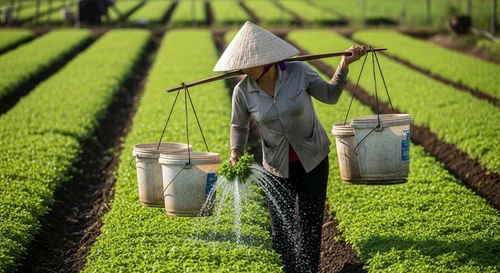
Tra Que Vegetable Village: Farming and Cooking Class in Hoi An
Put on a conical hat and learn to water organic herbs using traditional shoulder poles. Harvest your own greens to cook authentic Vietnamese fresh spring rolls.
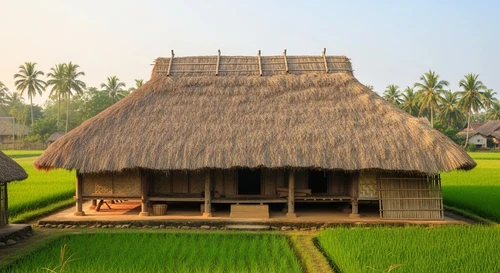
Nghe An Pilgrimage: Uncle Ho's Village and Spicy Eel Soup
Visit the humble thatched-roof home where Ho Chi Minh was born in Sen Village. Experience the intensely spicy, sweat-inducing eel soup that defines local resilience.
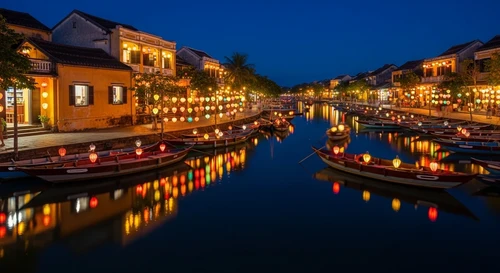
Hoi An Night Market & Floating Lanterns on the Hoai River
As dusk falls, the ancient town turns magical. Buy a paper lantern, make a wish, and set it afloat on a wooden sampan boat. Finish with a crispy 'Banh Xeo' pancake.

Bau Truc Pottery Village: The Ancient Cham Craft Without a Wheel
Visit one of Southeast Asia's oldest pottery villages in Ninh Thuan. Watch Cham women physically walk around the clay to shape intricate pots before baking them in open straw fires.
Bau Truc Pottery Village: The Ancient Cham Craft Without a Wheel
Visit one of Southeast Asia's oldest pottery villages in Ninh Thuan. Watch Cham women physically walk around the clay to shape intricate pots before baking them in open straw fires.
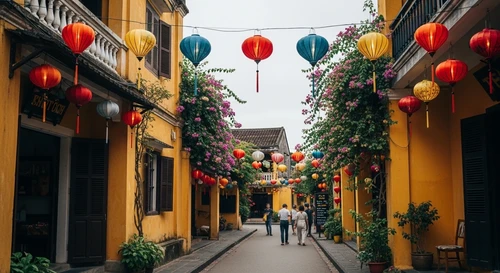
Hoi An Old Town: Tailor Shops, Yellow Walls, and Banh Mi Phuong
Get a custom suit made in 24 hours. Wander the lantern-lit yellow alleys, cross the Japanese Covered Bridge, and wait in line for the world-famous Banh Mi Phuong.
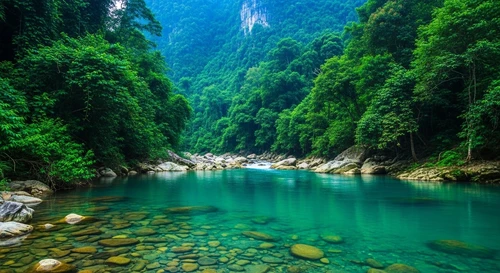
Pac Bo Cave: The Secret Jungle Base of Ho Chi Minh
Walk along the impossibly turquoise Lenin Stream to the hidden cave where Vietnam's independence was plotted. A serene, historical hike in the far north.
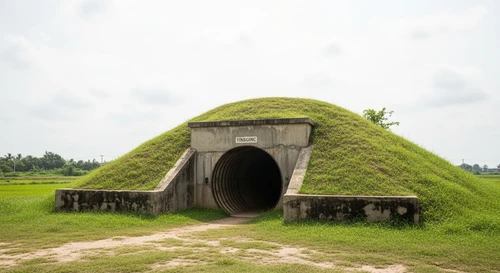
Vinh Moc Tunnels: The Subterranean Village of the DMZ
Walk through the multi-level tunnels where an entire village lived and gave birth to survive American bombings. A sobering, highly educational stop in Quang Tri.
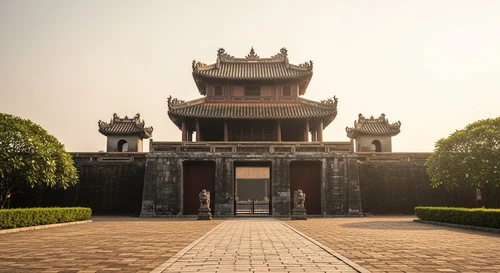
Hue Imperial Citadel: Exploring the Forbidden Purple City
Rent a bicycle to explore the massive walled palace of the Nguyen Dynasty. Marvel at the restored gates, lotus ponds, and the bullet-scarred walls of the Tet Offensive.
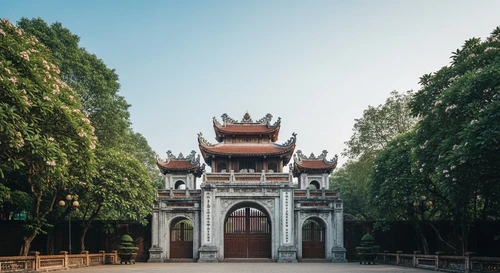
Temple of Literature: Exploring Vietnam's First National University
Stroll through centuries-old courtyards, touch the stone turtles for good luck, and discover the deep Confucian roots of Vietnamese education. Perfect for a quiet afternoon walk.
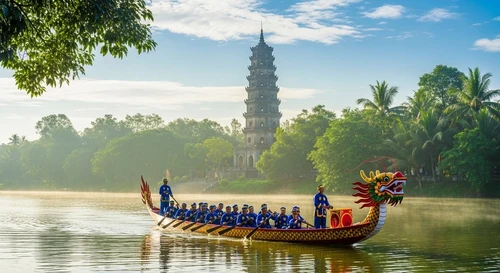
Thien Mu Pagoda & The Perfume River Dragon Boats
Take a colorful dragon boat from the city center to Hue's iconic 7-story pagoda. View the famous Austin car of the burning monk and eat Hue's spicy lemongrass skewers (Nem Lui).
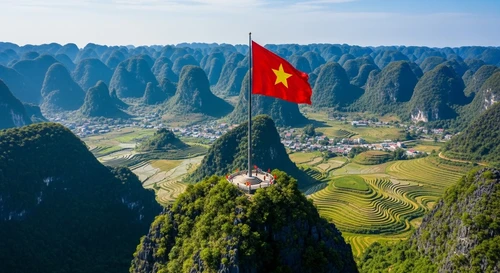
Lung Cu Flag Tower: Standing at Vietnam's Northernmost Point
Climb the steps to the massive flag overlooking the Chinese border. Explore the nearby Lo Lo Chai village to admire their mud-built houses and drink corn wine.