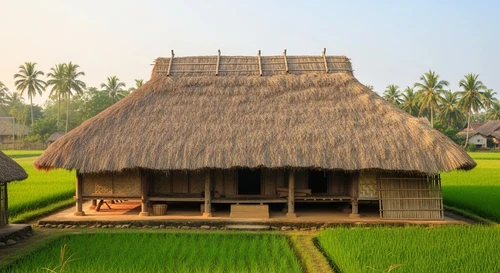
The Echoes of Empire: Hue's Forbidden Heart
Hue, the former imperial capital of Vietnam, is a city steeped in history. And at its very core lies a sprawling testament to the Nguyen Dynasty's power and ambition: the Imperial Citadel. More than just a collection of old buildings, this UNESCO World Heritage site is a portal into a vanished era of emperors, concubines, and elaborate court life. For centuries, this vast, walled complex was the nerve center of Vietnam, a microcosm of the empire itself.
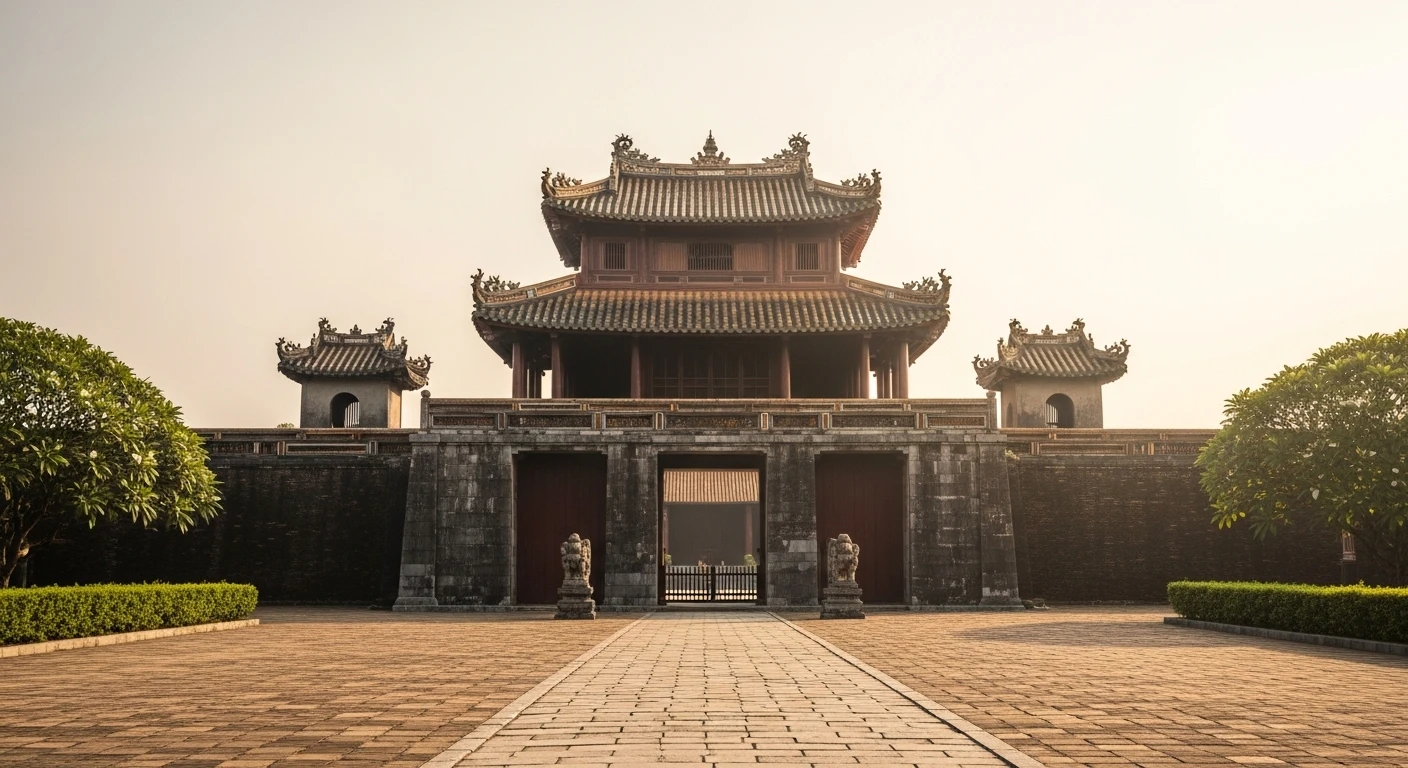
The very name "Forbidden Purple City" (Tử Cấm Thành) evokes an aura of mystery and exclusivity. This inner sanctum was once accessible only to the Emperor, his family, and a select few eunuchs and female attendants. Stepping through its gates today, one can still feel that sense of hushed reverence, a palpable connection to the dynasties that shaped Vietnam's destiny.
The Grand Design: A City Within a City
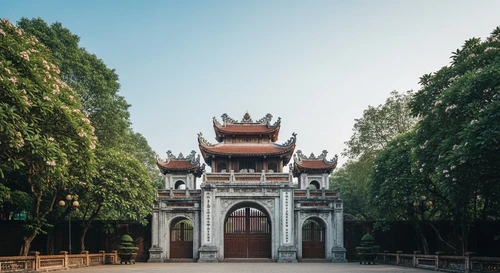
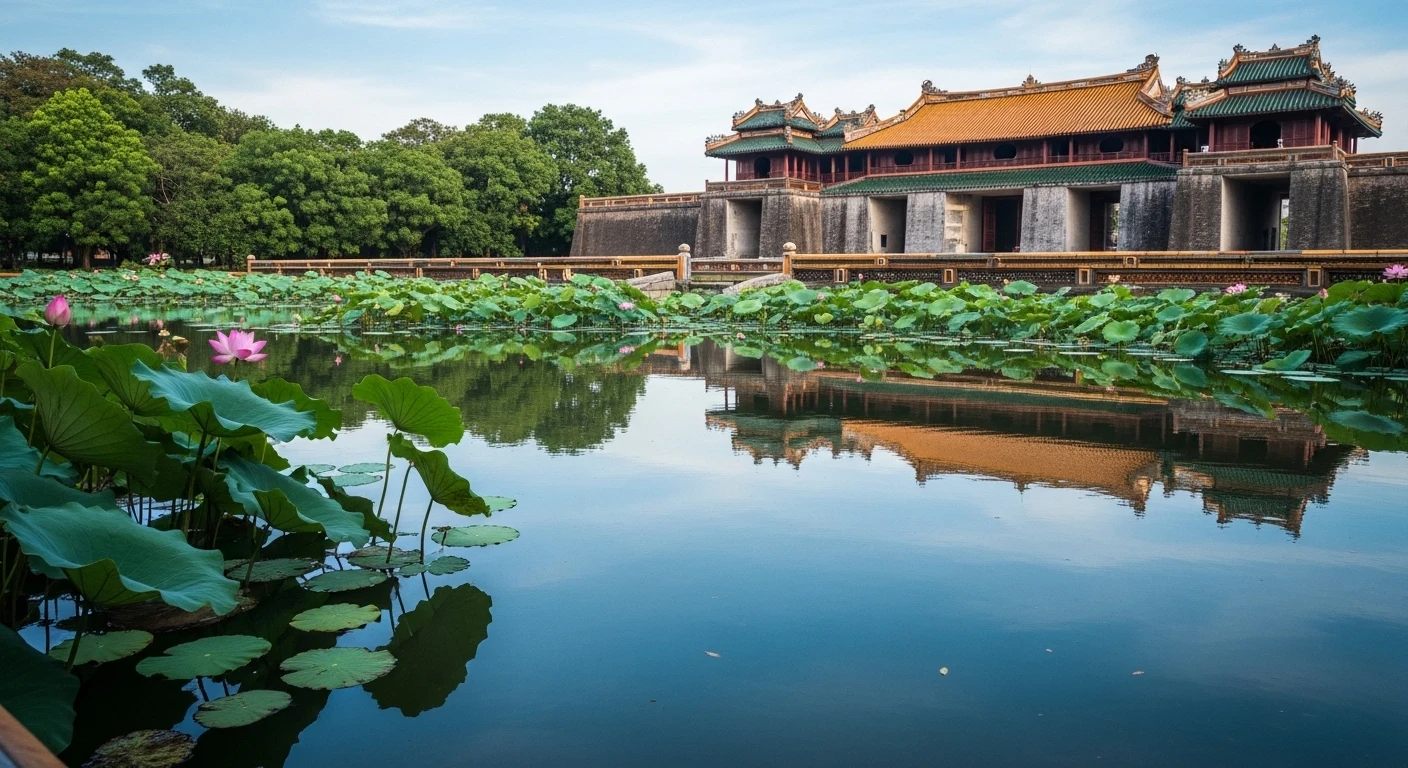
Spanning over 500 hectares, the Citadel is an impressive feat of urban planning and construction. Encircled by a formidable moat and thick stone walls, it was designed to be impenetrable. The outer walls, often referred to as the Kinh Thanh, are punctuated by imposing gates, the most famous being the Ngo Mon Gate, a majestic five-arched entrance that once served as the stage for grand royal ceremonies.
Inside, the Citadel unfolds into a complex layout of palaces, temples, courtyards, and gardens. The Nguyen Dynasty, ruling from 1802 to 1945, meticulously crafted this space to mirror the principles of geomancy (feng shui) and Confucian ideals. The architectural styles are distinctly Vietnamese, yet with subtle influences from Chinese imperial design, reflecting a long-standing cultural relationship.
The Forbidden Purple City: A Glimpse of Royal Life
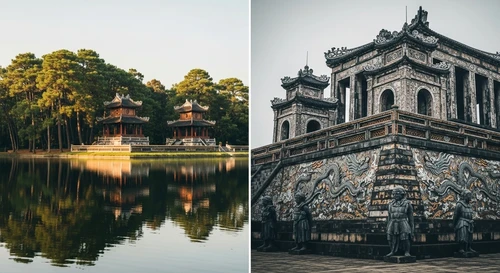
At the heart of the Citadel lies the Tử Cấm Thành, the Forbidden Purple City. Though much of it was tragically destroyed during the Vietnam War, particularly the devastating Tet Offensive of 1968, the remaining structures offer a poignant glimpse into the emperor's private world. Walking through the razed foundations and partially restored buildings, one can imagine the opulent halls, the quiet courtyards, and the secrets held within these once-sacred walls.
Delve deeper into the secrets and the tragic history of the Emperor's inner sanctum.

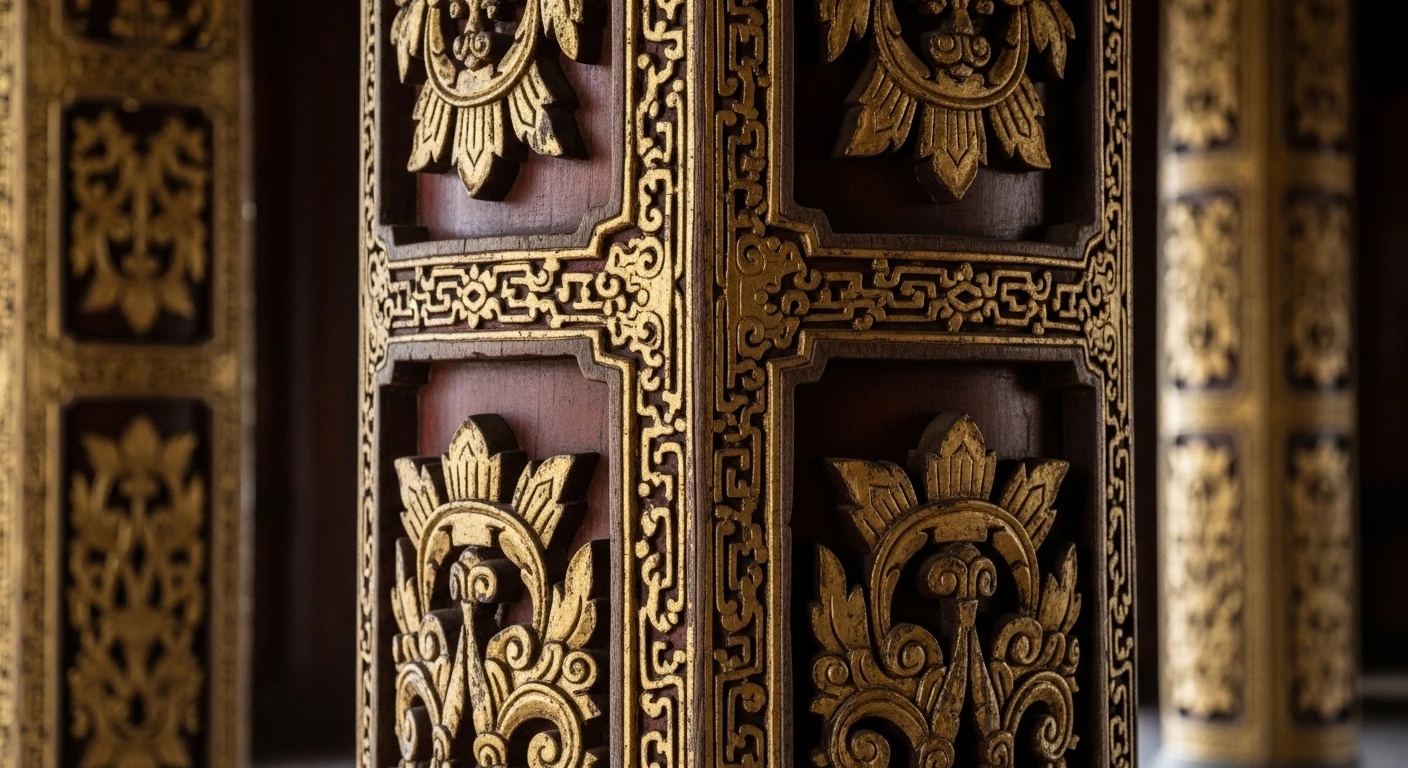
Key areas like the Thai Hoa Palace, with its grand throne room, and the Trieu To Mieu temple, dedicated to the dynasty's founding fathers, have been lovingly restored. The intricate details – the painted beams, the gilded carvings, the symbolic motifs – speak volumes about the artistry and devotion of the time.
The Scars of War: Tet Offensive Remnants
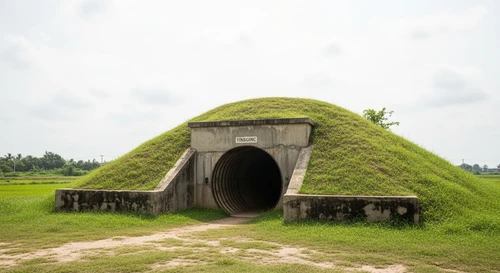
The Imperial Citadel bears the indelible marks of conflict, most notably from the 1968 Tet Offensive. For 26 days, fierce fighting raged within these walls, reducing much of the Forbidden Purple City to rubble and leaving countless bullet holes and craters as haunting reminders.
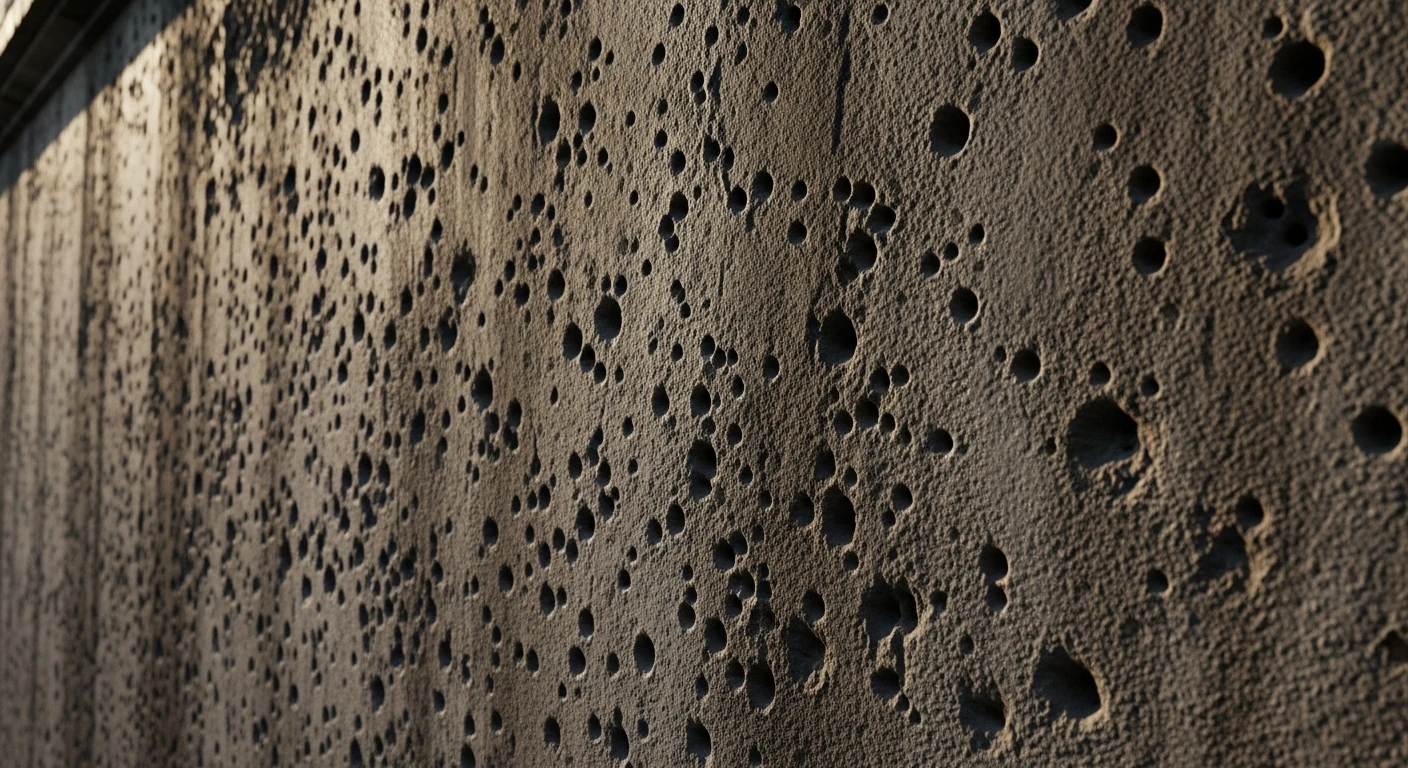
Wandering through the grounds, you can still see these scars. Some walls are pockmarked with the impact of artillery, a stark contrast to the meticulously restored sections. This history adds a profound layer of poignancy to the visit, transforming it from a mere historical tour into a somber reflection on the resilience of both the structures and the nation.

The ongoing restoration efforts are a testament to Vietnam's commitment to preserving its heritage, carefully rebuilding and conserving what was lost while ensuring the stories of the past are not forgotten.
Exploring the Grounds: Bicycles and Lotus Ponds
The sheer scale of the Citadel makes it an ideal place to explore by bicycle. Renting a bike is highly recommended; it allows you to cover the vast distances, discover hidden corners, and soak in the atmosphere at your own pace. As you pedal along the wide avenues and through manicured gardens, you'll encounter tranquil lotus ponds reflecting the azure sky, providing moments of serene beauty amidst the historical grandeur.
Keep an eye out for the remnants of former royal residences, courtyards designed for military parades, and the intricate decorative elements that hint at the lives of those who once lived and ruled here. The air, often thick with humidity, carries the scent of ancient trees and blooming flowers, creating a uniquely evocative sensory experience.
The Nguyen Dynasty: A Lasting Legacy
The Nguyen Dynasty, the last imperial family to rule Vietnam, left an indelible mark on the nation's history and culture. Their reign, from the early 19th century until the mid-20th century, was a period of both significant development and profound change, including interactions with French colonial powers and the eventual establishment of a republic.
The Citadel stands as the most visible symbol of their power and artistic patronage. Beyond its architectural splendor, the Nguyen era saw advancements in literature, arts, and governance. Understanding this context enriches the visit, allowing you to appreciate the Citadel not just as a relic, but as the vibrant center of a significant historical period.
For those captivated by the imperial past, the nearby royal tombs offer further insight into the lives and personalities of the Nguyen emperors.
Discover the poetic and architectural wonders of the emperors' final resting places.
Practical Tips for Your Visit
Getting There: Hue is accessible by air via Phu Bai International Airport (HUI), and also by train or bus from major cities like Hanoi and Da Nang. The Citadel is a short taxi or Grab ride from the city center.
Best Time to Visit: The dry season (January to August) offers pleasant weather. Hue can be hot and humid, especially from May to August. The rainy season (September to December) can bring heavy downpours.
What to Wear: Comfortable walking shoes are a must. Given the historical and cultural significance of the site, it's advisable to dress modestly – cover your shoulders and knees.
Time Allocation: Allow at least half a day, preferably a full day, to truly appreciate the scale and history of the Citadel. Consider hiring a local guide for deeper insights.
The Soul of Hue: Culture and Resilience
The Imperial Citadel is more than just ancient architecture; it's a living monument to Vietnam's enduring spirit. The restoration efforts, the respect shown by visitors, and the stories shared by locals all contribute to its vibrant legacy. It stands as a powerful symbol of a nation that has weathered immense historical storms and emerged with its cultural identity intact.
Visiting the Citadel is an immersive journey back in time, offering a profound understanding of Vietnam's imperial past and its subsequent modern history. It's a place that ignites the imagination and leaves a lasting impression of grandeur, tragedy, and enduring hope.
A Royal Echo in the Present
The Hue Imperial Citadel, with its restored gates, serene lotus ponds, and the ghosts of its bullet-scarred past, is an essential stop for any traveler seeking to understand the soul of Vietnam. It’s a place where history is not just read about, but felt in the ancient stones and the echoes of empire. Rent that bicycle, wander through the vast grounds, and let the stories of the Nguyen Dynasty unfold before you. The Forbidden Purple City may be lost to time, but its spirit, and its lessons, endure.