The Call of the Heartland: Nghe An's Quiet Power
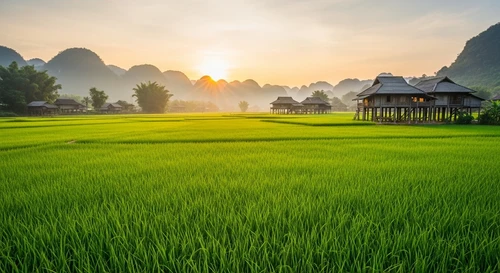
There are places in Vietnam that whisper their stories, their history etched not in grand monuments, but in the texture of the land and the resilience of their people. Nghe An province, nestled in the north-central region, is one such place. It’s a land of rugged mountains, expansive coastlines, and fertile river valleys, a place that shaped the quiet determination of a nation’s father. This isn't the bustling energy of Hanoi or the ancient charm of Hue; this is Vietnam’s soul, raw and unvarnished.
Our pilgrimage today takes us to Sen Village, the birthplace of Ho Chi Minh. But to understand this humble dwelling, we must first understand the spirit of Nghe An. It’s a province known for its hardworking people, a place where life often demands grit and resourcefulness. This spirit, forged in the crucible of history and challenging geography, is perfectly captured in its most iconic dish: the intensely spicy eel soup, canh ca nau nuong.
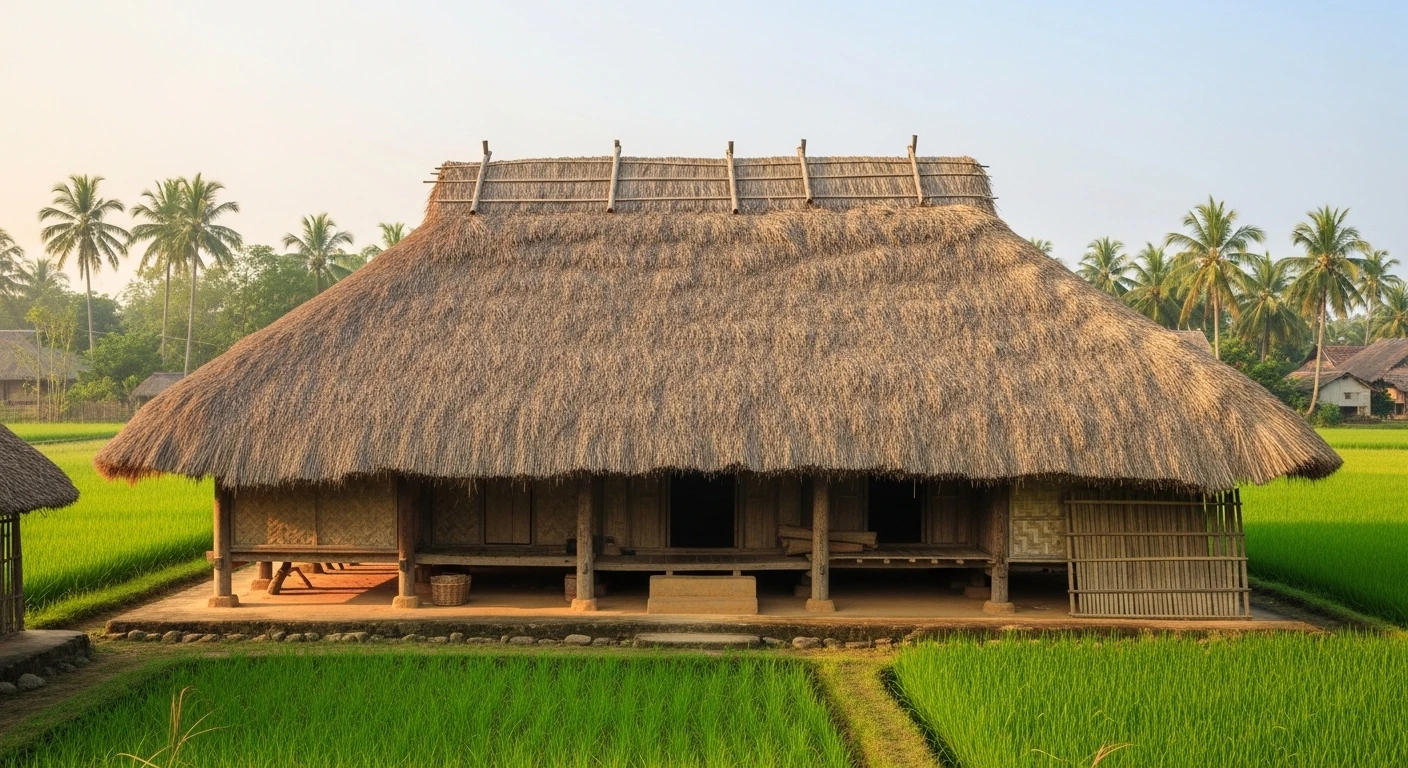
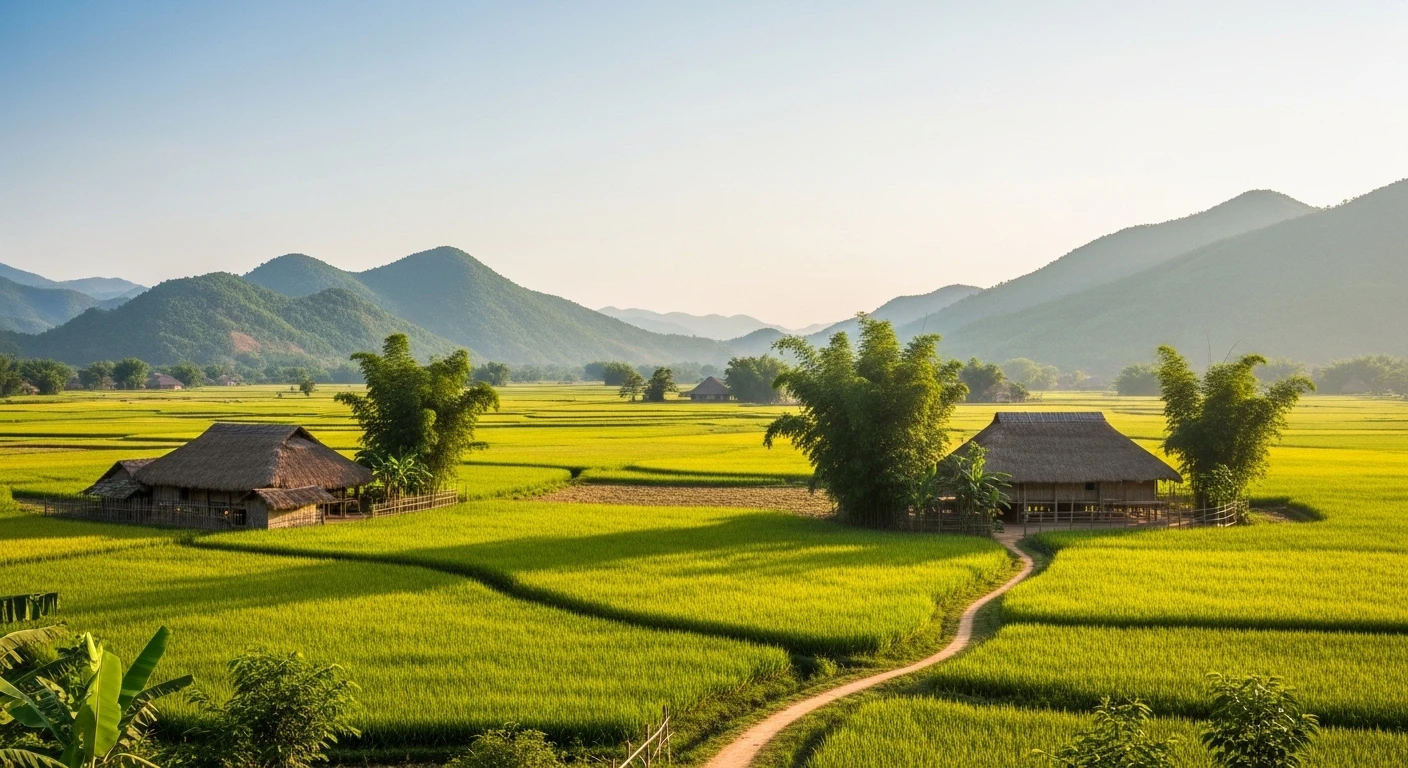
The simple, enduring architecture of rural Nghe An, hinting at the origins of its most famous son.
The Revolutionary's Roots: Sen Village, Kim Lien
Driving into Kim Lien commune, the birthplace of Ho Chi Minh, feels like stepping back in time. The air is thick with the scent of ripening mangoes and the hum of insects. The landscape is a gentle tapestry of green rice paddies, bamboo groves, and small, traditional homesteads. Here, in Sen Village, stands the modest, three-roomed ancestral house where Ho Chi Minh was born in 1890. It's a structure of simple bamboo and thatch, a stark reminder of the humble beginnings of the man who would lead Vietnam to independence.
The house itself, preserved and maintained as a national monument, is not ostentatious. It speaks of a life of agrarian simplicity. You can walk through the rooms, imagining the early life of Nguyen Sinh Cung, later known as Ho Chi Minh. Adjacent to this is his maternal uncle's house, where he spent his early childhood. The atmosphere is one of quiet reverence. Visitors, often Vietnamese, come here to pay their respects, their faces a mixture of respect and deep affection for "Uncle Ho."
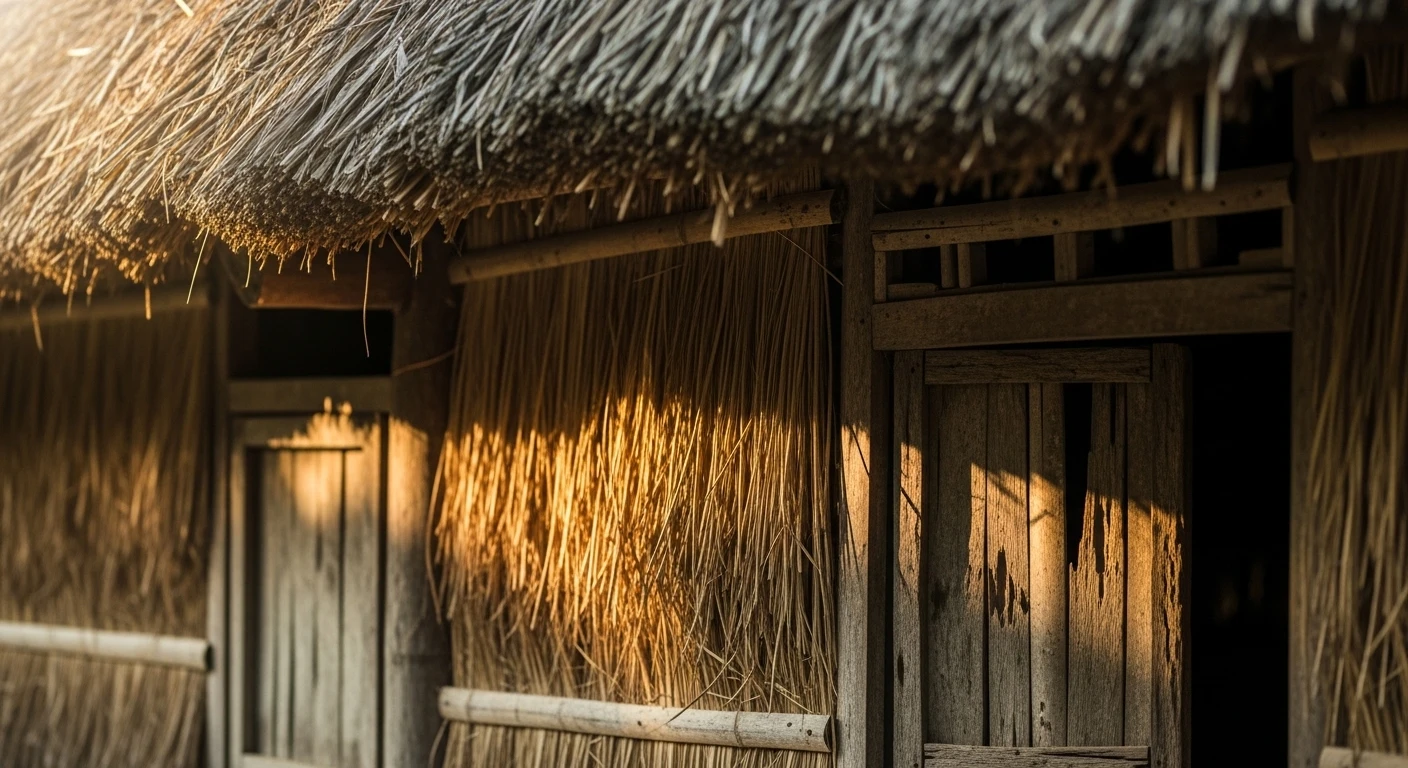
It’s crucial to understand that this isn’t just a historical site; it’s a pilgrimage. It’s a journey to the genesis of a man whose life would redefine a nation. The surrounding village, with its sleepy lanes and friendly locals, provides the context for his upbringing – a world far removed from the colonial opulence he would later challenge.
The Culinary Challenge: Canh Ca Nau Nuong
After absorbing the history, the true essence of Nghe An’s resilience reveals itself on the plate. Enter Canh Ca Nau Nuong – a dish that, in its simplest translation, means "grilled fish soup." But that doesn't even begin to capture the visceral experience. This isn’t just soup; it’s a fiery baptism, a potent elixir that tests your mettle and rewards you with an unforgettable taste of the region.
The star ingredient is typically eel, often freshwater eel, which lends a rich, slightly oily texture and a distinct, earthy flavor. But what makes this dish legendary is the heat. This isn't the gentle warmth of a mild curry; this is an all-out assault of chili. Local chilies, particularly the small, potent varieties found in central Vietnam, are pounded and added generously, often along with ginger, turmeric, and lemongrass. The result is a broth so intensely red and spicy that it’s guaranteed to make you sweat, clear your sinuses, and, quite possibly, question your life choices – in the best possible way.
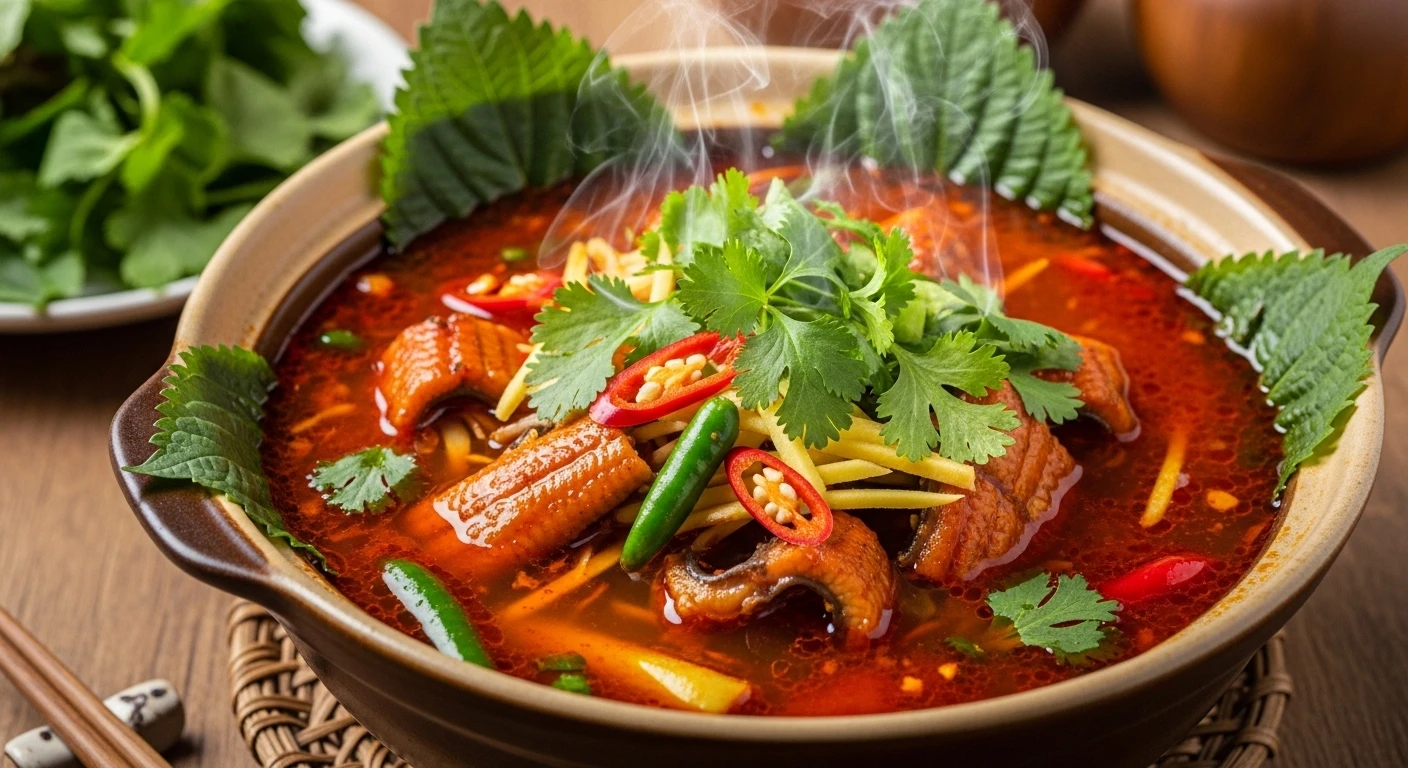
The unmistakable hue of Canh Ca Nau Nuong, promising a profound heat and rich, savory depth.
This soup is not for the faint of heart. It's a dish that reflects the character of Nghe An: bold, unapologetic, and deeply satisfying. It's food that demands your full attention, a culinary statement of survival and pride.
The Art of the Spice: Weaving Resilience into Every Bowl
The spice in Canh Ca Nau Nuong isn't just for flavor; it's a symbol. For generations, the people of Nghe An have faced hardships – harsh weather, periods of conflict, and the demanding labor of farming their land. This intense, sweat-inducing soup is a way to invigorate the body, to overcome fatigue, and to find warmth even in the chilliest of seasons. It’s a culinary expression of enduring spirit.
The preparation itself is often a communal affair. Eels are sourced from local rivers and ponds, their earthy flavors enhanced by aromatic herbs like lemongrass and galangal. Turmeric, for its vibrant color and health benefits, is a key player, grounding the fiery heat of the chilies. When the soup is served, it’s usually accompanied by a generous plate of fresh herbs—mint, cilantro, perilla leaves—and often a dipping sauce of salt, pepper, and lime, allowing diners to customize their heat level or cool down.
Eating this soup is an experience. The first spoonful hits you with a wave of heat that spreads through your chest. As you continue, the complex flavors of the eel, the broth, and the herbs emerge. It’s a culinary journey that mirrors the journey of Nghe An itself – starting with a simple foundation and building towards something profound and unforgettable.
A Taste of History: Connecting the Dots
To visit Sen Village and then savor this powerful soup is to experience a profound connection to Vietnamese history and culture. Uncle Ho's humble beginnings in this rural setting underscore the deep roots of his connection to the Vietnamese people. His later fight for independence was a fight for the dignity and future of these very communities.
The spicy eel soup, while seemingly a simple provincial dish, becomes a metaphor. It represents the strength, endurance, and fiery spirit of the people who call this land home. It’s a flavor that stays with you, a reminder that history is not just found in textbooks, but in the land, the food, and the enduring soul of a place.
Journey to Nghe An: Getting There
Nghe An province is located in the North Central Coast region of Vietnam. Reaching Sen Village requires a multi-leg journey, typical for exploring Vietnam beyond its major hubs.
International Arrival: Most international travelers will fly into Noi Bai International Airport (HAN) in Hanoi or Tan Son Nhat International Airport (SGN) in Ho Chi Minh City.
Domestic Travel to Nghe An:
- By Air: Vinh Airport (VII) is the main airport serving Nghe An province. You can catch domestic flights from Hanoi (HAN) or Ho Chi Minh City (SGN) to Vinh. The flight duration is approximately 1 to 1.5 hours.
- By Train: Nghe An is well-connected by the Reunification Express railway line. You can take an overnight train from Hanoi or Ho Chi Minh City directly to Vinh Station. This offers a more scenic, albeit longer, journey.
- By Bus: Numerous bus companies operate routes from major cities like Hanoi and Hue to Vinh. This is often the most budget-friendly option, but can be less comfortable for long distances.
From Vinh to Sen Village (Kim Lien): Once you arrive in Vinh, Sen Village (Kim Lien commune) is located about 70 kilometers (around 45 miles) southwest of the city. You can hire a taxi, book a Grab car (ride-hailing app), or arrange for a private car and driver. Local buses are also an option, though they might involve transfers and longer travel times. The journey from Vinh to Sen Village typically takes about 1.5 to 2 hours by car.
Getting Around: Within Sen Village, exploring on foot is ideal. For the surrounding areas or if you plan to visit other sites in Nghe An, hiring a scooter or car with a driver is recommended.
Beyond the Soup: Exploring Nghe An's Landscape
Nghe An is more than just its famous son and its fiery soup. The province boasts a diverse landscape waiting to be discovered by the adventurous traveler.
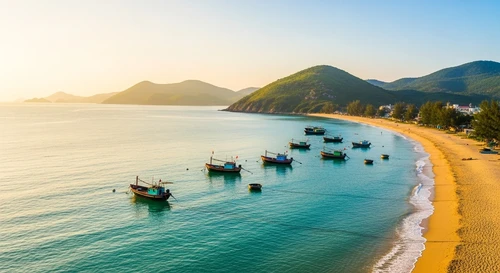
- Cua Lo Beach: A popular seaside resort town known for its long, sandy beaches and fresh seafood. It's a great place to relax after the intensity of historical sites and spicy food.
- Pu Mat National Park: For nature lovers, this park offers pristine forests, waterfalls, and a chance to see diverse flora and fauna. The park is home to various ethnic minority communities, offering a glimpse into different cultural traditions.
- Quynh Nhai Lake: Part of the Da river system, this vast lake offers scenic beauty and opportunities for boat trips, resembling smaller versions of Halong Bay but in an inland setting.
- Lam Kinh Citadel: The ancient capital of the Later Le Dynasty, this historical site offers a glimpse into Vietnam's imperial past before the Nguyen Dynasty.
While Sen Village and its spicy eel soup are powerful anchors, venturing further into Nghe An reveals a province rich in natural beauty and historical significance, a true reflection of Vietnam's diverse heritage.
The Meaning of Spicy Food in Vietnam
While Northern Vietnam tends to favor more subtle, umami-rich flavors, and the South often embraces sweetness, Central Vietnam, where Nghe An is located, is renowned for its spicier, more intense cuisine. This isn't accidental. The humid climate, historically difficult living conditions, and the need for strong flavors to preserve food all contributed to this culinary preference.
Dishes like Canh Ca Nau Nuong and central Vietnamese specialties such as Bun Bo Hue (spicy beef noodle soup) are testaments to this tradition. The heat isn't just about sensation; it's about tradition, about health (chilies are believed to aid digestion and circulation), and about a certain bold spirit that defines the region. It's a culinary identifier, a way for people from these provinces to distinguish their flavors and their heritage.
Reflections from Uncle Ho's Hometown
As you leave Sen Village, the image of the humble thatched roof and the taste of that fiery eel soup linger. It’s a powerful juxtaposition: the quiet simplicity of birth and origins, and the bold, assertive flavor of a dish that speaks of resilience and national pride.
Ho Chi Minh's life was a testament to overcoming overwhelming odds. His journey from this quiet village to leading a nation is a narrative of extraordinary determination. And in many ways, the Canh Ca Nau Nuong is the culinary echo of that journey. It's a dish that demands respect, that challenges you, but ultimately offers a deeply satisfying and authentic taste of the land that forged one of the 20th century's most significant figures.
The Enduring Spirit
A journey to Nghe An is more than just a historical tour; it's an immersion into the very fabric of Vietnam's identity. From the tranquil origins of Ho Chi Minh in Sen Village to the potent, soul-warming heat of its signature eel soup, this province offers a profound understanding of Vietnamese resilience, history, and culinary artistry. It's a place that reminds us that even the most profound revolutions can begin in the humblest of settings, and that the fiercest spirits often find their expression in the most unexpected, and delicious, ways.

Uncle Ho's Hometown: A Pilgrimage to Sen Village in Nghe An
Visit the humble thatched-roof home where Ho Chi Minh was born. Experience the quiet rural life of the central provinces and eat intensely spicy local eel soup.
Read More →
Dong Loc Junction: Honoring the Youth Volunteers of Ha Tinh
A deeply moving historical site. Pay respects to the 10 young female volunteers who died keeping the Ho Chi Minh trail open during heavy bombings. A testament to Vietnamese resilience.
Read More →
Hien Luong Bridge: Walking the 17th Parallel
Cross the bridge painted in two colors that physically divided North and South Vietnam for 21 years. Visit the giant loudspeakers and the flag tower of this intense historical border.
Read More →