The Unflinching Gaze: Entering the War Remnants Museum
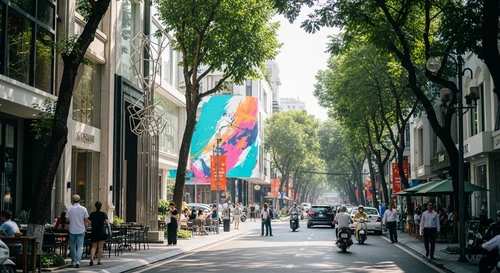
Saigon, now Ho Chi Minh City, pulsates with a relentless modern energy. Its streets teem with motorbikes, its skyline is a testament to ambition, and its cafes buzz with life. Yet, beneath this vibrant surface lie layers of history, etched deeply into its very fabric. To truly understand the soul of this city, and indeed Vietnam itself, one must confront its past. And there is no place that confronts it with such stark, unapologetic force as the War Remnants Museum.
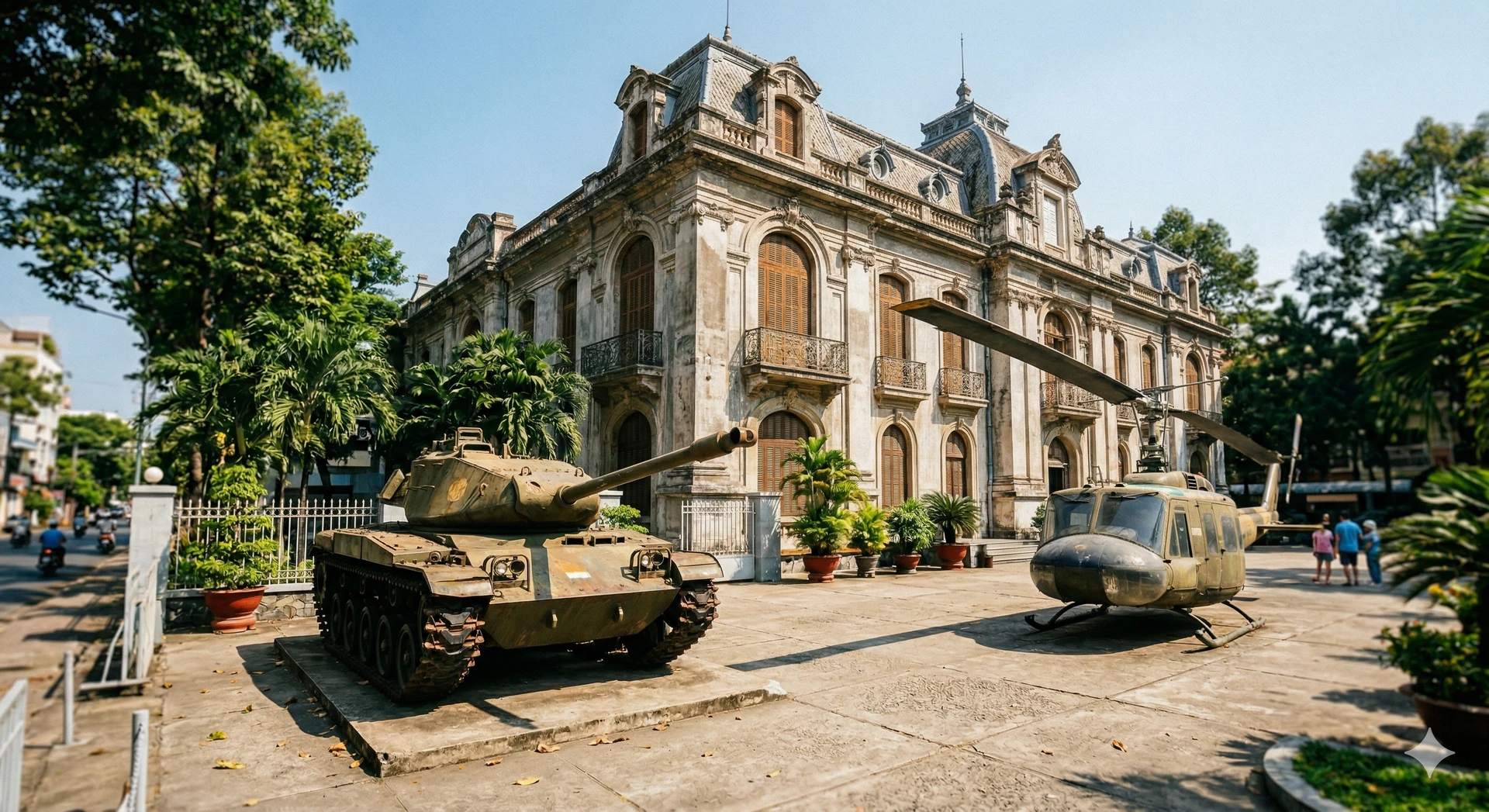
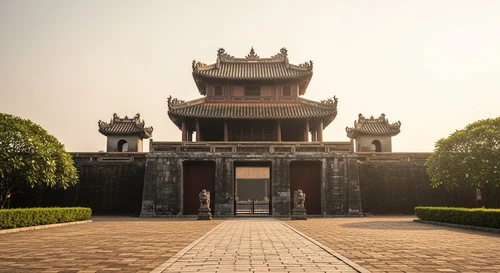
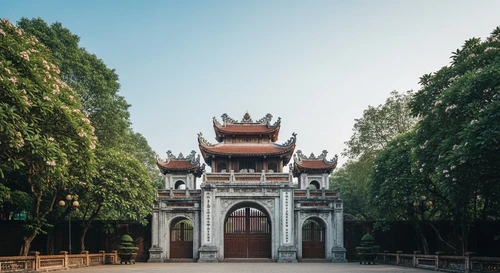
The imposing facade of the War Remnants Museum, a stark introduction to the stories within.
This isn't a museum of polite historical reflection. It's an exhibition of consequence, a raw testament to the human cost of conflict, told from the perspective of the nation that endured it. Forget sanitized narratives; this is a visceral journey that will challenge, disturb, and ultimately, profoundly educate.
The External Arsenal: A Prelude to Pain
Your introduction to the museum begins before you even step inside. The courtyard is an open-air graveyard of war machines. Here, hulking American tanks, a downed UH-1 Huey helicopter, and a formidable F-5 fighter jet stand as silent, metallic witnesses to the era of conflict. These are not relics in a distant land; they are tangible reminders of the sheer scale of destruction that unfolded across Vietnam.
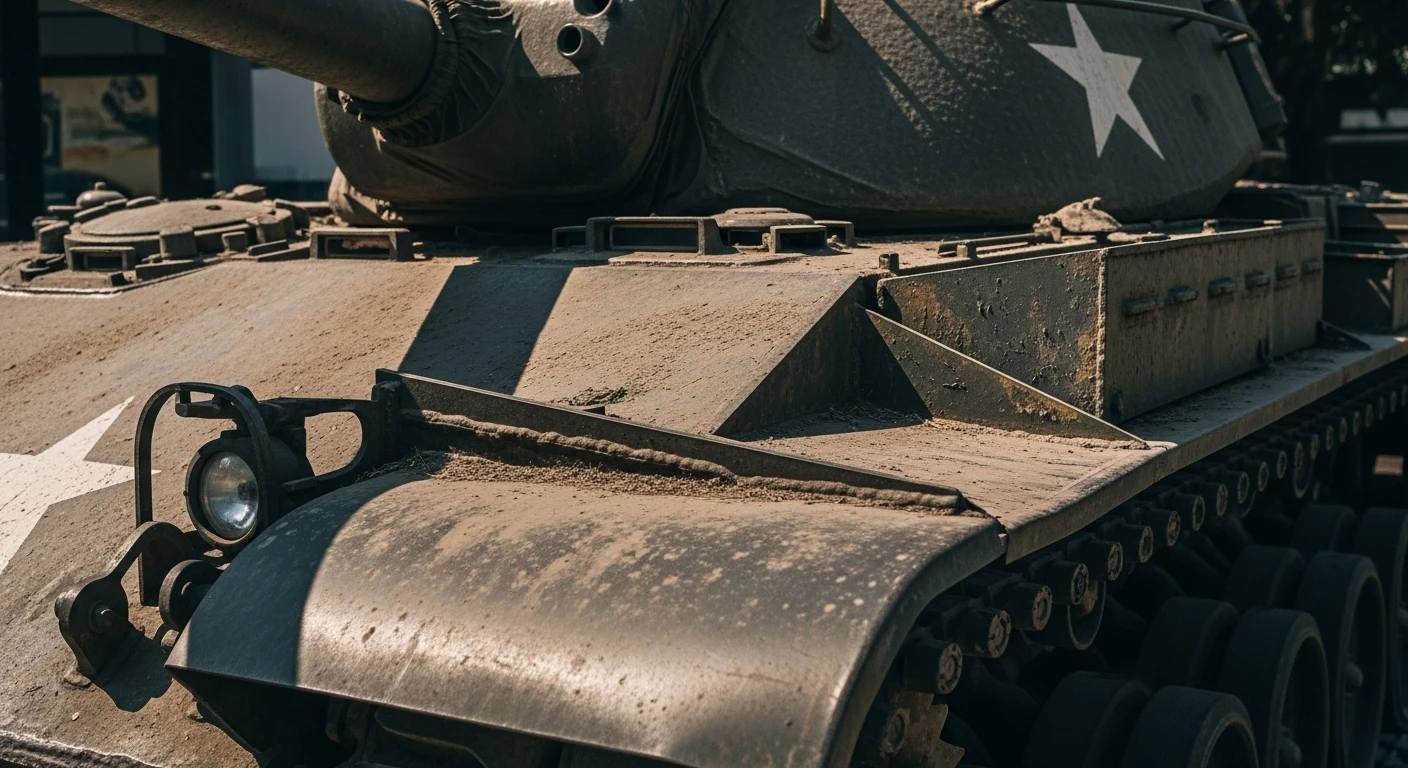
Among these heavyweights, you'll find artillery pieces and armored personnel carriers, each bearing the scars of battles fought. They serve as a stark, almost brutal, opening statement, setting the tone for the deeply emotional experience that awaits within the museum's walls. It's a display that commands attention, drawing you into the gravity of the events that shaped modern Vietnam.
Inside the Walls: The 'Requiem' Exhibition
The museum's interior is a labyrinth of exhibits, each more harrowing than the last. One of the most impactful is the "Requiem" exhibition, a collection of photographs by Vietnamese and international journalists who documented the war. These aren't staged shots; they are raw, unfiltered moments captured in the crucible of combat and its aftermath.
You will witness the courage and suffering of soldiers and civilians alike. Images depict the chaos of battle, the profound grief of loss, and the grim realities faced by those caught in the crossfire. The sheer power of these black and white frames is undeniable, bringing the statistics of war into sharp, human focus. It's a profound testament to the sacrifices made and the enduring spirit of the Vietnamese people.
The Scars of Agent Orange: A Lasting Legacy
Perhaps the most disturbing and deeply emotional part of the War Remnants Museum is its dedicated section on the effects of Agent Orange and other chemical defoliants used during the war. This is where the long-term consequences of warfare are laid bare, with devastating clarity.
The exhibits present photographs of individuals, many of them children, who have suffered severe birth defects and lifelong health problems as a direct result of exposure to these dioxin-laden chemicals. The images are graphic, showing deformities and disabilities that are heartbreaking to behold. Accompanying this visual evidence are personal testimonies and scientific explanations, painting a grim picture of a legacy that continues to afflict generations.
It's a section that demands quiet contemplation. It forces visitors to confront the enduring impact of chemical warfare and the persistent pain that lingers long after the last shot is fired. This exhibition is not just about historical events; it's about a present-day struggle for health and dignity for countless Vietnamese families.
Vietnamese Perspectives: The People's Story
The museum's power lies in its unwavering commitment to presenting the Vietnamese narrative. It doesn't shy away from the atrocities committed or the immense suffering endured by the Vietnamese population. You'll find displays detailing the brutality of the My Lai Massacre, the horrors of "tiger cages" (though more prominently featured at Con Dao), and the systematic destruction of villages and infrastructure.
Through artifacts, propaganda posters, and personal accounts, the museum illustrates the resilience and determination of the Vietnamese people in their fight for independence and reunification. It provides context for the conflict that often gets overshadowed in Western media, offering a vital counterpoint and a deeper understanding of the war's impact on the nation. This perspective is crucial for anyone seeking a comprehensive grasp of the Vietnam War.
Memorial Walls and Artifacts: Echoes of Conflict
Beyond the large-scale exhibitions, the museum houses a collection of poignant artifacts. Everyday objects that bear witness to the war's impact are displayed: personal letters, children's toys, remnants of destroyed homes, and medical equipment used in overwhelmed field hospitals. These items, often overlooked in grander historical accounts, carry immense emotional weight.
The memorial walls, listing names and details of victims, serve as stark reminders of the vast human toll. They transform abstract numbers into individual lives, each with a story of suffering or sacrifice. This personal touch makes the history palpable, connecting the visitor to the human dimension of the conflict in a way that textbook accounts rarely achieve.
The Ethics of Dark Tourism
Visiting the War Remnants Museum places you squarely in the realm of "dark tourism" – traveling to sites associated with death, tragedy, and suffering. It's a practice that sparks debate, and rightly so. While some may question the morality of visiting such places, the War Remnants Museum transcends mere morbid curiosity.
This is not a site for casual entertainment. It is an educational pilgrimage. The museum's purpose is to foster understanding, to prevent future atrocities through remembrance, and to honor the victims. It's about bearing witness, learning from history, and developing empathy. If approached with respect and a genuine desire to learn, a visit here can be a profoundly moving and important experience, fostering a deeper appreciation for peace and the resilience of the human spirit.
Practical Tips for Your Visit
Planning a visit to the War Remnants Museum is straightforward, but a few tips can enhance your experience:
- Best Time to Visit: The museum is open daily, typically from 7:30 AM to 6:00 PM. Go early to avoid the biggest crowds, especially during peak tourist seasons.
- Allocate Enough Time: Allow at least 2-3 hours for your visit. Rushing through the exhibits will diminish their impact.
- Be Prepared Emotionally: The content can be graphic and disturbing. If you are sensitive to such material, proceed with caution. Take breaks if needed.
- Respect the Space: This is a place of remembrance. Maintain a respectful demeanor, refrain from loud conversations, and be mindful of those who may have personal connections to the history.
- Photography: Photography is generally permitted in most areas, but always check for specific signage and be respectful of others.
- Location: The museum is centrally located in District 3 of Ho Chi Minh City, making it easily accessible from most tourist areas.
Echoes of the Past: Nearby and Beyond
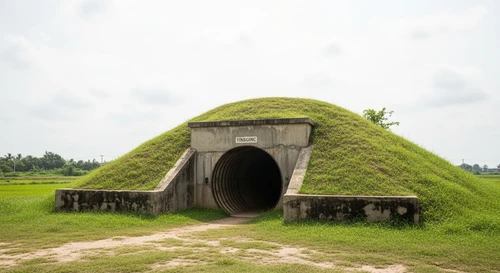
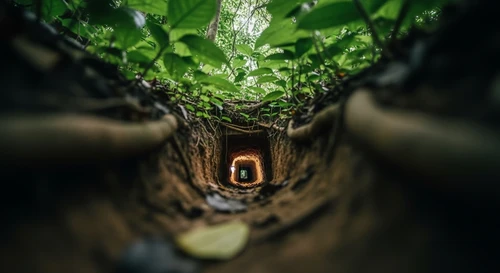
Your visit to the War Remnants Museum provides a powerful lens through which to view other historical sites in Vietnam. Understanding the conflict's impact in Saigon will deepen your appreciation for places like the Cu Chi Tunnels, where you can crawl through the very underground network used by Viet Cong soldiers to fight the war.
The resilience and wartime ingenuity displayed at Cu Chi are directly illuminated by the realities presented at the museum. Similarly, if your travels take you north, learning about the sacrifices made during the war will provide a somber context for visiting the Hoa Lo Prison, a site with a complex history of imprisonment under both French colonial rule and during the Vietnam War for American POWs. These sites, when visited in succession, offer a more complete, albeit challenging, picture of Vietnam's tumultuous 20th century.
The Necessity of Remembering
A visit to the War Remnants Museum is not for the faint of heart. It is confronting, it is emotional, and it is undeniably heavy. But it is also indispensable for anyone seeking to understand Vietnam, its history, and the enduring strength of its people. It is a vital educational experience, a powerful reminder of the true cost of war, and a crucial step in fostering a more peaceful future.
Leave the museum not with despair, but with a profound sense of respect and a deeper, more nuanced understanding of a nation that has endured so much and continues to thrive. It is a brutal, necessary pilgrimage that offers invaluable perspective on the human condition and the imperative of peace.
Planning Your Saigon Exploration?
Discover more about the resilience and history of Saigon.
🕳️ Explore the Cu Chi Tunnels