Whispers of Emperors: Hue's Royal Mausoleums
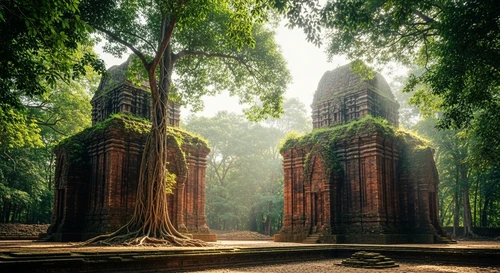
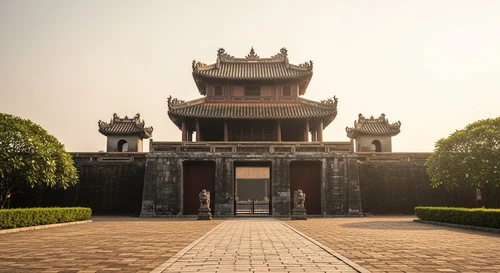
Hue. The very name conjures images of imperial grandeur, of a city steeped in history, its past clinging to the Perfume River like mist. Once the imperial capital of Vietnam, this city holds within its embrace the final resting places of its most revered rulers – the Royal Tombs. These are not mere cemeteries; they are elaborate palaces of eternity, designed to reflect the personalities, philosophies, and legacies of the emperors themselves.
Among the most magnificent and contrasting of these imperial monuments are the mausoleums of Emperor Tu Duc and Emperor Khai Dinh. To walk through them is to journey through time and temperament. Tu Duc's tomb is a sprawling, poetic sanctuary, designed as a serene retreat for his own lifetime. Khai Dinh's, perched dramatically on a mountainside, is a fusion of East and West, stark and strikingly opulent. Prepare to be transported.
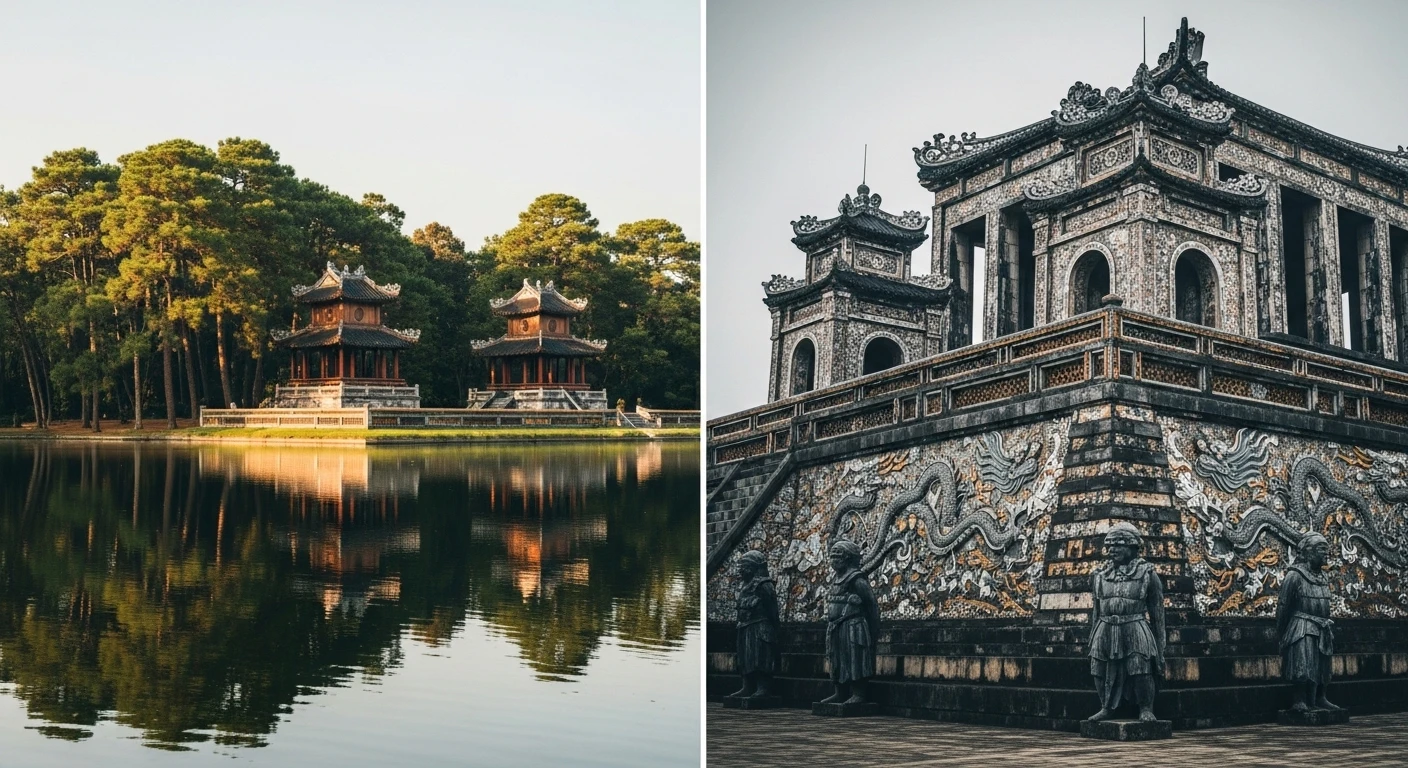
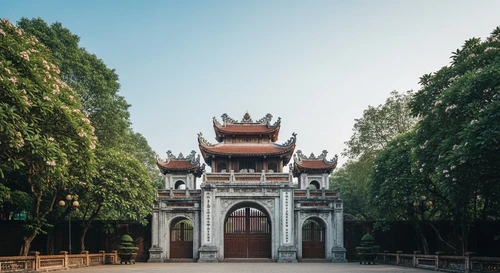
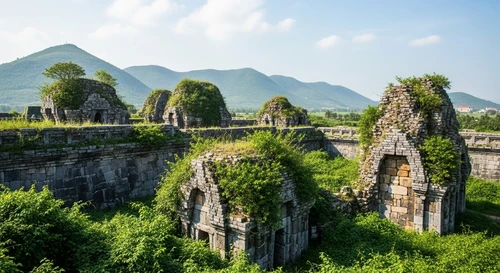
A visual dichotomy: the peaceful elegance of Tu Duc's retreat versus the formidable artistry of Khai Dinh's monument.
Emperor Tu Duc: Poetry, Melancholy, and a Palace for Eternity
Emperor Tu Duc reigned for 36 years, a period marked by both cultural flourishing and encroaching foreign influence. A gifted poet, he sought solace and inspiration in his meticulously planned tomb complex, designed not just as a final resting place, but as a personal retreat for his living years – a "Palace of the Evening Shades."
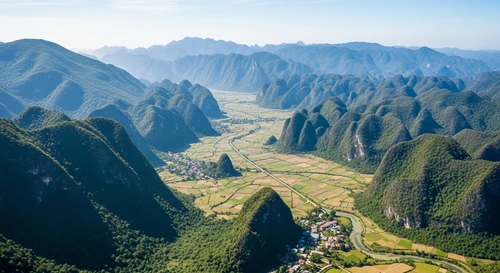
Located about 8 kilometers south of Hue, the tomb of Tu Duc is less a singular structure and more a vast, harmonious landscape. It's a place of serene beauty, embracing rolling hills, a tranquil lake (Luu Khiem), and dense pine forests. The architecture here is delicate and understated, designed to blend seamlessly with its natural surroundings. You'll find pavilions floating on water, ornate bridges, and tranquil courtyards, all exuding an air of quiet contemplation.

Key structures include the Vạn Thọ Palace (where Tu Duc lived), the Luu Khiem Lake, the Tinh Khiet Garden, and the famous Minh Khieu Pavilion, a beautiful two-story structure where the emperor composed poetry. The actual burial site, within the Xa Tac Temple, is often debated and protected, adding an element of mystery to the profound serenity. Wandering through the pine groves, you can almost feel the weight of his poetic soul and his melancholy reflections on a changing Vietnam.
Learn More about Tu Duc's TombEmperor Khai Dinh: A Fusion of East and West, Opulence and Grandeur
In stark contrast to Tu Duc's understated elegance, the tomb of Emperor Khai Dinh, built between 1920 and 1931, is a bold, almost defiant statement. It’s a testament to his reign, which was characterized by his attempts to navigate the complexities of French colonial rule and his pursuit of a distinct, modern aesthetic.
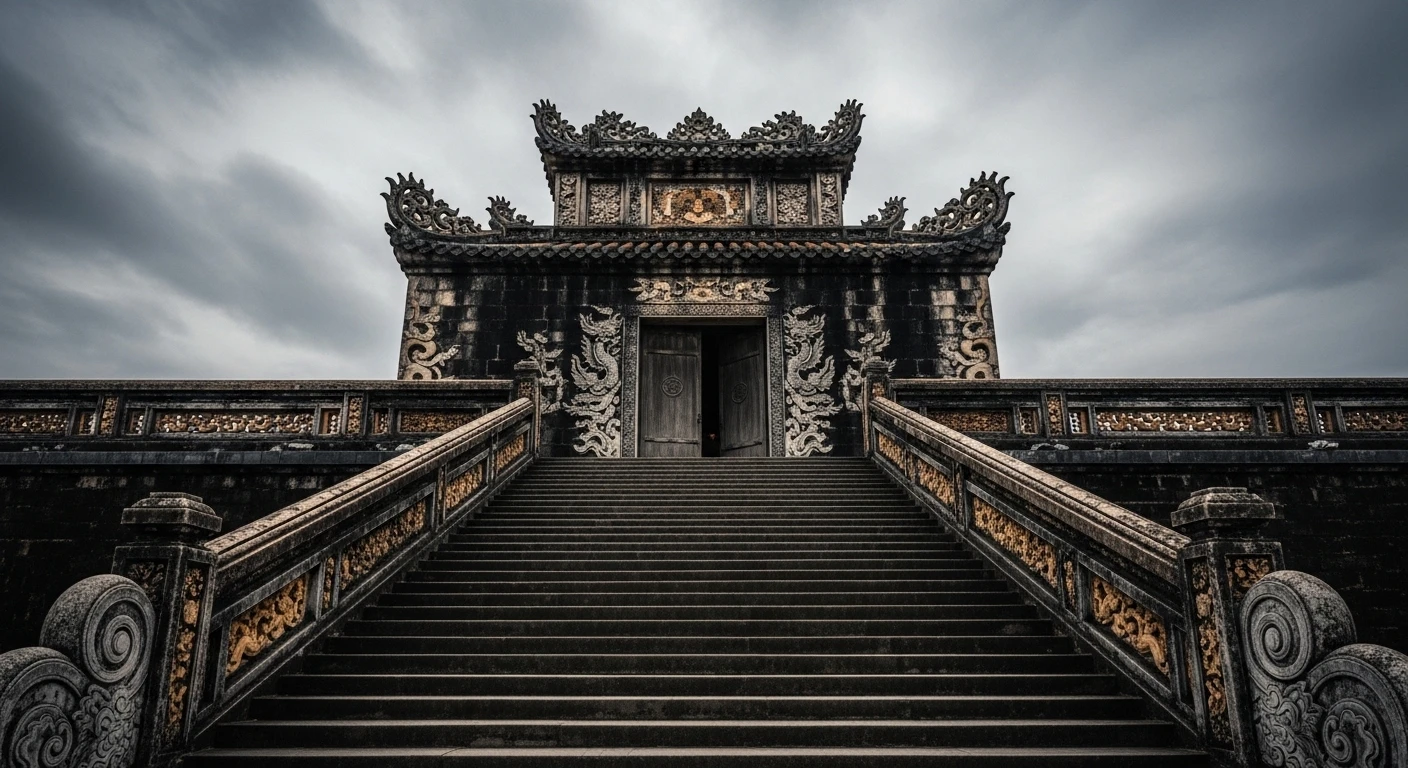
Perched dramatically on a steep mountainside in Chau Chu, Khai Dinh's mausoleum is a powerful fusion of Vietnamese, Chinese, and, most notably, European architectural styles. The imposing facade, with its steep staircases and European-influenced battlements, hints at the unique blend within. This isn't a tomb that whispers; it commands attention.
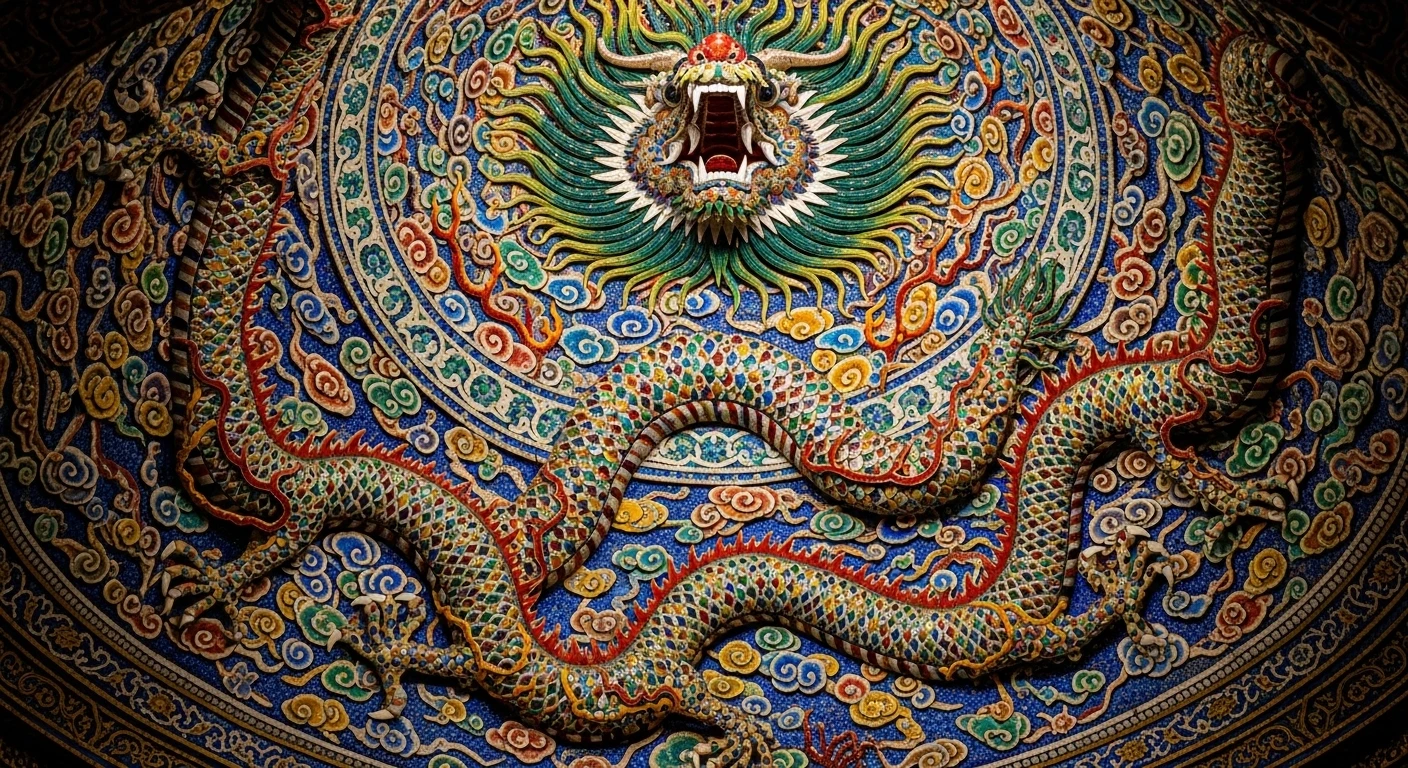
The interior is a breathtaking explosion of mosaics. Walls, ceilings, and floors are adorned with millions of pieces of shattered porcelain and glass, forming intricate murals and patterns. Dragons coil around pillars, celestial scenes unfold, and scenes from the emperor’s life are depicted with astonishing detail. The central structure houses a gilded bronze statue of Khai Dinh, seated regally, surrounded by the opulent decorations. The blend of Gothic, Romanesque, and Art Deco elements, applied to traditional Vietnamese motifs, creates an effect that is both unsettling and mesmerizing.
A Tale of Two Tempos: Contrasting Styles, Shared Legacy
The juxtaposition of Tu Duc's tomb and Khai Dinh's mausoleum is one of the most compelling aspects of exploring Hue's imperial heritage. Tu Duc sought harmony with nature and his own contemplative spirit, designing a retreat that embraced the landscape. His tomb is a testament to the refined aesthetics of the Nguyen Dynasty's zenith.
Khai Dinh, on the other hand, embraced external influences with a flair for the dramatic and the opulent. His mausoleum is a bold declaration, a fusion that speaks of a transitional era, where Vietnam was deeply intertwined with French colonial power. The dark, almost gothic feel of the stone structures, contrasted with the riot of color from the mosaics, creates a powerful emotional impact.
Together, these mausoleums offer a profound insight into the minds of two very different emperors and the evolving socio-political landscape of Vietnam during their reigns. They showcase the diversity of imperial ambition and artistic expression, from the melancholic poetry of nature to the flamboyant grandeur of a bold, eclectic vision.
Visiting the Tombs: Practical Tips for Your Imperial Journey
Hue’s royal tombs are spread out, so planning is key. Most visitors combine a visit to Tu Duc and Khai Dinh, often as part of a larger historical tour of Hue.
Getting There:
- By Car or Motorbike: The most convenient way is to hire a private car or motorbike with a driver. This allows flexibility to visit multiple tombs and stops. Tu Duc's tomb is about 8 km south of Hue, and Khai Dinh's is about 10 km west.
- By Bicycle: For the adventurous, renting a bicycle is a fantastic way to experience the countryside and the scale of the tombs, though it requires good fitness and time, especially under the Hue heat.
- Tours: Many excellent guided tours of Hue’s historical sites are available, often including a dragon boat trip on the Perfume River and visits to key tombs and the Citadel.
Best Time to Visit: The best times are generally in the morning or late afternoon to avoid the midday sun and the largest crowds. The cooler months from February to April offer pleasant weather.
Tickets: Entrance fees are required for each tomb. You can purchase a combo ticket if you plan to visit multiple sites within the Citadel complex and some tombs, which offers better value.
Explore the Imperial Citadel of HueMore Than Monuments: Preserving Imperial Legacies
Hue's Royal Tombs are UNESCO World Heritage sites, recognized for their outstanding universal value. They are not just tourist attractions but crucial cultural touchstones, representing the pinnacle of Nguyen Dynasty architecture and imperial funerary practices.
The careful preservation and restoration efforts ensure that future generations can understand the profound history and artistry of Vietnam's last imperial dynasty. Each tomb tells a story – of power, of artistry, of philosophy, and of the enduring human desire to leave a lasting mark on the world. Walking through these grounds, you're not just sightseeing; you're bearing witness to the very soul of imperial Vietnam.
The Nguyen Dynasty: A Final Chapter
The Nguyen Dynasty, which ruled Vietnam from 1802 to 1945, was the last imperial family of the country. Their reign saw Vietnam transition from a unified kingdom to a French protectorate, and their mausoleums reflect this complex period.
Emperor Tu Duc, who reigned from 1847 to 1883, witnessed significant French encroachment and internal rebellions. His tomb, designed in his earlier years, reflects a desire for peace and artistic expression away from the political turmoil.
Emperor Khai Dinh, who reigned from 1916 to 1925, ruled during the height of French colonial influence. His tomb, constructed with a blend of Vietnamese and French architectural and artistic sensibilities, can be seen as a reflection of this era of cultural exchange and political compromise. His mausoleum is a physical manifestation of a Vietnam grappling with its identity in a changing world.
Hue: A City of History and Charm
While the royal tombs are undeniably the crown jewels of Hue’s historical offerings, the city itself is a treasure trove. The Imperial City, with its Forbidden Purple City, was the seat of Nguyen power, a vast citadel that, despite war damage, still breathes history.
Don't miss the tranquil Thien Mu Pagoda, an iconic symbol of Hue overlooking the Perfume River. And of course, Hue is renowned for its cuisine. From the delicate Imperial cuisine to hearty street food like Bún Bò Huế, the culinary scene is as rich and varied as its history.
Discover the Scars of the Tet Offensive in the Imperial CityThe Enduring Art of Remembrance
The royal tombs of Hue are more than just elaborate structures; they are profound statements of remembrance, power, and artistic vision. Tu Duc’s retreat speaks of a soul finding peace amidst a turbulent world, while Khai Dinh’s mausoleum roars with a defiant fusion of identities.
To visit them is to engage with a vital chapter of Vietnamese history, to walk in the footsteps of emperors, and to marvel at the enduring creativity of human ambition. They stand as testaments to a dynasty, a culture, and a vision that continues to captivate and inspire.