The Journey Begins: From Mui Ne's Shores to a Rocky Perch
The coastline south of Mui Ne, Vietnam, is a tapestry of golden beaches, windswept dunes, and quiet fishing villages. It’s a landscape that whispers of maritime history and enduring resilience. Yet, just an hour's drive along this coast lies a destination that often flies under the radar for many international travelers, a place steeped in colonial history and offering unparalleled ocean vistas: Ke Ga Lighthouse.
This isn't your typical tourist spot. Reaching Ke Ga requires a touch of adventure, a willingness to embrace the local rhythm. The island itself, a rugged cluster of rocks jutting out from the turquoise expanse of the South China Sea, is home to what is often cited as the oldest functioning lighthouse in Southeast Asia. Standing sentinel for over a century, it’s a testament to French colonial engineering and a beacon for sailors navigating these historic waters.
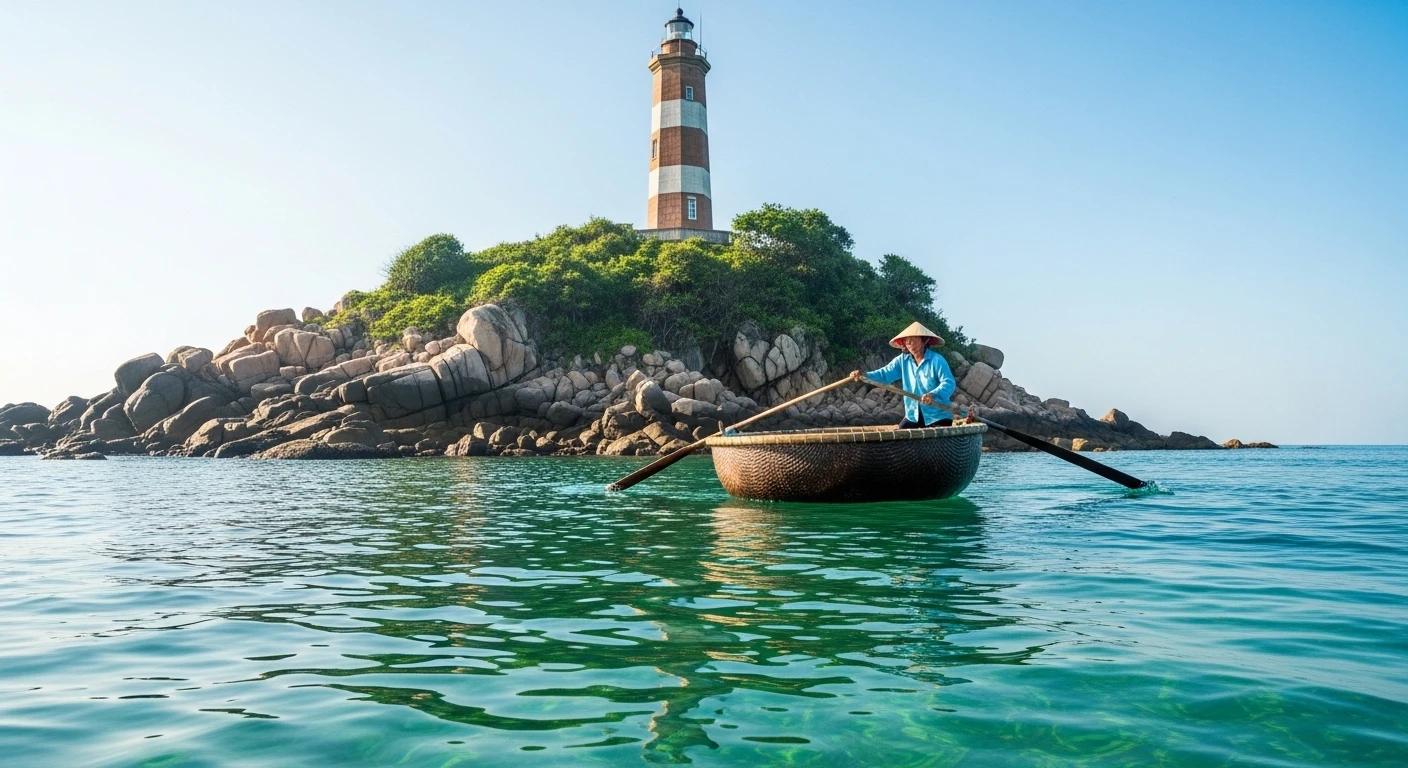
The iconic basket boat, a symbol of coastal life, ferries visitors to the island.
The Basket Boat Ballet: Navigating the Waves
Your adventure truly begins at the water's edge, where local fishermen offer rides in their distinctive round basket boats, known locally as thuyen thung. These buoyant, woven vessels, often made of bamboo and sealed with tar, are a fascinating mode of transport, surprisingly stable once you’re accustomed to their gentle sway.
Negotiating a ride is part of the experience. A few words of Vietnamese, a friendly smile, and a bit of gentle bargaining will set you on your way. As you’re expertly paddled across the relatively short stretch of water – perhaps 15-20 minutes depending on the sea conditions – you'll get your first real sense of the island's isolation and the lighthouse's commanding presence. The salt spray on your face, the rhythmic splash of oars, and the vast blue horizon create a primal connection to the sea that few modern experiences can replicate.
Be aware, however, that the sea can be capricious. On days with rougher conditions, the crossing might be less serene, and landings can require a bit of agility. Local fishermen are adept, but it’s wise to wear footwear that can handle getting wet and provides good grip, and to pack light.
A Granite Giant: The History of Ke Ga Lighthouse
Completed in 1899 by French colonial architects, Ke Ga Lighthouse (also known as Hải Đăng Kê Gà) is a striking structure. Built from granite quarried locally, it stands an impressive 65 meters (about 213 feet) tall, its sturdy, octagonal tower a beacon of enduring architecture. Its primary purpose was to guide ships through the treacherous currents and reefs that dot this coastline, a vital role during the height of French colonial trade and naval presence.
The design is classic colonial French engineering: robust, functional, and built to withstand the elements. Its isolation, perched on a rocky island, speaks to the strategic importance of this location. For over a century, its powerful beam has cut through the darkness, a silent guardian of the sea.
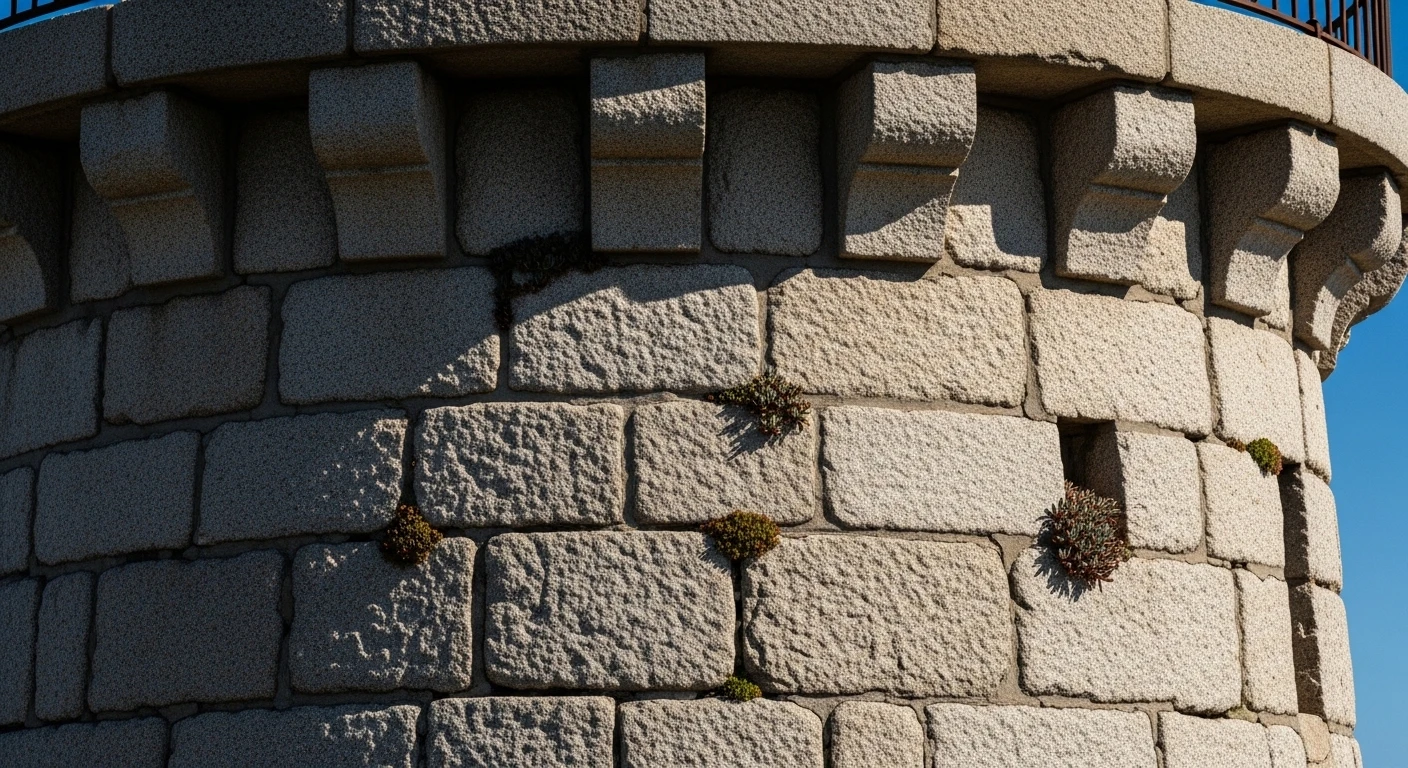
While many lighthouses around the world have been automated or decommissioned, Ke Ga remains an active navigational aid, maintained by the Vietnamese Maritime Administration. This means that while you can climb to the top, you might encounter the resident lighthouse keeper or witness the ongoing efforts to preserve this historic monument.
The Spiral Ascent: Climbing to the Top
The real magic of Ke Ga Lighthouse lies in its interior and, of course, the view from the top. The climb is an experience in itself. Inside the granite walls, a winding spiral staircase beckons. Each step echoes with the footsteps of generations past – French sailors, Vietnamese keepers, and now, curious travelers.
The staircase is narrow and can be a bit challenging, especially in the tropical heat. You’ll pass small windows offering glimpses of the island below and the encroaching sea. The air within the tower can be warm and humid, a stark contrast to the cool sea breeze outside. Take your time, catch your breath, and appreciate the craftsmanship.
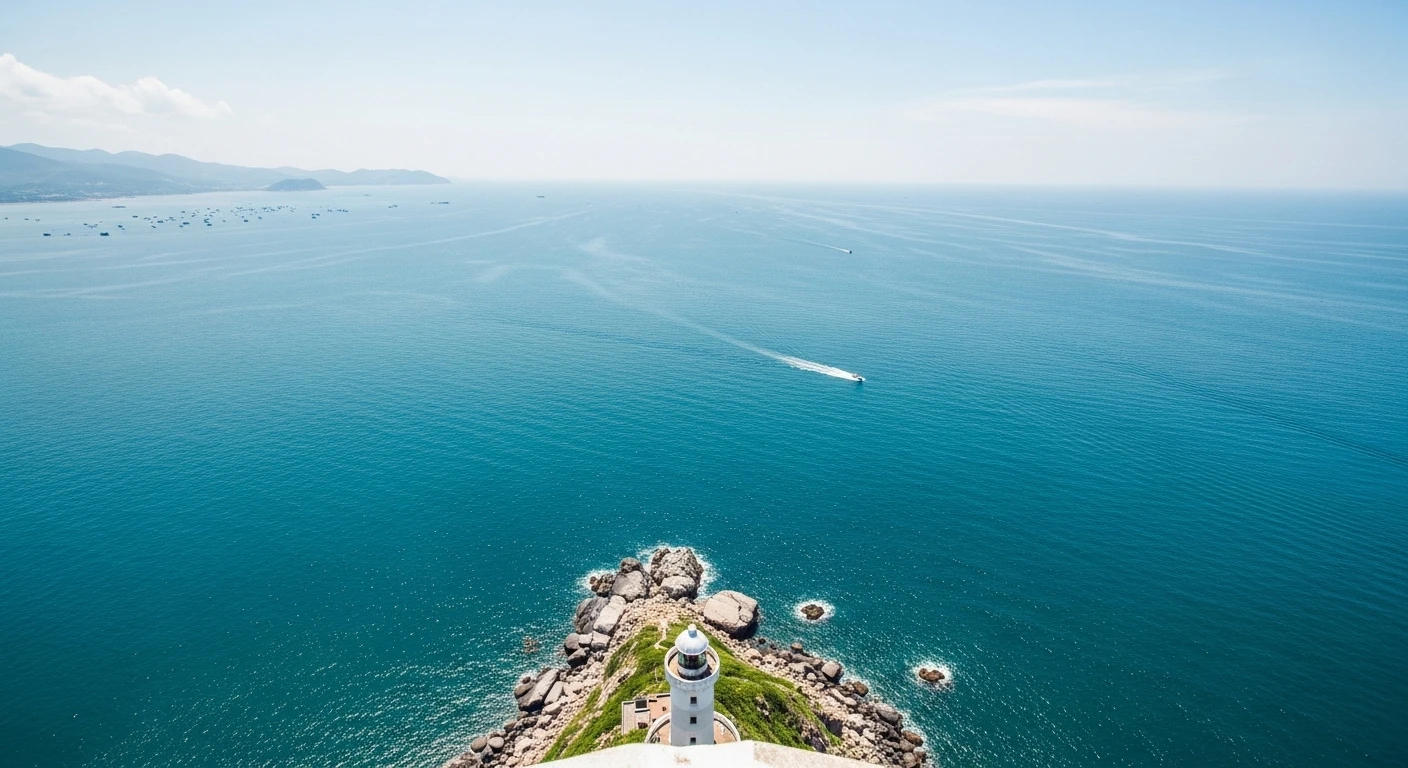
Upon reaching the lantern room, you're rewarded with a breathtaking 360-degree panorama. The vast, uninterrupted expanse of the South China Sea stretches out before you, shimmering under the sun. You can see the coastline stretching south towards Phan Thiet and north towards Mui Ne, dotted with small fishing boats. The rugged beauty of the rocky island itself is laid bare below, a dramatic contrast to the man-made structure. It's a perspective that truly puts the power and scale of the ocean into focus.
Beyond the Lighthouse: The Island's Character
While the lighthouse is the undeniable star, the small island itself has a raw, untamed charm. It's a rugged, rocky landscape, home to hardy coastal vegetation that clings to the sparse soil. You might see seabirds soaring overhead or observe the crashing waves shaping the shoreline.
The island is relatively small, so exploring it doesn't take long. The focus is primarily on the lighthouse and the views it provides. However, taking a moment to simply stand on the rocks, feel the wind, and listen to the symphony of the sea is an essential part of the experience. It’s a place that feels remote, a stark reminder of the raw beauty and power of nature.
Practicalities: Timing Your Visit and What to Expect
Ke Ga Lighthouse is situated in Tan Thuan commune, Ham Thuan Nam district, Binh Thuan province. It’s roughly 30-40 kilometers (about 18-25 miles) northeast of Phan Thiet city and about an hour's drive from the popular tourist hub of Mui Ne.
**Getting There:** The most common way to reach Ke Ga is by private car, taxi, or motorbike from Mui Ne or Phan Thiet. The drive along the coastal road is scenic. Once you arrive at the shore near Ke Ga, you’ll find local fishermen ready to take you to the island by basket boat.
**Best Time to Visit:** The dry season, from roughly December to May, offers the most pleasant weather with calmer seas and less rain, making the boat crossing smoother and the climb more comfortable. However, even in the wet season, a determined traveler can make the trip, though flexibility might be required due to sea conditions. Visiting in the late afternoon can offer spectacular sunset views, but be sure to arrange your return trip with the boatmen before dusk.
**What to Bring:**
- Sun Protection: A hat, sunglasses, and high-SPF sunscreen are essential. The sun exposure is intense, both on the water and at the lighthouse.
- Water: Stay hydrated.
- Comfortable Footwear: Shoes that can get wet and provide good grip are advisable for the boat and the lighthouse stairs.
- Camera: The views are spectacular.
- Cash: For the boat ride and any small purchases.
- Light Clothing: Breathable fabrics are a must.
Beyond Ke Ga: Exploring Binh Thuan's Coastal Charm
A visit to Ke Ga Lighthouse can easily be incorporated into a broader exploration of Binh Thuan province. While Mui Ne is known for its dramatic sand dunes and kite-surfing scene, there's more to discover.
Consider combining your trip with a stop at the nearby Poshanu Cham Towers, a glimpse into the ancient Champa Kingdom's legacy, or exploring the quieter beaches and local fishing villages that dot the coastline. Further south, the city of Phan Thiet offers a glimpse into local life, with its bustling fish market and historical sites. Binh Thuan is a province that rewards those willing to venture beyond the immediate tourist hotspots.
For those intrigued by these historic coastal sentinels, there's more to explore:
Ke Ga Lighthouse: The Oldest Stone Sentinel in Southeast Asia
Built by the French in 1899, this towering granite lighthouse sits on a tiny island off the coast of Binh Thuan. Take a basket boat across the waves to climb its dizzying spiral staircase.
The Enduring Appeal of Vietnam's Coastal Sentinels
In an era of rapidly evolving tourism, there's a profound appeal in places like Ke Ga Lighthouse. It’s a destination that offers not just a view, but an experience. It connects you to history, to the enduring relationship between humanity and the sea, and to the simple, yet profound, beauty of Vietnam's coastline.
It’s a reminder that some of the most rewarding travel moments come not from ticking off a list, but from embracing the journey, the negotiation, and the quiet contemplation that a place like this inspires. The rhythmic crash of waves against the rocks, the salty air, and the steadfast gaze of the lighthouse are etched into memory long after the boat has returned you to the mainland.
Discovering more historical maritime landmarks:
Cu Lao Xanh Lighthouse: The 100-Year-Old Beacon
Built by the French in 1890, this massive stone tower watches over the pristine 'Green Island'. Climb to the top for a 360-degree view of Quy Nhon's untouched archipelago.
A Window to the Past, A View of the Future
Ke Ga Lighthouse serves as more than just a navigational aid; it's a living monument. It bridges the gap between Vietnam's colonial past and its vibrant present, standing as a symbol of endurance against the relentless sea and the passage of time. For travelers seeking authenticity, a touch of adventure, and a panorama that will stay with them, this granite sentinel on a rocky island is an unforgettable destination. It's a journey well worth taking.
Delving deeper into Vietnam's historical architecture:
Po Nagar Cham Towers: Nha Trang's Ancient Hindu Sanctuary
Perched on a granite hill overlooking the fishing boats, these stunning 8th-century red-brick temples honor the goddess of the Champa Kingdom. A cultural marvel amidst the beach resorts.