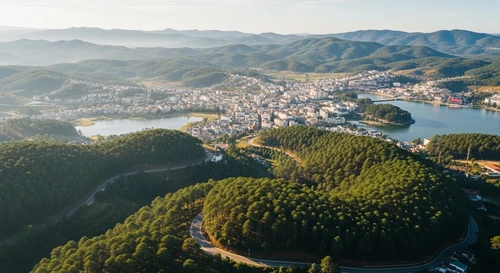
The Call of the Highlands: Kon Tum's Untamed Spirit
Forget the manicured rice paddies and bustling river deltas for a moment. Journey north-west, deep into Vietnam's Central Highlands. This is the frontier. This is Kon Tum province, a land of rolling hills, verdant coffee plantations, and ancestral forests that whisper tales of the indigenous Bahnar and Gia Rai people. It’s a place where the air thins, the landscape expands, and the rhythm of life beats to an ancient drum.
For the intrepid traveler seeking the raw, unvarnished soul of Vietnam, Kon Tum offers a profound departure from the well-trodden tourist paths. Here, architecture is crafted from the earth, communities gather in communal longhouses, and the jungle itself provides sustenance in ways that will both astound and challenge you. This is not just a destination; it’s an immersion.
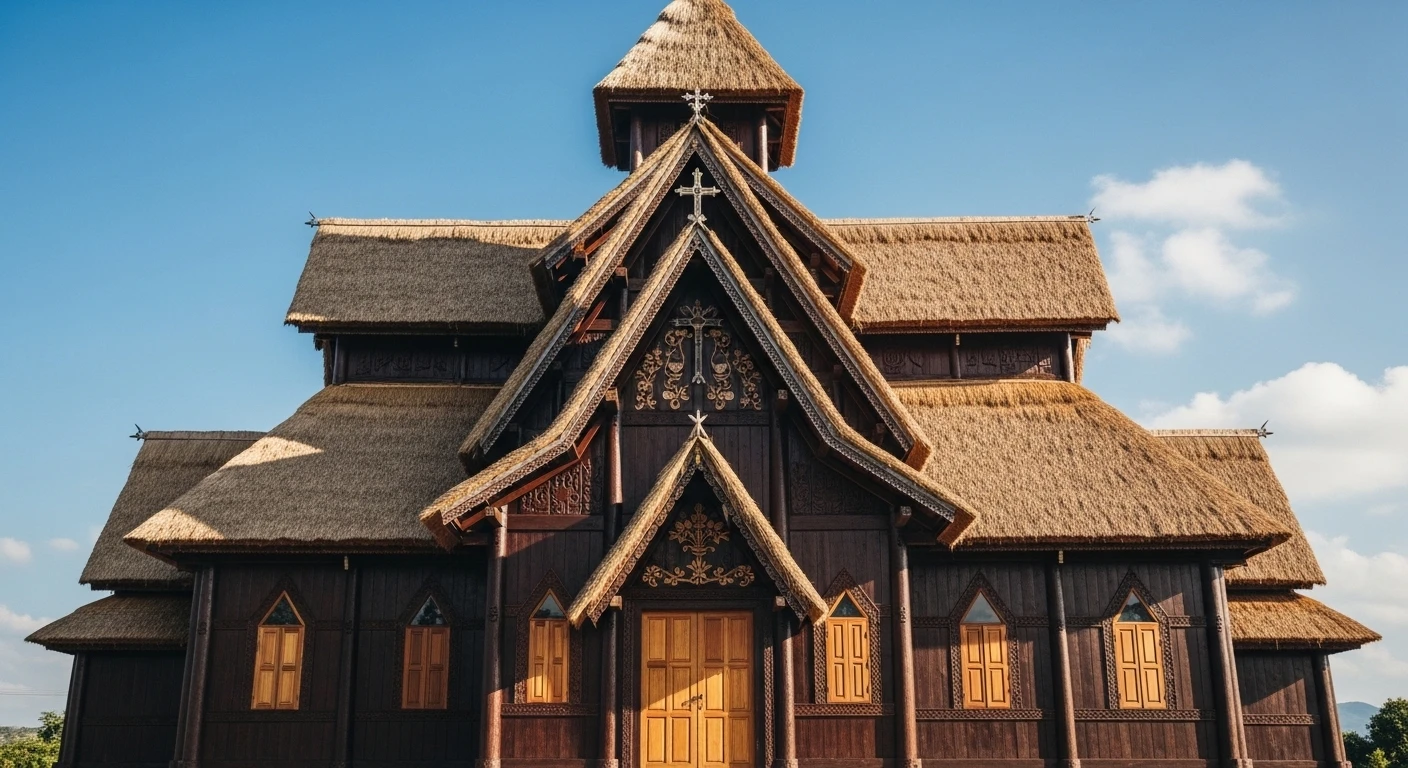
The historic Kon Tum Wooden Church: a testament to faith, craftsmanship, and enduring heritage.
A Cathedral of Trees: The Kon Tum Wooden Church
Our journey begins in Kon Tum town itself, with a structure that defies expectation: the Kon Tum Roman Catholic Church, affectionately known as the Wooden Church. Built over a century ago by Bahnar and Gia Rai craftsmen, this isn't just a church; it's a masterpiece of vernacular architecture. Imagine a cathedral constructed entirely from local timber, without a single nail in sight, its soaring roofline echoing the traditional stilt houses of the region.
Stepping inside is like entering a hallowed grove. The warm, polished wood, intricately carved with indigenous motifs alongside Christian symbols, creates an atmosphere of profound peace and reverence. It’s a breathtaking fusion of European missionary design and the deep-rooted artistic traditions of the Central Highlands. This church stands as a powerful symbol of cultural confluence, a place where different worlds met and, against all odds, created something uniquely beautiful. Don't miss the adjacent Bishop's House and the traditional R'ông house, further enhancing the cultural tapestry.
Into the Wild: Bahnar Villages and Suspension Bridges
The true heart of Kon Tum lies beyond the town, in the scattered villages of the Bahnar people. To reach them often requires venturing onto paths less traveled, sometimes traversed by precarious suspension bridges that sway over gentle rivers or deep ravines. These bridges, often simple structures of wood and rope, are more than just a means of crossing; they are an initiation, a symbolic step into a different way of life.
As you approach a Bahnar village, the first thing you'll likely notice is the communal longhouse, or "R'ông". These magnificent structures, some standing over 15 meters tall, are the spiritual and social centers of village life. Their dramatic, blade-like thatched roofs, often adorned with intricate carvings and effigies, speak of community, celebration, and governance. Here, elders share wisdom, young couples are married, and festivals are held. Visiting a R'ông is an honor, a glimpse into the collective spirit of the Bahnar people. Respectful observation and genuine curiosity are your best passports.
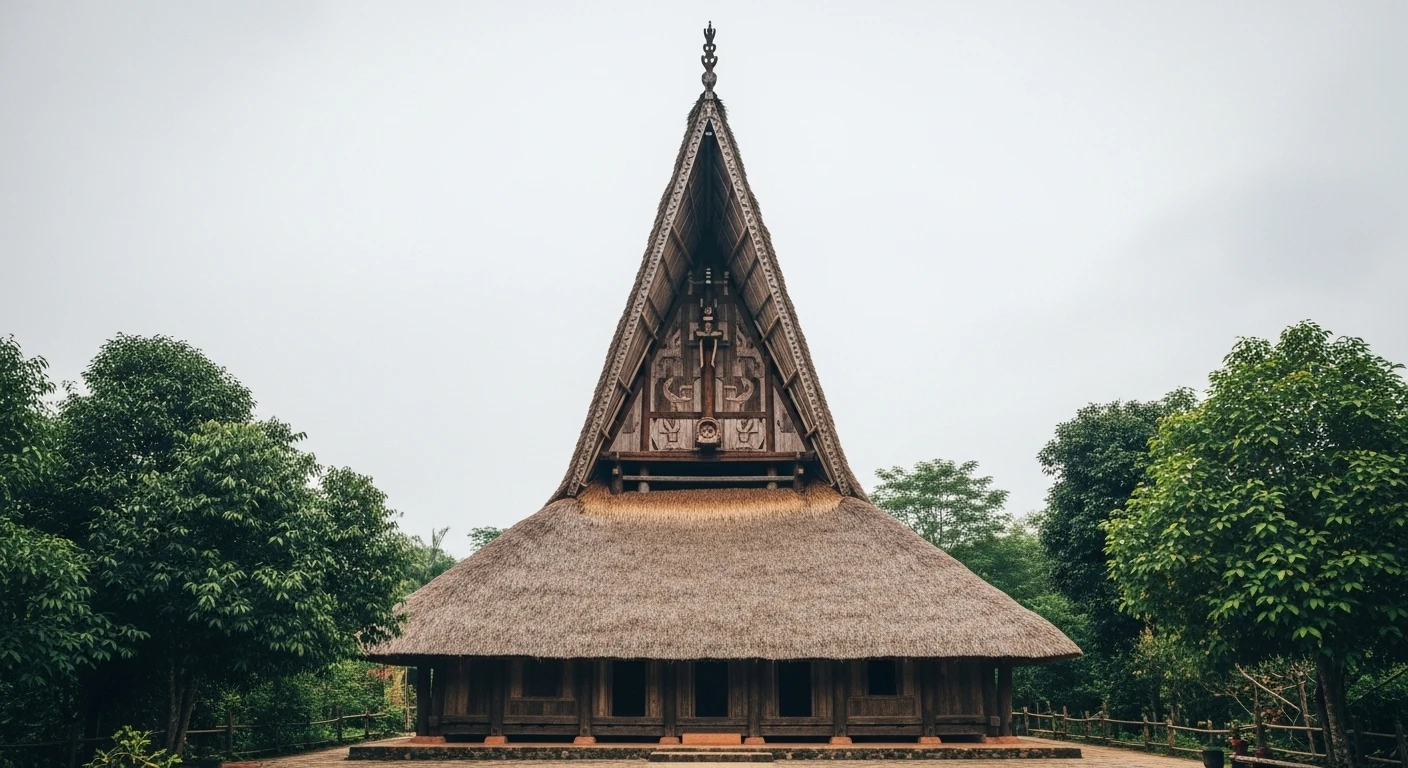
The impressive R'ông communal house, a central pillar of Bahnar village life.
A Symphony of Greens: The 40-Leaf Jungle Salad
Now, let's talk food. And in Kon Tum, "food" can take on entirely new, mind-bending dimensions. Prepare yourself for the legendary "40-leaf jungle salad." This isn't your average side dish; it's a culinary expedition into the wild heart of the Central Highlands. Imagine a plate piled high with what looks like an impossible variety of leaves – some familiar, many utterly alien to the Western palate.
Local guides and villagers will lead you on a foraging adventure, identifying edible leaves, shoots, and herbs from the surrounding forests and hillsides. There are leaves that taste faintly of mint, others with a peppery bite, some that are surprisingly sweet, and a few that offer a subtle, earthy bitterness. The sheer diversity is astonishing. The magic happens when these raw ingredients are artfully combined with a savory dressing, often featuring fish sauce, lime, chili, and perhaps some toasted peanuts or crushed ants for an extra protein crunch. The result is a salad that is simultaneously fresh, complex, and profoundly wild. It’s a taste of the forest floor, a direct connection to the land and its bounty. This is not for the faint of heart, but for the adventurous eater, it is an unforgettable experience.

The exotic and delicious 40-leaf salad, a testament to the rich biodiversity of the Central Highlands.
Pine Scented Peace: The Retreat to Mang Den
While Kon Tum town offers cultural insights, the surrounding highlands are a natural playground. A short drive away lies Mang Den, often dubbed "Little Da Lat" for its cooler climate and stunning pine forests. This plateau offers a refreshing escape from the tropical heat and a chance to connect with nature on a different scale.
Winding roads lead through dense forests, opening up to serene lakes and rolling hills dotted with coffee and pepper farms. Here, you can hike through the whispering pines, visit local ethnic minority villages (often different from the Bahnar, such as the Sedang), and savor the local produce. The air is crisp, the views are panoramic, and the pace of life slows to a tranquil crawl. It’s the perfect place to reflect on the rugged beauty and profound cultural experiences Kon Tum has to offer.
Explore More Highland Adventures

Flee the heat and the crowds. Drive through winding roads lined with virgin pine forests to a chilly, misty plateau in Kon Tum. Sip local coffee and eat bamboo-tube rice.
Navigating the Frontier: Getting to Kon Tum
Reaching Kon Tum requires a bit of planning, but it's well worth the effort. The most common entry point for international travelers is via Tan Son Nhat International Airport (SGN) in Ho Chi Minh City. From Ho Chi Minh City, you have a couple of main options to get to Kon Tum:
- By Air: Fly from Ho Chi Minh City to Pleiku Airport (PXU). This is the closest major airport to Kon Tum. Flights are frequent and take approximately 1 hour to 1 hour 20 minutes.
- By Bus/Car: From Pleiku, it's a scenic drive of about 2 to 3 hours to Kon Tum town. You can hire a private car or take a local bus. There are also direct overnight buses from Ho Chi Minh City to Kon Tum, which is a longer journey (around 9-11 hours) but can be an experience in itself.
Once in Kon Tum, getting around to see the Wooden Church, Bahnar villages, and surrounding attractions is best done by hiring a local driver or joining a guided tour. Many local operators can arrange transport, guides who speak indigenous languages, and even foraging trips. Given the frontier nature of the region, having a local guide significantly enhances the experience, providing cultural context and ensuring respectful interactions.
Respecting the Traditions: Essential Etiquette
Kon Tum is a land rich in cultural heritage, and interacting with its indigenous communities requires sensitivity and respect. Here are a few guidelines to ensure your visit is a positive one for both you and the locals:
- Ask Permission: Before taking photos of people, especially elders or children, always ask for their permission. A smile and a gesture can go a long way.
- Dress Modestly: While not overly strict, it’s advisable to dress respectfully, especially when visiting villages or religious sites. Avoid revealing clothing.
- Gifts: If you wish to offer a gift, small practical items like notebooks, pens, or sweets for children are generally appreciated. Avoid giving money directly unless guided by a local contact.
- Observe, Don't Interfere: When visiting communal houses or observing daily life, do so with quiet observation. Avoid loud noises or intrusive behavior.
- Engage with Guides: Local guides are invaluable not just for navigation but for understanding cultural nuances and facilitating respectful interactions.
The Bahnar and other indigenous groups are known for their hospitality, and by approaching their culture with an open heart and genuine respect, you'll find your journey to Kon Tum to be incredibly rewarding.
Beyond the Nails: Indigenous Architectural Ingenuity
The Kon Tum Wooden Church is a prime example, but the architectural prowess of the Central Highlands' indigenous peoples extends far beyond. Their traditional houses, particularly the R'ông communal houses and the stilt homes, are marvels of engineering and artistry, deeply intertwined with their cosmology and daily life.
The construction techniques, passed down through generations, utilize natural materials with incredible efficiency. The use of bamboo for structural elements, thatched roofs for insulation and waterproofing, and the overall design that harmonizes with the environment are testaments to their profound understanding of local resources. Even without modern tools or materials like nails, they create structures that are both beautiful and enduring. Exploring these villages offers a living lesson in sustainable architecture and the deep connection between people, craft, and the natural world.
Discover More Unique Structures

Standing over 15 meters tall with a dramatic, blade-like thatched roof, the communal house is where Central Highland tribes drink, celebrate, and govern.
Beyond the Leaves: Other Wild Encounters
While the 40-leaf salad is a star, Kon Tum’s wild culinary scene can offer even more surprising encounters. Depending on the season and your guide’s adventurous spirit, you might encounter dishes prepared with local insects, unconventional cuts of wild game, or unique river creatures. These aren't just oddities; they are often traditional foods born out of necessity and deep knowledge of the local ecosystem.
Think of grilled forest rats, seasoned with local spices, or fermented river fish prepared in traditional earthenware pots. While these might sound extreme, they represent a direct link to the subsistence lifestyles of the region’s past and present. For the truly adventurous palate, engaging with these "bizarre" foods is an unparalleled opportunity to understand the resilience and resourcefulness of the highland communities. It’s a reminder that "exotic" is often just a matter of perspective.
Dare to Explore the Unusual

Riding the loop? Know where to stop. Sleep in Dong Van's ancient town, conquer the Ma Pi Leng pass, and dare to try the infamous horse stew.
The Enduring Spirit of Kon Tum
Kon Tum is more than just a dot on the map; it's a feeling. It's the scent of woodsmoke curling from R'ông houses, the cool, crisp air of the highlands, the vibrant green of a meticulously prepared jungle salad, and the quiet dignity of the Bahnar people. It's a place that reminds you of the raw beauty of nature and the enduring strength of human culture.
The journey here is an adventure, a step back in time, and a profound lesson in humility and respect. From the silent grandeur of the wooden church to the bold flavors of the forest, Kon Tum offers a Vietnam that few travelers experience, yet one that will leave an indelible mark on your soul. It’s a true frontier, not just in geography, but in the spirit of discovery.
Ready for Adventure?
Discover the authentic heart of Vietnam's Central Highlands.
🇻🇳 Explore the Highlands