The Southernmost Tip: Where Vietnam Meets the Sea
There are places that mark the edge of a map, and then there are places that feel like the very end of the world. Ca Mau Cape, or Mui Ca Mau, is one such place. Here, at the literal southern tip of Vietnam, the land gives way to an intricate, sprawling network of waterways, mangrove forests, and coastal plains. It’s a geography forged by water, mud, and relentless tropical sun, a landscape unlike any other in the country.
This is the Mekong Delta at its most raw and untamed. The air hums with the chirping of unseen insects, the lazy buzz of motorboats, and the faint, ever-present scent of salt and damp earth. To stand here is to feel a profound connection to the forces of nature that have shaped not just this land, but the livelihoods and culture of the people who call it home.
The journey to Ca Mau is a rite of passage for those seeking the authentic soul of Vietnam’s south. It's a world away from the manicured rice paddies of the upper delta or the bustling streets of Ho Chi Minh City. This is a realm of resilient ecosystems and curious creatures, a place that demands you slow down, breathe it in, and embrace the wild.
Into the Emerald Labyrinth: The Ca Mau Mangrove Forests
The heart of the Ca Mau experience lies within its UNESCO World Biosphere Reserve. These aren't just any trees; they are mangroves, masters of the brackish intertidal zone. Their tangled roots, a complex architecture designed to anchor them in soft mud and breathe in the oxygen-poor soil, form dense, protective walls.
The best way to experience this is by boat. Whether you opt for a swift motorboat that cuts through wider channels or a small, hand-paddled sampan that glides silently through narrow, overgrown tunnels, the immersion is total. Sunlight filters through the dense canopy, dappling the water in shifting patterns of emerald and gold. The silence is broken only by the splash of an oar, the call of a bird, or the distant putter of a boat engine.
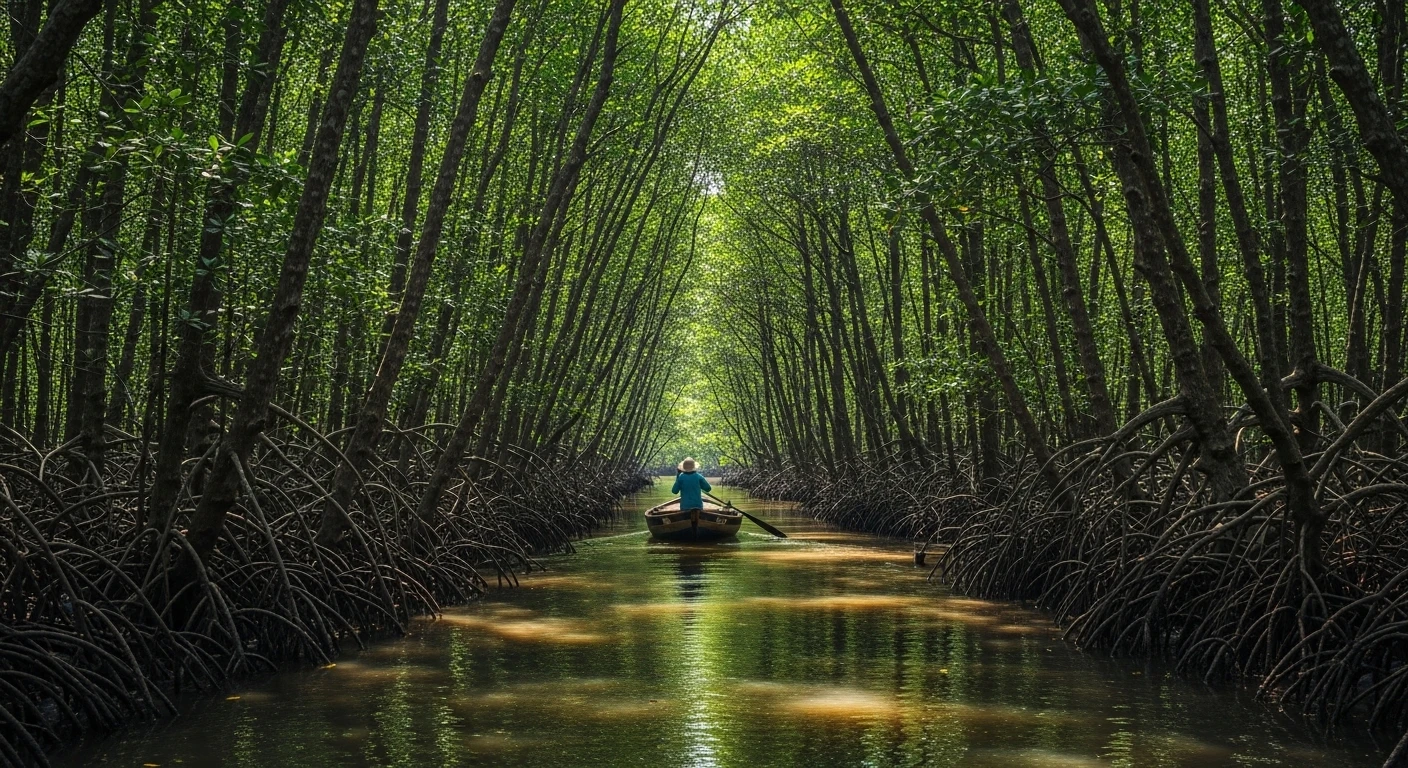
These forests are not just ecosystems; they are nurseries. They shelter a rich biodiversity, from countless species of fish and crustaceans that thrive in their protective embrace to a vibrant array of birds. Keep your eyes peeled for monkeys darting through the branches or the tell-tale ripples of a fish making its escape. It’s a living, breathing testament to the power of nature to adapt and thrive in challenging environments.
The Land-Walker: Encountering the Peculiar Mudskipper
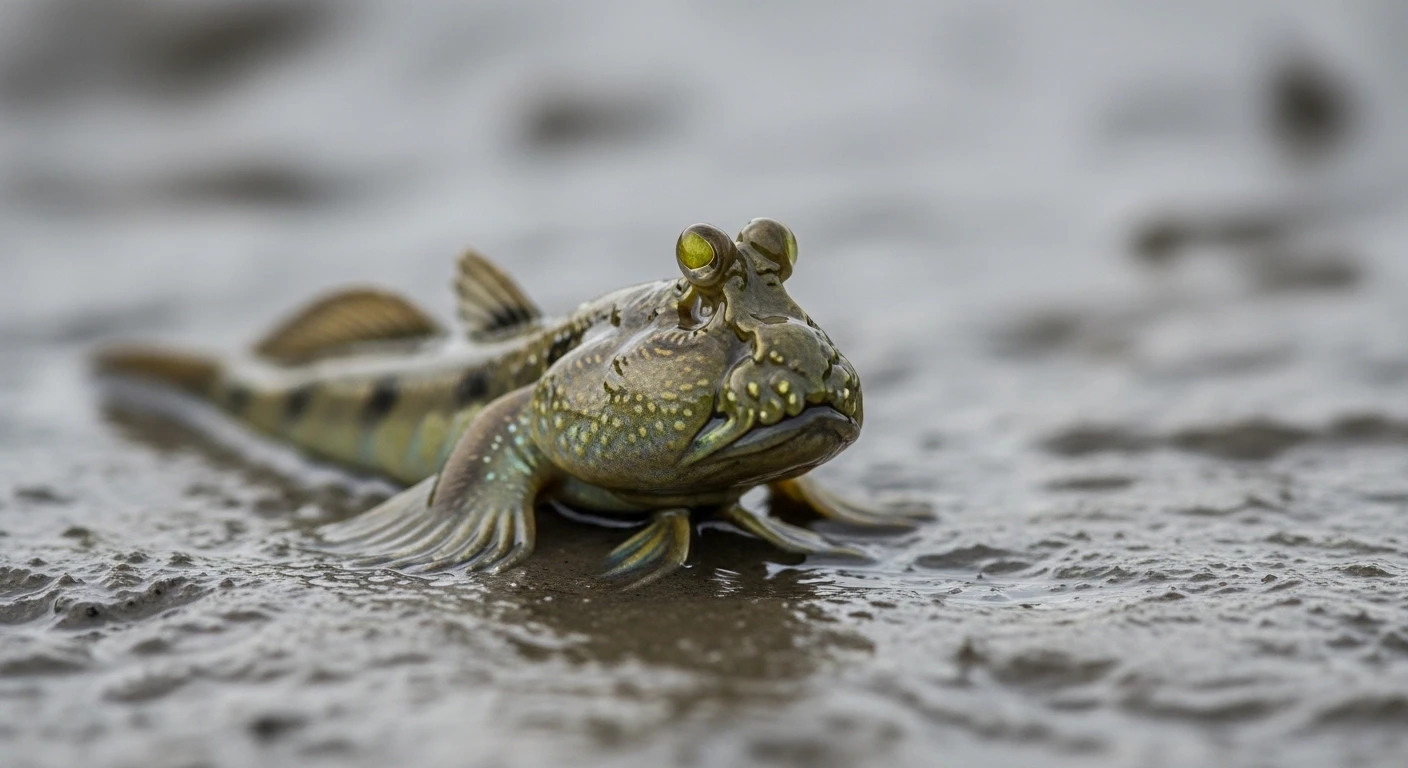
If the mangroves are the stage, the mudskipper is undoubtedly the star performer in this surreal aquatic theater. These are not your average fish. With their bulging, independently swiveling eyes perched atop their heads, and their pectoral fins that function more like rudimentary legs, mudskippers are the undisputed champions of amphibious locomotion in the intertidal zone.
Witnessing them is an education in evolutionary adaptation. They flop, wriggle, and "walk" across the mudflats, often engaging in territorial disputes or basking in the sun, their gills moist and their skin slick. They are a visual metaphor for Ca Mau itself – a place where the lines between land and sea, life and survival, are beautifully blurred. Their very existence challenges our conventional understanding of aquatic life, making them one of the most fascinating inhabitants of the Mekong.
From Mudflat to Grill: The Ca Mau Delicacy
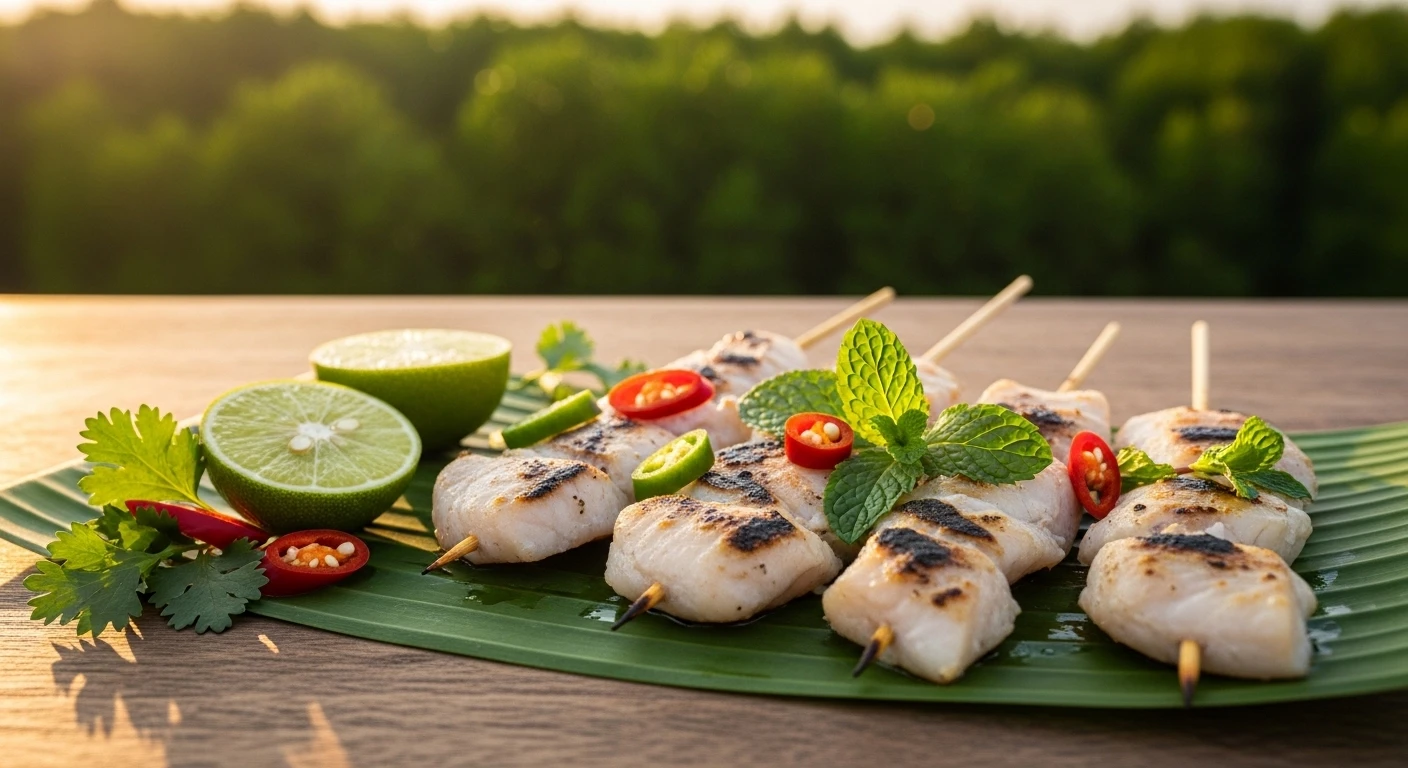
For the adventurous palate, Ca Mau offers a truly unique culinary encounter: grilled mudskipper. This isn't a dish you'll find on every tourist menu, and that's precisely its charm. It’s an authentic taste of local life, a bold statement from a region that embraces its peculiar bounty.
The preparation is usually simple, designed to highlight the fish's natural flavors, which are often described as robust, slightly gamey, and distinctively "of the mud." The mudskippers are typically skewered or placed directly on a grill over hot coals. As they cook, the skin crisps, and the flesh becomes flaky and moist. They are often served with a dipping sauce – a zesty blend of lime, chili, and perhaps a touch of fish sauce – and fresh herbs, providing a perfect counterpoint to the richness of the fish.
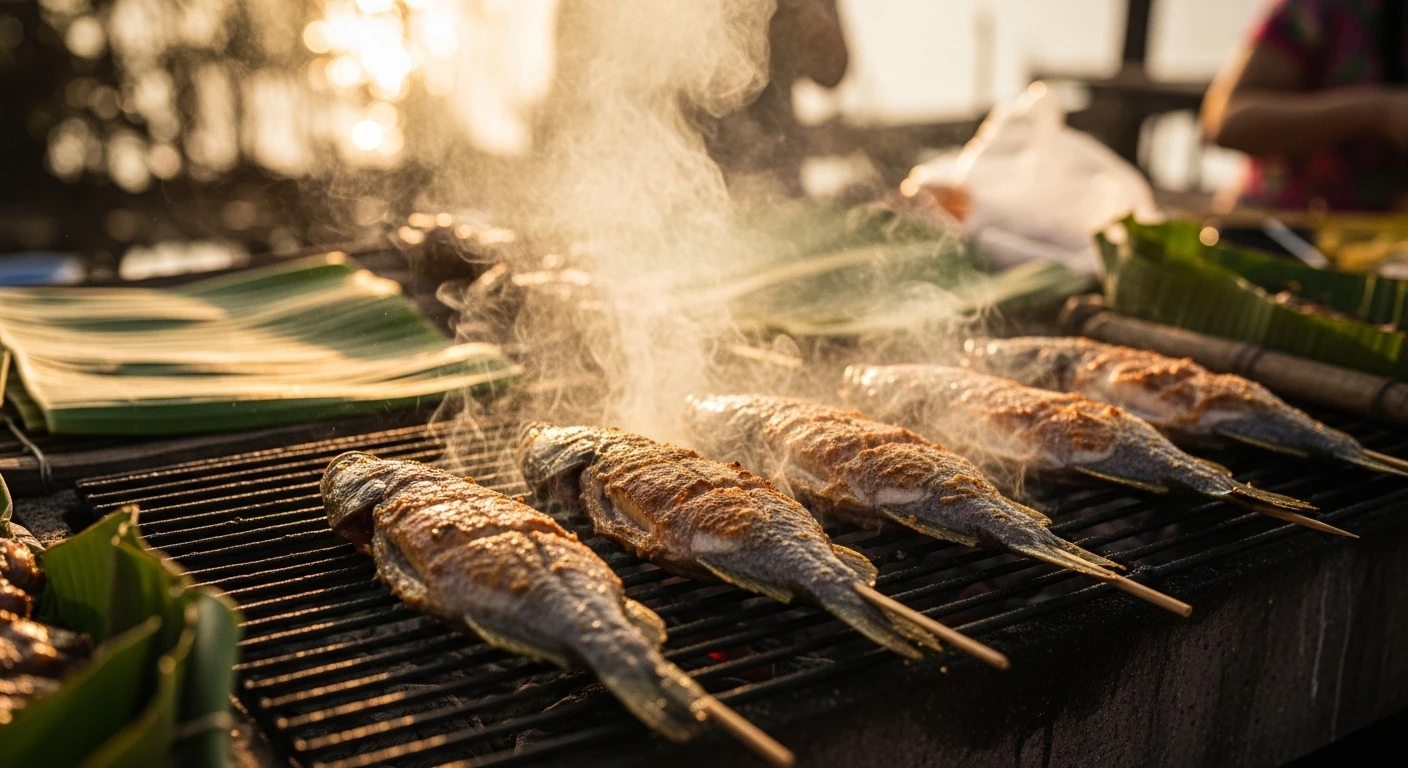
Eating grilled mudskipper is more than just a meal; it's an experience. It's about appreciating the resourcefulness of the local people, their deep connection to the mangrove ecosystem, and their willingness to transform even the most unusual creatures into a culinary delight. It’s a taste that lingers, a memory of the very edge of Vietnam.
Getting to the Edge: A Journey to Ca Mau
Reaching Ca Mau requires a commitment, a journey into the heart of the Mekong Delta. Most travelers begin their journey from Ho Chi Minh City.
- From Ho Chi Minh City to Ca Mau City: The most common route is by bus. Numerous companies operate comfortable sleeper buses daily. The journey takes approximately 6-8 hours, winding through the flat, fertile landscapes of the Mekong.
- From Ca Mau City to Mui Ca Mau: Once you reach Ca Mau City, the administrative center, you’ll need to arrange further transport to the cape itself. This typically involves hiring a private car or taking a local bus towards the coastal towns like Dat Mui. However, the final stretch to the iconic "Mui Ca Mau" landmark (often a prominent signpost or monument marking the southernmost point) is best accessed by boat. Local boat services or hired private boats from nearby piers will navigate you through the mangrove channels.
The travel itself is part of the adventure, offering glimpses into local life along the canals and rivers. Be prepared for humidity and a slower pace of life once you arrive. The effort is richly rewarded with the unique landscape and the thrill of standing at Vietnam's geographical extreme.
Living on the Water: Ca Mau's Coastal Communities
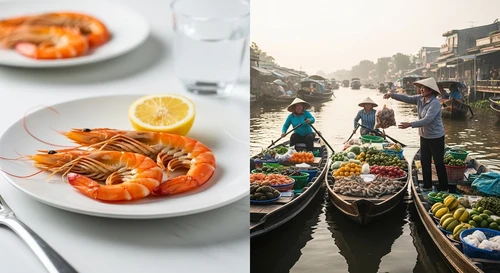
The communities in Ca Mau are intimately tied to the water. Life revolves around fishing, aquaculture (particularly shrimp farming), and the harvesting of mangrove resources. You'll see stilt houses perched precariously over canals, boats doubling as transport and shops, and a general rhythm dictated by the tides and the seasons.
Accommodation options directly at the southernmost point are limited, often consisting of basic guesthouses or homestays that offer an authentic, if rustic, experience. Many visitors choose to stay in Ca Mau City or nearby coastal towns and take day trips to the cape and its surrounding mangrove areas. Whichever you choose, expect a warm welcome from the locals, who are accustomed to visitors but still hold a strong sense of pride in their unique corner of Vietnam.
A Bounty of the Delta: More Than Just Mudskippers
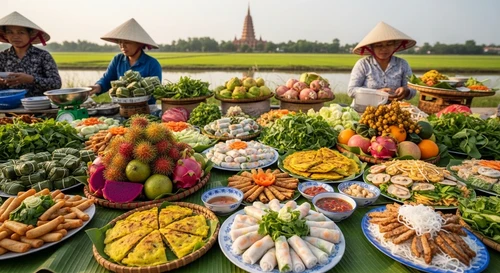
While the grilled mudskipper is a signature dish, the Ca Mau region, like the wider Mekong Delta, is a treasure trove of fresh seafood and agricultural produce.
Shrimp: Ca Mau is a major producer of high-quality shrimp, particularly Black Tiger shrimp, renowned for their size and flavor. These are prepared in countless ways – grilled, steamed, in soups, or stir-fried.
Crab: The coastal waters teem with delicious crab. Steamed crab, served with a lime-salt-pepper dip, is a local favorite.
Fish: Freshwater fish from the delta's complex river system are also a staple. Dishes like grilled Snakehead fish (Ca Loc Nuong) wrapped in banana leaves are a must-try.
And of course, no Mekong meal is complete without fresh tropical fruits, fragrant herbs, and the indispensable Vietnamese fish sauce (nuoc mam).
A Land Shaped by Water: Culture and Livelihood
The geography of Ca Mau profoundly influences its culture. The constant presence of water means that boats are the primary mode of transport, canals serve as the main arteries of daily life, and a deep respect for the natural environment is paramount.
The people here are resilient and resourceful, having adapted to living in a dynamic, often challenging, environment. Their livelihoods are directly tied to the health of the mangrove forests and the productivity of the sea and rivers. This connection fosters a strong sense of community and a practical, down-to-earth approach to life. Festivals and daily life are often marked by the cycles of the water and the bounty it provides.
Navigating Your Ca Mau Adventure: Essential Tips
- Best Time to Visit: The dry season (December to April) offers pleasant weather, though it can be hot. The wet season (May to November) brings lushness but also potential for heavy rains.
- What to Pack: Light, quick-drying clothing, a hat, sunglasses, strong insect repellent, sunscreen, and comfortable walking shoes or sandals. A waterproof bag for electronics is highly recommended.
- Language: Vietnamese is the official language. While some tourist-oriented guides or operators may speak basic English, learning a few Vietnamese phrases can greatly enhance your interactions.
- Currency: The Vietnamese Dong (VND). Cash is king, especially in smaller towns and for boat trips.
- Respect Local Customs: Dress modestly when visiting villages or temples. Ask permission before taking photos of people.
- Be Adventurous: Embrace the local cuisine. Trying grilled mudskippers, fresh shrimp, and local fish is part of the authentic Ca Mau experience.
A Lasting Impression: The Soul of the Southernmost Point
Ca Mau is more than just a geographical marker; it's a state of mind. It’s a place that reveals the resilience of nature and the deep symbiosis between humans and their environment. Standing at the southernmost point of Vietnam, surrounded by the whispering mangroves and the scent of salt and earth, you gain a unique perspective on the country's diverse landscapes and the enduring spirit of its people.
Whether you're drawn by the allure of unusual wildlife like the mudskipper, the tranquility of the mangrove tunnels, or simply the desire to reach the very end of the line, Ca Mau offers an unforgettable adventure. It’s a reminder that the most rewarding journeys often lead us to the most unexpected corners of the earth, where life thrives in its most elemental forms.
Explore More Delta Wonders
 Venture into the Dark, Peat Swamp Forests of U Minh Thuong