The Sleeping Giant Awakens: Gia Lai's Fiery Past, Floral Present
Vietnam is a land sculpted by fire and water, a place where ancient geological forces have created landscapes of breathtaking beauty. While its coastline and rivers often steal the spotlight, the country's interior highlands hold their own dramatic secrets. High in Gia Lai province, an extinct volcano named Chu Dang Ya lies dormant, its massive crater not a void of ash, but a vibrant tapestry woven by nature and human hands.
For most of the year, Chu Dang Ya presents a unique profile: a vast, bowl-shaped caldera carpeted in rich, red lateritic soil, dotted with the geometric precision of patchwork farms. Coffee, pepper, and various vegetables flourish here, testament to the fertile earth. But come November, this stoic landscape undergoes a breathtaking metamorphosis. The volcano's slopes and crater floor erupt in a riot of gold, transforming into what can only be described as a "sea of wild sunflowers." This is Chu Dang Ya's annual, unmissable spectacle.
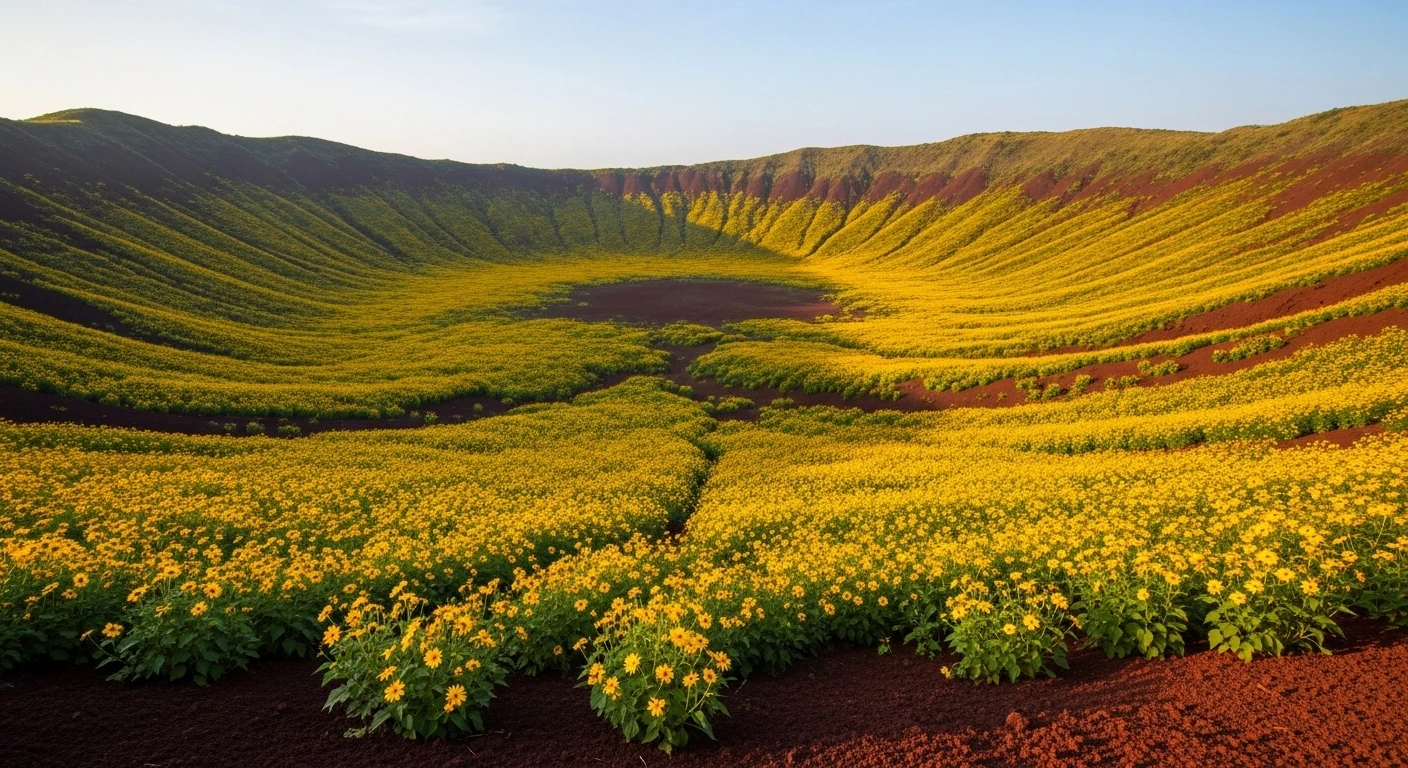
The spectacular transformation of Chu Dang Ya volcano in November, blanketed in wild sunflowers.
The Earth's Artistry: From Fiery Eruptions to Golden Blooms
Chu Dang Ya (sometimes spelled Chư Đang Ya) is part of the Central Highlands' volcanic chain, a region shaped by millennia of geological activity. While its last eruption is a distant memory, the legacy remains in the dramatic topography. The volcano's caldera, a vast natural amphitheater, offers a perfect microclimate for certain flora. The deep red soil, rich in minerals, is a farmer's dream for many crops.
The "wild sunflowers" that paint the crater are known locally as 'Da Quy' (Tagetes erecta), though these aren't the cultivated, giant varieties often seen in flower festivals. These are hardier, more naturalized blooms that thrive in the volcanic soil, their intense yellow hue a vibrant contrast to the deep red earth. The sheer density of their bloom in November is what creates the illusion of an endless golden ocean stretching across the volcanic slopes. It’s a natural phenomenon that draws photographers and nature lovers from across Vietnam and beyond.
The Fleeting Golden Tide: When to Witness the Magic
The window to witness Chu Dang Ya in its full sunflower glory is relatively short. The peak blooming season typically falls in November. This is when the highlands begin to shed their rainy-season cloak, the air becomes crisp, and the 'Da Quy' flowers reach their zenith.
Arriving too early might mean catching only the first hints of gold, while arriving too late could mean the petals have begun to wilt. Local knowledge suggests that mid-November often offers the most spectacular display, though weather patterns can influence the exact timing year by year. Planning your trip during this specific month is crucial if sunflowers are your primary goal. The surrounding Gia Lai province, with its own natural beauty, offers plenty to explore before or after your volcanic flower pilgrimage.
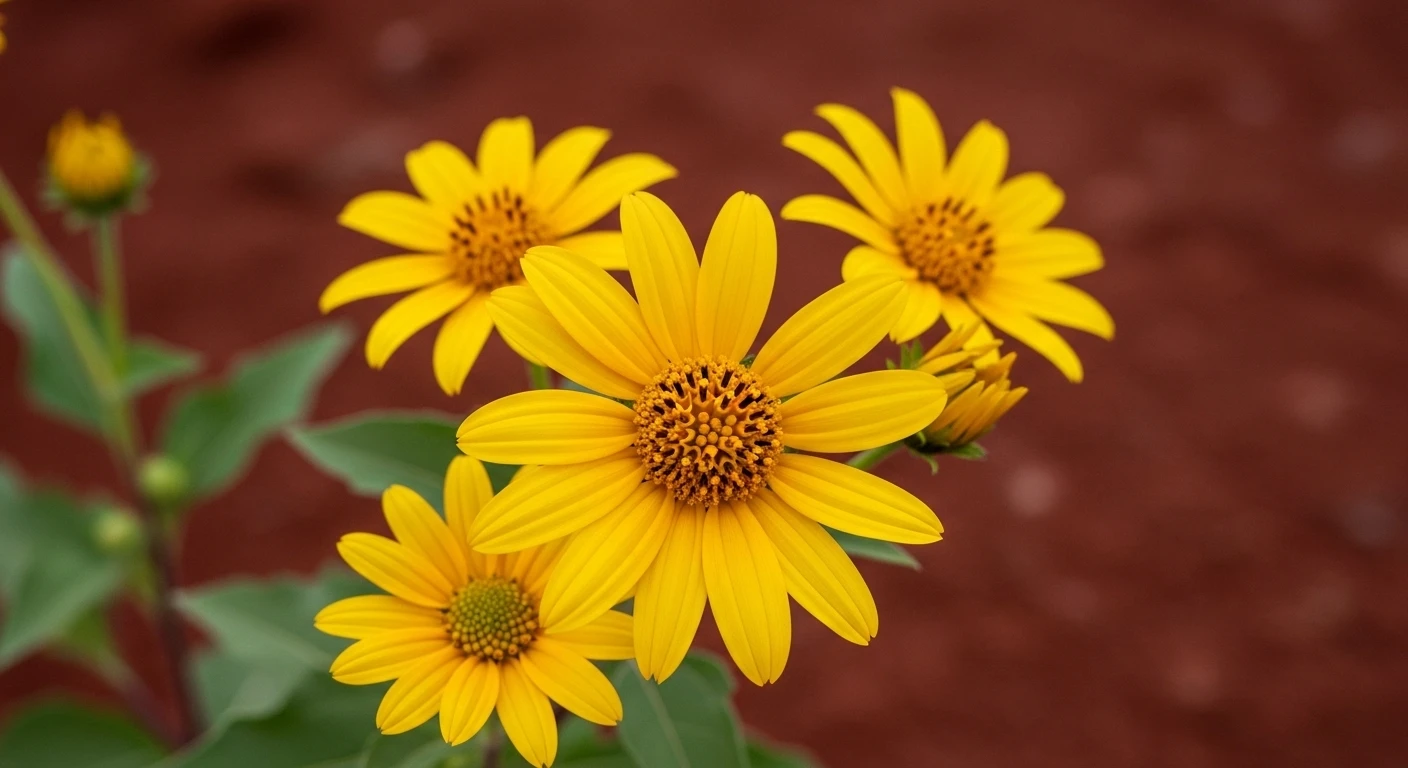
The intense yellow of the 'Da Quy' flowers against the striking red soil is an unforgettable sight.
The Journey Inward: Reaching Chu Dang Ya
Chu Dang Ya volcano is located in Chu Pah district, about 30 kilometers northeast of Pleiku, the provincial capital of Gia Lai. Getting there requires a bit of an adventure, typical of many off-the-beaten-path destinations in Vietnam's highlands.
The most common route is to fly into Pleiku Airport (PXU). From there, you can hire a private car or motorbike taxi to take you towards Chu Dang Ya. The roads leading to the volcano are a mix of paved and unpaved surfaces, especially as you get closer to the crater. The journey itself is part of the experience, winding through rolling hills, coffee plantations, and traditional ethnic minority villages.
It's advisable to arrange transport in advance, especially if you're visiting during peak sunflower season, as demand will be high. You can often arrange a day trip from Pleiku that includes transportation and perhaps a local guide who can share insights into the volcano's history and the local culture. Be prepared for bumpy roads and potentially humid conditions, even in November.
Stepping Into the Bowl: Life on the Volcanic Floor
Once you arrive at Chu Dang Ya, the true immersion begins. Visitors can descend into the caldera, walking among the towering sunflowers. The scale of the volcano is impressive; the crater floor is vast, and the surrounding slopes are steep. You'll see locals tending to their crops, their fields creating a mosaic of greens, browns, and the dominant yellow.
Don't just focus on the sunflowers. Take time to observe the way of life here. The red soil is not just for flowers; it's the lifeblood for coffee, cassava, and other produce. You might encounter local ethnic minority communities, such as the J'Rai people, who have lived in this region for generations. Their vibrant culture is an integral part of Gia Lai's identity. Interacting with them, even with language barriers, offers a deeper understanding of the land and its people.
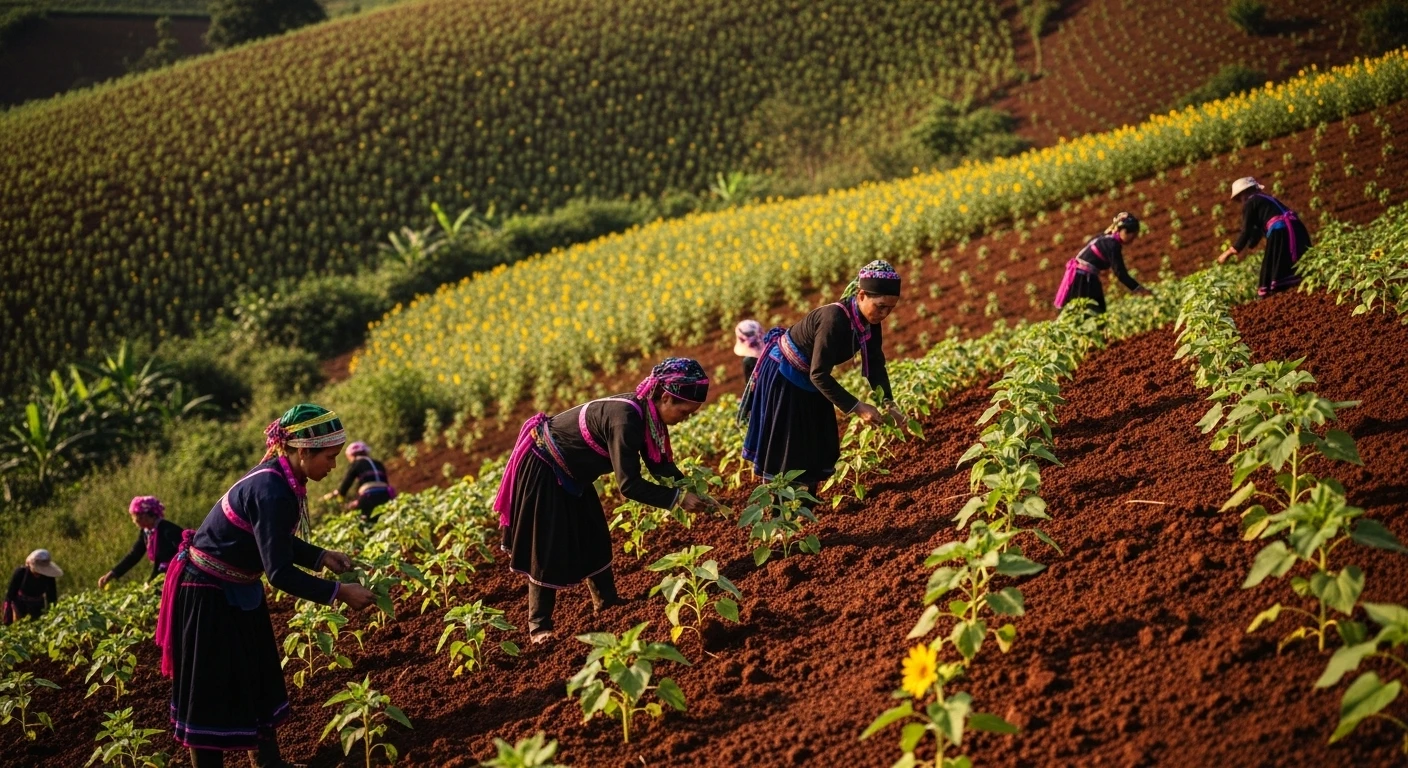
The red soil is fertile ground for both wild sunflowers and cultivated crops, supporting local livelihoods.
Highland Harvests: Culinary Delights of Gia Lai
The Central Highlands offer a distinct culinary experience, different from the coastal or delta regions. Gia Lai's cuisine is characterized by hearty, earthy flavors and the abundance of locally grown produce, especially coffee and pepper.
While you're in the Chu Dang Ya area, look for opportunities to try local specialties. Simple, fresh dishes often highlight the quality of ingredients. Gia Lai coffee is renowned for its rich aroma and bold flavor, a must-try for any coffee aficionado. Local markets might offer dried peppers, specialty spices, or fresh produce. Don't shy away from trying regional dishes; they often feature ingredients like mountain vegetables, local meats, and unique regional preparations. For a truly authentic experience, seek out food stalls or small eateries that cater to locals, where the flavors are most genuine.

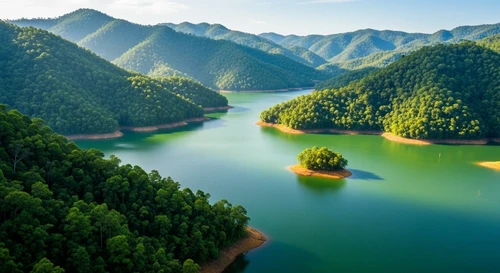
Bien Ho (Sea Lake): The Volcanic Eye of Pleiku
A vast, perfectly oval crater lake left behind by an extinct volcano. Walk the pine-lined suspension bridge and discover the deep, pristine 'Eyes of the Central Highlands'.
Read MoreA Photographer's Dream: Chasing the Golden Hour
Chu Dang Ya is a photographer's paradise, especially during the sunflower season. The stark contrast between the vibrant yellow blooms and the rich red volcanic soil creates a dramatic and visually striking landscape. The vastness of the crater, filled with flowers, offers endless composition possibilities.
For the best shots, aim for the golden hours – early morning and late afternoon. The soft, warm light enhances the colors and adds depth to the landscape. The unique contours of the volcano itself, with its terraced farms and winding paths, provide excellent foreground and framing elements. Be respectful of local farmers and their land; always ask permission before entering private fields or getting too close to homes. Drones can offer incredible aerial perspectives, but be sure to check local regulations before flying.
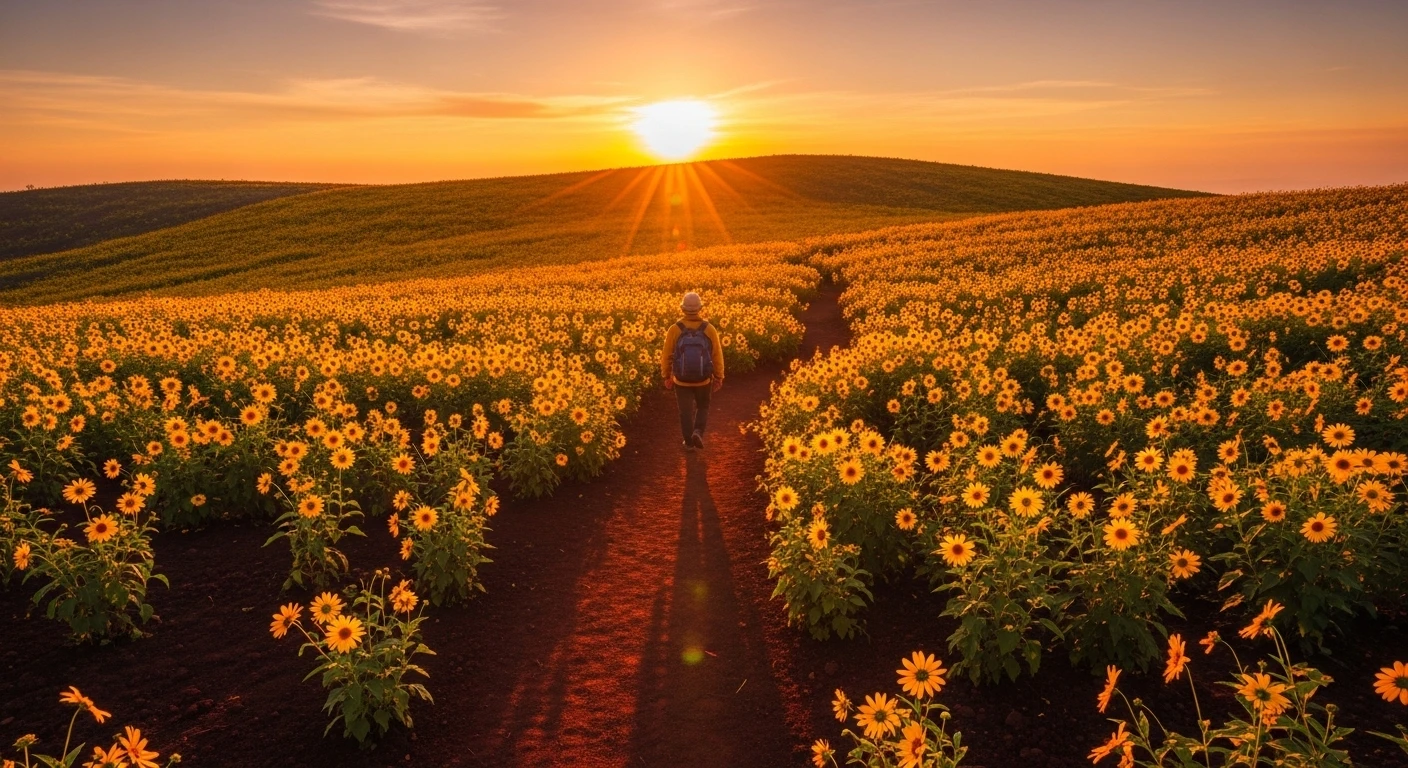
The golden hour light transforms the volcanic slopes into an ethereal landscape.
Beyond the Blooms: The Spirit of the J'Rai People
Gia Lai province is home to several ethnic minority groups, most notably the J'Rai (or Jarai). These communities have a rich cultural heritage, distinct languages, and unique traditions that are deeply intertwined with the highland landscape. Visiting Chu Dang Ya offers a glimpse into their world.
You might see traditional stilt houses, hear the sounds of local music, or encounter people dressed in their traditional attire. Engaging with locals requires patience, respect, and a willingness to communicate beyond words. Learning a few basic Vietnamese phrases can go a long way. Be mindful that while tourism is growing, this is still a rural area; interactions should be genuine and respectful, not intrusive. Photography of people should always be done with their explicit consent.

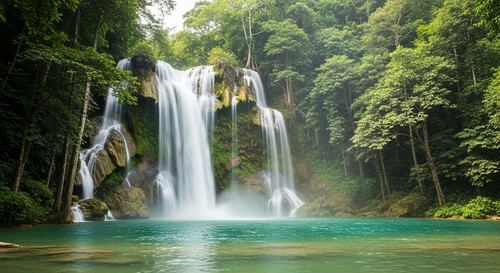
Dray Nur and Dray Sap: The Twin Roaring Waterfalls of Dak Lak
Legends say these two massive waterfalls represent doomed indigenous lovers. Stand in the mist of the crashing Serepok river and explore the wild heart of the Central Highlands.
Read MoreThe Wider Canvas: Exploring Gia Lai's Charms
While Chu Dang Ya is the star attraction in November, Gia Lai province offers more for the intrepid traveler. The region's volcanic past has left other fascinating geological formations and natural wonders.
Nearby Pleiku is home to Bien Ho (Sea Lake), another stunning volcanic crater lake, often called the "Eyes of the Central Highlands." Its serene waters and pine-fringed shores offer a peaceful contrast to the vibrant explosion of Chu Dang Ya. The region is also dotted with coffee and rubber plantations, offering scenic drives and a chance to learn about these vital highland industries. For those interested in waterfalls, the dramatic cascades of Dray Nur and Dray Sap in neighboring Dak Lak province are within reach, though they require a separate excursion.

Nghia Dan Sunflower Fields: The Golden Ocean of Nghe An
Visit in December to witness Vietnam's largest sunflower farm in full bloom. A surreal, golden ocean stretching as far as the eye can see. A photographer's ultimate playground.
Read MorePlanning Your Pilgrimage: Essential Tips
To make the most of your trip to Chu Dang Ya, consider these practical tips:
- Best Time to Visit: Mid-November for peak sunflower bloom.
- Getting There: Fly into Pleiku (PXU) and arrange private transport.
- What to Wear: Comfortable walking shoes are essential for navigating the terrain. Light, breathable clothing is recommended, and a light jacket for cooler evenings or early mornings.
- Accommodation: Options are limited near Chu Dang Ya itself. Most visitors stay in Pleiku and make a day trip.
- Respect Local Culture: Be mindful of local customs and ask permission before taking photos of people.
- Hydration: Carry plenty of water, especially during the warmer parts of the day.
- Embrace the Journey: The roads can be rough; view the travel as part of the adventure.
Chu Dang Ya is more than just a field of flowers; it's a testament to nature's artistry, the resilience of local communities, and the enduring spirit of Vietnam's highlands. It’s a place where the earth's fiery past has paved the way for a fleeting, golden present.