The Call of the Clouds: Why Conquer Fansipan?
For centuries, Fansipan has loomed large in the Vietnamese imagination – a formidable, mist-shrouded giant holding court over the northern mountains. Known affectionately as the "Roof of Indochina," its summit, a staggering 3,143 meters (10,312 feet) above sea level, represents the pinnacle of terrestrial achievement in this corner of Southeast Asia. The traditional path? A grueling, multi-day trek through challenging terrain, demanding resilience, expertise, and a healthy dose of grit. It’s an expedition for the truly dedicated, a primal test against the elements.
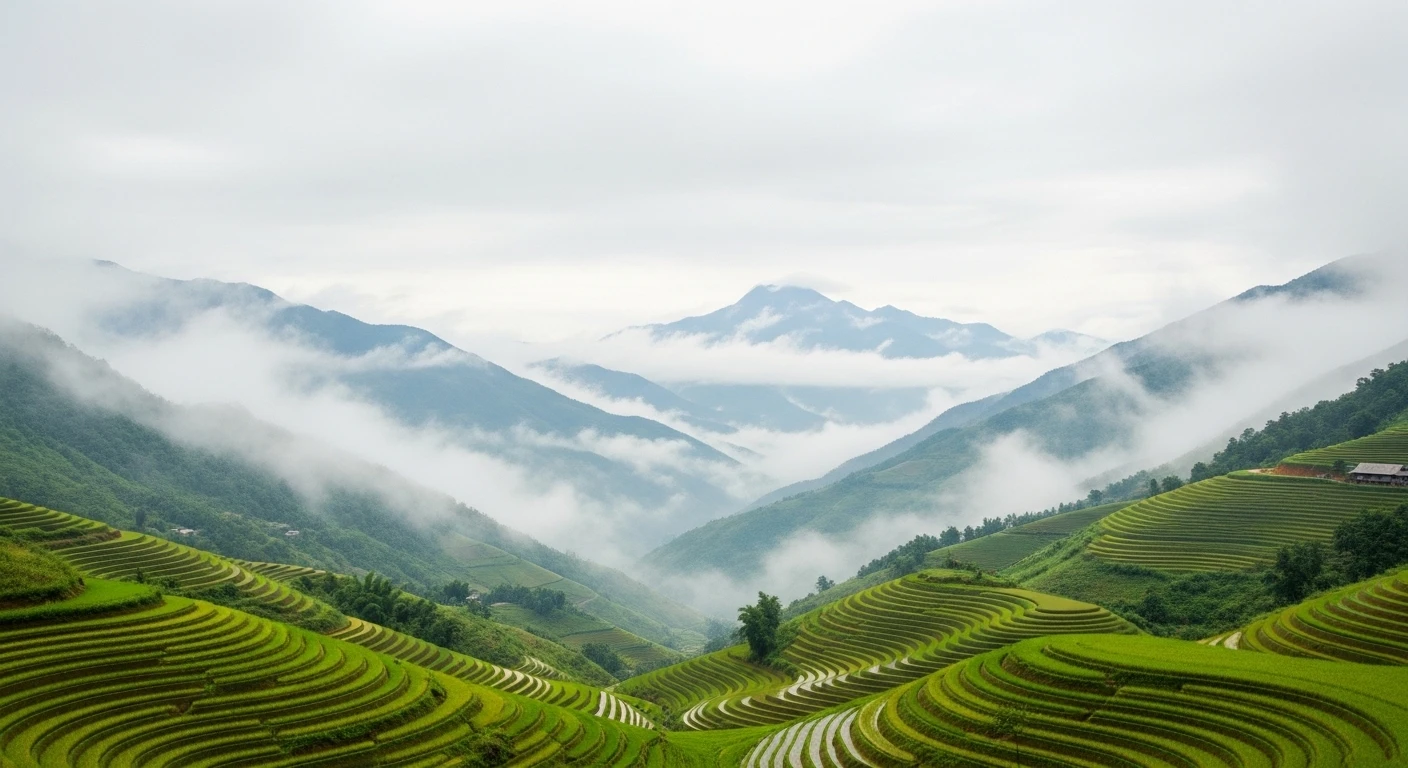
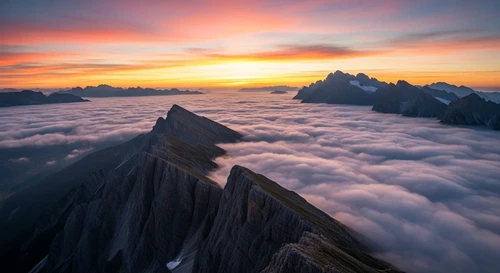
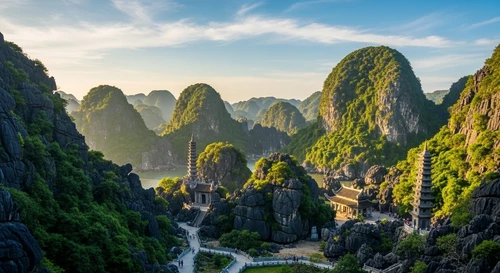
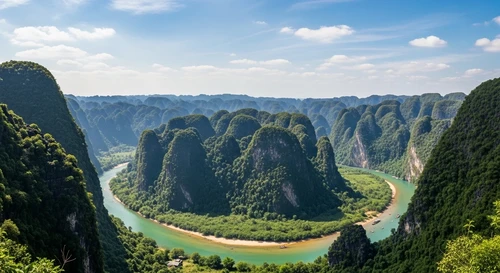
The majestic, often mist-covered peaks surrounding Sapa, hinting at the grandeur of Fansipan.
But what if you crave the awe-inspiring vistas, the spiritual resonance of standing on the highest point, without the calluses and the exhaustion? What if you have limited time, or perhaps aren't quite ready for a full-blown expedition into the wild? Enter the marvel of modern engineering: the Fansipan Cable Car. This is not just a ride; it's an experience that redefines access to one of Vietnam’s most iconic natural wonders.
A Sky-High Ascent: The Record-Breaking Cable Car
The journey begins in the charming town of Sapa, a vibrant hub for ethnic minority cultures nestled amidst emerald rice terraces. From here, a short transfer takes you to the cable car’s departure station. What follows is nothing short of spectacular. Spanning a record-breaking 6.2 kilometers (3.85 miles) from the valley floor to near the summit, the three-rope system – a marvel of Doppelmayr Garaventa technology – is designed to withstand the harsh mountain weather.
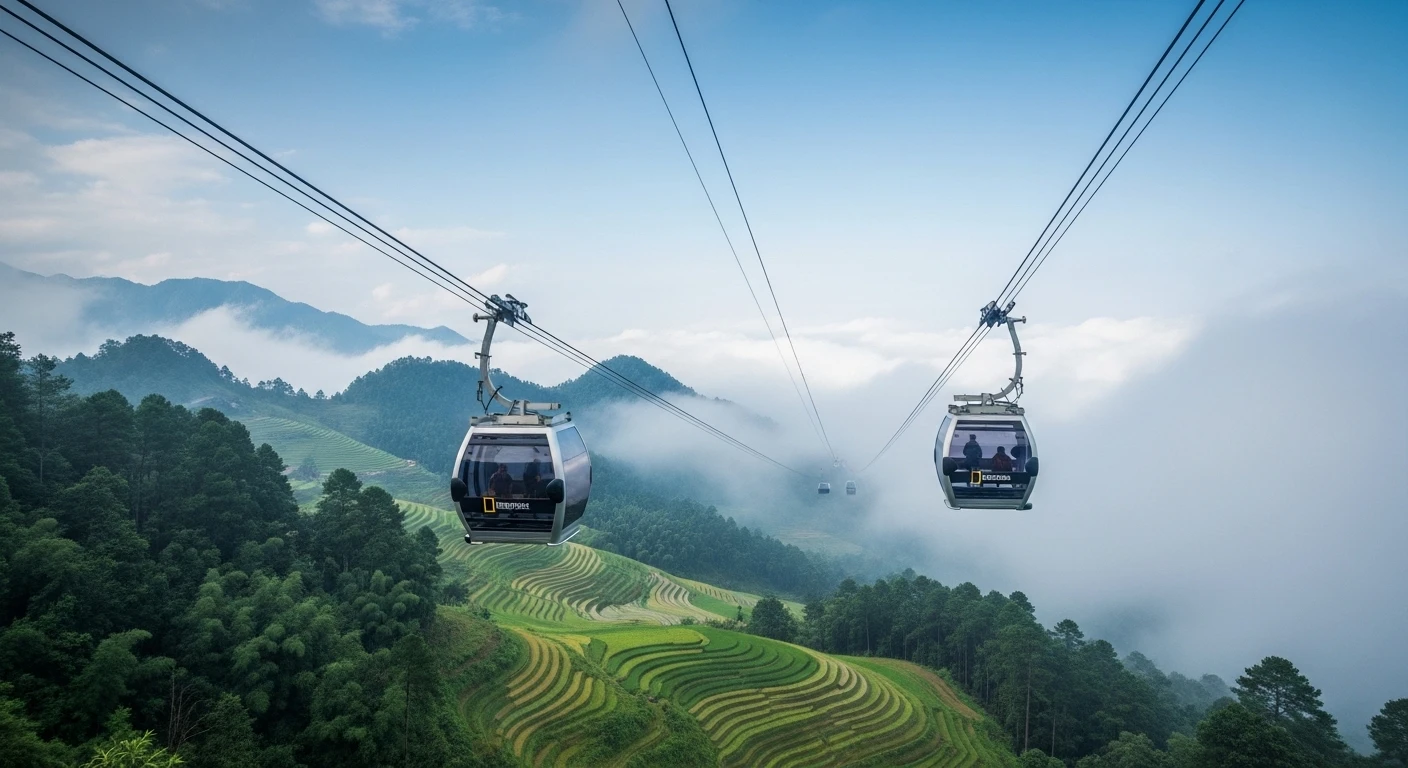
Gliding above the clouds in a state-of-the-art cable car cabin.
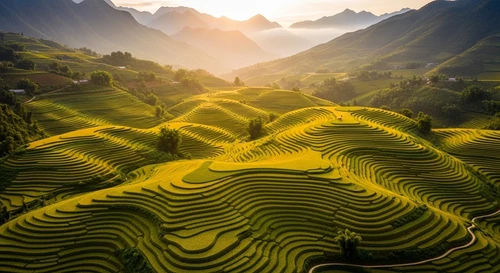
As the cabin ascends, the world transforms. Sapa, with its colorful markets and Hmong villages, shrinks below. The iconic rice terraces, a testament to generations of human endeavor in the Hoàng Liên Son mountain range, become intricate patterns. Then, you enter the clouds. Sometimes a gentle, ethereal mist rolls in, enveloping the cabin in a soft, white embrace. Other times, you break through into brilliant sunshine, revealing panoramic views that stretch to distant horizons, an ocean of peaks and valleys laid out before you. The sheer scale is humbling, the silence punctuated only by the gentle hum of the cable. It’s a visceral reminder of nature’s raw power and beauty.
The ride itself is remarkably smooth and takes about 15-20 minutes, a stark contrast to the days of trekking it once required. It’s a testament to how technology can democratize access to natural wonders, making them reachable for a wider range of travelers.
Standing on the Summit: A Sacred Space
Disembarking near the summit, you're greeted by a surprisingly developed complex, designed to honor the spiritual significance of this peak. The air is noticeably cooler, thinner, and crisper. It’s a moment of arrival, of triumph, even without the physical exertion of the climb.
At 3,143 meters, you'll find a collection of Buddhist structures that add a layer of profound tranquility to the already breathtaking landscape. The most prominent is the **Great Buddha Statue**, a colossal bronze figure radiating serenity. Nearby, the **Kim Son Bao Thang Pagoda** stands as a testament to Vietnamese Buddhism, its ornate architecture a striking contrast against the rugged mountain backdrop. Small shrines and stupas dot the area, inviting quiet contemplation. The sense of peace here is palpable, a spiritual anchor amidst the raw, untamed beauty of the mountains.
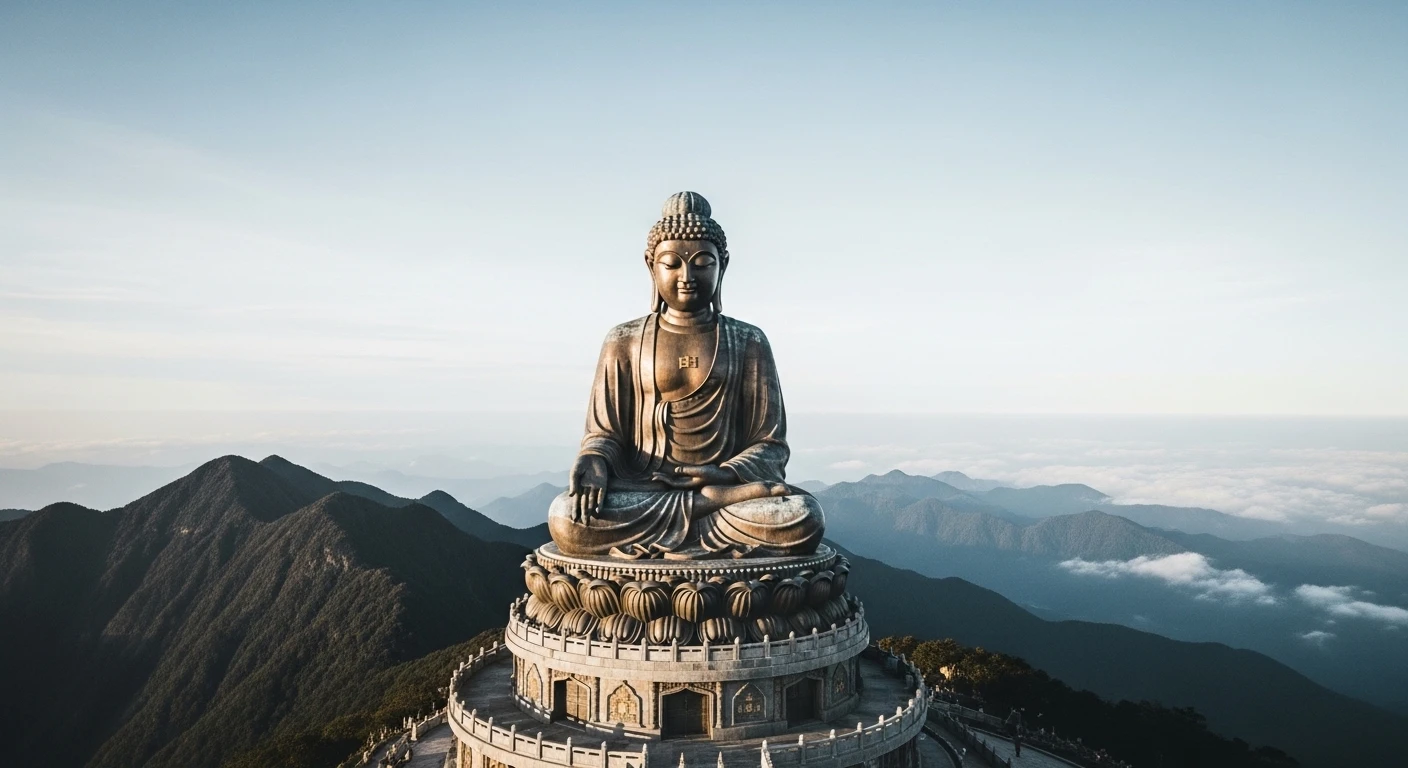
The imposing Great Buddha Statue, a beacon of serenity at the summit.
Wander through the serene gardens, past blooming rhododendrons (in season), and soak in the 360-degree views. On a clear day, the vista is unparalleled, a vast tapestry of rugged peaks, rolling clouds, and distant valleys. This isn't just about a physical summit; it's about reaching a point of reflection, a place where the earthly and the spiritual converge.
Culinary Heights: Sapa's Flavors
After descending from the heavens, the natural inclination is to seek sustenance. Sapa and its surrounding areas offer a distinct culinary landscape, heavily influenced by the ethnic minority communities who call this region home. While the cable car station itself offers basic amenities, the true gastronomic adventure lies back in Sapa town or in local villages.
One of the must-try local specialties is grilled mountain pork (lợn cắp nách). This refers to small, free-range pigs that roam the hillsides. Marinated with local herbs, spices, and often a touch of chili and lemongrass, they are then grilled over charcoal, resulting in incredibly tender, flavorful meat with a wonderfully crispy skin. It's rustic, it's hearty, and it's the perfect reward after a day of mountain air.
Beyond pork, explore other regional delights: bamboo-tube rice (cơm lam), grilled river fish, and fresh mountain vegetables. Don’t shy away from trying the local corn wine (rượu ngô), a potent spirit often shared as a sign of hospitality by the Black Hmong and Red Dao people. It's an acquired taste, but an integral part of the cultural experience.
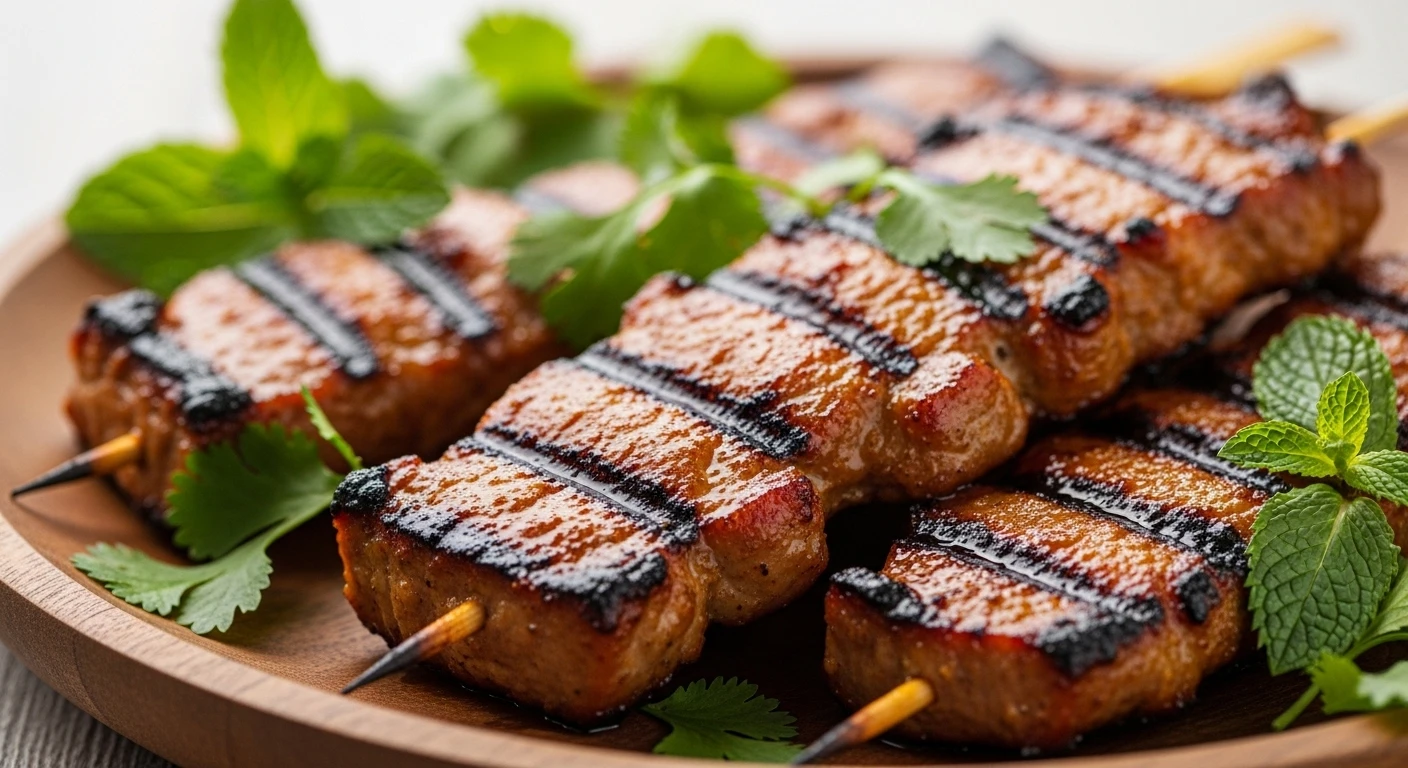
A taste of the mountains: succulent grilled mountain pork, a Sapa culinary staple.
Practicalities and Tips for Your Ascent
Planning your trip to the Roof of Indochina is straightforward, but a few tips can enhance your experience.
- Tickets: Purchase your cable car tickets in advance online to save time, especially during peak season. They can also be bought at the station.
- Weather: Sapa's weather is notoriously unpredictable. Pack layers, including a waterproof jacket, even in the dry season. The summit can be significantly colder than Sapa town.
- Altitude: While the cable car mitigates the physical strain, be aware of the altitude. Take it easy upon arrival, stay hydrated, and avoid strenuous activity immediately after disembarking.
- Time: Allocate at least half a day for the cable car journey, including travel to and from Sapa town and time spent at the summit.
- Combine Your Trip: Many visitors combine the cable car trip with exploring Sapa town itself, visiting local markets, or taking short treks to nearby ethnic villages.
Beyond the Summit: Exploring Sapa's Charm
While Fansipan is the undeniable crown jewel, Sapa offers a rich tapestry of experiences that complement your high-altitude adventure.
The heart of Sapa lies in its vibrant markets, where ethnic minority groups, particularly the Hmong and Red Dao, gather to trade their wares. The colors, sounds, and smells are intoxicating. You can find intricate handicrafts, traditional textiles, medicinal herbs, and local produce. Engaging with the locals, even with a language barrier, is a rewarding experience, offering a glimpse into their resilient culture.
For those with a bit more time and an appetite for exploration, trekking through the Muong Hoa Valley is highly recommended. Guided treks can lead you through stunning terraced landscapes, past cascading waterfalls, and to remote villages like Cat Cat and Ta Van. Staying overnight in a traditional homestay offers an intimate cultural immersion, sharing meals and stories with local families. Discover more about Sapa trekking and the immersive experience of staying with ethnic minority communities.
The surrounding mountain passes, like the famed O Quy Ho Pass, offer heart-stopping drives and views that rival anything you'll see from Fansipan’s summit, albeit from a different perspective. These journeys are not just about reaching a destination, but about the raw, untamed beauty of the northern Vietnamese landscape.
The 'Roof of Indochina' Mythos: More Than Just a Peak
The moniker "Roof of Indochina" isn't just a catchy phrase; it imbues Fansipan with a sense of national pride and geographical significance. For many Vietnamese, reaching the summit is a pilgrimage, a symbolic act of national connection and personal achievement. This reverence is palpable, even in the modern cable car experience. The Buddhist structures further cement its status as a sacred site, a place where the earthly realm meets the spiritual.
While the cable car provides effortless access, the spirit of conquest remains. It allows more people to connect with this significant landmark, to feel the wind at the highest point, and to appreciate the grandeur of Vietnam’s northern mountains. It bridges the gap between the adventurous climber and the curious traveler, offering a shared experience of awe and wonder.
Standing at 3,143 meters, you’re not just on a mountain; you’re on a piece of history, a natural wonder that has inspired generations. The cable car has simply opened the doors to this powerful experience for a wider audience, allowing the mythos of the "Roof of Indochina" to resonate with even more people.
From Expedition to Experience: The Modern Traveler
The advent of the cable car marks a significant shift in how travelers engage with Fansipan. Where once it was a destination for the intrepid few, it is now an accessible marvel for the masses. This transformation, however, doesn't diminish its magic. Instead, it allows the grandeur of the "Roof of Indochina" to be shared more widely, fostering a deeper appreciation for Vietnam's natural beauty and cultural heritage.
For the modern traveler, the cable car offers an efficient way to incorporate a bucket-list natural wonder into a diverse itinerary. It's ideal for those short on time, those traveling with family, or simply those who prefer to experience the summit's majesty without the physical toll of a trek. The focus shifts from the conquest of the mountain to the appreciation of its beauty, its spiritual significance, and the journey itself.
This accessibility also means that the rich cultural tapestry of Sapa – the vibrant markets, the ethnic minority villages, the unique cuisine – becomes more integrated into the overall visitor experience. A trip to the summit can be seamlessly combined with an exploration of the local life and traditions, creating a well-rounded and deeply enriching journey.
The Spiritual Resonance of the Highlands
Vietnam's highlands, particularly the area around Sapa, possess a unique spiritual aura. The dramatic landscapes, the ancient traditions of the ethnic minority groups, and the sheer remoteness of these mountains have long fostered a sense of the sacred. Fansipan, as the highest point, naturally becomes a focal point for this spiritual energy.
The presence of Buddhist structures at the summit is no accident. It reflects a deep-seated connection between nature and spirituality in Vietnamese culture. The act of ascending, whether by foot or by cable car, becomes a journey towards a higher plane, both literally and metaphorically. The clear mountain air, the expansive views, and the sense of isolation from the bustling world below all contribute to a profound feeling of peace and introspection.
This spiritual resonance is amplified by the stories and beliefs of the indigenous communities. They view the mountains not just as geographical features, but as living entities, imbued with spirits and ancient wisdom. Experiencing this cultural and spiritual dimension, even from the convenience of the cable car, adds a depth to the visit that transcends mere sightseeing. It’s an encounter with the soul of the mountains.
Final Thoughts on Reaching the Top
The Fansipan Cable Car is more than just a mode of transport; it's an experience that bridges the gap between aspiration and accessibility. It allows the majesty of the "Roof of Indochina" to be shared, celebrated, and felt by a global audience. While the thrill of a multi-day trek will always appeal to the hardened adventurer, the cable car offers a profound and awe-inspiring encounter with Vietnam's highest peak, complete with spiritual sanctuaries and breathtaking vistas.
Whether you choose to conquer it by boot or by breeze, standing amidst the clouds at 3,143 meters is an unforgettable moment. It’s a chance to touch the sky, to feel the pulse of the northern mountains, and to witness firsthand why Fansipan truly holds its title as the Roof of Indochina. So, next time you find yourself in the enchanting highlands of Sapa, don't just dream of the summit – ride to it. The clouds await.
Exploring More of Vietnam's Peaks?
Discover other incredible mountain passes and high-altitude experiences across Vietnam.
⛰️ Discover Vietnam's Heavenly Gates