The 'Waterfall of Smoke': An Introduction to Dray Sap
Vietnam is a land sculpted by water. From the vast Mekong Delta in the south to the karst peaks of the north, rivers and cascades are the lifeblood of its landscapes. But nestled deep within the emerald heart of the Central Highlands, in the province of Dak Nong, lies a natural spectacle that transcends mere beauty: Dray Sap Waterfall. Known locally as "Thác Dray Sap" – the "Waterfall of Smoke" – this isn't just a cascade; it's a force of nature that has carved its own legend into the jungle.
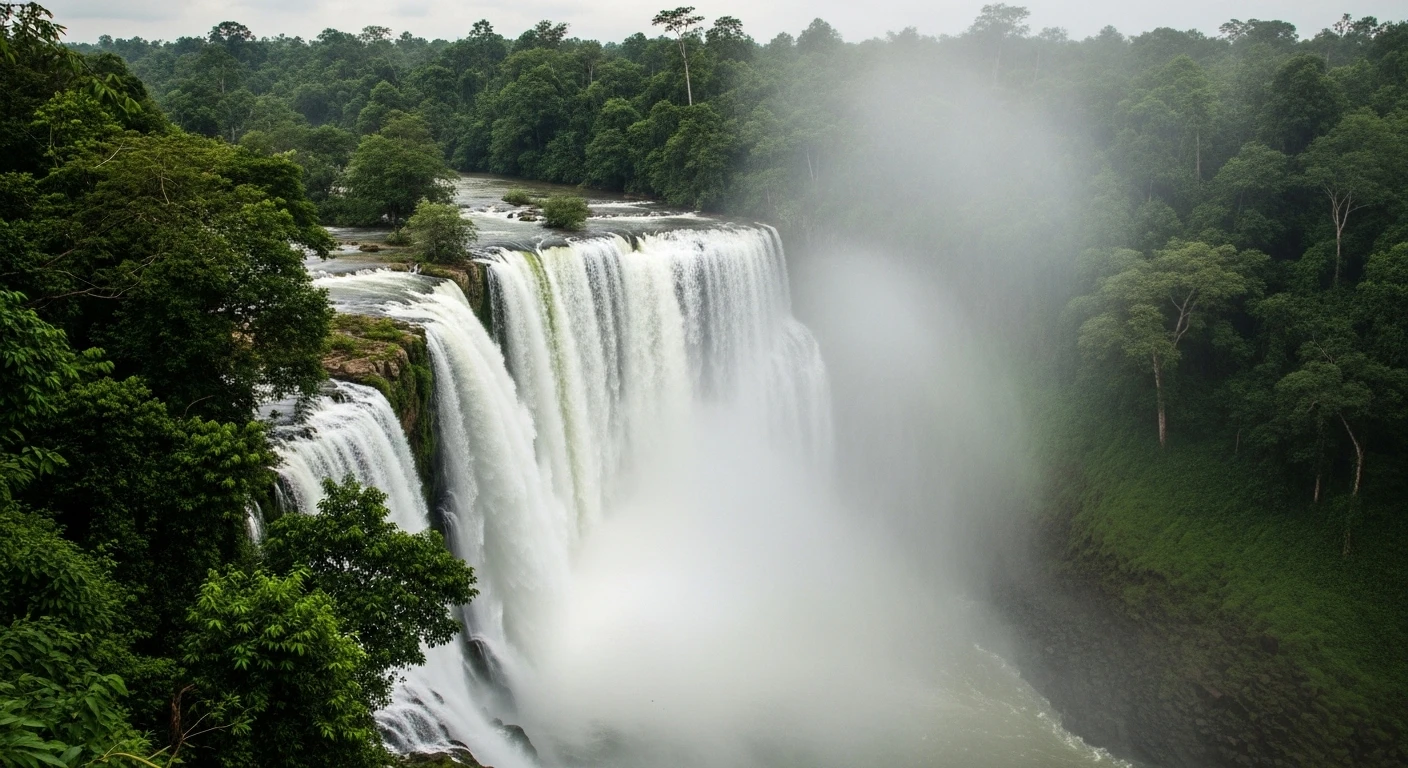
Unlike the manicured beauty of some more accessible waterfalls, Dray Sap retains a raw, untamed spirit. Its sheer scale and power create a permanent veil of mist that hangs thick in the air, lending the place an ethereal, almost mystical quality. The roar of the water is a constant, primal soundtrack that drowns out all but the most insistent thoughts. This is not a place for a casual stroll; it's an immersion into the wild heart of Vietnam.
Carved by the Srepok: The River That Roars
The mighty Srepok River, a significant tributary of the Mekong, is the architect of Dray Sap. Flowing through Cambodia before entering Vietnam, the Srepok is known for its powerful currents, particularly in the highlands. As it plunges through the dense jungles of Dak Nong, it encounters a dramatic geological drop. Dray Sap is not a single, elegant ribbon of water, but a series of massive, thundering cascades where the river seems to explode over a vast, rocky precipice.
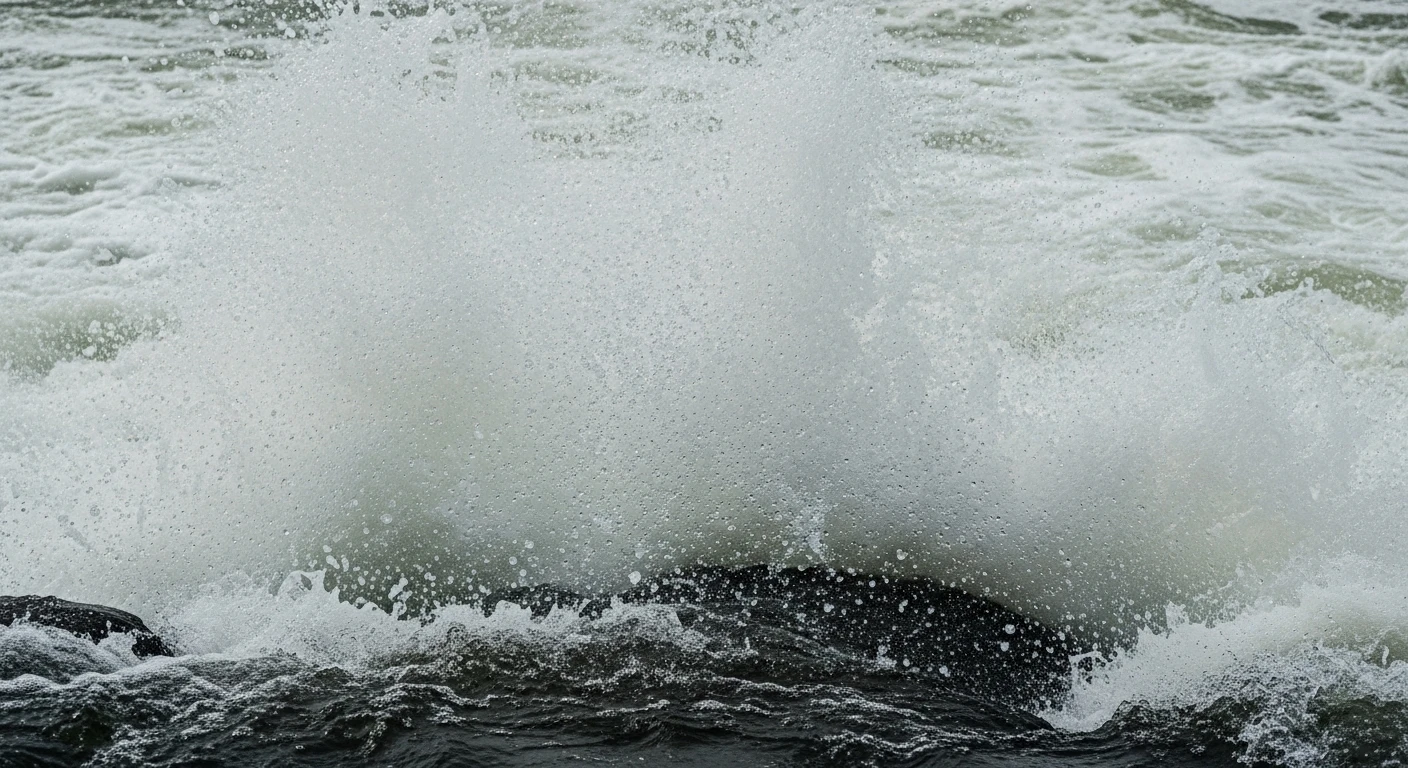
The volume of water here is immense. The force with which it hits the rocks below generates an almost perpetual cloud of spray. This isn't the delicate mist that settles on your skin after a light shower; this is a dense, refreshing vapor that can soak you through in minutes. It's this constant, pervasive mist that gives Dray Sap its evocative name, shrouding the entire area in a soft, white haze.
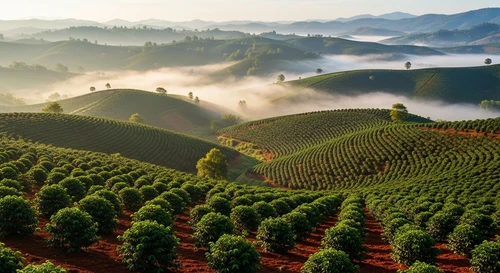
Reaching this part of the Central Highlands requires a journey. Dak Nong province, while beautiful, is less traversed by mass tourism than its neighbor Dak Lak. This relative remoteness is precisely what preserves Dray Sap's wild charm. The journey itself becomes part of the adventure, winding through rolling hills, coffee plantations, and pockets of thick jungle that hint at the natural wonders waiting to be discovered.
Immersion in the Mist: A Sensory Awakening
Stepping out of your transport and into the vicinity of Dray Sap is an immediate sensory jolt. The air grows cooler, heavy with moisture. The sound, initially a distant rumble, intensifies into a thunderous roar that vibrates in your chest. And then, you see it: a vast curtain of white water, not descending gracefully, but crashing, tumbling, and exploding over a wide, uneven rock face.
The "smoke" is not just visual; it’s a palpable presence. You can feel the fine droplets on your skin, taste the clean, mineral-rich water on your lips. The sheer power is humbling. Unlike some highly developed tourist sites, Dray Sap offers a more raw interaction. Pathways may be less polished, bridges more rustic. This is part of its allure – it feels like you've stumbled upon a secret, a place where nature still reigns supreme.
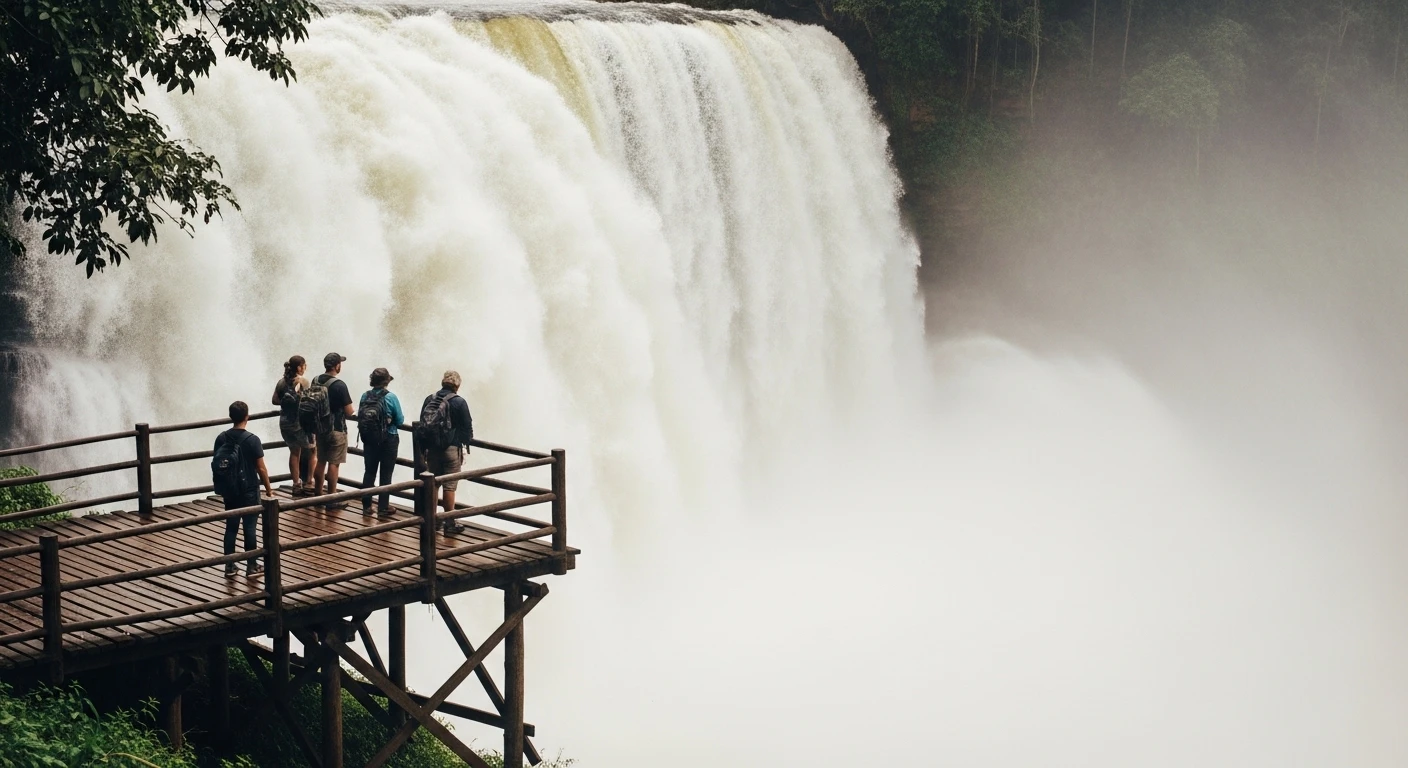
You can get remarkably close to the falls, standing on viewing platforms that are often carved into the rock face or built precariously close to the deluge. Be prepared to get wet – very wet. This is an experience best embraced, not resisted. The spray cools you in the tropical heat, invigorating your senses and connecting you directly to the raw power of the landscape.
Whispers of the Highlands: Legends of Dray Sap
Every great natural wonder in Vietnam carries with it stories and legends, and Dray Sap is no exception. Local ethnic minority communities, such as the M'Nông people, who have lived in harmony with this land for generations, hold deep respect for the waterfall. While specific tales can vary, the common thread is the overwhelming power and spirit of the place.
Some legends speak of the waterfall as a place of both creation and destruction, a manifestation of elemental forces. The constant roar is said to be the voice of the mountain spirits, a warning and a welcome all at once. The mist, rather than obscuring vision, is sometimes interpreted as a veil between the human world and the spirit realm.
This reverence for nature is palpable. Even without direct engagement with local lore, the sheer majesty of Dray Sap commands a sense of awe. It reminds you of the immense geological forces that shaped this land long before humans arrived, and the enduring power of nature in its most unadulterated form.
Beyond the Roar: Exploring the Environs
While the main cascade of Dray Sap is the undeniable star, the surrounding area offers opportunities for further exploration. The jungle environment is rich with endemic flora and fauna, though identifying them often requires a local guide who can navigate the terrain safely and point out the hidden biodiversity.


Rivers and streams in the highlands often create smaller falls or tranquil pools away from the main spectacle. These quieter spots can offer a different perspective, a moment of calm reflection amidst the power of the larger cascade. Some areas might allow for gentle boat rides on calmer stretches of the Srepok, offering views back towards the misty curtain of Dray Sap from a distance.
The journey to Dray Sap itself is an exploration of the Central Highlands' unique landscape. Vast coffee and pepper plantations dot the hillsides, showcasing the region's agricultural significance. Occasionally, you might encounter small villages where local ethnic communities live, offering a glimpse into a way of life deeply connected to the land. It's advisable to engage with local guides or tour operators who can provide transport and knowledge, ensuring a safe and enriching experience.
Planning Your Pilgrimage: Practicalities for Dray Sap
Dray Sap is located in Dak Nong province, roughly 30-40 kilometers south of Gia Nghia, the provincial capital. For international travelers, the most common gateway city would be Ho Chi Minh City.
Getting There:
- From Ho Chi Minh City: Your primary options are to fly or take a bus to Buon Ma Thuot (Dak Lak province) or Pleiku (Gia Lai province), then arrange onward transport, or take a direct bus to Gia Nghia (Dak Nong province). Bus journeys can be long, typically 6-8 hours to Gia Nghia.
- To Gia Nghia: Once in Gia Nghia, you will need to arrange local transport. Private taxis or motorbike taxis (xe om) are available. It's highly recommended to arrange this through your accommodation in Gia Nghia or a reputable local tour operator.
- The Final Stretch: The road to Dray Sap can be rough in places, transitioning from paved surfaces to more rustic tracks as you get closer. The journey takes approximately 1 to 1.5 hours from Gia Nghia.
Best Time to Visit:
The Central Highlands have distinct wet and dry seasons. The dry season, typically from November to April, offers clearer skies and more stable conditions, making travel easier. The wet season (May to October) brings heavier rains, which can increase the water volume at the falls significantly, making them even more spectacular but potentially more challenging to access and experience safely. The "smoke" effect is present year-round due to the sheer force of the water.
What to Bring:
- Waterproof bag for electronics.
- Quick-drying clothes and footwear.
- Insect repellent.
- Camera with good zoom and weather protection if possible.
- A spirit of adventure!
There are basic amenities like food stalls and souvenir shops near the main entrance, but for a more substantial meal, it's best to plan ahead or dine in Gia Nghia.
The Sister Falls: Dray Nur's Majesty
Dray Sap is often mentioned in conjunction with its equally impressive neighbor, Dray Nur Waterfall. Located just a few kilometers apart, and connected by legends of forbidden love between indigenous siblings (or lovers, depending on the telling), these two behemoths are often referred to as the "twin waterfalls" of the Srepok River.
While Dray Sap is known for its raw, explosive power and dense mist, Dray Nur presents a slightly different, though equally stunning, spectacle. It is wider and often described as more continuous. Visitors can sometimes walk behind parts of Dray Nur, offering a unique perspective and a different kind of soaking experience.
If your time permits, visiting both Dray Sap and Dray Nur provides a comprehensive understanding of the Srepok River's dramatic geological impact on the highlands. Many tours will include both locations, allowing you to compare their unique characteristics and appreciate the grand scale of this highland river system.
Discover more about the legendary pair:
Dray Nur and Dray Sap: The Twin Roaring Waterfalls of Dak LakThe Raw Allure: Why Dray Sap Captivates
In a world where natural wonders are increasingly accessible, curated, and sometimes crowded, Dray Sap stands out. It’s a place that demands your full attention, that rewards effort with an experience of pure, unadulterated nature. The "waterfall of smoke" isn't just a poetic name; it's a direct description of a phenomenon that is both beautiful and awe-inspiring.


The journey through the Central Highlands, with its rolling hills, coffee farms, and hints of traditional M'Nông culture, adds depth to the visit. It’s a chance to see a side of Vietnam that remains less exposed to the global spotlight.
Dray Sap offers a potent reminder of nature's grandeur. It's a place where you can feel truly alive, refreshed by the powerful spray, humbled by the constant roar, and utterly mesmerized by the ethereal dance of water and mist. For the traveler seeking authentic, wild beauty, the "Waterfall of Smoke" is an unforgettable pilgrimage.