The Volcanic Heart of the Central Highlands
Vietnam’s Central Highlands, a region of rolling hills, cool mists, and rich red earth, whispers tales of geological upheaval and enduring natural beauty. Nestled within this verdant landscape is Pleiku, a city that serves as a gateway to wonders sculpted by fire and time. Far from the buzzing energy of the coast or the dense urban sprawl of the south, Pleiku offers a more contemplative, elemental experience. It’s a place where the very ground beneath your feet tells a story of ancient volcanoes, and where local flavors are as unique as the terrain.
The very air here feels cleaner, the pace slower, and the connection to the land palpable. This is a region that invites you to explore its natural artistry and savor its distinct culinary heritage. Our focus today is on two of Pleiku’s most iconic offerings: the breathtaking Bien Ho lake and the soul-warming bowl of 'dry pho'.
Bien Ho (Sea Lake): A Crater's Calm Reflection
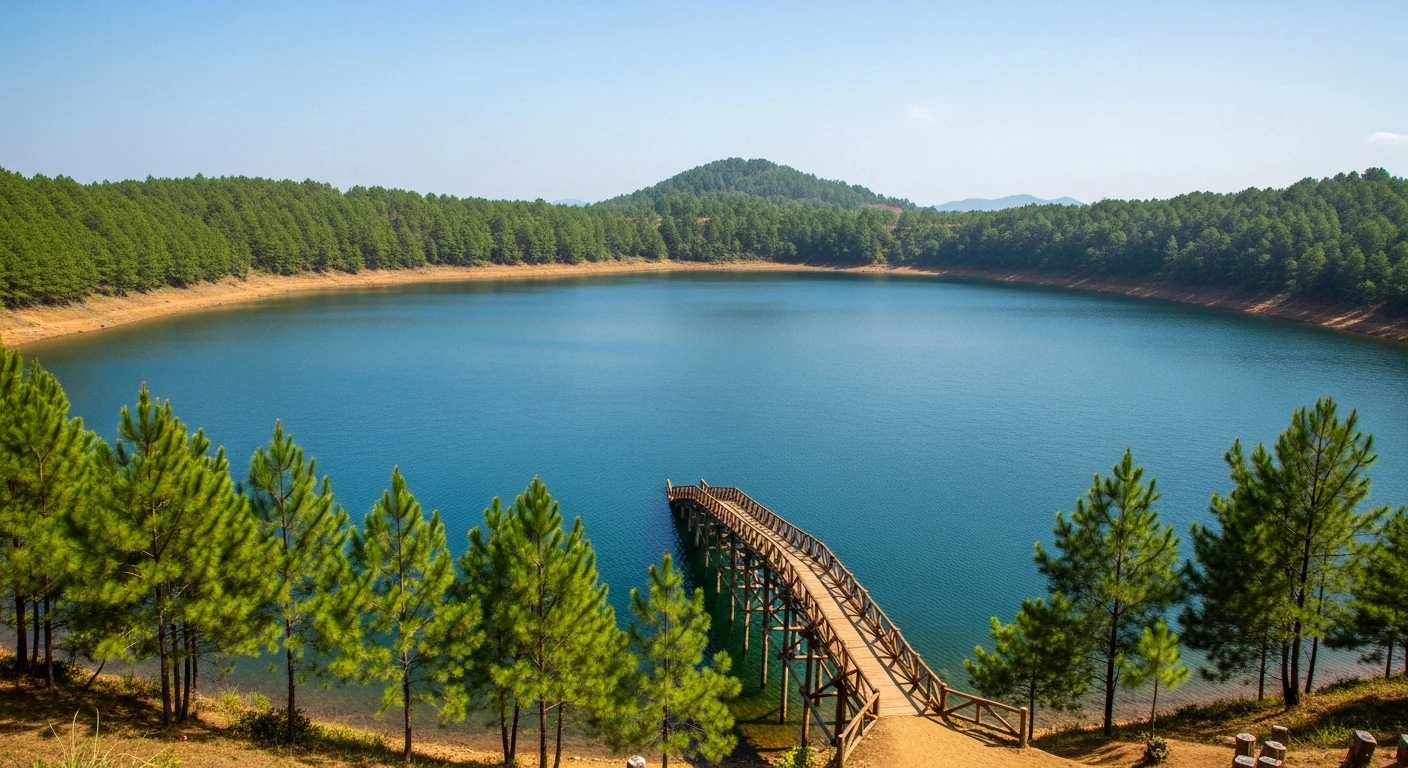
Imagine a vast, perfectly oval expanse of sapphire water, cradled within the ancient caldera of an extinct volcano. This is Bien Ho, affectionately known as Sea Lake, the jewel in Pleiku’s crown. It’s a sight that stills the mind and humbles the spirit. The journey to Bien Ho is almost as enchanting as the destination itself. As you approach, the landscape begins to transform, hinting at the geological marvel that awaits.
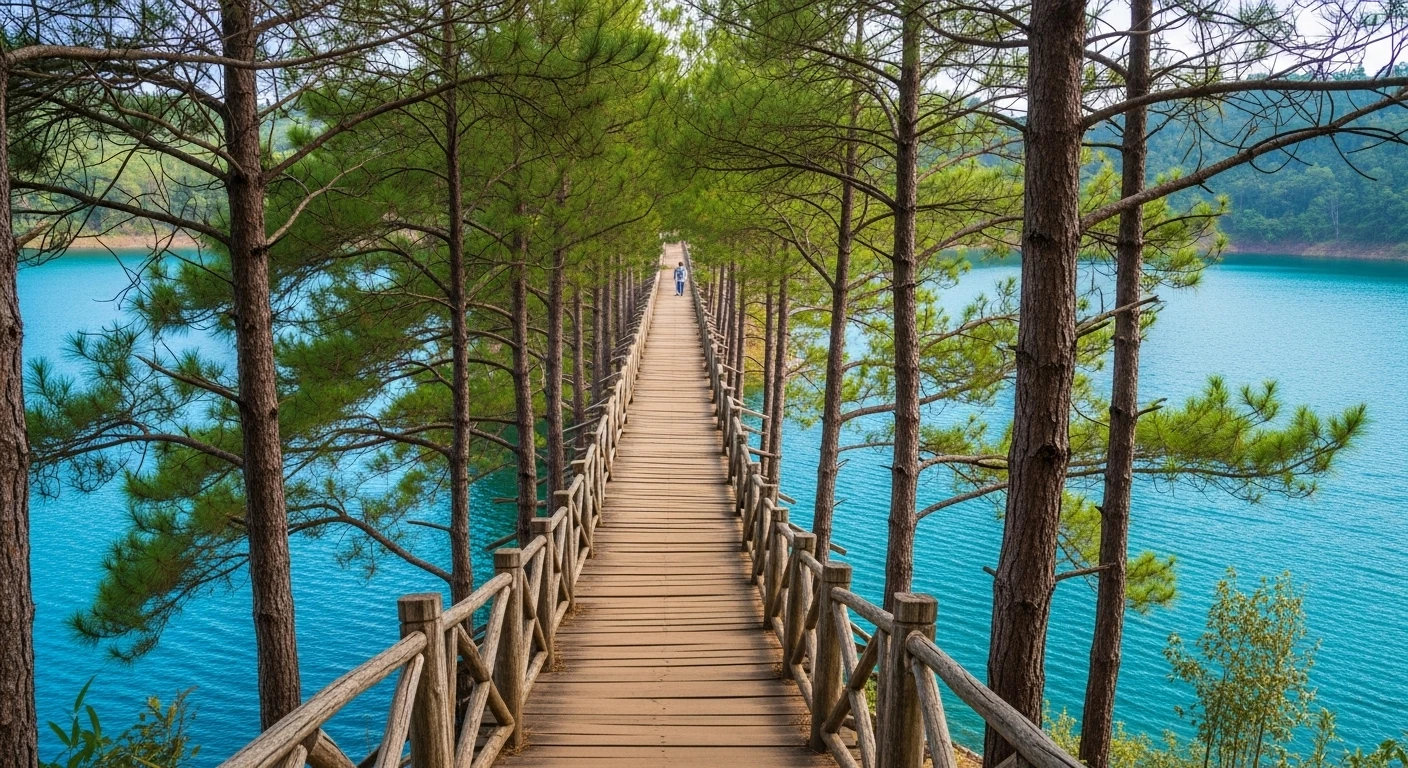
The most striking feature is the pine-fringed bridge that gracefully extends over the water. Walking this pathway, surrounded by the scent of pine needles and the gentle lapping of water against the crater walls, is an experience of profound tranquility. The lake’s near-perfect circular shape is a stark reminder of its fiery origins, now softened by the passage of millennia into a serene sanctuary. Local legends often speak of its depth and mystery, adding to its allure. It’s a place where the quiet grandeur of nature takes center stage, a perfect antidote to the clamor of modern life.
For those seeking a deeper connection with the landscape, consider visiting during sunrise or sunset. The colors that paint the sky and reflect on the water’s surface are truly magical. It's an ideal spot for quiet contemplation, photography, or simply to absorb the peaceful atmosphere.

Bien Ho (Sea Lake): The Volcanic Eye of Pleiku
A vast, perfectly oval crater lake left behind by an extinct volcano. Walk the pine-lined suspension bridge and discover the deep, pristine 'Eyes of the Central Highlands'.
Read MoreGia Lai's Culinary Canvas: The 'Two-Bowl' Dry Pho
After soaking in the natural beauty of Bien Ho, the soul craves sustenance. And in Pleiku, that craving is answered by a dish as distinctive as the landscape: Gia Lai's famous 'two-bowl' dry pho, or *phở khô*. This isn't the steaming, soupy broth many associate with Vietnam's iconic noodle dish. Instead, it’s a masterful composition of textures and flavors, presented with a thoughtful elegance that mirrors the region's character.
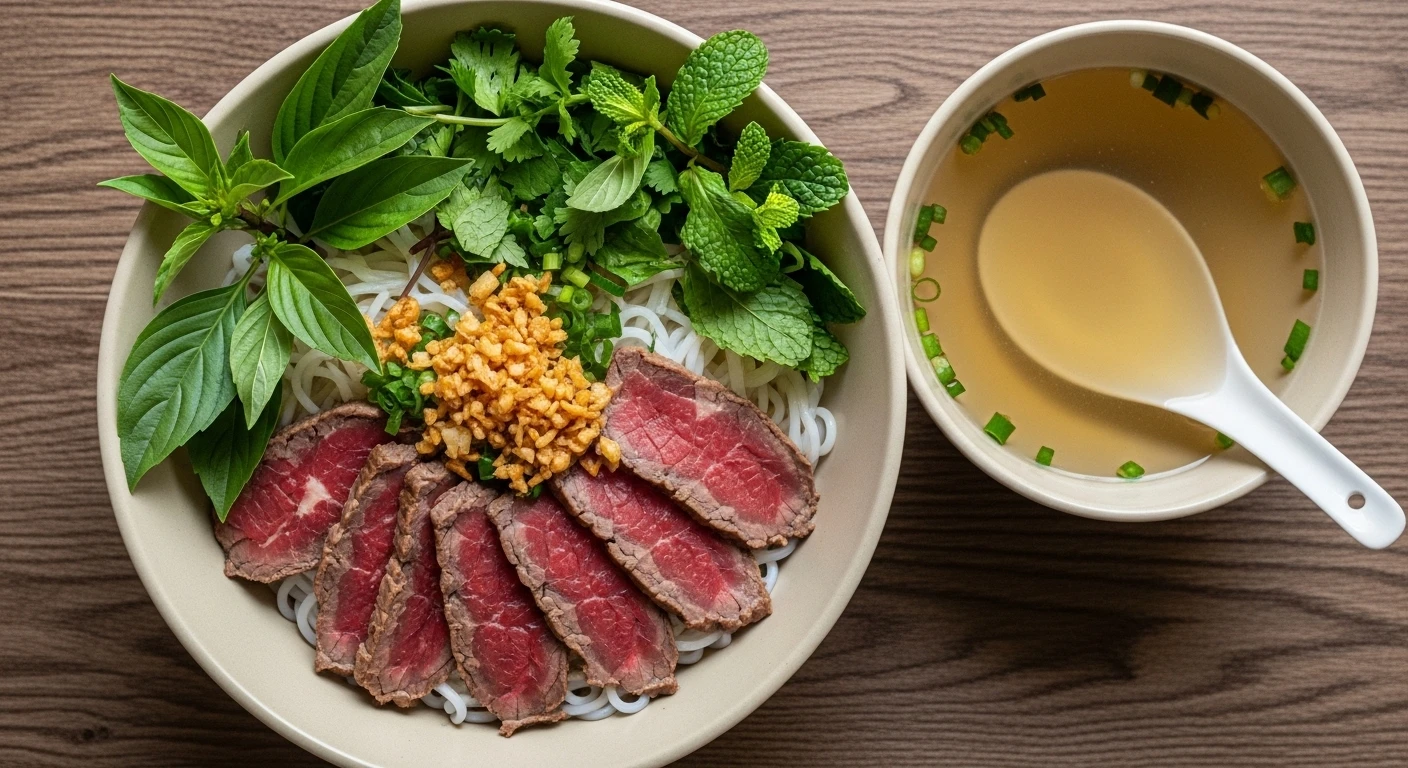
The magic lies in its presentation. You'll typically receive two bowls: one containing the star of the show – a generous portion of tender, thinly sliced beef (often beef brisket or flank), rich chicken, or succulent pork, stir-fried with fragrant garlic and onions, mingled with pliable rice noodles, and adorned with fresh herbs like basil and mint. This bowl is a concentrated burst of savory goodness.
The second bowl holds a clear, aromatic broth, often infused with ginger and herbs. This is not meant to be drunk in large quantities, but rather used sparingly to moisten the noodles and meat as you eat, allowing you to control the consistency and depth of flavor with each bite. This "dry" approach allows the individual components to sing, while the broth provides a delicate, warming counterpoint, preventing the dish from becoming too rich. It’s a clever culinary dance, and one that perfectly complements the cooler climate of the Central Highlands.
The Art of Assembly: Crafting Your Perfect Bowl
Eating dry pho is an interactive experience, a ritual that engages all your senses. It's not just about consuming food; it's about crafting your ideal bite. As you sit down, the scene is set: the aroma of the sautéed meat, the vibrant green of the herbs, the glistening noodles, and the delicate steam rising from the broth.
Start by taking a small amount of the broth and adding it to your main bowl. Mix everything gently. The noodles should remain distinct, not soupy. Then, carefully select your protein and noodle combination. Perhaps a piece of tender beef, a sprig of basil, and a slick of noodle. The flavor explosion is immediate: the savory depth of the meat, the fresh zest of the herbs, the subtle sweetness of the broth, and the satisfying chew of the rice noodles.
Don't forget the accompanying condiments. Often, you'll find fresh chilies, lime wedges, and perhaps a savory dipping sauce. A squeeze of lime adds a bright acidity, while a sliver of chili provides a welcome kick, tailored to your preference. Each mouthful can be a new discovery, a variation on a theme, as you personalize the dish to your palate. It's this adaptability and attention to detail that makes dry pho such a beloved specialty.

Gia Lai's Coffee Culture: From Bean to Brew
Explore the rich coffee growing regions of Gia Lai in Vietnam's Central Highlands. Discover the unique arabica and robusta beans and the local traditions that make Gia Lai coffee a true highland specialty.
Read MoreBeyond Bien Ho: Other Volcanic Landscapes
Pleiku's volcanic heritage extends beyond the serene expanse of Bien Ho. The Central Highlands are dotted with remnants of ancient eruptions, offering further exploration for the adventurous traveler. While Bien Ho is the most famous crater lake, the region's geology tells a story of powerful natural forces.
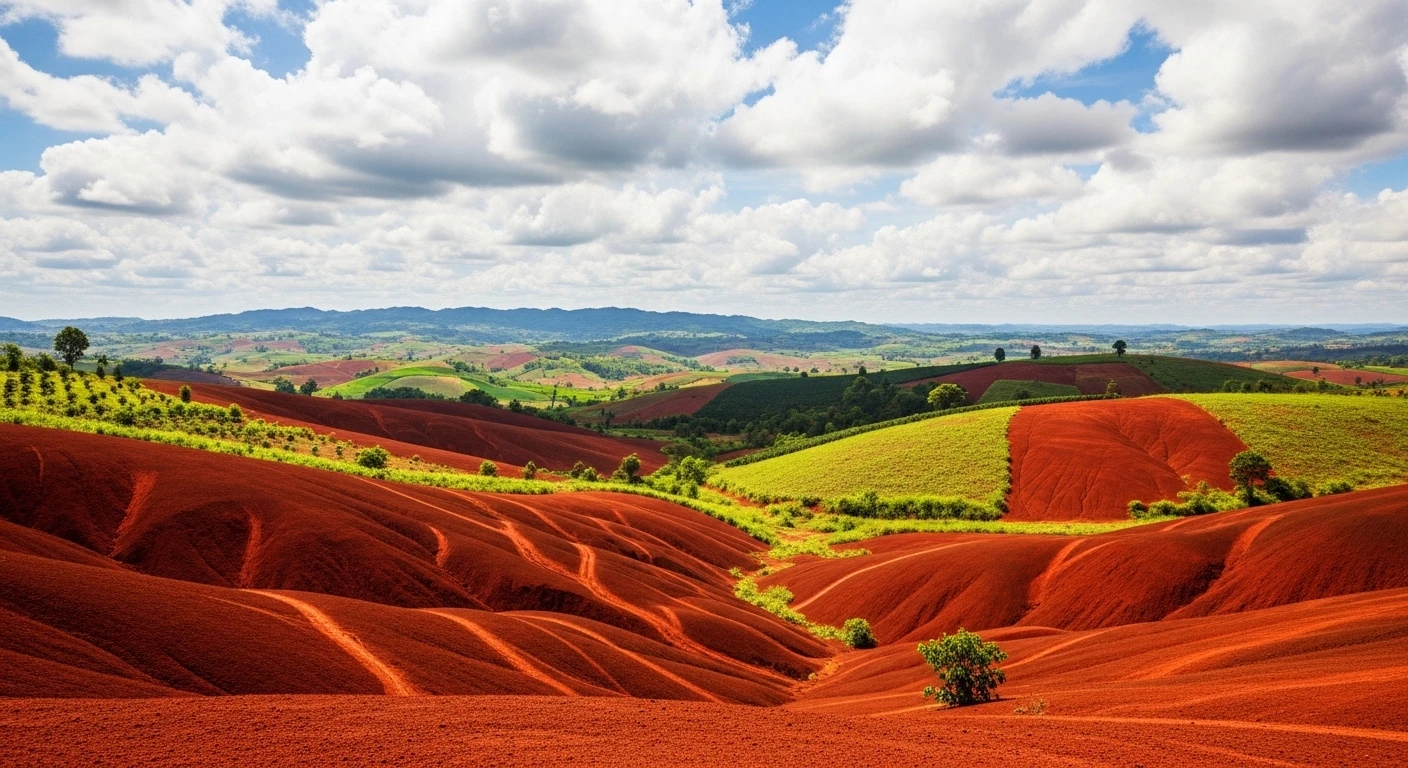
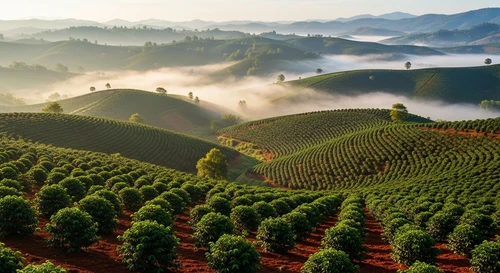
Just a short drive from Pleiku, you can discover landscapes shaped by volcanic soil, ideal for cultivating renowned Vietnamese coffee beans. The rich, mineral-dense earth lends a unique character to the Arabica and Robusta varieties grown here. Exploring these coffee plantations offers a different facet of the Highlands' relationship with its volcanic past, transforming the raw power of the earth into the comforting brew that fuels Vietnam.
For those particularly fascinated by volcanic sites, a trip to Chu Dang Ya Volcano, further afield in Gia Lai, is highly recommended. While not a lake-filled crater, its slopes are covered in rich red soil, and in November, it transforms into a breathtaking "Sea of Wild Sunflowers," a testament to the fertile land left behind by ancient volcanic activity. It’s a vibrant, colorful counterpoint to the cool blues of Bien Ho.

Chu Dang Ya Volcano: The Sea of Wild Sunflowers
An extinct volcano in Gia Lai covered entirely in rich red soil and patchwork farms. Visit in November when the entire crater explodes into a breathtaking ocean of wild yellow sunflowers.
Read MoreGetting to Pleiku and Navigating the Region
Reaching Pleiku, situated in the heart of Gia Lai province, is an adventure in itself, offering a glimpse into the diverse travel options across Vietnam. The most practical international arrival point is usually Tan Son Nhat International Airport (SGN) in Ho Chi Minh City. From Ho Chi Minh City, you have a few options to reach Pleiku:
- By Air: The most efficient method is a domestic flight from Ho Chi Minh City to Pleiku Airport (PXU). Several airlines operate this route, with flight times typically around 1 to 1.5 hours. Book in advance, especially during peak seasons, for better fares.
- By Bus: For a more ground-level experience and a glimpse of the Vietnamese countryside, long-distance sleeper buses are a popular choice. These journeys can take anywhere from 8 to 10 hours, departing from Ho Chi Minh City’s Mien Dong Bus Station. While budget-friendly, it’s a significant time commitment.
Once you're in Pleiku, getting around is relatively straightforward. Taxis and ride-hailing apps (like Grab) are readily available for trips within the city and to nearby attractions like Bien Ho. For exploring the broader Gia Lai province, including coffee plantations or further volcanic sites, hiring a private car with a driver or renting a motorbike (if you're an experienced rider) offers the most flexibility. Remember to always agree on fares beforehand or ensure your ride-hailing app clearly displays the cost.
The Enduring Appeal of Pleiku
Pleiku might not have the bustling tourist infrastructure of Hanoi or Hoi An, and that's precisely where its charm lies. It offers an authentic slice of Vietnamese life, unhurried and connected to its natural surroundings. The perfectly formed crater lake of Bien Ho stands as a serene testament to the planet's raw power, now a place of quiet reflection. And the humble bowl of dry pho, prepared with care and enjoyed with ritual, is a culinary masterpiece that speaks volumes about local pride and ingenuity.
Whether you're a nature enthusiast drawn to the unique geological formations or a foodie eager to explore regional specialties, Pleiku rewards the curious traveler. It's a destination that invites you to slow down, breathe in the highlands air, and appreciate the simple yet profound wonders it has to offer.