The Soul of Sapa: Beyond the Tourist Trail
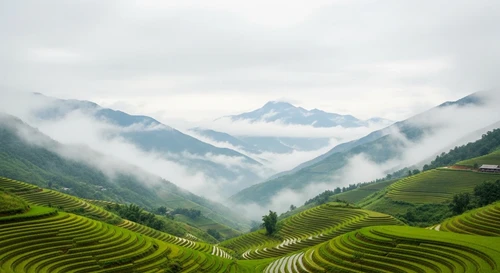
Sapa. The name itself conjures images of mist-shrouded mountains, emerald rice terraces, and vibrant ethnic cultures. While the town center of Sapa has certainly embraced its role as a popular tourist hub, the true magic, the raw, untamed beauty that has captivated travelers for decades, lies just beyond its bustling streets. It resides in the sprawling, undulating expanse of the Muong Hoa Valley. This isn't just a landscape; it's the beating heart of Sapa's trekking soul, a place where nature's artistry and ancient traditions converge in a breathtaking tableau.
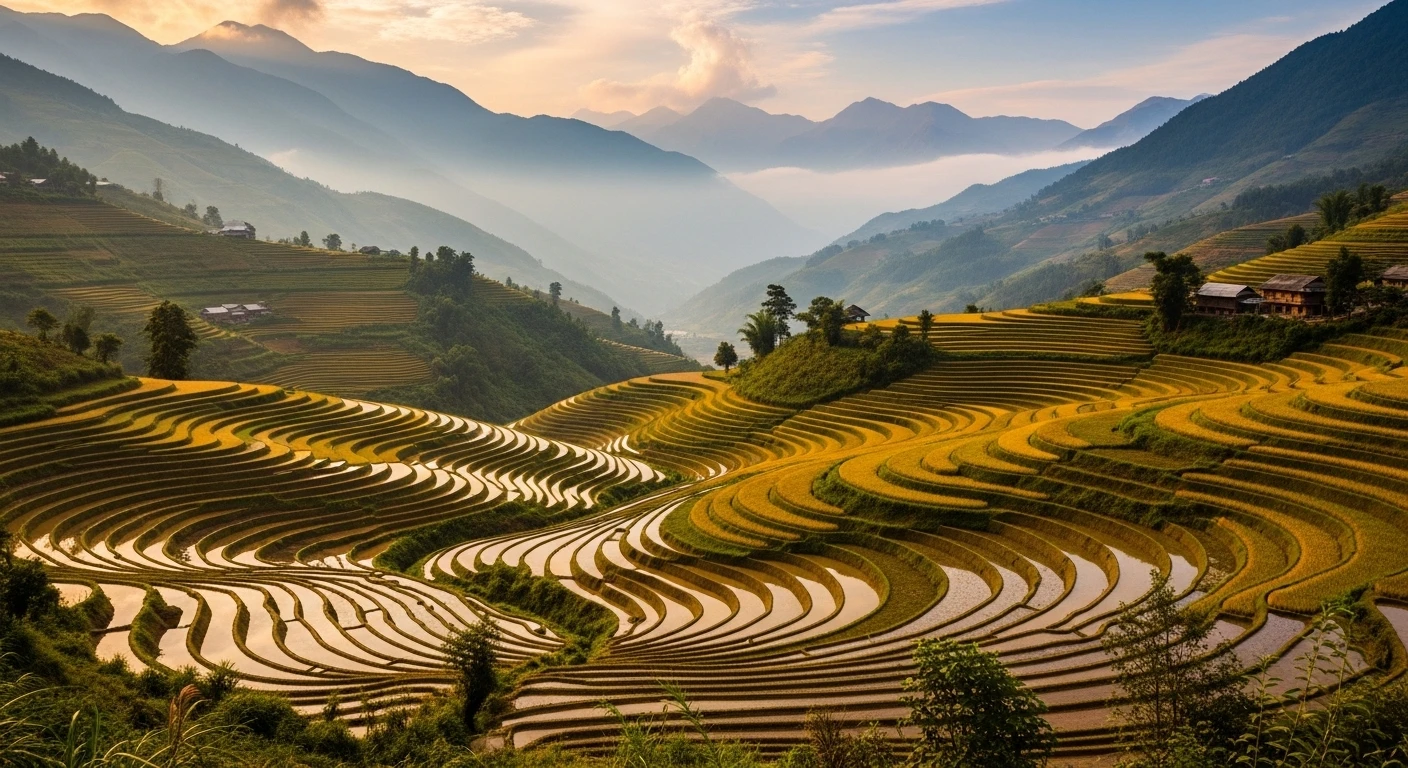
For the discerning traveler, the one who seeks authenticity over manufactured experiences, Muong Hoa is the siren call. It's a pilgrimage into a world sculpted by generations of ethnic minorities, a place where the rhythm of life is dictated by the seasons and the whispers of the wind through bamboo groves. Prepare to lace up your boots, for this is where your definitive Sapa adventure truly begins.
The Descent into Emerald Seas: A Trekker's First Glance
The journey typically starts with a descent from Sapa town, and it's here that the spectacle of Muong Hoa Valley unfolds with astonishing immediacy. As you leave the paved roads behind, the air grows cleaner, the sounds shift from urban hum to the chirping of unseen birds and the distant calls of villagers. Then, it appears: a vast, sculpted tapestry of green.
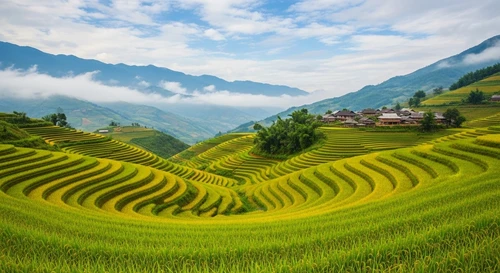
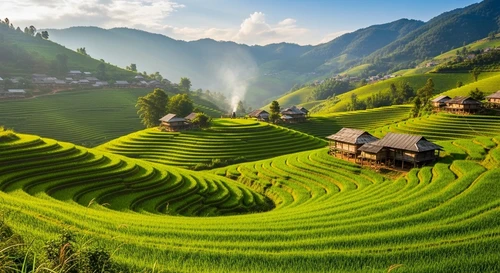
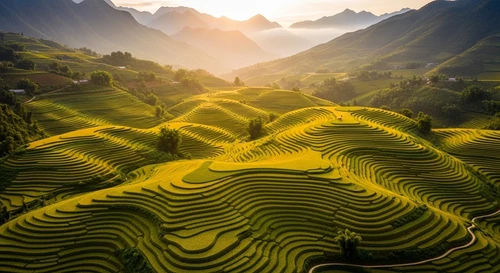
These are not just fields; they are masterpieces of human ingenuity and agricultural artistry. The terraced paddies, carved into the hillsides over centuries, follow the contours of the land like giant, shimmering staircases. Depending on the season, they are a vibrant emerald during the growing period, a golden hue of ripeness before harvest, or a reflective mirror holding the sky after the monsoon rains. The scale is immense, stretching as far as the eye can see, a testament to the enduring spirit of the people who call this valley home.

Your path will wind through these verdant slopes, often following narrow, sometimes muddy, trails. The visual impact is constant and overwhelming – a sensory feast of color, texture, and sheer natural grandeur.
Crossing the Veins of the Valley: Bamboo Bridges and Flowing Streams
The Muong Hoa Valley is not a flat expanse; it's a dynamic landscape crisscrossed by countless streams and small rivers that feed the rice fields. To navigate this terrain, the local communities have ingeniously crafted a network of bridges. Most iconic among these are the bamboo suspension bridges.
Crossing one of these is an experience in itself. They sway gently with each step, the polished bamboo groaning softly underfoot. The water flows beneath, clear and cool, a vital artery of life for the valley. These bridges are more than just functional crossings; they are symbolic conduits, connecting villages, people, and different parts of the valley. They offer a thrilling, slightly precarious, yet utterly charming way to immerse yourself in the natural flow of the landscape. Listen to the rush of the water, feel the gentle sway – it's a moment of pure, unadulterated connection.
Encounters with the Hill Tribes: Black Hmong and Red Dao
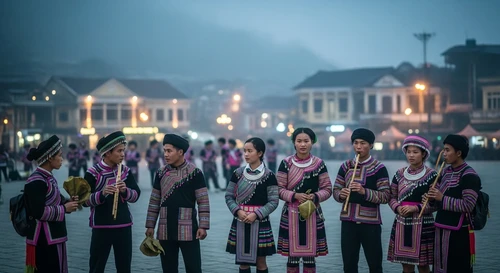
The Muong Hoa Valley is not merely a backdrop for stunning scenery; it is home to some of Vietnam's most fascinating ethnic minority groups. The Black Hmong and the Red Dao are the primary custodians of this land, and trekking through their villages offers a profound cultural immersion.
The Black Hmong, identifiable by their indigo-dyed clothing and distinctive silver jewelry, are known for their intricate embroidery and their deep connection to the land. As you trek, you'll see them working in the fields, tending to livestock, or gathering in vibrant village markets. Their homes, often simple yet sturdy wooden structures, are nestled amidst the terraces.
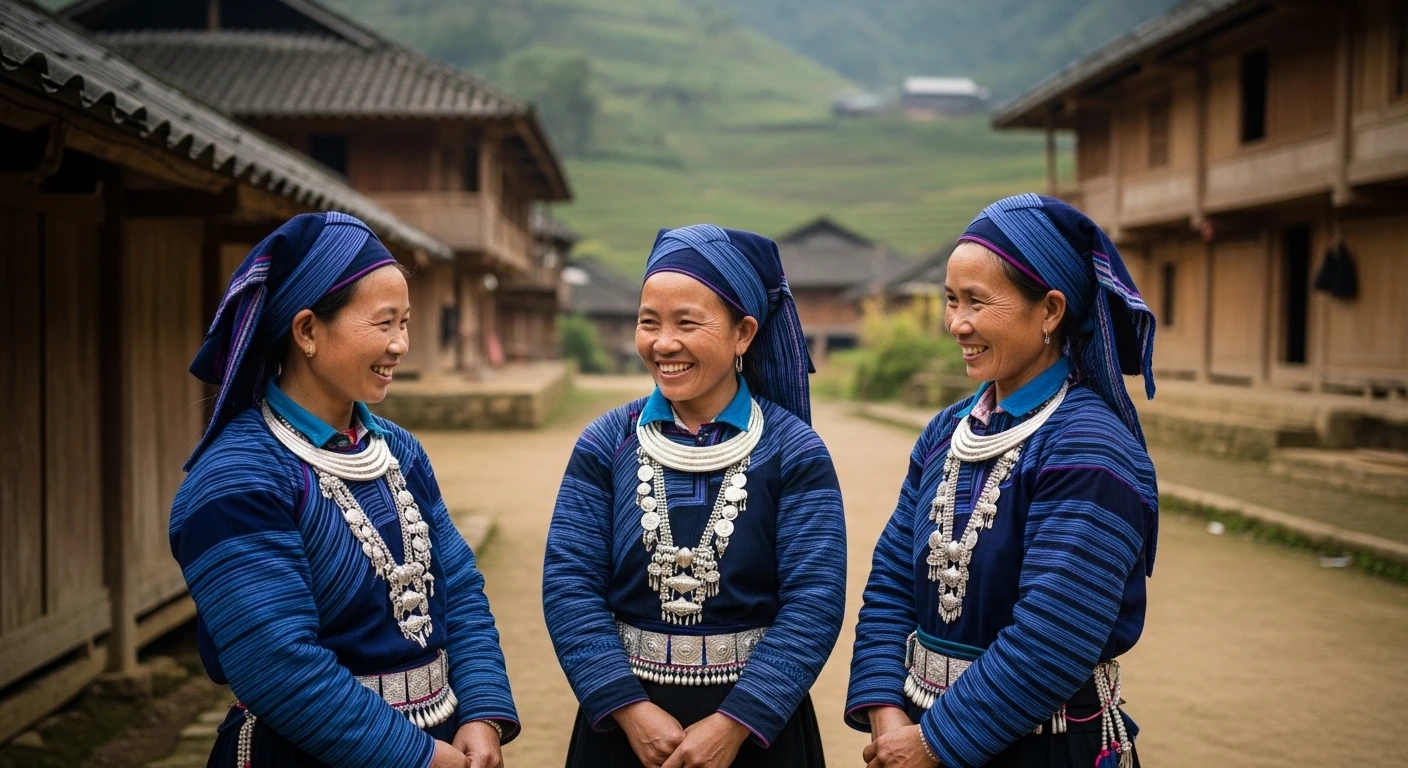
The Red Dao, with their striking red headdresses and intricately embroidered skirts, are equally integral to the valley's cultural fabric. Their traditions are rich, particularly their renowned herbal bath practices, a welcome balm after a long day's trek.
Interactions here are not staged performances. They are genuine glimpses into daily life. A smile, a shared cup of tea, a moment observing a craftsperson at work – these small gestures create a powerful sense of connection and understanding. It's crucial to approach these encounters with respect, observing local customs and perhaps purchasing handicrafts directly from the artisans, providing a tangible economic benefit to the communities.
The Villages of Muong Hoa: Ta Van, Lao Chai, and Beyond
Nestled within the emerald embrace of the valley are hamlets and villages that serve as vibrant cultural hubs. Among the most well-known are Lao Chai and Ta Van, though countless smaller settlements offer equally authentic experiences.
Lao Chai, often one of the first major villages encountered on a descent from Sapa, is a picturesque Black Hmong settlement. Here, the sheer scale of the terraced fields is overwhelming, and the village itself offers a lively introduction to local life. You might find yourself sharing a path with children playing, women returning from the fields with baskets of produce, or elders sharing stories.
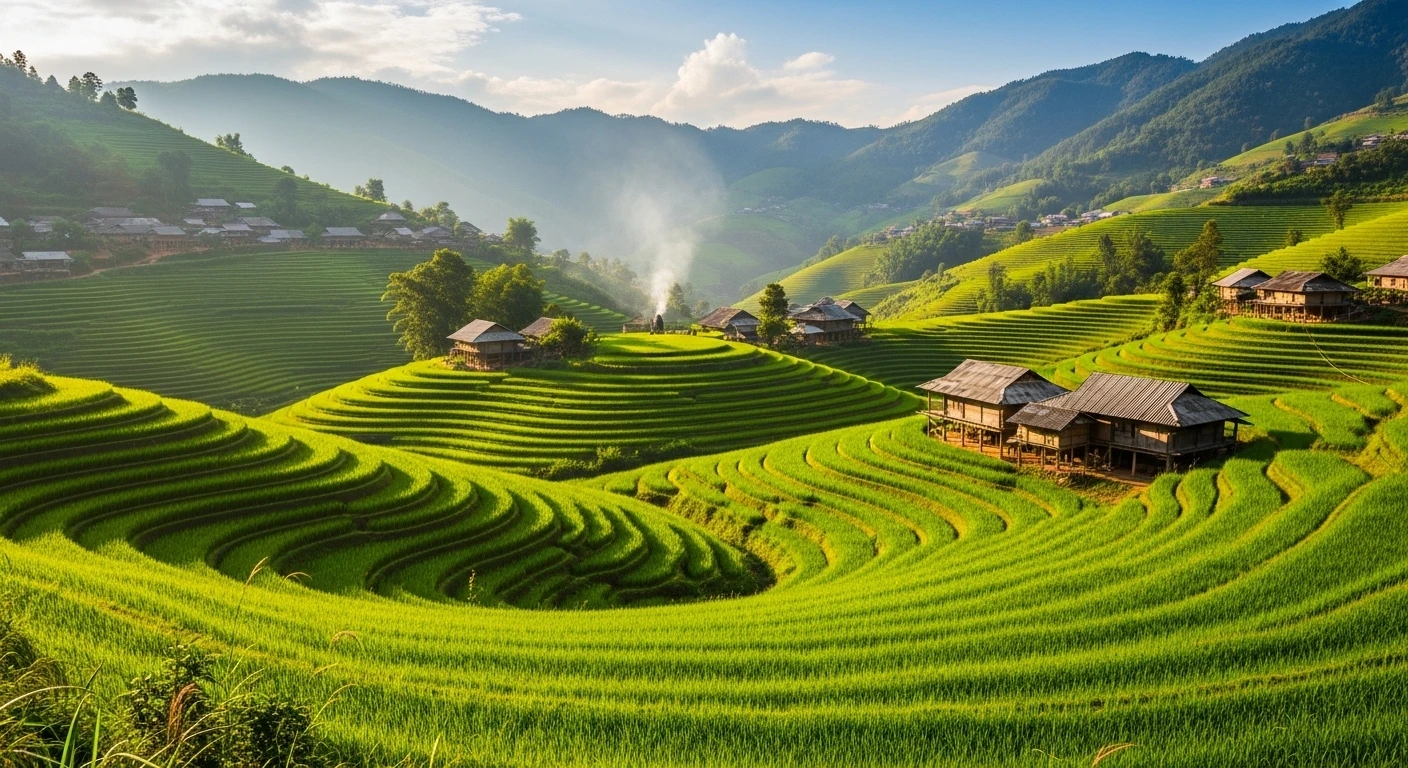

Further into the valley, Ta Van emerges as a tranquil haven, home to the Giay ethnic minority. This village is renowned for its welcoming homestays, often traditional wooden houses built on stilts. Staying here is an unparalleled opportunity to experience local hospitality firsthand. Imagine waking up to the panoramic views of the terraces, sharing meals prepared with fresh, local ingredients, and learning about the Giay culture over a steaming cup of green tea. It’s here that you might taste Com Lam, sticky rice cooked in bamboo tubes, a simple yet profoundly flavorful dish.
These villages are not just points on a map; they are living communities. Exploring them responsibly means engaging with their culture, understanding their way of life, and appreciating the deep roots they have in this spectacular valley.
The Trekker's Toolkit: What to Pack and Know
A successful trek through the Muong Hoa Valley requires more than just good intentions; it demands thoughtful preparation. The mountainous terrain, unpredictable weather, and cultural nuances all play a role.
- Footwear: Sturdy, broken-in hiking boots are non-negotiable. Trails can be slippery, muddy, and uneven.
- Clothing: Layers are key. Pack moisture-wicking base layers, a warm fleece or down jacket, and a waterproof, windproof outer shell. Light, quick-drying trousers are preferable to jeans.
- Sun Protection: Even on cloudy days, the sun at this altitude can be intense. Bring a wide-brimmed hat, sunglasses, and high SPF sunscreen.
- Insect Repellent: Especially important during warmer months.
- Water Bottle & Purification: Stay hydrated. Consider a reusable bottle and a purification method (tablets or filter) as clean water sources can be scarce.
- Small Backpack: For essentials like water, snacks, camera, and rain gear.
- Camera: You'll want to capture the breathtaking scenery and cultural moments.
- Small Vietnamese Dong: For purchasing local handicrafts, snacks, or water.
- Respectful Attitude: Learn a few basic Vietnamese phrases (hello, thank you) and always ask permission before taking photos of people.
Consider hiring a local guide. They not only ensure your safety and navigate the trails expertly but also provide invaluable cultural insights and facilitate genuine interactions with the communities. Many guides are from the very villages you'll be visiting, offering a direct economic benefit.
Culinary Delights Along the Trail
Trekking through Muong Hoa Valley is a journey for the senses, and that absolutely includes taste. While you might not find Michelin-starred restaurants, the culinary experiences are deeply authentic and incredibly satisfying.
Homestays offer the most immersive dining. Meals are typically prepared by your host family using ingredients sourced from their gardens or the local market. Expect hearty, home-style Vietnamese dishes with a regional twist. This could include flavorful stir-fried vegetables, succulent pork or chicken dishes, and, of course, delicious rice, the staple of Vietnamese cuisine.
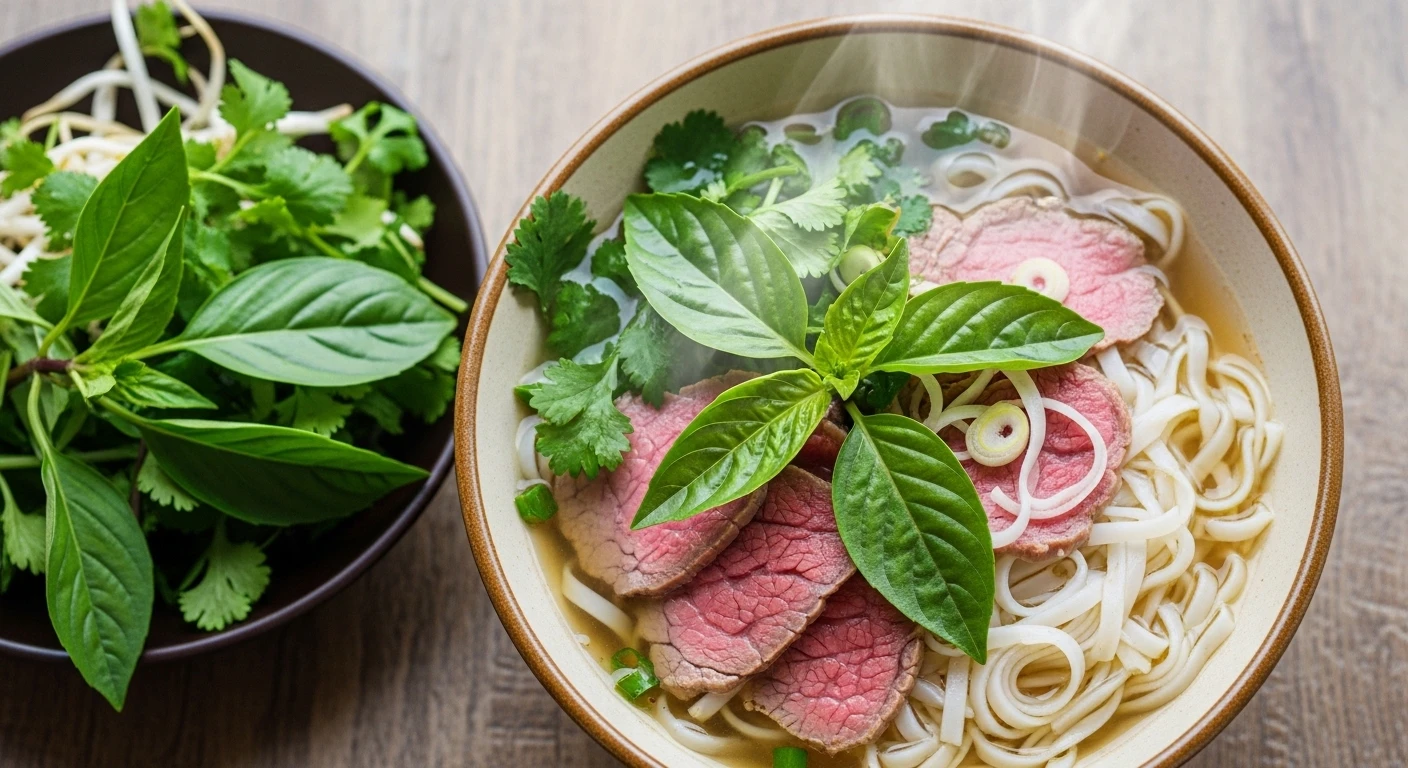
Don't miss opportunities to try local specialties. If you're lucky, you might sample Thang Co, a traditional Hmong horse meat stew, or other regional delicacies. For something simpler and universally loved, look for Com Lam (bamboo-cooked sticky rice), which is incredibly fragrant and satisfying. And of course, no meal is complete without a warming cup of Vietnamese tea or, for the adventurous, a shot of potent local corn wine.
The Magic of Homestays: Immersive Cultural Exchange
To truly experience the heart of Muong Hoa Valley, a homestay is essential. This isn't merely a place to sleep; it's an invitation into the daily life of an ethnic minority family.
Homestays range from basic, clean rooms within a family home to more comfortable wooden stilt houses designed specifically for guests. Regardless of the luxury level, the core experience is the same: genuine hospitality. You'll share meals around a communal table, observe family routines, and often have opportunities to converse (usually with the help of your guide as translator) about traditions, beliefs, and daily challenges.
This direct interaction fosters a deeper understanding and appreciation than any guidebook could provide. It's a chance to break down cultural barriers, share stories, and forge connections that transcend language. The warmth and generosity of the families hosting you are often the most memorable aspect of a Sapa trek.
Beyond the Trek: Red Dao Herbal Baths and Other Experiences
While the trekking itself is the main draw, the Muong Hoa Valley and its surrounding areas offer unique cultural experiences that enhance any visit. The Red Dao's famous herbal baths are a prime example.
A Soothing Reward
After days of hiking, the Red Dao herbal bath is a revelation. Aromatic leaves and roots, often including cardamom, ginger, and lemongrass, are boiled in a large wooden tub. The steam is invigorating, and the dark, fragrant water is incredibly soothing for tired muscles. It's a ritual that connects you to centuries-old healing traditions.
Other experiences might include visiting local markets, observing traditional weaving or indigo dyeing techniques, or even participating in a cooking class focused on regional Hmong or Dao cuisine. These activities, often arranged through your guide or homestay, add layers of depth to your journey, turning a scenic trek into a holistic cultural adventure.
Preserving the Valley: Responsible Trekking and Tourism
As the popularity of Muong Hoa Valley grows, so does the responsibility to tread lightly and respectfully. The beauty of this region lies in its untouched authenticity, a characteristic that must be safeguarded for future generations.
Choosing local guides and homestays directly supports the communities who are the stewards of this land. Avoiding single-use plastics, properly disposing of waste, and being mindful of noise pollution are small but significant actions. Engaging with locals with respect, understanding their customs, and refraining from intrusive photography are paramount.
The magic of Muong Hoa Valley is its raw, unvarnished reality. By traveling responsibly, we help ensure that this "trekking heart of Sapa" continues to beat strongly, offering its unparalleled blend of natural splendor and vibrant cultural heritage to those who seek it with an open heart and a respectful spirit.