Where Mountains Whisper and Hearts Connect
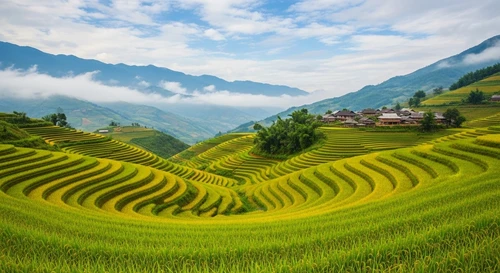
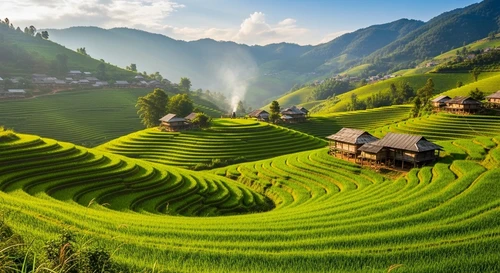
As dusk settles over the rolling hills and terraced rice paddies of Sapa, a different kind of magic begins to stir. The crisp mountain air, usually carrying the scent of damp earth and pine, starts to hum with a new melody. It’s the sound of Saturday night, a tradition as old as the mountains themselves, where the vibrant ethnic communities of the region gather for more than just socialising – they come to find love.
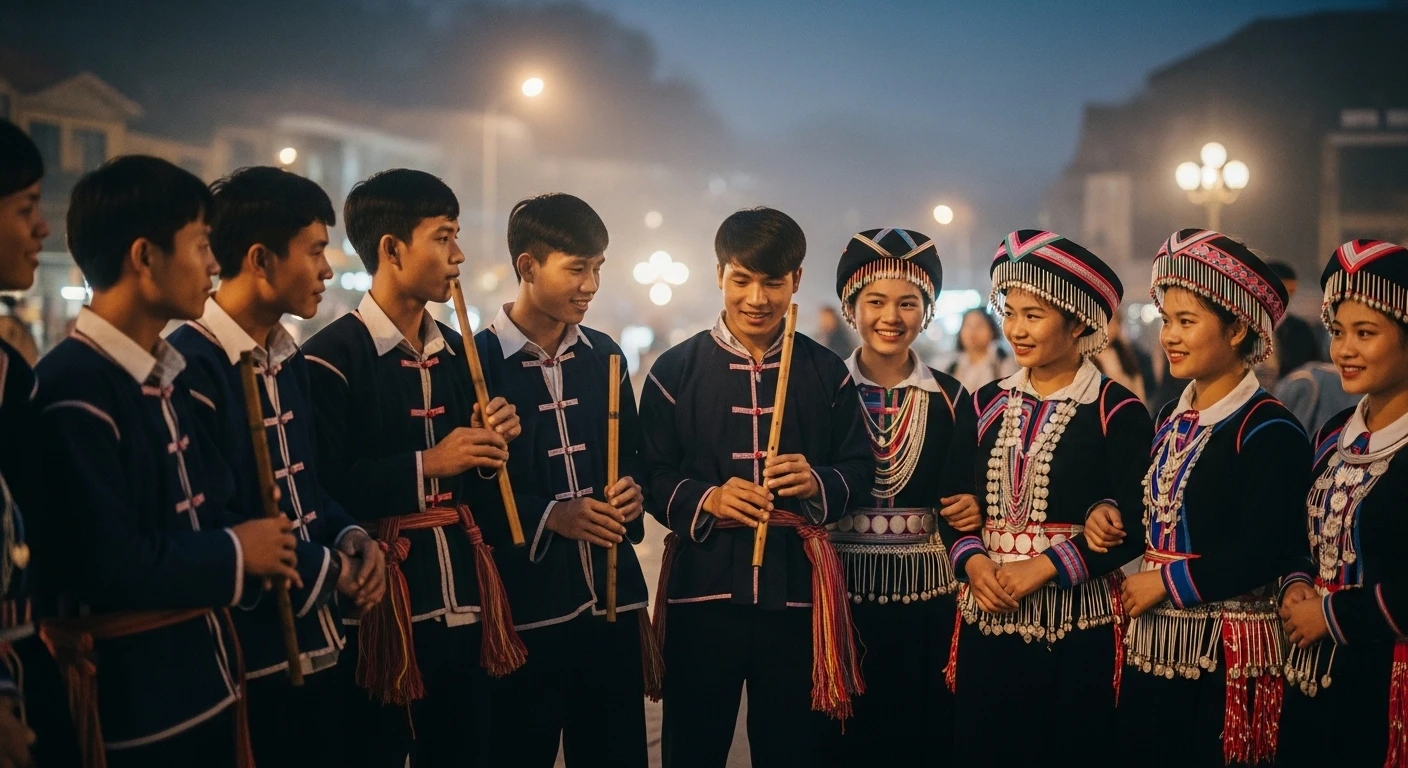
This is the Sapa Love Market, a cultural spectacle that transforms the central town square into a lively, pulsating hub of courtship rituals. Far from the commercialised bazaars that sometimes bear the same name, this is an authentic meeting ground for the Hmong and Dao ethnic minorities, a place where traditional courtship practices still flourish under the starry sky. It's a rare glimpse into a world where music, song, and genuine connection are the keys to finding a lifelong partner.
A Stage Set by Nature
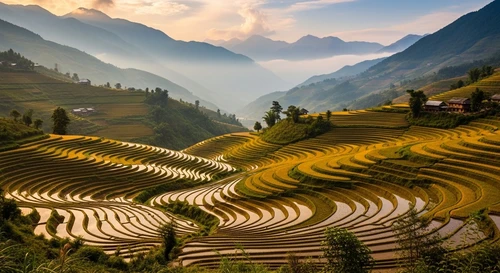
Sapa, nestled high in Vietnam's northern mountains, is a place of breathtaking natural beauty. Its dramatic landscapes of mist-shrouded peaks, emerald rice terraces cascading down steep slopes, and remote villages are home to diverse ethnic groups. It's a region that has long captivated travellers with its rugged charm and the rich tapestry of its indigenous cultures.
The town of Sapa itself, though experiencing modern development, retains a unique atmosphere. By day, it’s a hub for trekking tours and souvenir shopping. But as night falls, especially on a Saturday, a palpable shift occurs. The main square, often bustling with tourists earlier in the day, becomes the focal point for a deeply ingrained cultural tradition. The cool mountain air, the soft glow of streetlights, and the distant murmur of village life create an enchanting backdrop for the evening's proceedings.
Young Hearts, Ancient Rhythms
The Love Market is primarily a domain for the young adults of the Hmong and Dao communities, although older members may also be present, observing or participating in subtler ways. These are not merely casual encounters; they are structured, time-honoured traditions passed down through generations.
Young men and women, often adorned in their finest traditional attire – the intricate embroidery and vibrant colours of the Hmong, or the striking indigo dyes and silver adornments of the Dao – come to the square with a specific purpose. The girls might be seen in small groups, often wearing bright skirts and elaborately decorated headwear, while the boys, perhaps dressed in simpler, yet equally traditional clothing, approach them with a mix of shyness and determination.
Melodies of the Heart
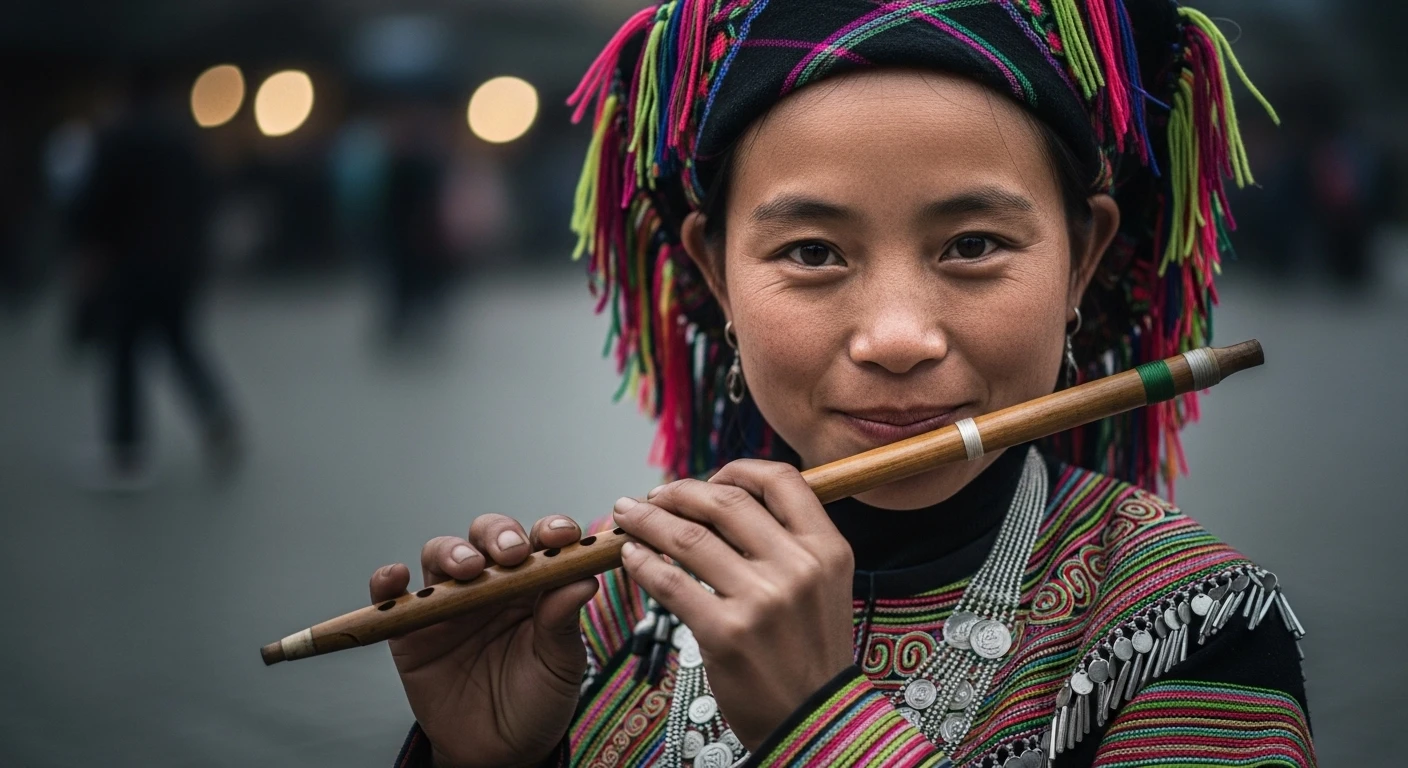
The most iconic element of the Sapa Love Market is its unique musical courtship. The air becomes filled with the haunting, ethereal sound of the leaf flute (known as "khèn lá" or similar variations depending on the specific Hmong dialect). Boys will often play this simple yet evocative instrument, its reedy tones carrying across the square. This is not just music; it's a declaration, a gentle beckoning, a way to express emotions that words might not adequately capture.
Accompanying the flutes are the courtship songs. These are often sung in call-and-response patterns, with boys singing to attract girls and girls responding, sometimes coyly, sometimes with playful defiance. The lyrics are rich with metaphors drawn from nature, everyday life, and the aspirations of young love. They speak of the beauty of the mountains, the fertility of the land, and the desire for a partner with whom to build a future.
For visitors, the opportunity to witness this musical dialogue is a profound cultural experience. It highlights how deeply ingrained these traditions are, and how music remains a powerful, universal language of human connection.
From Melody to Match
The process of finding a partner at the Love Market is subtle and respectful. A young man might approach a girl he is interested in, perhaps after playing his flute or singing a song that catches her attention. If she is receptive, they will begin to talk, their conversation flowing from the initial musical overtures.
This initial interaction is often a test of compatibility, a chance to gauge each other's personalities, values, and intentions. If the connection is strong, they might agree to meet again, perhaps on subsequent Saturday nights, or arrange a meeting in their respective villages. This can lead to a period of courtship, often involving visits, shared work, and introductions to families, ultimately culminating in marriage.
It's important to remember that this is not a free-for-all. The young people participating are part of conservative communities where marriage is a significant life event, deeply tied to family and social standing. The Love Market is a sanctioned, culturally approved avenue for this vital aspect of life.
Preserving Heritage in a Modern World
The Sapa Love Market is a powerful symbol of cultural resilience. In a rapidly changing Vietnam, where traditional customs often face pressure from globalised influences, this event stands as a vibrant testament to the enduring strength of ethnic heritage.
For the Hmong and Dao people, these traditions – the distinctive clothing, the musical instruments, the courtship rituals, the languages, and the community structures – are the very essence of their identity. The Love Market provides a vital platform for the younger generation to connect with their heritage, reinforcing the bonds between them and their ancestors. It ensures that these unique cultural practices are not lost but continue to evolve and thrive.
While tourism has brought increased attention to Sapa, it's crucial for visitors to approach the Love Market with respect and sensitivity. This is not a performance; it is a genuine social event where people are navigating one of life's most significant decisions.
Experiencing the Magic Responsibly
For travellers seeking an authentic cultural encounter, the Sapa Love Market is an unparalleled opportunity. However, responsible tourism is key to preserving its integrity.
When to Go: While it's called the "Saturday Night" tradition, the most vibrant and traditional form occurs on specific festival nights throughout the year, particularly during Lunar New Year (Tet) and other local festivals. On regular Saturdays, there's often a more subdued version, but the core elements of music and gathering are usually present. It's best to check with local guides or your accommodation for specific dates and intensity.
Respectful Observation:
- Dress Appropriately: While not strictly enforced for visitors, dressing modestly and respectfully shows consideration for the local culture.
- No Flash Photography: Avoid using flash photography, especially when people are singing or playing instruments, as it can be disruptive and considered rude. Ask for permission before taking close-up photos of individuals.
- Maintain Distance: Observe from a respectful distance. Do not intrude on private conversations or interactions.
- Consider a Local Guide: Engaging a local guide can provide invaluable insight into the traditions, explain the songs and customs, and help ensure you are a respectful observer.
The experience is best when you allow yourself to be immersed in the atmosphere, listening to the music and observing the gentle unfolding of human connection.
Deeper into the Hills
While the Love Market is a captivating event, it is merely one facet of the rich cultural landscape of Sapa. To truly understand the lives of the Hmong and Dao people, venturing into the surrounding villages is essential.
Destinations like Cat Cat Village, easily accessible from Sapa town, offer a glimpse into traditional Hmong life, complete with stilt houses, textile weaving, and cascading waterfalls. Further afield, villages like Ta Phin, home to the Red Dao, provide opportunities to experience their unique herbal bath traditions and intricate indigo dyeing techniques.
Engaging with locals in these villages, perhaps through homestays or by purchasing handmade crafts directly from the artisans, offers a more intimate understanding of their daily lives, their challenges, and their enduring traditions. This holistic approach transforms a tourist visit into a meaningful cultural exchange.
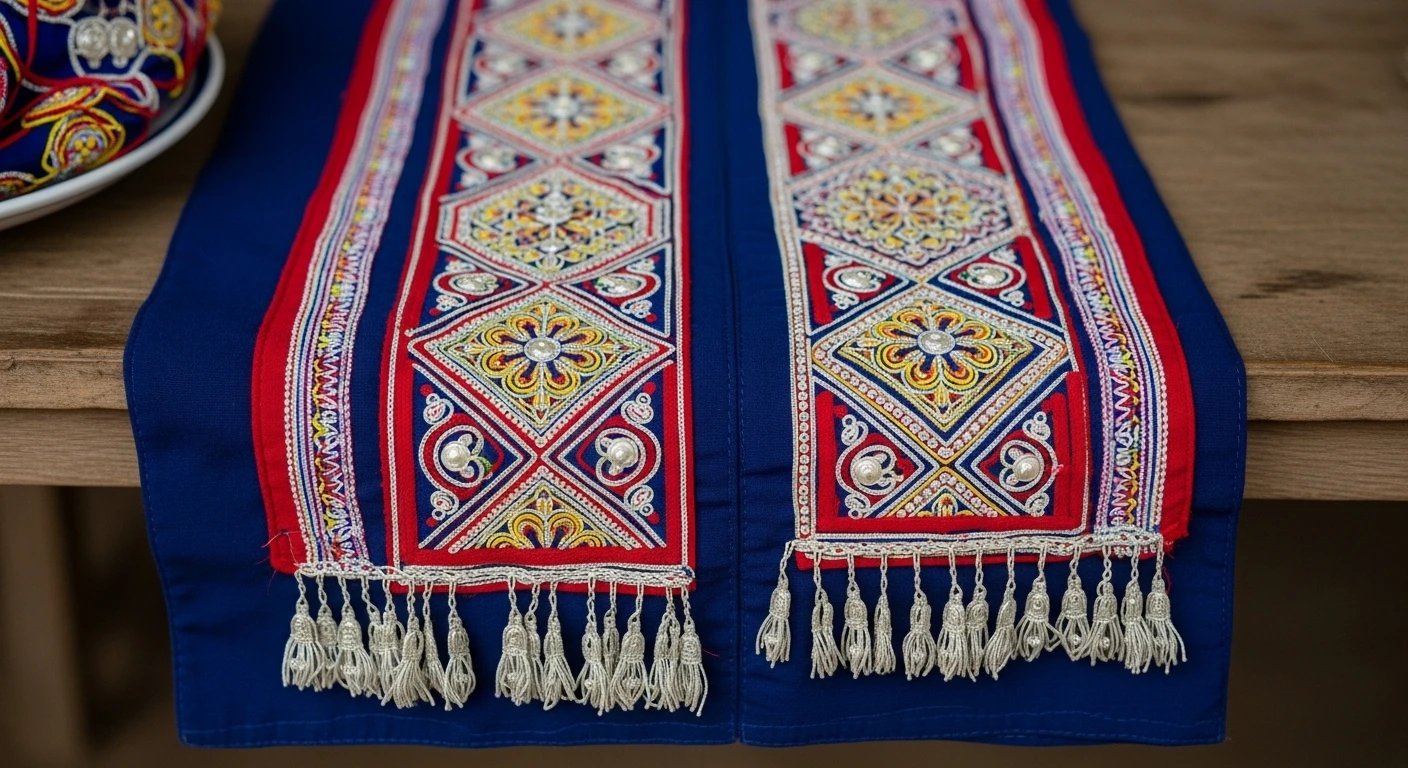
Discover Hmong & Dao Handicrafts
Support local artisans by purchasing authentic, handcrafted textiles and silver jewelry. Each piece tells a story of tradition and skill.
Explore Cat Cat VillageA Timeless Ritual in the Mist
The Sapa Love Market is more than just a place to meet; it's a living museum, a vibrant expression of enduring cultural practices. It's a reminder that even in our interconnected world, ancient traditions of courtship, music, and community can persist, offering a unique window into the human heart.
For travellers willing to venture beyond the well-trodden paths and observe with an open mind and a respectful spirit, the Saturday nights in Sapa offer an unforgettable experience. It’s a chance to hear the whisper of ancient melodies, witness the quiet hope in young eyes, and feel the profound connection between people, their land, and their heritage. The echoes of these traditions will linger long after you've descended from the mountain mists.
Planning Your Sapa Adventure?
Discover the stunning landscapes and other cultural gems of the Sapa region.
⛰️ Explore Sapa's Highlands