Rach Gia: The Overlooked Gateway to Island Dreams
For many travelers, Rach Gia is merely a name on a ferry ticket – a functional port city that bridges the mainland of Vietnam's Kien Giang province to the famed shores of Phu Quoc Island. It’s a place to pass through, not to linger. But to treat Rach Gia as just another transit point is to miss a vibrant slice of coastal Vietnamese life. This isn't the manicured tourist trail; this is where the rhythm of the Gulf of Thailand dictates the day, where the scent of salt and spices hangs heavy in the air, and where a steaming bowl of Bun Ca tells a story as old as the fishing boats bobbing in the harbor.
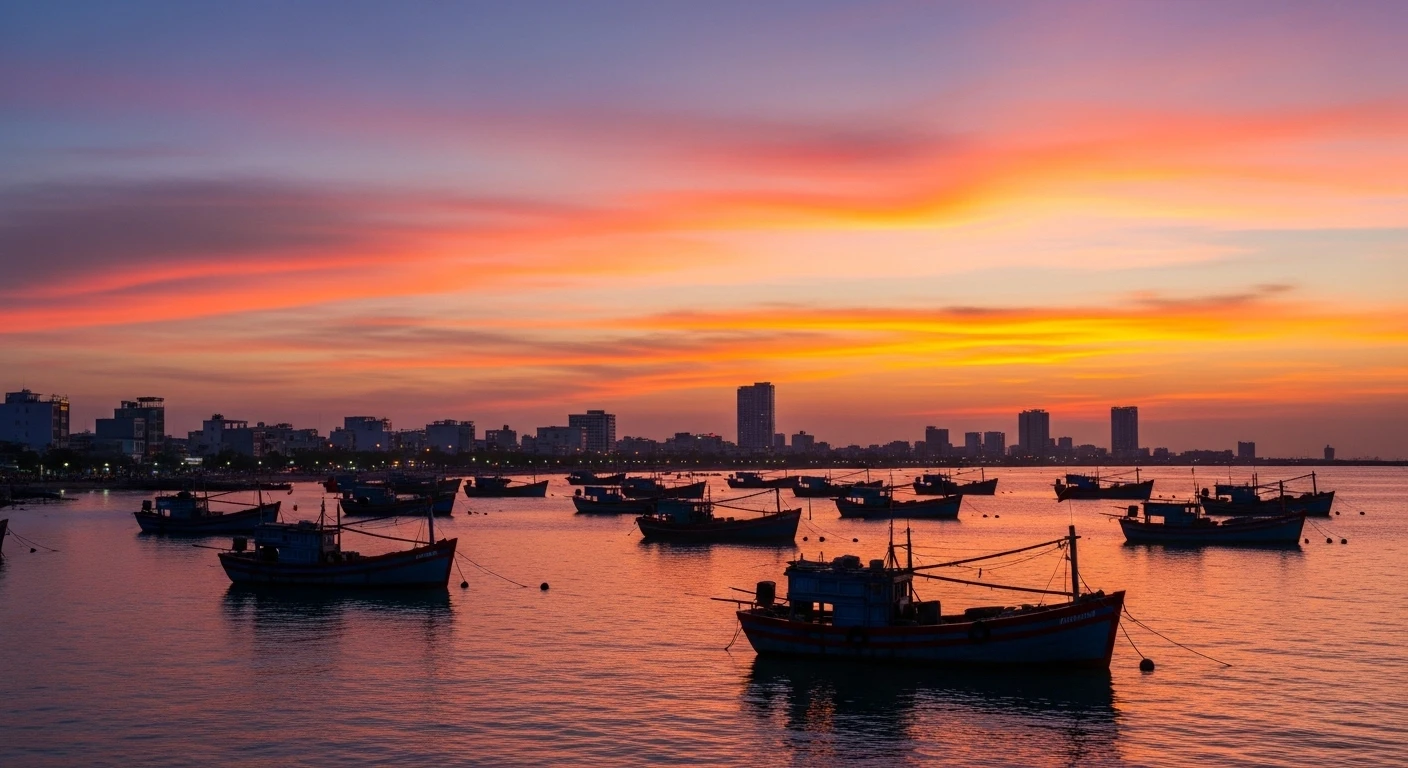
The vibrant skyline of Rach Gia meets the tranquil waters of the Gulf of Thailand, promising more than just a ferry connection.
Forget the hurried ferry queues for a moment. Step off the bus or out of your taxi and breathe it in. Rach Gia is a city that lives and breathes its connection to the sea. Its people are fishermen, salt farmers, and market vendors. Their lives are shaped by the tides, the catch, and the sun. This is the raw, unfiltered Mekong Delta coast, and it’s precisely this authenticity that makes it a worthwhile destination in its own right.
Echoes of the Past, Pulse of the Present: Kien Giang Museum and Local Rhythms
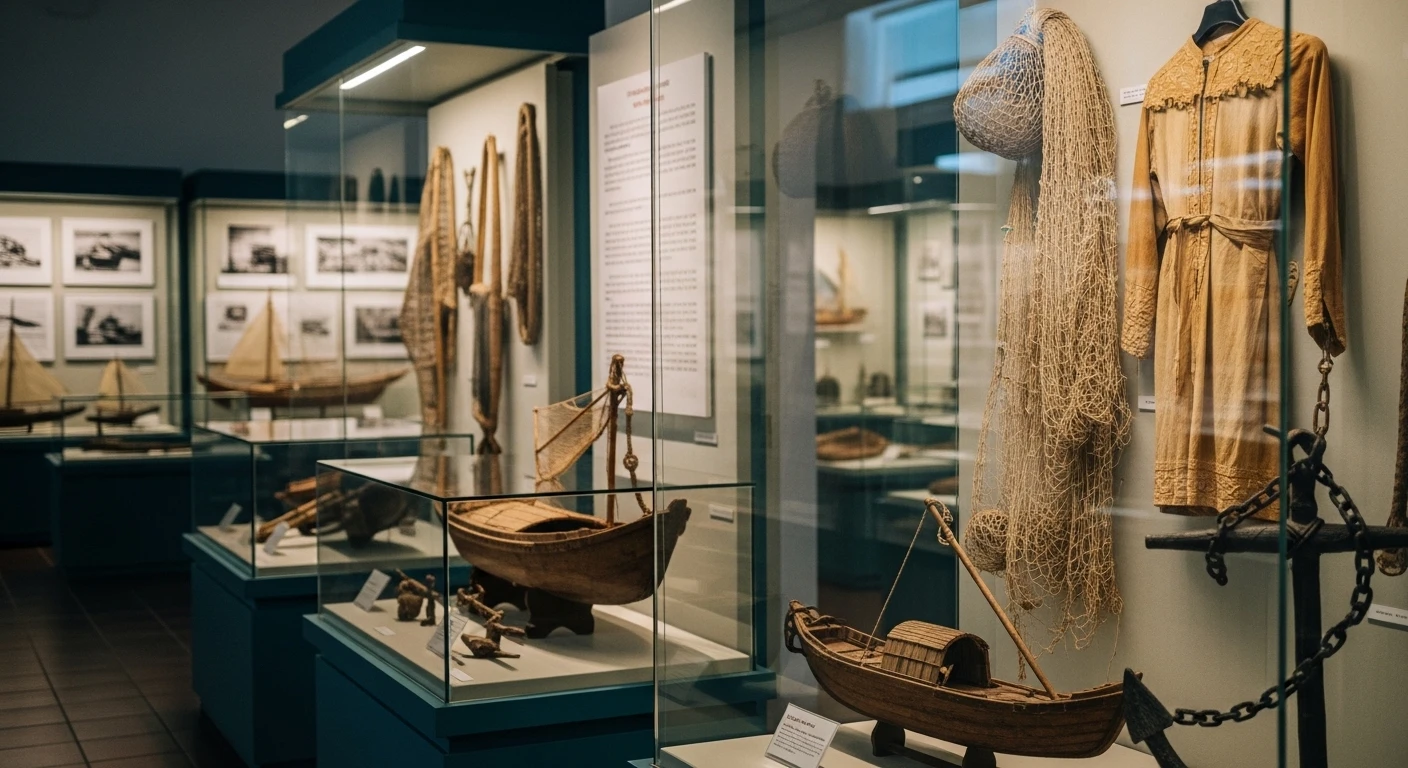
To truly understand Rach Gia, start at the Kien Giang Museum. It’s an unassuming building, but within its walls lies the story of this coastal province. You’ll find exhibits on the region’s ancient history, its strategic importance along the coast, the diverse ethnic groups that call Kien Giang home, and the enduring connection to the sea through fishing and trade. It provides a crucial context for the bustling city you see outside.
Beyond the museum, simply wander. Explore the central market, where vendors hawk fresh seafood, tropical fruits, and fragrant herbs. Observe the fishermen mending their nets, their hands moving with practiced ease. The pace of life here is slower, more deliberate than in the major metropolises, allowing for genuine interactions. Engage with a smile, a nod, or a simple "xin chào" (hello), and you'll often find a warmth and openness that belies the city’s functional reputation. This is the pulse of coastal Vietnam.
The Golden Hour: Sunset Symphony over the Gulf of Thailand
As the day begins to wane, Rach Gia offers a spectacle that rivals any postcard: the sunset over the Gulf of Thailand. Head to the waterfront promenade, a long stretch of paved walkway that hugs the coastline. Find a spot, perhaps near one of the local cafes or simply on the wall, and watch as the sky ignites.
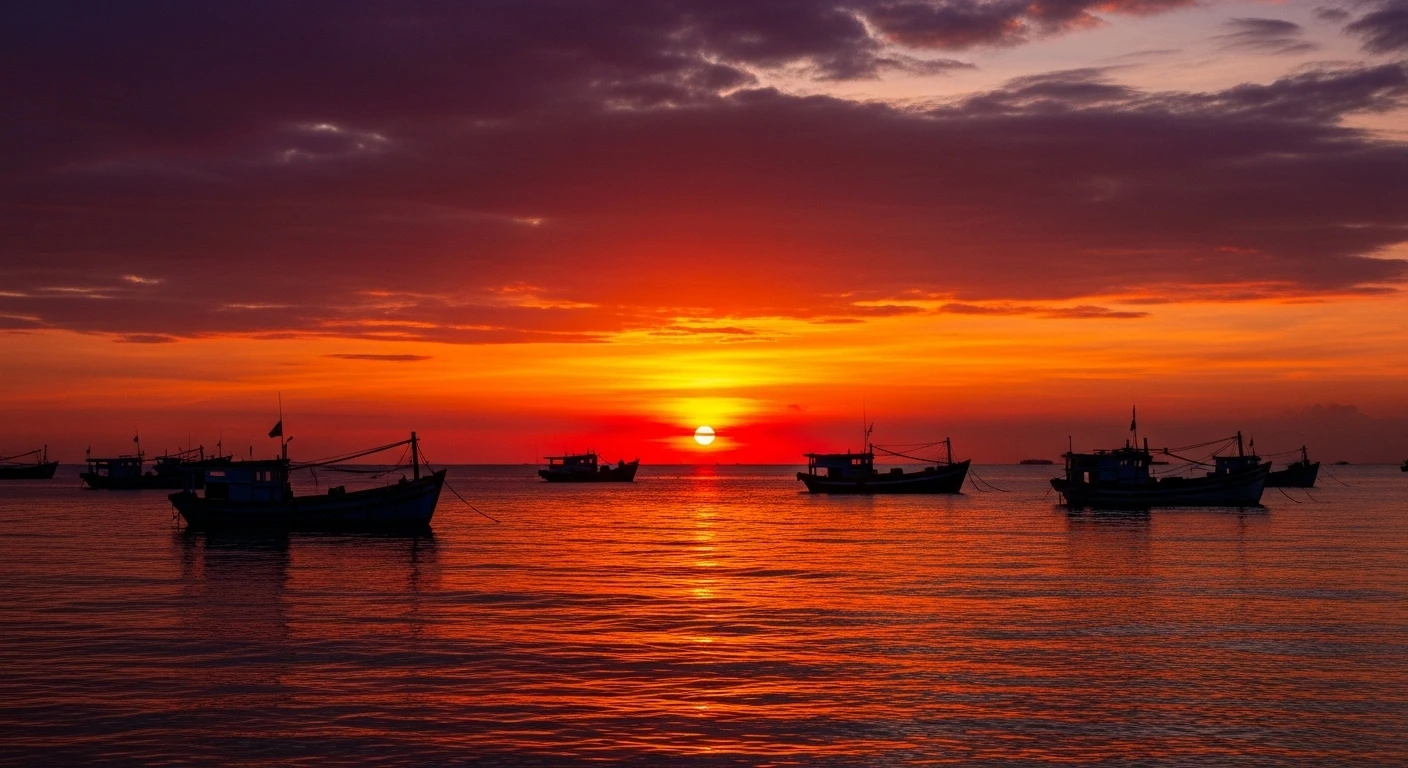
The sun, a fiery orb, dips below the horizon, painting the clouds in shades of gold, orange, and deep violet. Fishing boats, their silhouettes stark against the vibrant sky, return to harbor. The air cools, and a gentle breeze rolls in from the sea. It’s a moment of quiet contemplation, a profound connection to the natural beauty of this corner of Vietnam, and a powerful reminder of why coastal cities have captivated humans for millennia. This is a ritual, observed daily by locals and a few in-the-know travelers, and it’s utterly captivating.
The Soul of Rach Gia: A Steaming Bowl of Bun Ca
No exploration of Rach Gia, or indeed any Vietnamese city, is complete without a deep dive into its signature dish. Here, that dish is Bun Ca, a regional fish noodle soup that is both humble and complex, comforting and utterly delicious. Forget the fancy restaurants; the best Bun Ca is found in small, bustling eateries, often run by families for generations.
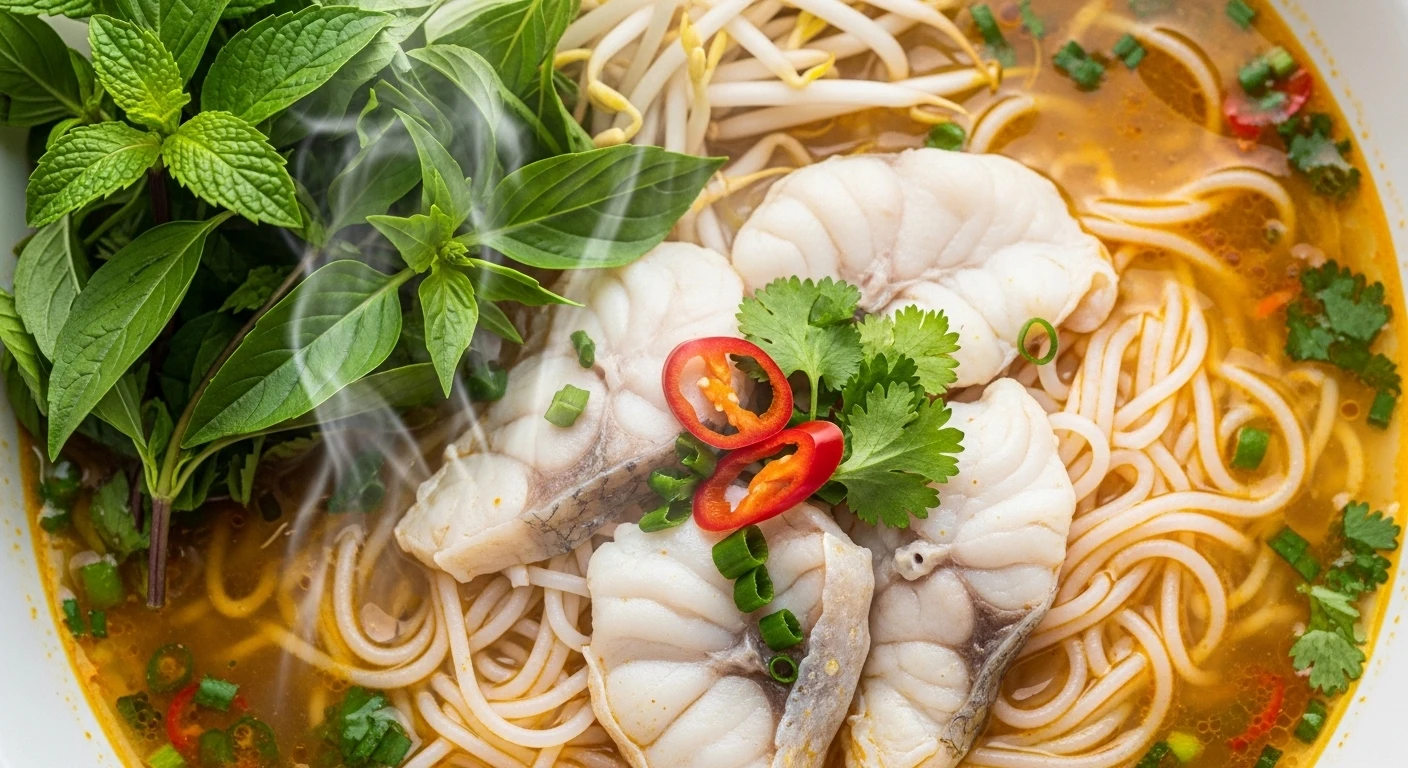
What makes Rach Gia’s Bun Ca special? It’s the broth, simmered for hours with fresh fish – often snakehead fish or tilapia caught from the nearby waterways – infused with lemongrass, chili, and sometimes a hint of fermented shrimp paste (mắm ruốc) for that unmistakable umami depth. The fish is often flaked or served in tender chunks, delicate and sweet. This is then paired with thin rice vermicelli noodles (bún), and served with a generous plate of fresh herbs – mint, basil, perilla – bean sprouts, and lime wedges.
The magic lies in the interplay of flavors and textures: the aromatic, slightly spicy broth, the tender fish, the slippery noodles, and the burst of freshness from the herbs. It’s a dish that warms you from the inside out, a true taste of the Mekong Delta’s culinary heritage. Seek out local recommendations, look for busy spots, and prepare for a culinary revelation that will redefine your perception of noodle soup. This is food that grounds you, connects you to the place, and satisfies the soul.
The Wider Palette: Exploring Rach Gia's Other Culinary Delights
While Bun Ca might steal the show, Rach Gia’s culinary scene extends far beyond this iconic soup. As a coastal city, seafood is king. Freshly grilled prawns, squid, and various local fish are staples. Look for stalls selling Banh Xeo (crispy savory crepes) or Hu Tieu, another popular noodle soup variation, often with a clearer broth and different noodle types. The street food here is diverse and tantalizing.
The fishing industry is the lifeblood of Rach Gia. Observing the docks, especially in the early morning or late afternoon, gives you a direct glimpse into the daily grind. The sheer volume of boats, the piles of ice, the crates of fish being sorted – it's a testament to the skill and labor that fuels this coastal economy. You might even see salt farms nearby, vast expanses of shallow water meticulously managed to produce sea salt, another vital commodity. Understanding these livelihoods enriches the experience of enjoying the local food.
Navigating Rach Gia: Your Practical Guide
Rach Gia is located in Kien Giang province, in the southwestern part of Vietnam, along the Gulf of Thailand.
Getting to Rach Gia:
The most common international gateway into Vietnam is Tan Son Nhat International Airport (SGN) in Ho Chi Minh City.
From Ho Chi Minh City: The most practical way to reach Rach Gia is by bus. Numerous bus companies operate daily services from Ho Chi Minh City’s Mien Tay Bus Station (Ben Xe Mien Tay). The journey typically takes about 4-5 hours, depending on traffic and road conditions. Buses are comfortable and an affordable way to travel.
From Can Tho: If you are already in the heart of the Mekong Delta, you can also take a bus or private car from Can Tho to Rach Gia. This journey is shorter, usually around 2-3 hours.
For Phu Quoc: Ferries depart from Rach Gia to Phu Quoc Island regularly. These are usually high-speed ferries and the crossing takes approximately 2.5 to 3 hours. It's advisable to book your ferry tickets in advance, especially during peak season.
Getting Around Rach Gia:
Rach Gia is a relatively compact city, and much of the central area can be explored on foot. For longer distances or to reach the waterfront promenade and markets, xe om (motorbike taxis) are readily available and inexpensive. Negotiate the fare before you get on. Taxis are also available, and it’s a good option for groups or families. If you are staying for a few days and want to explore the surrounding areas, consider renting a motorbike, but be cautious of local traffic conditions.
Refuel and Recharge: Rach Gia's Best Bites and Beds
While Rach Gia doesn't boast luxury resorts, you'll find comfortable and clean accommodation catering to various budgets. Look for hotels near the city center or the waterfront for easy access to attractions and food. Options range from simple guesthouses to mid-range hotels.
For dining, as mentioned, follow your nose to the local eateries for the best Bun Ca. The central market area is a hub for street food and local restaurants. The waterfront promenade also has several cafes and restaurants offering seafood and Vietnamese specialties, perfect for enjoying that sunset view. Don't be afraid to try the roadside vendors – they often serve the most authentic and flavorful dishes at unbeatable prices.
The Unsung Hero: Why Rach Gia Deserves Your Attention
Rach Gia is a city that offers a genuine, unvarnished glimpse into coastal Vietnamese life. It’s a place where tradition meets the modern world at its own pace. It’s the gateway, yes, but it's also a destination that rewards curiosity.
Choosing to spend a day or two here means experiencing the profound connection between the people and the sea, tasting the authentic flavors that have sustained generations, and witnessing a sunset that will etch itself into your memory. It’s about understanding that sometimes, the most rewarding travel experiences are found not in the famous hotspots, but in the overlooked corners. So, next time your ferry ticket to Phu Quoc has Rach Gia on it, consider making it a stop, not just a passage. You might just find yourself enchanted.
More Journeys in Vietnam's Cultural Tapestry

Cai Rang Floating Market: The Sinking Culture of the Mekong Delta
Wake up at 4 AM to witness hundreds of wooden boats trading pineapples, watermelons, and hot noodle soups on the river. A chaotic, vibrant, and slowly fading way of life.
Read More
Ba Chua Xu Temple: The Epicenter of Mekong Delta Mysticism
Millions of pilgrims flock to Chau Doc to offer roasted pigs to a mysterious stone goddess. Uncover the spiritual power and wild legends of Ba Chua Xu.
Read More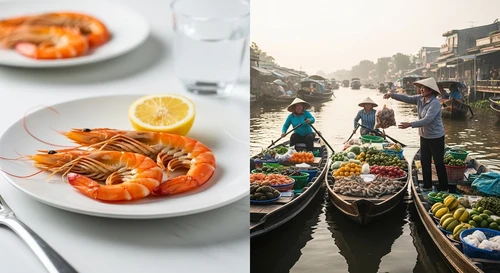
Can Tho Delta Capital: Cai Rang Market and Fish Sauce Hotpot
The beating heart of the Mekong. Wake up at dawn for the bustling floating market, cycle through cacao gardens, and brace yourself for the pungent 'Lau Mam' hotpot.
Read MoreExplore More Culture
View more Travel & Culture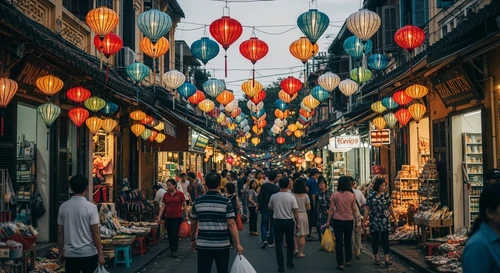
Saigon District 5: Cho Lon Chinatown, Lanterns, and Roast Duck
Step into a different world. Wander through atmospheric Taoist temples thick with incense, buy silk lanterns on Luong Nhu Hoc, and eat legendary Peking duck.
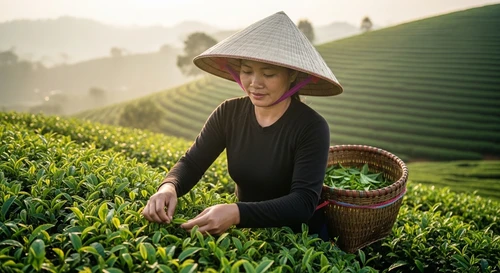
Thai Nguyen Tea Estates: Picking Leaves and Bamboo Rice
Vietnam's undisputed green tea capital. Spend a day in Tan Cuong picking tea leaves with locals, learning the roasting process, and eating rice cooked in bamboo tubes.

Ben Tre Sampan Tour: Paddling the 'Coconut Kingdom'
Wear a conical hat and let a local woman row you down impossibly narrow, muddy canals completely enveloped by bending Nipa palm trees. A deeply atmospheric Mekong experience.
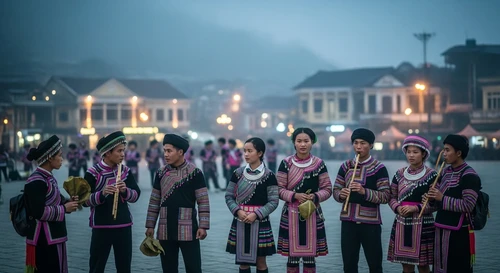
Sapa Love Market: The Saturday Night Matchmaking Tradition
Witness the Hmong and Dao ethnic youth gathering in the town square to play leaf flutes, sing courtship songs, and find future partners. A vibrant cultural spectacle.
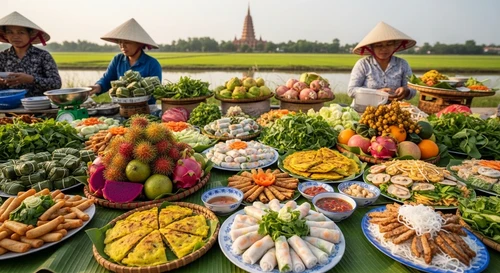
Soc Trang Khmer Heritage: Bat Pagoda and Banh Pia
Explore the deep Theravada Buddhist roots of the Delta. Marvel at the gilded Khmer architecture of the Bat Pagoda and bite into a stinky, flaky Durian Banh Pia pastry.
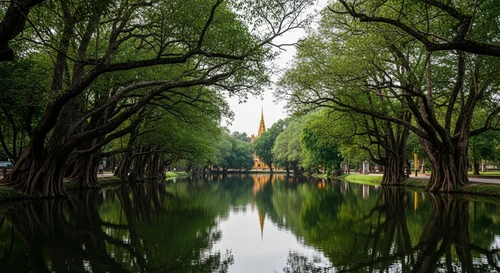
Tra Vinh Tranquility: Khmer Temples and Bun Suong
Vietnam's quietest province. Cycle under the canopy of ancient trees around Ba Om Pond, visit the golden Ang Pagoda, and eat the bizarre shrimp-sausage noodle soup.

The Marble Mountains: Exploring Da Nang's Spiritual Caves
Five limestone and marble peaks named after the five elements. Climb the uneven steps to discover hidden Buddhist shrines, bullet-riddled grottos, and panoramic views of the coastal city.
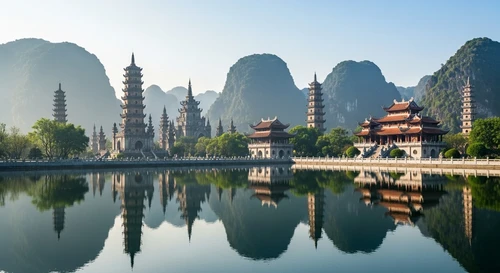
Ha Nam Spiritual Grandeur: Tam Chuc Pagoda and Banh Cuon
Take a boat across a misty lake to reach the largest Buddhist pagoda complex in the world. Afterwards, refuel with Phu Ly's famous rolled rice pancakes and grilled pork.
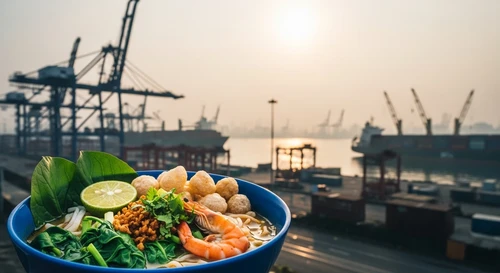
Hai Phong City: Do Son Beach, Cat Ba Ferry, and Spicy Breadsticks
The port city has its own gritty charm. Take the ferry to Cat Ba, relax at Do Son beach, and eat dozens of tiny, pate-stuffed baguettes loaded with fiery chili sauce.
Can Tho Delta Capital: Cai Rang Market and Fish Sauce Hotpot
The beating heart of the Mekong. Wake up at dawn for the bustling floating market, cycle through cacao gardens, and brace yourself for the pungent 'Lau Mam' hotpot.
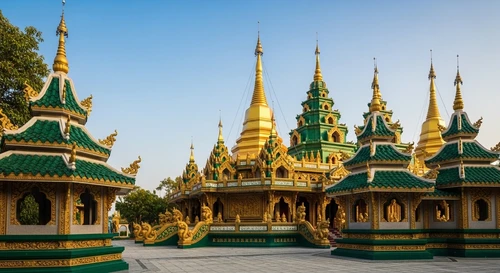
Dong Nai Escape: Buu Long Pagoda and Roasted Quail
Visit the spectacular Thai-style architecture of Buu Long Pagoda, hike up Chau Thoi mountain, and stop at roadside stalls for incredibly cheap, crispy roasted quail.
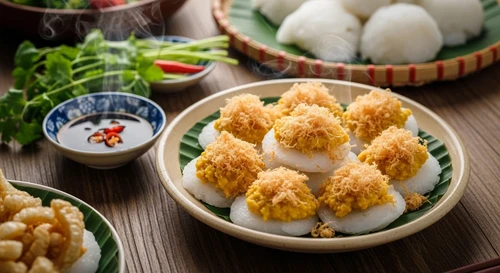
Binh Duong Day Trip: Ceramic Villages and Banh Beo Bi
Just north of Saigon. Watch artisans craft massive clay pots in Lai Thieu and eat the unique local 'Banh Beo' topped with shredded pork skin and mung bean.