Beyond the Tourist Trail: Finding Peace in Tra Vinh
Most journeys through Vietnam’s magnificent Mekong Delta inevitably follow a well-trodden path: the vibrant chaos of Cai Rang, the bustling streets of Can Tho. But venture a little further, peel back another layer of this emerald labyrinth, and you’ll find a province that hums with a different kind of energy – one of profound tranquility. This is Tra Vinh, a place where the pace of life slows to the gentle rhythm of the river, and the air is thick with the scent of ancient trees and incense.
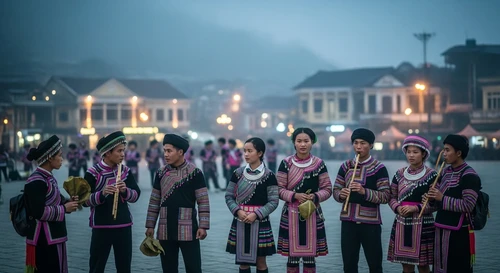
Tra Vinh is often called Vietnam's quietest province, and for good reason. It's a place where the dominant cultural tapestry is woven not with Kinh Vietnamese threads alone, but with the rich, vibrant hues of the Khmer Krom people. This enduring Khmer heritage is most visibly expressed in its spectacular temples and its unique, often overlooked, culinary traditions. This isn't the Vietnam of hurried tours; it's an invitation to wander, to observe, and to taste.
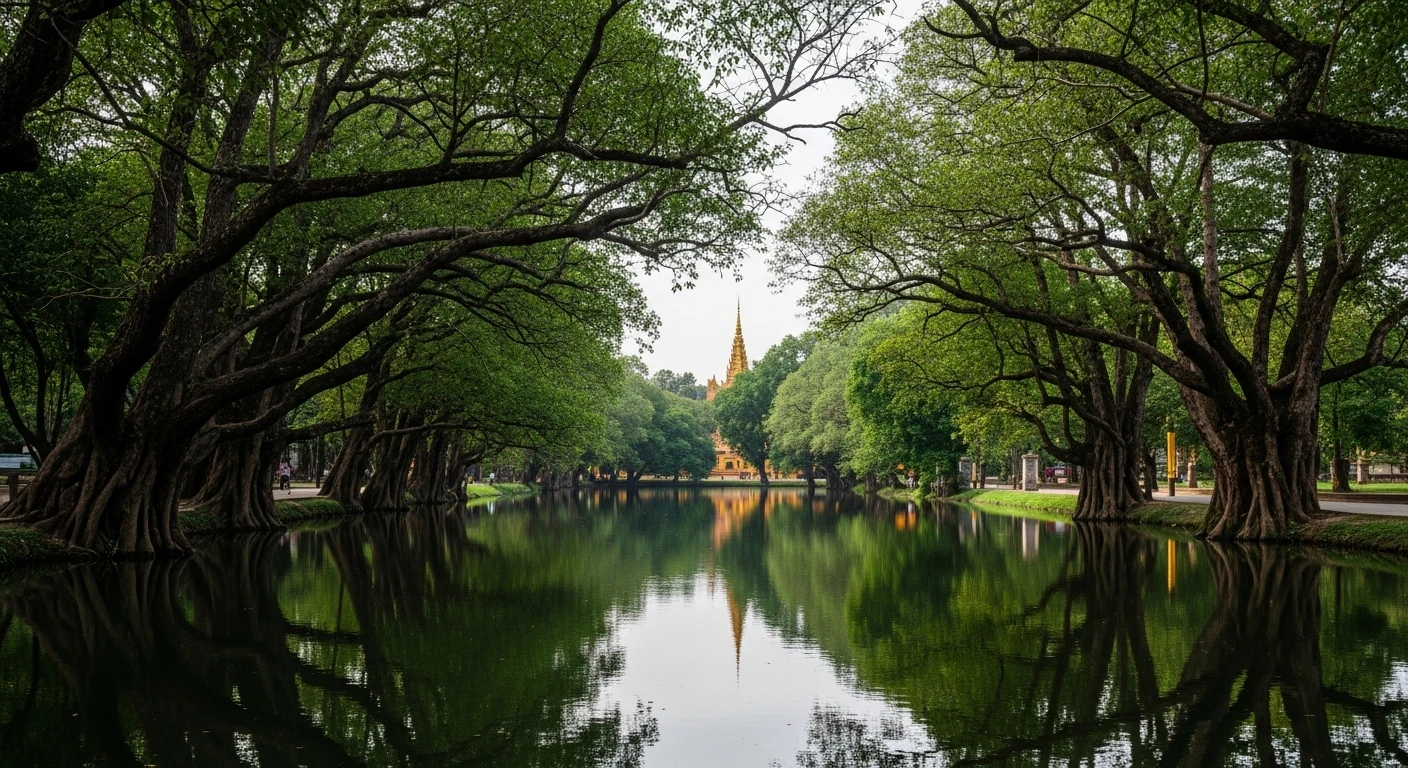
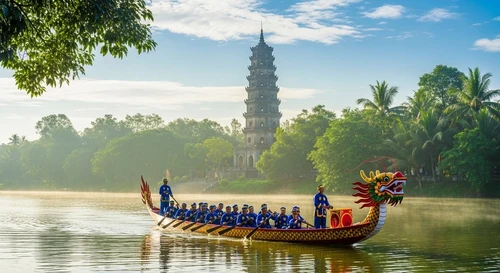
The iconic Ba Om Pond, a tranquil oasis reflecting the ancient Khmer spirit of Tra Vinh.
The Heart of Khmer Culture: Temples of Gold and Stone
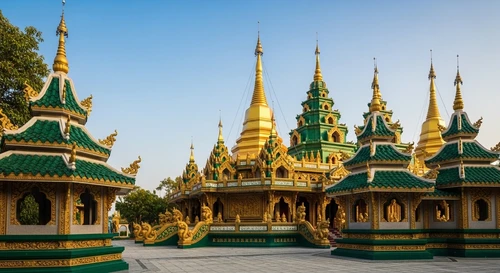
The most striking testament to Tra Vinh’s Khmer identity are its hundreds of temples, or "pagodas" as they are commonly known. Unlike the more austere Buddhist structures found elsewhere, these Khmer temples are explosions of color, intricate artistry, and spiritual devotion. They stand as proud sentinels, guarding centuries of history and faith.
Chief among them is the magnificent Ang Pagoda (Chùa Âng). Founded in the 10th century, it’s one of the oldest and most revered Khmer temples in the region. Stepping onto its grounds feels like entering another era. The main sanctuary is a dazzling spectacle of gilded spires, intricate carvings depicting scenes from Buddhist mythology and ancient Khmer epics, and vibrant murals that tell stories in vivid detail. The air here is hushed, punctuated only by the soft murmur of prayers and the rustling of leaves from the towering trees that envelop the complex.
But Ang Pagoda is just the beginning. Explore further and you'll discover temples like Hang Pagoda (Chùa Hang), known for its unique architectural style and the serene statue of a reclining Buddha, or Coc Sanh Pagoda (Chùa Cò), famous for the thousands of storks that nest in its surrounding trees, creating a living, breathing symphony of nature and devotion. Each temple offers a unique glimpse into the spiritual life of the Khmer Krom people, a gentle reminder of their enduring presence and profound artistry.
Ba Om Pond: The Mirror of Tranquility
Adjacent to Ang Pagoda lies perhaps Tra Vinh’s most iconic natural landmark: Ba Om Pond (Ao Bà Om). This vast, ancient pond, shaped like a giant ear, is more than just a picturesque spot; it's a place steeped in local legend and local life. Legend has it that the pond was formed during a battle between two Khmer princes, who dug it out to prepare for a prolonged fight.
Today, Ba Om Pond is a beloved community gathering place. Its banks are lined with towering, ancient trees, many of them sacred to the Khmer people, their gnarled branches providing a dense canopy that offers cool respite from the tropical sun. On any given afternoon, you'll find locals strolling, families picnicking, and children playing. The still, dark waters of the pond perfectly reflect the surrounding greenery and the distant temple spires, creating a scene of unparalleled serenity.
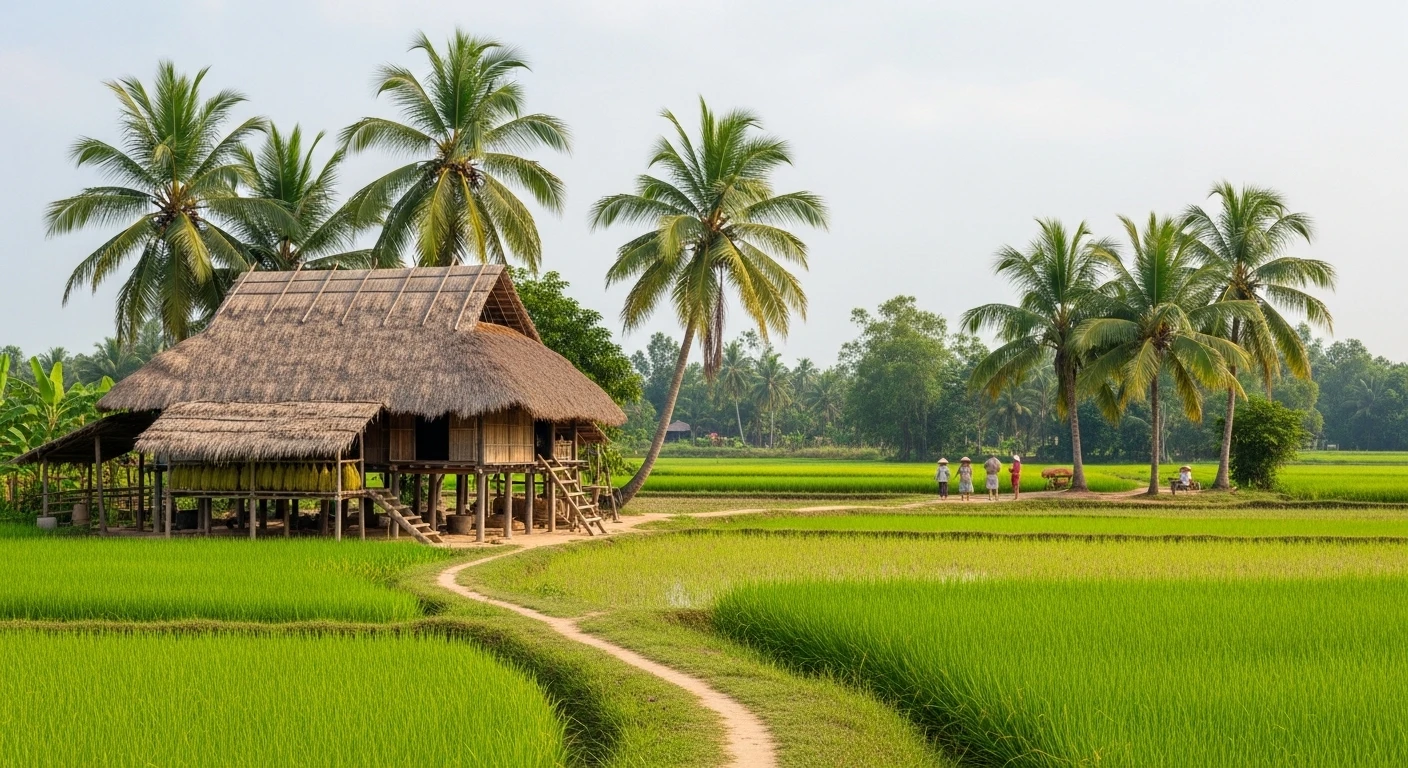
Cycling through the rural roads around Ba Om Pond is an experience in itself. Winding paths cut through lush rice paddies and fruit orchards, with the occasional glimpse of stilt houses and glimpses of daily life unfolding. It’s a gentle immersion into the agricultural heart of the Mekong, a world away from the city's clamor.
A Culinary Odyssey: The Enigmatic Bun Suong
Tra Vinh’s quiet charm extends, perhaps surprisingly, to its culinary scene. While it may not boast the widespread fame of Hoi An’s street food or Hanoi’s pho variations, the province harbors its own unique gastronomic treasures. And at the very top of that list, a dish that embodies the region's distinct Khmer-Vietnamese fusion and its adventurous spirit, is Bun Suong.
For the uninitiated, the description might sound… peculiar. Bun Suong is a noodle soup featuring fresh rice vermicelli (bun) in a clear, delicate broth, accompanied by what appears to be… shrimp sausage. This isn't your typical firm, processed sausage. These are hand-made, emulsified logs of fresh, finely minced shrimp mixed with herbs and spices, poached gently to create a tender, melt-in-your-mouth texture. The preparation requires skill and a deep understanding of ingredient textures.
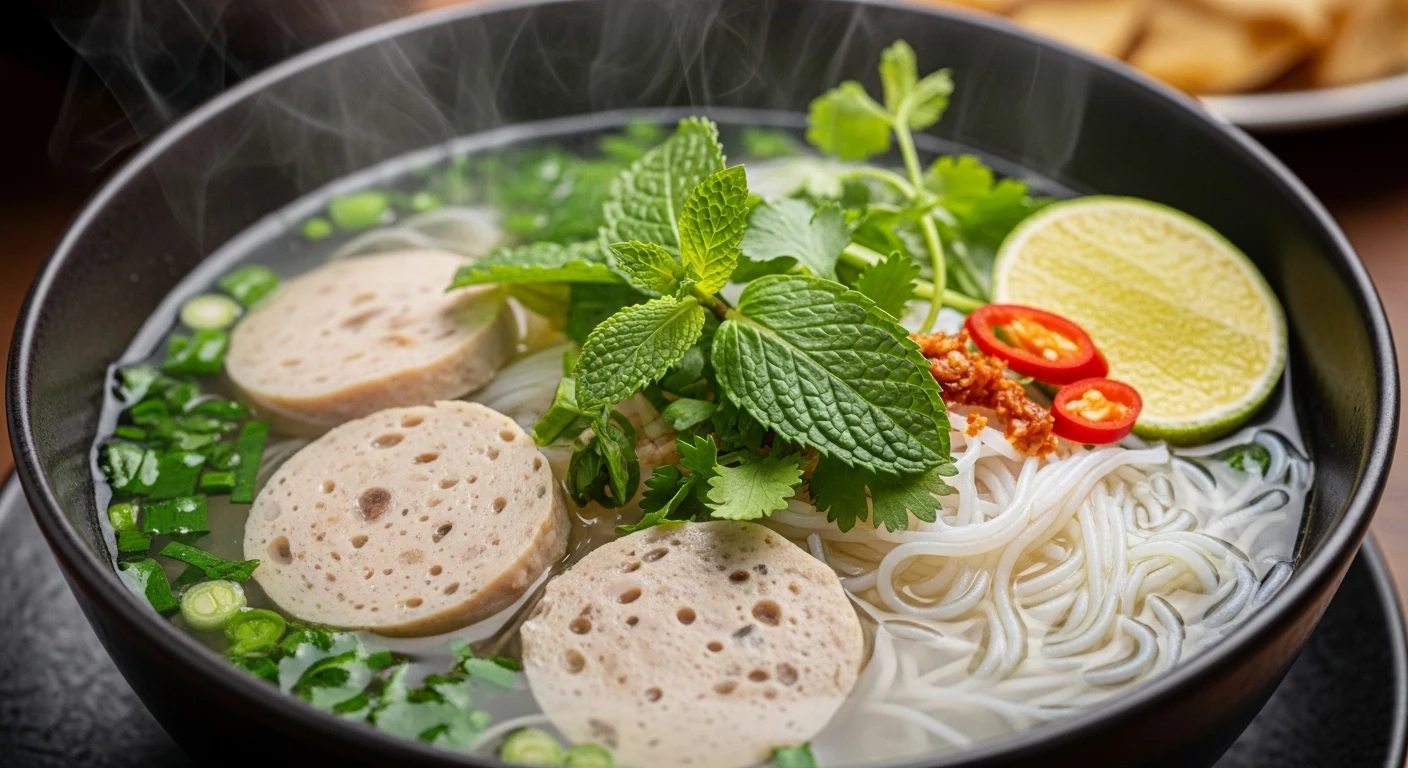
The broth itself is subtle, often flavored with shrimp heads and shells, allowing the main star – the shrimp sausage – to shine. Served with a generous helping of fresh herbs like mint, basil, and bean sprouts, a squeeze of lime, and perhaps a dash of chili, Bun Suong is a delicate dance of sweet, savory, and aromatic notes. It’s a dish that captures the essence of Tra Vinh: understated, surprising, and deeply satisfying.
More Munchies: Beyond the Bizarre
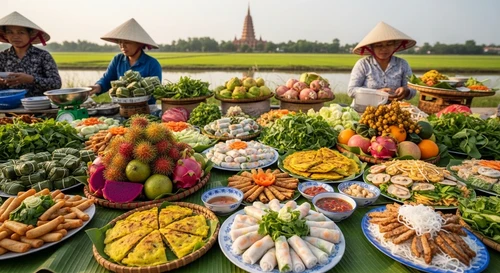
While Bun Suong might be the signature dish, Tra Vinh’s culinary landscape offers other delights that reflect its dual heritage. Look for:
- Banh Tet Tra Vinh: A distinctively sweet version of the traditional Tet cake, often made with coconut milk and black beans, wrapped in banana leaves.
- Com Chay: Crispy rice dishes, often served with rich, savory toppings.
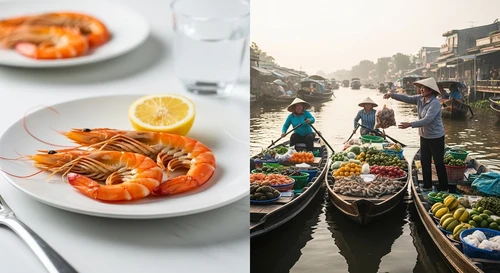
- Freshwater Delicacies: Given its location, expect an abundance of fresh fish and shrimp prepared in simple, flavorful ways, often grilled with lemongrass and chili.
- Local Fruits: The province is dotted with orchards yielding a bounty of tropical fruits – mangoes, rambutans, longans, and especially the ubiquitous coconut, a staple in many dishes and drinks.
Navigating Tra Vinh: Finding Your Way
Tra Vinh is best approached from the bustling metropolis of Ho Chi Minh City.
From Ho Chi Minh City: The most common route is by bus. Numerous companies operate daily services from HCMC’s Mien Tay Bus Station to Tra Vinh. The journey typically takes between 3 to 5 hours, depending on traffic and stops. Buses are generally comfortable and affordable.
Within Tra Vinh: Once you're in Tra Vinh city, the best way to explore its tranquility is by bicycle or motorbike. Many guesthouses and hotels offer rentals. For longer distances or to visit more remote temples and rural areas, hiring a motorbike with a local driver is an excellent option. This allows you to navigate the smaller roads and discover hidden gems at your own pace. A day trip around Ba Om Pond and the key temples can easily be done by bicycle.
The Tra Vinh Experience: More Than Just a Visit
Tra Vinh isn't a destination for ticking off boxes on a rushed itinerary. It’s a place to breathe, to observe, and to connect. It’s about the quiet reverence you feel walking through the ancient grounds of Ang Pagoda, the gentle breeze rustling the leaves around Ba Om Pond, the warm smiles of the Khmer Krom people, and the unexpected delight of a perfectly crafted bowl of Bun Suong.
This is the essence of off-the-beaten-path travel in Vietnam. It's about encountering authentic culture, experiencing genuine hospitality, and discovering flavors that tell a story. The tranquility of Tra Vinh isn't just the absence of noise; it's a profound sense of peace that seeps into your soul, leaving you with a lasting impression of Vietnam's diverse and beautiful heritage.

Explore Further South
For travelers venturing deeper into the Mekong Delta's southern reaches, the journey to Ca Mau Cape offers a unique perspective on Vietnam's geography and coastal life.
Discover Ca Mau CapeThe Khmer-Vietnamese Synthesis
Tra Vinh is a living testament to the harmonious coexistence of cultures. The Khmer Krom and Kinh Vietnamese populations have influenced each other for centuries, creating a unique regional identity that is palpable in its traditions, architecture, and, of course, its food.
This synthesis is most evident in the culinary arts. While Ban Xeo and Pho might be Vietnam-wide phenomena, Tra Vinh offers its own spins and entirely unique dishes like Bun Suong that borrow elements from both traditions. The sweet, coconut-infused Banh Tet Tra Vinh, for example, shows a clear Khmer influence on a classic Vietnamese dish. Understanding this cultural fusion is key to appreciating the subtle nuances of Tra Vinh's offerings, making it a rich destination for cultural anthropologists and curious foodies alike.

Borders and Beliefs
For a deeper dive into the multicultural tapestry of the Mekong Delta, explore Chau Doc, a fascinating border town where Vietnam's diverse traditions collide.
Explore Chau DocPractical Tips for Your Tra Vinh Escape
To truly embrace the tranquility of Tra Vinh, keep these tips in mind:
- Best Time to Visit: The dry season, from December to April, offers pleasant weather. However, the shoulder months can be less crowded.
- Respect Local Customs: Dress modestly when visiting temples – cover your shoulders and knees. Be mindful of local traditions and ask permission before taking photos of people.
- Learn a Few Phrases: While many in tourist areas speak some English, knowing basic Vietnamese or Khmer greetings ("Xin chào" or "Sus'dei") will be greatly appreciated.
- Stay Hydrated: The Mekong Delta can be hot and humid. Carry water and enjoy the local coconut water.
- Embrace the Pace: This is not a place for rushing. Allow yourself to slow down and soak in the atmosphere.
The Enduring Soul of the Delta
Tra Vinh offers a different perspective on the Mekong Delta, one that prioritizes peace, cultural depth, and subtle flavors. It’s a province that whispers rather than shouts, inviting you to lean in and listen to its ancient stories. From the gilded spires of its Khmer temples to the unique, tender embrace of Bun Suong, Tra Vinh is a destination that rewards the curious traveler with moments of profound beauty and genuine connection.
If you seek an authentic encounter with Vietnam's rich cultural heritage, away from the throngs, then set your compass for Tra Vinh. It’s a journey not just through a province, but into the serene heart of the Mekong Delta itself.