North of Saigon: A Breath of Earth and Hương Vị
Just a stone's throw from the frenetic pulse of Ho Chi Minh City lies Binh Duong province, a region often overlooked by travelers eager to dive headfirst into the delta's allure or the highlands' charm. Yet, for those who seek the authentic heartbeat of Vietnamese culture, a day trip here offers a potent cocktail of tradition, craftsmanship, and deeply satisfying local flavors. We're talking about Lai Thieu, a name synonymous with pottery, and its culinary soul, celebrated through a humble yet magnificent dish: Banh Beo Bi.
Forget the well-trodden paths. This is about getting your hands (metaphorically, perhaps) into the clay that has shaped this province for generations, and then rewarding yourself with a taste that’s as uniquely Binh Duong as the pottery itself. It's a journey that engages all the senses, a vital piece of the puzzle for anyone wanting to understand Southern Vietnam beyond the city lights.
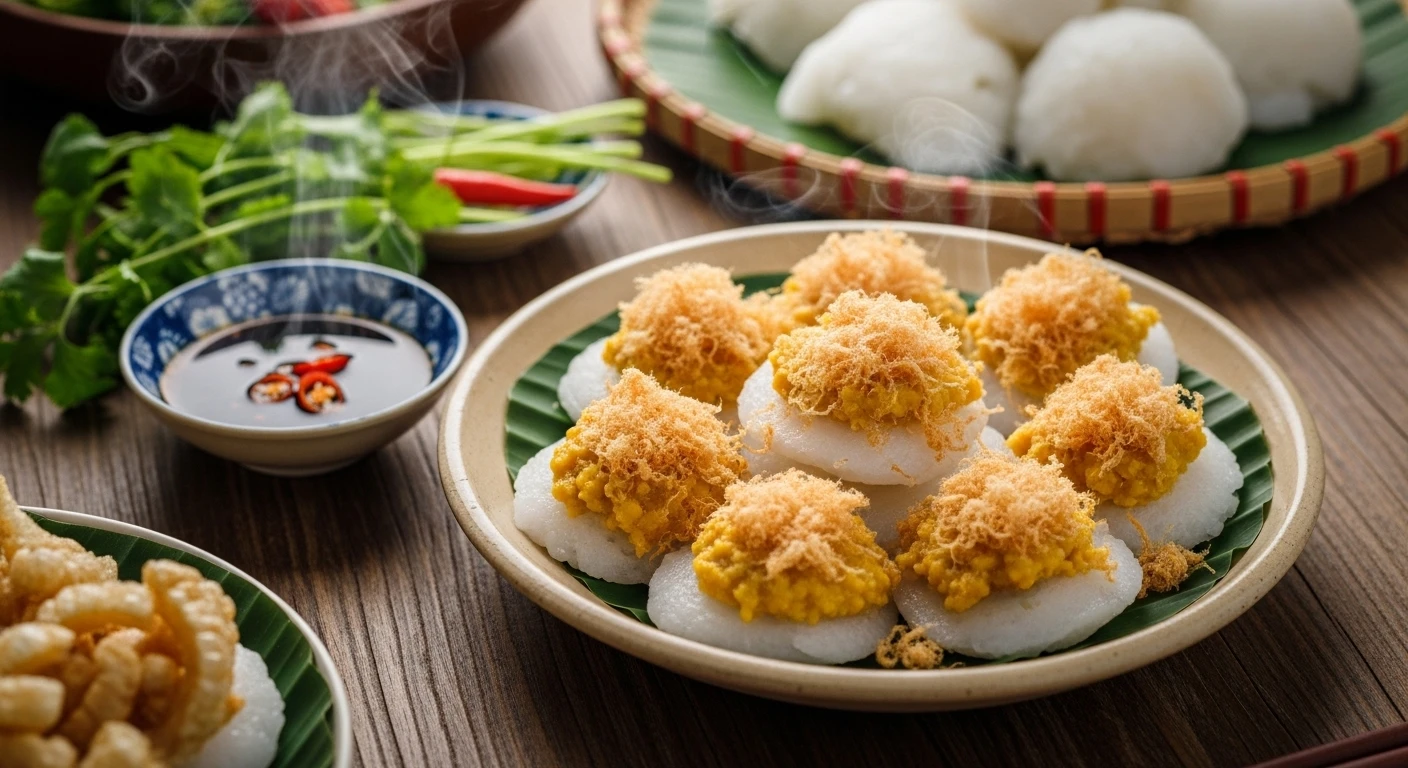
The hands that mold the earth: master potters at work in Lai Thieu.
Lai Thieu's Legacy: Where Earth Becomes Art
For centuries, the fertile lands along the Saigon River have provided the lifeblood for Lai Thieu's ceramic industry. This isn't about delicate porcelain or mass-produced souvenirs. This is about robust, functional earthenware, crafted with a skill passed down through generations. Walk into any workshop here, and you'll be met with the earthy scent of damp clay and the rhythmic hum of wheels.
The scale is often astonishing. Artisans here shape massive clay pots, some large enough to hold a person, destined for everything from water storage to decorative landscaping. You can witness the entire process: the careful preparation of the clay, the deft hands coaxing form from formless lumps, the ancient kilns that fire these creations into enduring art. It’s a tactile experience, a direct connection to a craft that predates modern industrialization, a testament to human ingenuity and the profound relationship between people and the land.
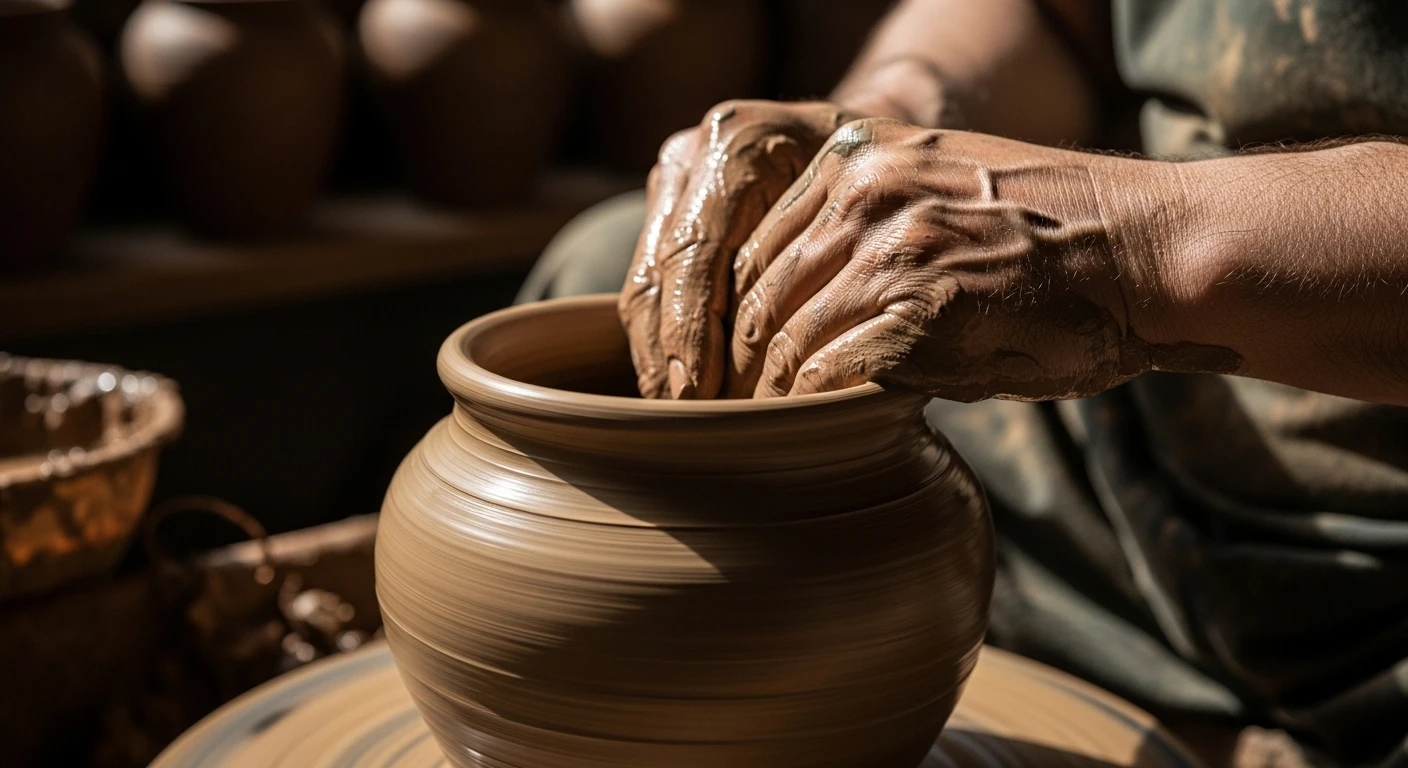
Precision and tradition in every curve.
Beyond the Clay: The Comfort of Banh Beo Bi
But a day in Binh Duong isn't complete without tasting its most celebrated culinary export: Banh Beo Bi. Don't confuse this with the more common Banh Beo found elsewhere. This version, particularly revered in Binh Duong, has a distinct personality, a comforting, humble dish that speaks volumes of local ingenuity and flavor.
Imagine delicate, steamed rice cakes, each a small, saucer-like disc, impossibly soft and yielding. They're prepared in small, earthenware bowls – often made right here in Lai Thieu – lending them a unique earthiness. But the magic truly happens with the topping. Instead of just shrimp and scallions, Banh Beo Bi in Binh Duong is generously crowned with a savory mixture of finely shredded pork skin (the "bi") and a vibrant paste of cooked mung beans.
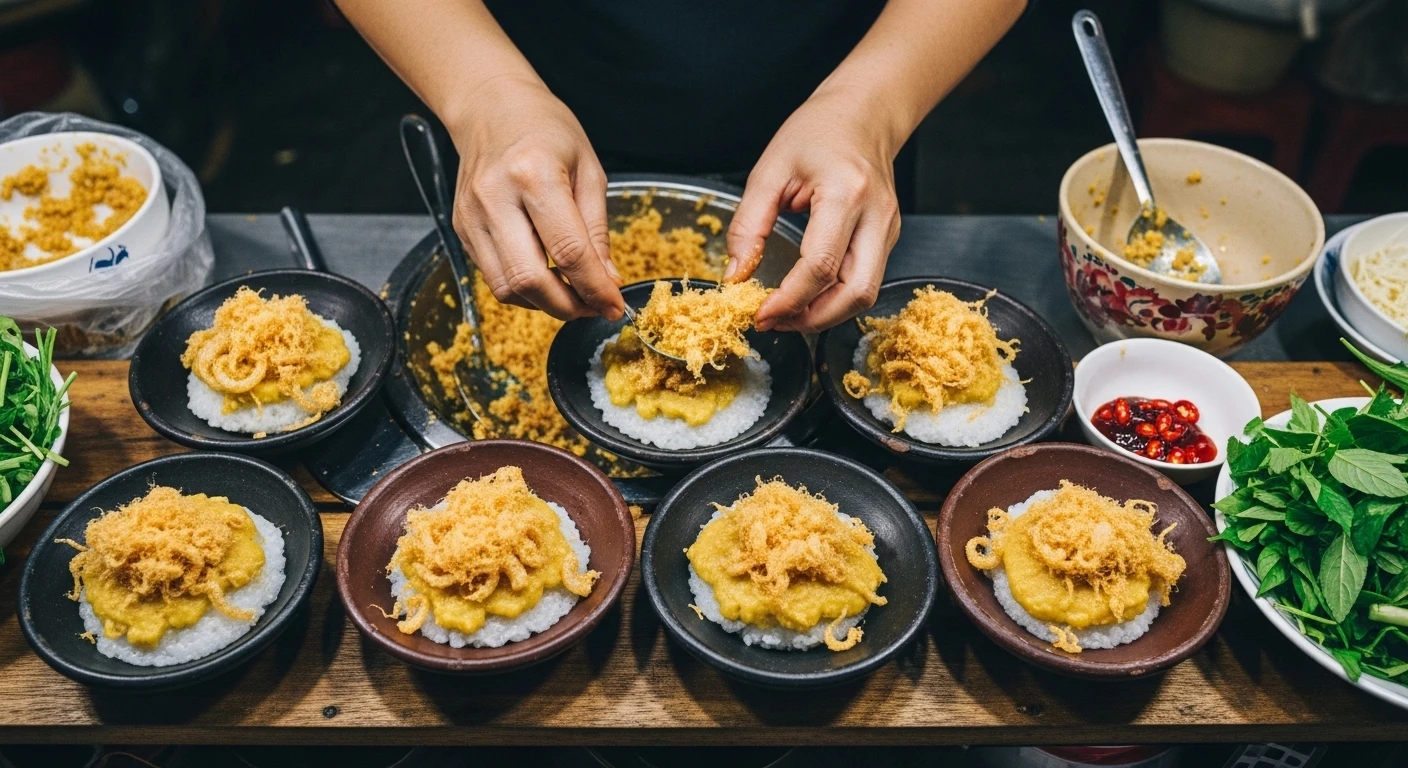
This combination creates a symphony of textures and tastes: the gentle chewiness of the rice cake, the delightful crunch and savory depth of the pork skin, and the creamy, slightly sweet counterpoint of the mung bean. Drizzled with a fragrant, slightly sweet nuoc cham (fish sauce dressing) and perhaps a sprinkle of crispy fried shallots, it’s pure comfort food, a dish that feels both exotic and deeply familiar.
The "Bi": Texture and Flavor Masterstroke
The "bi" in Banh Beo Bi is the game-changer. It’s not just about adding protein; it’s about introducing a textural dimension that elevates the entire dish. The pork skin, meticulously prepared and then finely shredded, offers a satisfying chewiness and a concentrated savory flavor. This isn't the fatty, rubbery kind; it's rendered to a delightful crispness or tender bite, depending on the preparation, providing a delightful contrast to the soft cakes.
Paired with the cooked mung bean paste, which adds a subtle sweetness and creaminess, the topping becomes a complex, layered element. It’s this thoughtful combination, often found at humble roadside stalls or local eateries, that distinguishes Binh Duong's version. It speaks of a regional pride, a culinary identity forged from simple ingredients elevated by skillful hands.
Seeking the Source: Finding True Binh Duong Flavors
The beauty of Binh Duong is that authenticity isn't confined to Michelin-starred establishments. The best Banh Beo Bi is often found in unassuming places: family-run eateries, bustling local markets, and even roadside vendors who have perfected their craft over decades.
While specific recommendations can change with the seasons and local tides, seeking out markets in areas like Lai Thieu or Thuan An is a good starting point. Look for stalls with a steady stream of locals, a sign of a place that’s doing something right. Don't be afraid to point, smile, and try the local specialty. The effort to connect, even with a language barrier, is always rewarded with a genuine culinary experience.
The Kiln's Fire: From Mud to Masterpiece
The production of Binh Duong's famous earthenware is a process steeped in tradition. The clay, sourced locally, is meticulously prepared, often foot-stomped to remove air bubbles and achieve the perfect consistency. Then, the real artistry begins. Large pots, jars, and even decorative tiles are shaped by hand or with the aid of a potter's wheel, a dance between human touch and centrifugal force.
The firing process is equally crucial. Traditional wood-fired kilns, often massive structures themselves, are used to bake the clay at high temperatures. This intense heat transforms the soft earth into durable, vitrified ceramics. The skill lies in managing the kiln's temperature and atmosphere to ensure a consistent outcome, avoiding cracks or uneven firing. Witnessing this transformation is to understand the deep connection between the land, its resources, and the enduring craftsmanship of its people.
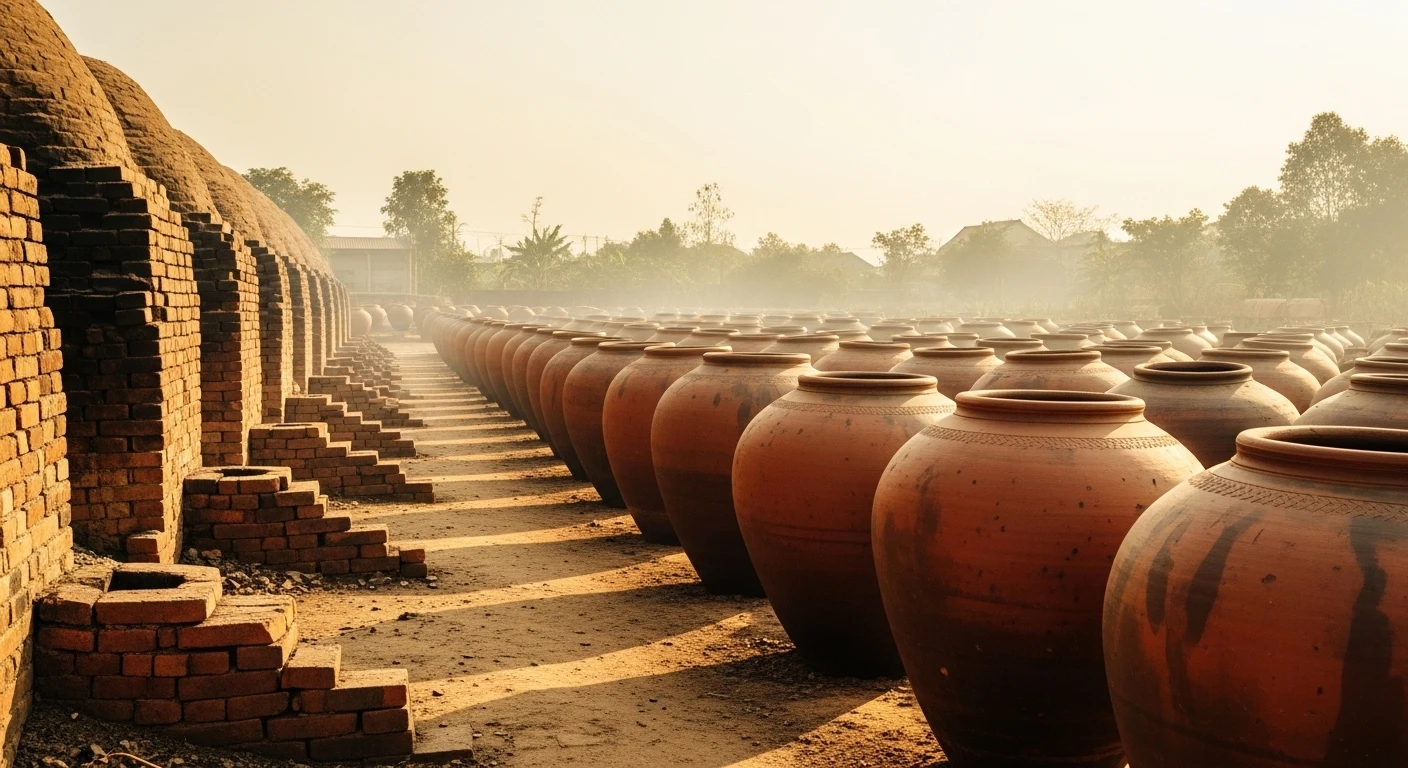
The fruits of labor: freshly fired pottery basking in the sun.
Planning Your Binh Duong Pilgrimage
A day trip to Binh Duong from Ho Chi Minh City is surprisingly straightforward.
- Getting There: The most common and convenient way is by private car or taxi. The drive from central Ho Chi Minh City to Lai Thieu takes roughly 1 to 1.5 hours, depending on traffic. Ride-sharing apps like Grab are widely available and offer both car and motorbike options. For the more adventurous, local buses also run this route, though they can be slower and less direct for a tight schedule.
- What to See: Focus your visit on the Lai Thieu pottery villages. Many workshops are clustered together, allowing you to easily walk or cycle between them. Look for signs indicating "Gốm Sứ" (ceramics) or "Làng Gốm" (pottery village). Engage with the artisans; many are happy to demonstrate their craft.
- Where to Eat: Your primary mission: find the best Banh Beo Bi. Ask locals for recommendations, or simply seek out busy, humble eateries. The Banh Beo here is often served in small, affordable portions, perfect for sampling and trying different variations.
- Best Time to Visit: Mornings are generally cooler and ideal for exploring the workshops. Weekends can be busier with local families enjoying excursions, which can add to the vibrant atmosphere.
The Taste of Tradition: More Than Just a Meal
The connection between the pottery and the Banh Beo Bi is more than just geographical proximity. The very bowls that serve the dish are often products of the local kilns, creating a beautiful synergy where the vessel and its contents are born from the same earth, shaped by the same hands. This holistic approach to cuisine and craft is a hallmark of authentic Vietnamese culture.
Tasting Banh Beo Bi in Binh Duong is to taste a dish deeply rooted in its environment. The humble ingredients – rice, pork, mung beans – are elevated by local tradition and the distinctive vessels that cradle them. It’s a reminder that the most profound culinary experiences often come from the simplest origins, enhanced by heritage and a deep respect for local resources.
Tips for the Savvy Explorer
To make the most of your Binh Duong adventure, keep these tips in mind:
- Dress Appropriately: It's Southern Vietnam, so light, breathable clothing is key. Comfortable walking shoes are essential for exploring workshops.
- Stay Hydrated: The Vietnamese heat can be intense. Carry plenty of water, and don't hesitate to buy fresh coconuts or sugarcane juice from vendors.
- Learn a Few Phrases: While English is spoken by some, knowing basic Vietnamese greetings and food terms like "Banh Beo Bi," "Cam on" (thank you), and "Bao nhieu tien?" (how much?) will be greatly appreciated.
- Be Respectful: When visiting workshops, always ask before taking photos of artisans or their work. Observe and learn; the artisans are masters of their craft.
- Keep an Open Mind: Embrace the local experience. The best discoveries are often unplanned.
A Taste of True Vietnam
A day trip to Binh Duong offers a vital perspective on Southern Vietnamese culture that often gets overshadowed. It's a chance to witness the enduring power of traditional crafts, to connect with the earth in its most tangible form, and to savor the distinctive flavors that define a region. From the skilled hands shaping clay to the comforting bite of Banh Beo Bi, Binh Duong provides an unforgettable glimpse into the soul of Vietnam, just a short journey from the bustling metropolis. So, when planning your Vietnamese itinerary, dare to venture slightly off the beaten path – the rewards, in both artistry and flavor, are immense.

Explore More Traditional Crafts
Discover other vibrant craft villages across Vietnam where artisans keep ancient traditions alive.
Discover Thanh Ha Pottery Village
Taste the Nuances of Local Cuisine
Vietnam's culinary landscape is incredibly diverse, with regional specialties offering unique flavor profiles.
Experience Tra Vinh's Flavors