Hai Phong: Where the Sea Meets the Street
Vietnam, a country of a thousand flavors and a million stories, often draws travelers to the ancient streets of Hanoi or the frenetic energy of Saigon. But for those who seek the pulse of a working port city, the raw grit and untamed charm of the coast, Hai Phong beckons. This isn't a place of polished tourist brochures; it's a city that wears its history and its industry on its sleeve, a vibrant hub where the scent of salt and exhaust fumes mingles with the tantalizing aroma of street food.
Located in the Red River Delta, just a stone's throw from the capital, Hai Phong is a vital economic engine for Northern Vietnam. Its port is a gateway, its industrial backbone strong, and its people possess a no-nonsense pragmatism born of life by the sea. But beneath this tough exterior lies a city teeming with life, offering unexpected delights for the curious traveler. Forget the manicured gardens and hushed temples; here, the adventure is in the details: the roar of the ferry, the fiery kick of a local delicacy, the salty breeze on a coastal road.
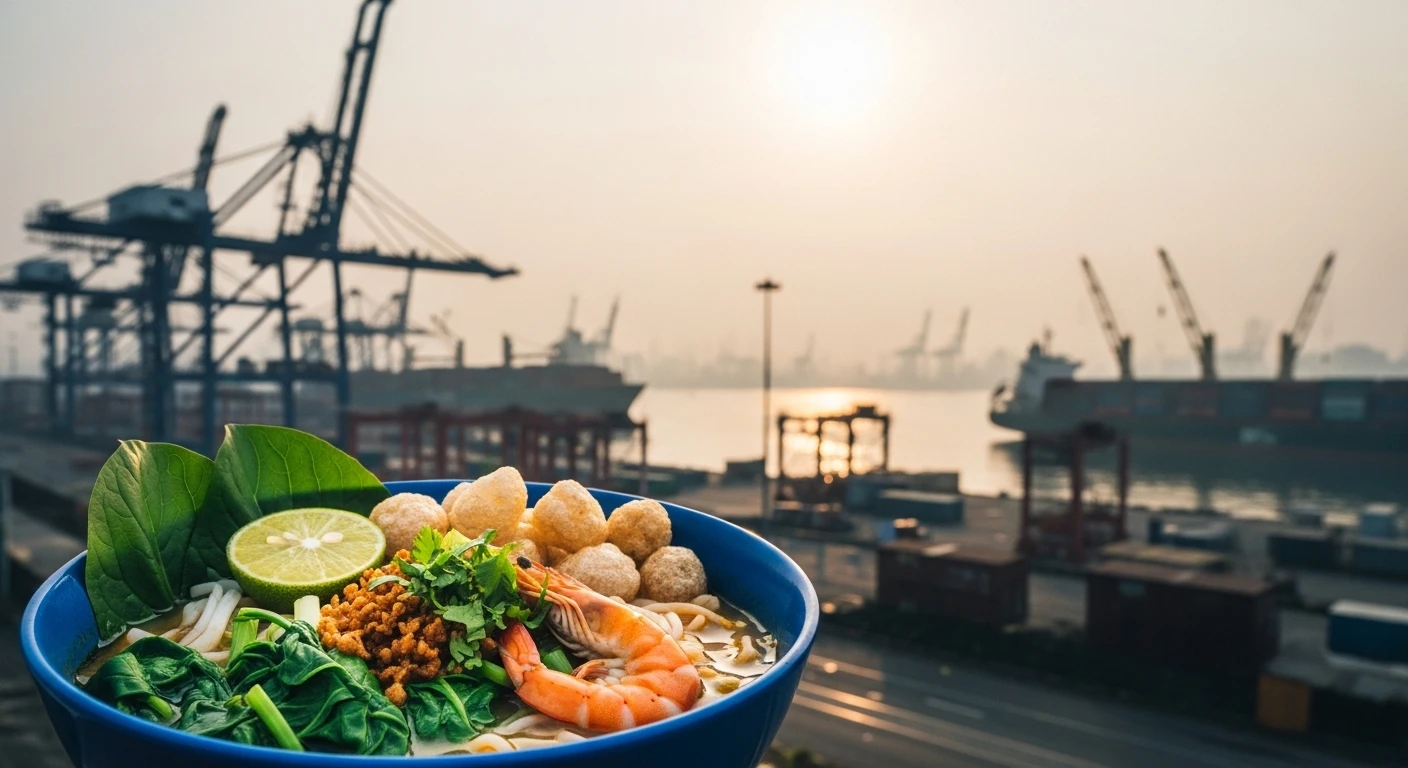
The working port of Hai Phong: a testament to Vietnam's industrial might and coastal lifeline.
Chasing the Horizon: The Cat Ba Ferry Adventure
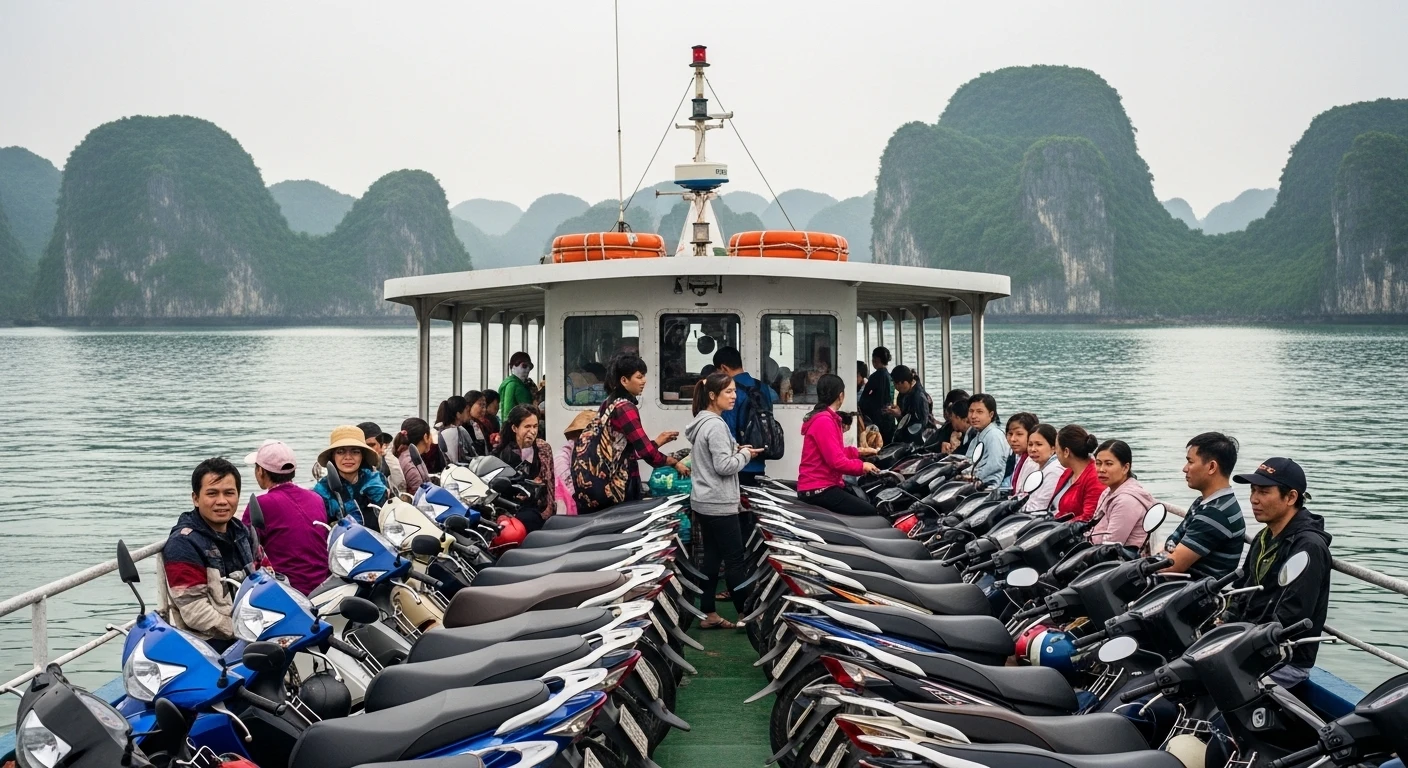
No visit to Hai Phong is complete without a pilgrimage to its island jewel, Cat Ba. And the quintessential Hai Phong experience to reach it? The ferry. This isn't some sleek, high-speed catamaran; it’s a no-frills, utilitarian vessel that carries locals, scooters, and the occasional bewildered foreigner across the Lan Ha Bay towards the island's rugged beauty.
The journey begins at the bustling ferry terminal, a hub of organized chaos. As you board, the city recedes, replaced by a panorama of emerald waters dotted with limestone karsts. The air fills with the salty spray and the distant calls of seabirds. This ferry ride is more than just transport; it's a transition. It’s where the urban hum gives way to the whisper of the wind, and the anticipation of island exploration builds with every nautical mile.
On Cat Ba itself, the rugged landscape unfolds. You can rent a scooter and zip along coastal roads, discover hidden coves, or trek through the national park. But the memory that lingers, the one etched into the Hai Phong experience, is that unadorned ferry ride – a humble gateway to paradise.
Salty Air and Sun-Kissed Shores: Do Son's Enduring Appeal
While Cat Ba offers dramatic karst scenery, the closer coastal escape for Hai Phong residents is the Do Son peninsula. It’s not the pristine, untouched beach of tropical fantasy, but a lively, working-class seaside destination that's seen its heyday. Imagine a blend of old-world charm and a touch of faded glory, where grand colonial villas stand testament to a bygone era, now rubbing shoulders with more modern developments.
Do Son is divided into several zones, each with its own character. Zone 1 is often the busiest, with seafood restaurants lining the shore, their tables spilling onto the sand. Zone 2 is historically significant, home to the former summer palace of Emperor Bao Dai, offering a glimpse into Vietnam's royal past. Families flock here on weekends, seeking respite from the city's heat, the sound of children playing mingling with the gentle lapping of waves. It’s a place for simple pleasures: a dip in the sea, a plate of grilled seafood, and the quintessential Vietnamese beach day.
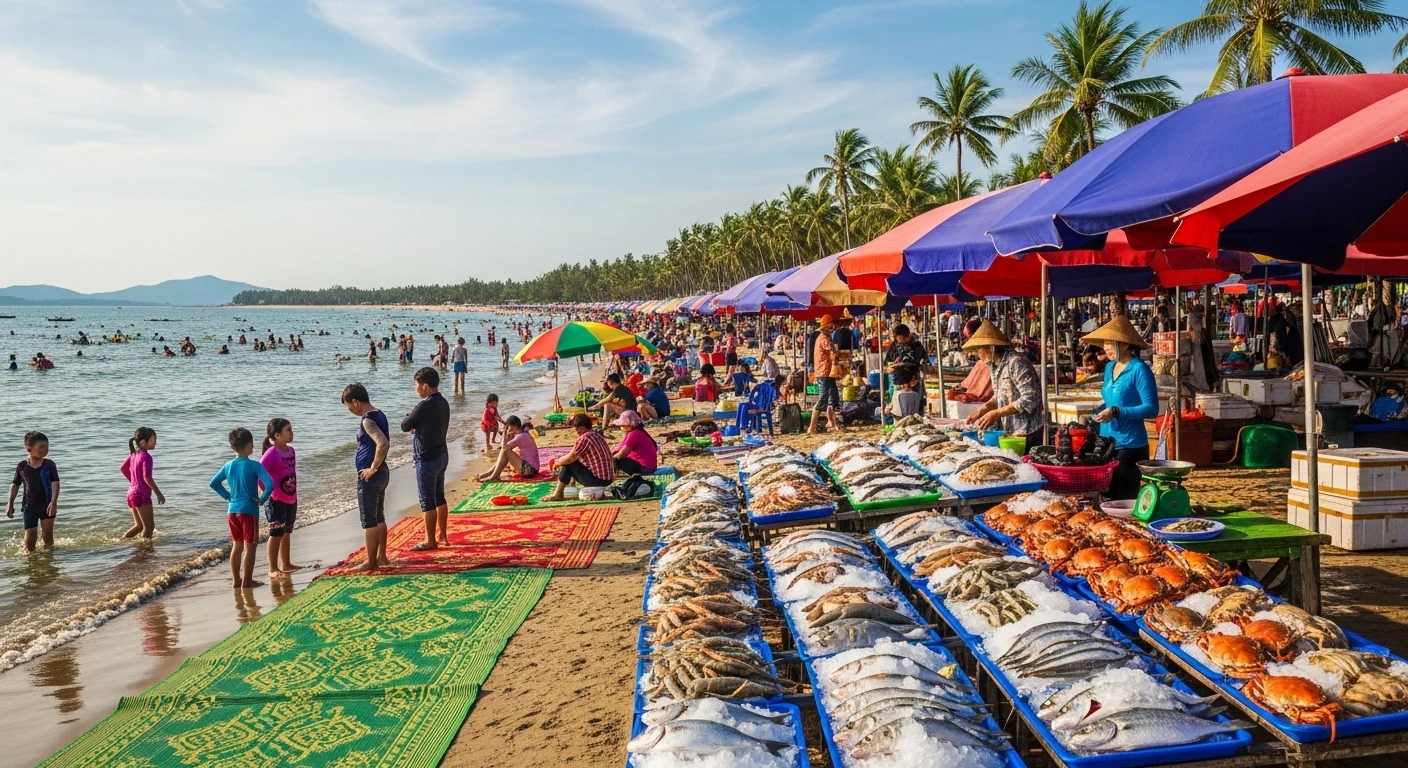
Do Son beach: a beloved local spot for relaxation and seaside dining.
The Fiery Bite: Unraveling the Legend of Banh Mi Que
Now, let's talk about the real reason many make a pilgrimage to Hai Phong. It’s not the port, nor the beaches. It’s the food. And at the pinnacle of Hai Phong’s culinary pantheon sits a deceptively simple, yet utterly addictive, street food staple: Banh Mi Que, or "spicy breadsticks."
Imagine a baguette, but miniature, about the size of your index finger. These aren't your average French loaves; they're thin, incredibly crisp, and hollowed out. Then comes the magic: they are stuffed with a rich, savory pork pâté, often a blend of liver and pork meat, seasoned to perfection. But the real game-changer, the element that elevates Banh Mi Que from mere snack to legendary status, is the sauce.

This isn't just any chili sauce. It's usually a intensely flavorful, almost viscous concoction, often called Tương Ớt Tỏi (chili garlic sauce) or, more specifically for Hai Phong, the legendary Chí Chương. It’s a fiery, pungent, garlicky, and often slightly sweet sauce that you don't just dab on – you dip these tiny breadsticks into it, loading them up until they're dripping. The combination of the crispy bread, the smooth, rich pâté, and that explosive chili sauce is an addiction waiting to happen. You start with one, then two, then a dozen, each bite a perfect balance of texture and heat.
These are best sought out from street vendors, often found clustered in popular food areas or near markets. The vendors are usually adept at quickly filling and serving, their carts adorned with piles of these tiny treasures. Don't be shy; grab a few, find a spot on a plastic stool, and prepare for a flavor revelation. It’s the culinary embodiment of Hai Phong’s spirit: bold, unpretentious, and leaving a lasting impression.
Beyond the Stick: Hai Phong's Culinary Landscape
While Banh Mi Que might be the undisputed king, Hai Phong’s food scene offers more treasures for the adventurous palate. The city’s coastal location means seafood is king, prepared with a distinct local flair.
One dish you absolutely must try is Banh Da Cua. This isn’t just any crab noodle soup; it’s a deep, rich, and intensely flavorful concoction. The broth, made from a base of roasted rice flour (banh da) and simmered with fresh water crab, is a murky, earthy red, and carries a powerful umami punch. It’s often served with tender crab meat, pork sausage, and leafy greens, creating a hearty and satisfying meal that’s distinctly Hai Phong.
Then there are the ubiquitous Oc Huong (sea snails), prepared in a multitude of ways – grilled with scallions, stir-fried with tamarind, or simmered in coconut milk. These are best enjoyed at lively street-side eateries, accompanied by a cold beer and good company. The textures and flavors are as diverse as the snails themselves, offering a true taste of Vietnamese coastal gastronomy.
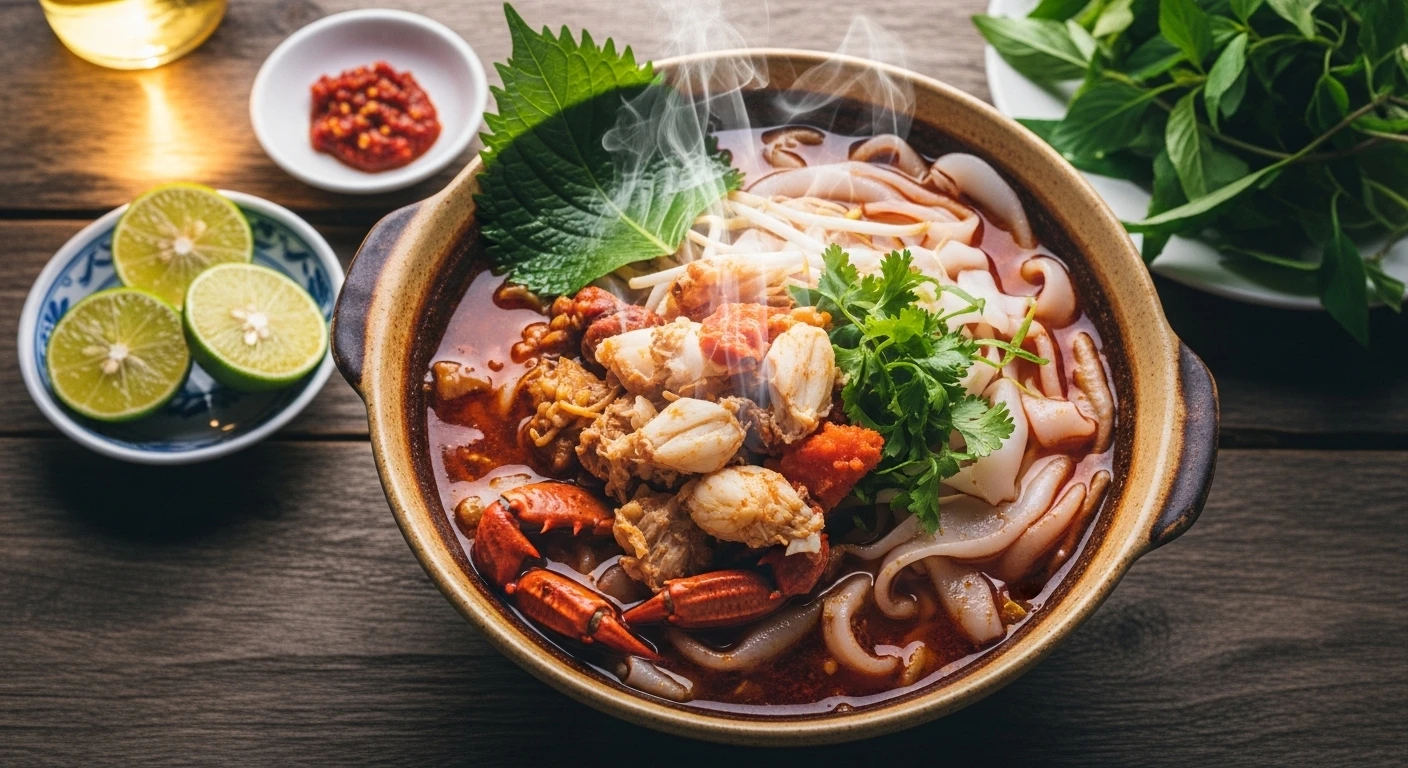
Banh Da Cua: a complex and deeply satisfying noodle soup unique to Hai Phong.
The Rhythm of the City: Embracing Local Life
Hai Phong isn't a city that caters to tourists; it's a city that lives and breathes its own rhythm. To truly appreciate it, you need to dive in. The best way to experience Hai Phong is on foot or by motorbike, allowing yourself to get a little lost.
Start your exploration in the city center, where grand French colonial architecture hints at its past, standing alongside bustling markets and modern shops. The streets here are alive, filled with the sounds of commerce, conversations, and the ever-present hum of scooters. Seek out the local markets, like Cho Sat or Tam Bac Market, where you can witness the daily grind and sample fresh produce, seafood, and local snacks.
The locals, while perhaps less outwardly effusive than in other tourist hubs, are generally warm and welcoming once you break the ice. A simple smile, a few basic Vietnamese phrases, and a genuine interest in their city can go a long way. Don't be afraid to pull up a plastic stool at a street-side eatery, point at what looks good, and enjoy the communal experience of dining al fresco. This is where the true flavor of Hai Phong is found – in the interactions, the shared meals, and the unfiltered reality of daily life.
Beyond the Port: Exploring the Wider Region
While Hai Phong itself offers plenty to explore, its strategic location makes it a fantastic base for discovering more of Northern Vietnam's coastal and island wonders.
The primary draw, of course, is Cat Ba Island itself. Beyond the main town, the island boasts pristine beaches like Tung Thu, Cat Co 1, 2, and 3, and the incredible Lan Ha Bay, often considered a less crowded, equally stunning cousin to Ha Long Bay. Kayaking through its limestone karsts, exploring hidden lagoons, and visiting floating fishing villages are unforgettable experiences.
For those with more time, a journey further afield could include visits to nearby islands or coastal towns, each offering a unique perspective on Vietnam's maritime culture. However, the core Hai Phong experience remains tied to its port, its islands, and its legendary spicy breadsticks.
Finding Your Way: Accessing Hai Phong
Hai Phong is remarkably accessible, making it an easy addition to any Northern Vietnam itinerary.
By Air: Cat Bi International Airport (HPH) in Hai Phong receives domestic flights from major Vietnamese cities, most notably Hanoi (HAN), Ho Chi Minh City (SGN), Da Nang (DAD), and Nha Trang (CXR). There are also an increasing number of international flights from Asian destinations. From the airport, taxis or pre-booked car services can take you to the city center or the ferry terminal in about 20-30 minutes.
By Train: Regular train services connect Hai Phong with Hanoi. The journey takes approximately 2 to 2.5 hours. The train station is located in the city center, making onward travel convenient.
By Road: The most common way to travel between Hanoi and Hai Phong is by modern express highway (CT04). Buses and private car services operate frequently, with journey times around 1.5 to 2 hours depending on traffic. The bus terminals in Hai Phong are well-connected for local transport.
To Cat Ba Island: From Hai Phong city, head to the Pha Binh ferry terminal. Ferries run regularly throughout the day to Cat Ba Town. The journey takes approximately 40-50 minutes. Alternatively, you can take a bus from Hai Phong to a different ferry point which might involve a short bus ride and then a speedboat, or a combination of bus and cable car from the mainland to Cat Ba Island via the world's longest sea-crossing cable car system.
The Hai Phong Essence: A Gritty Gem
Hai Phong isn't for everyone. If you're seeking an idyllic tropical escape or a polished cultural immersion, you might find it a little rough around the edges. But for the traveler who craves authenticity, who wants to taste the real Vietnam beyond the curated experiences, Hai Phong delivers in spades.
It’s in the thrill of chasing down the best Banh Mi Que, the sea breeze on the ferry to Cat Ba, the unpretentious hospitality at a seaside eatery in Do Son, and the sheer vibrancy of a city that powers an essential part of Vietnam's economy. It’s a place that reminds you that travel isn’t always about finding perfection, but about discovering character, experiencing the unvarnished truth, and savoring the unexpected flavors that make a destination truly memorable.
So, pack your sense of adventure, bring your appetite, and be ready to embrace the gritty charm. Hai Phong is waiting, ready to offer you a taste of Vietnam you won't soon forget.
Explore More of Vietnam's Coastal Charms


Written by
Quynh Le
Licensed Tour Guide & Destination Writer
Published
April 6, 2026
Updated
April 7, 2026
Turns on-the-ground guiding experience into practical travel stories, itineraries, and cultural orientation for first-time visitors.
More Travel Inspiration
View more Travel & Culture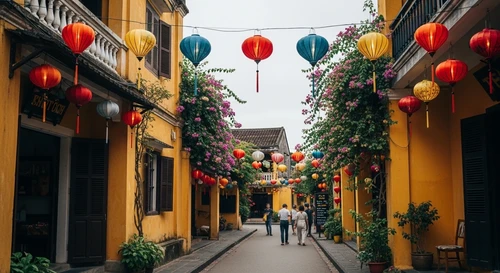
Hoi An Old Town: Tailor Shops, Yellow Walls, and Banh Mi Phuong
Get a custom suit made in 24 hours. Wander the lantern-lit yellow alleys, cross the Japanese Covered Bridge, and wait in line for the world-famous Banh Mi Phuong.

White Sand Dunes Mui Ne: Sunrise ATV Adrenaline
Wake up at 4 AM to beat the heat. Rent a four-wheeler to roar up massive, Sahara-like dunes just in time to watch the sun rise over the adjacent lotus lake.

Binh Quoi Tourist Village: The Mekong Delta Within the City
Just 30 minutes from downtown Saigon lies a peaceful peninsula modeled after the rural Mekong. Fish in lotus ponds, walk across monkey bridges, and feast at a massive Southern buffet.
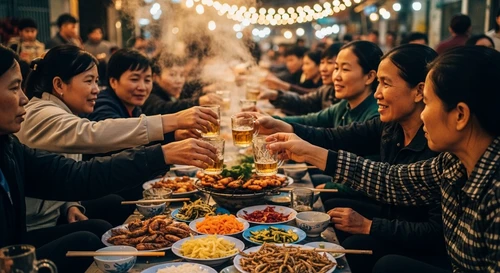
The Magic of 'Nhau': Vietnam's Rowdy, Beer-Soaked Bonding Culture
It is not just drinking; it is 'Nhau'. Discover the clinking glasses of 'Mot, Hai, Ba, Dzo!', the bizarre bar snacks, and why business in Vietnam happens at the beer street.
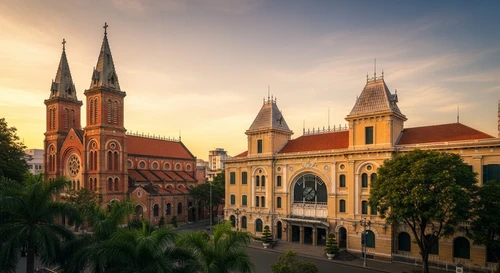
Saigon District 1: Notre Dame, Rooftop Bars, and Com Tam
The pulsing heart of the city. Visit the colonial Post Office, grab a massive plate of broken rice in an alley, and drink cocktails overlooking the neon skyline.

Cai Rang Floating Market: Slurping Noodle Soup on the River
Forget standard breakfasts. At 5 AM, flag down a small wooden rowboat serving piping hot bowls of Hu Tieu (pork noodle soup) directly to you on the bustling Can Tho river.
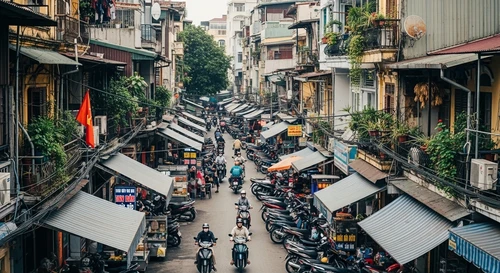
Hanoi Old Quarter Guide: Where to Get Lost, Eat, and Drink
Navigate the 36 streets like a local. Discover hidden egg coffee cafes, the best Bun Cha spots, and secret rooftop bars overlooking Hoan Kiem Lake.

Ma Pi Leng Pass: Riding the 'King of Passes' in Ha Giang
A jagged road carved directly into the edge of a vertical limestone cliff, looking down at the emerald Nho Que river. Brace yourself for the most awe-inspiring view in all of Southeast Asia.
Saigon Nightlife: Bui Vien, Speakeasies, and Snail Streets
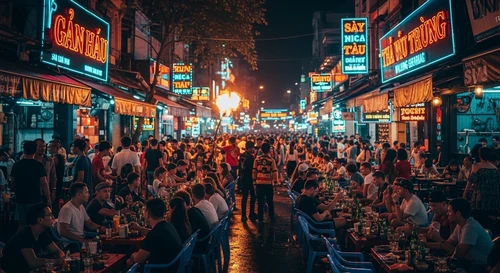
From the neon-lit chaos and fire-breathers of Bui Vien walking street to sipping craft cocktails behind fake bookshelves, and ending the night eating sea snails in D4.

Sa Dec Flower Village: A Sea of Blossoms on Water
During the weeks leading up to Lunar New Year, farmers in Dong Thap navigate wooden boats through flooded fields to harvest millions of bright yellow and red flowers grown on elevated trellises.

Bach Ma National Park: Trekking to the Abandoned French Villas
Hike through lush jungle to the Do Quyen waterfall. Explore the eerie, decaying colonial mansions hidden in the mist at the summit, bridging Hue and Da Nang.

Moc Chau Plateau: Tea Hills and Fried Veal (Be Chao)
Rent a scooter to explore endless green tea plantations and plum orchards. Don't leave without eating 'Be Chao', a sizzling local specialty of flash-fried veal.