The Summit's Whisper: Bach Ma's Allure
Vietnam is a land sculpted by dramatic landscapes, from the verdant rice paddies of the north to the sprawling waterways of the Mekong Delta. But nestled between the ancient imperial capital of Hue and the bustling coastal city of Da Nang lies a different kind of grandeur: Bach Ma National Park. This isn't just another patch of green; it's a journey into a forgotten era, a place where nature has reclaimed the ambition of empires, leaving behind whispers of French colonial life veiled in perpetual mist.
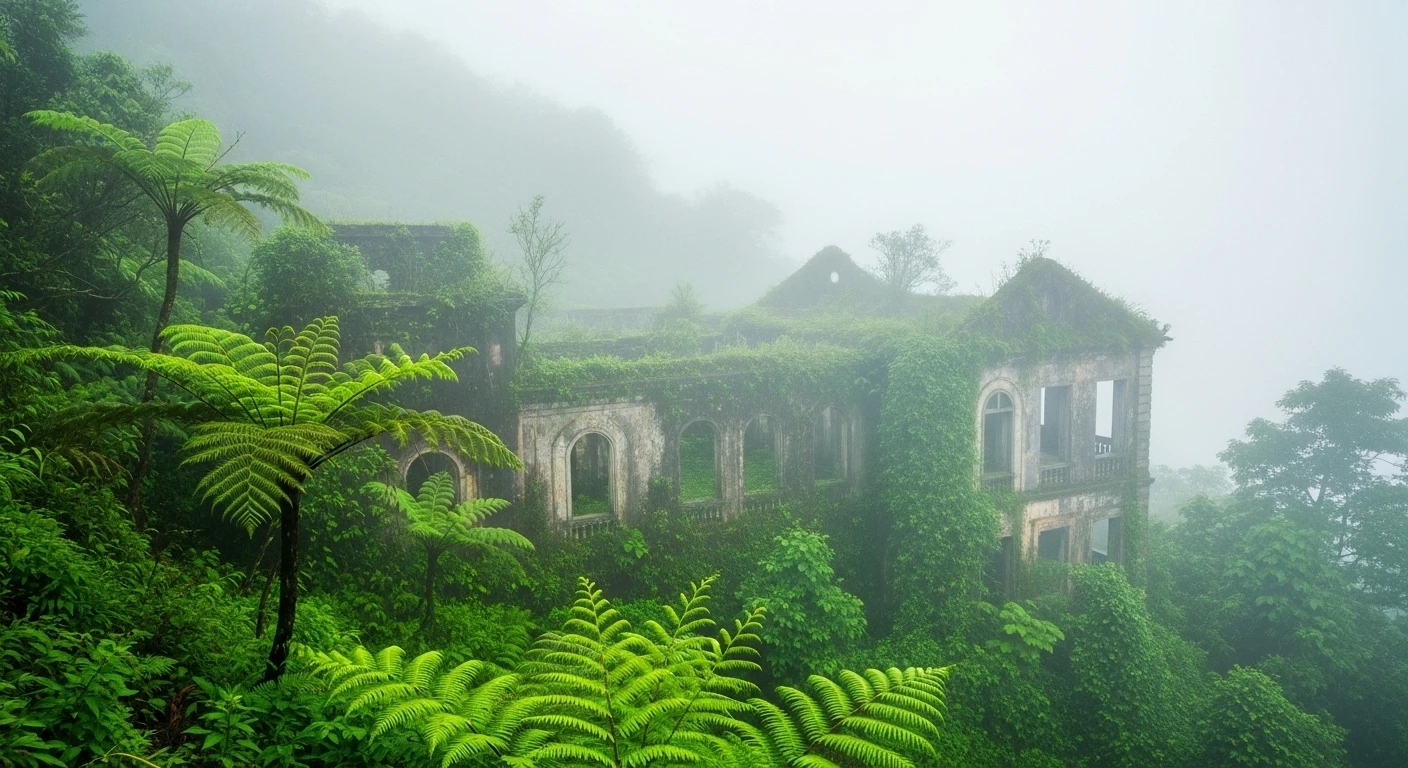
Imagine a place where the air is cool and crisp, a stark contrast to the humid coastal plains below. Here, at elevations reaching over 1,400 meters, a different ecosystem thrives. Towering trees draped in epiphytes create a cathedral-like canopy, and the constant mist imbues the entire landscape with an ethereal, almost melancholic beauty. This is the domain of Bach Ma, a national park that beckons the adventurous, the history buffs, and anyone seeking a profound encounter with both nature and the echoes of the past.
The Ascent: Trekking Through a Verdant Realm
The heart of the Bach Ma experience lies in the trek. While there's a road that winds to the summit, true immersion comes from lacing up your hiking boots. Several trails crisscross the park, offering varying degrees of difficulty and scenic rewards. The most popular route often leads you towards the magnificent Do Quyen Waterfall.
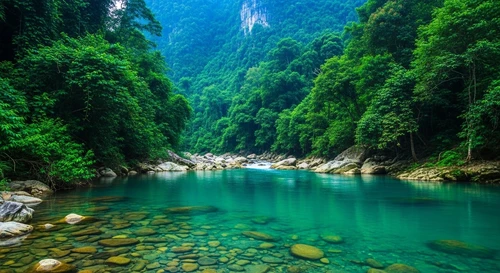
As you ascend, the sounds of the coast fade, replaced by the symphony of the jungle: the chirping of unseen insects, the calls of exotic birds, and the rustling of leaves underfoot. The air grows heavy with the scent of damp earth and exotic blossoms. Giant ferns unfurl their fronds, and ancient trees stand like silent sentinels, their bark a canvas for moss and lichen. It's a primeval world, teeming with life, where every turn reveals a new shade of green.
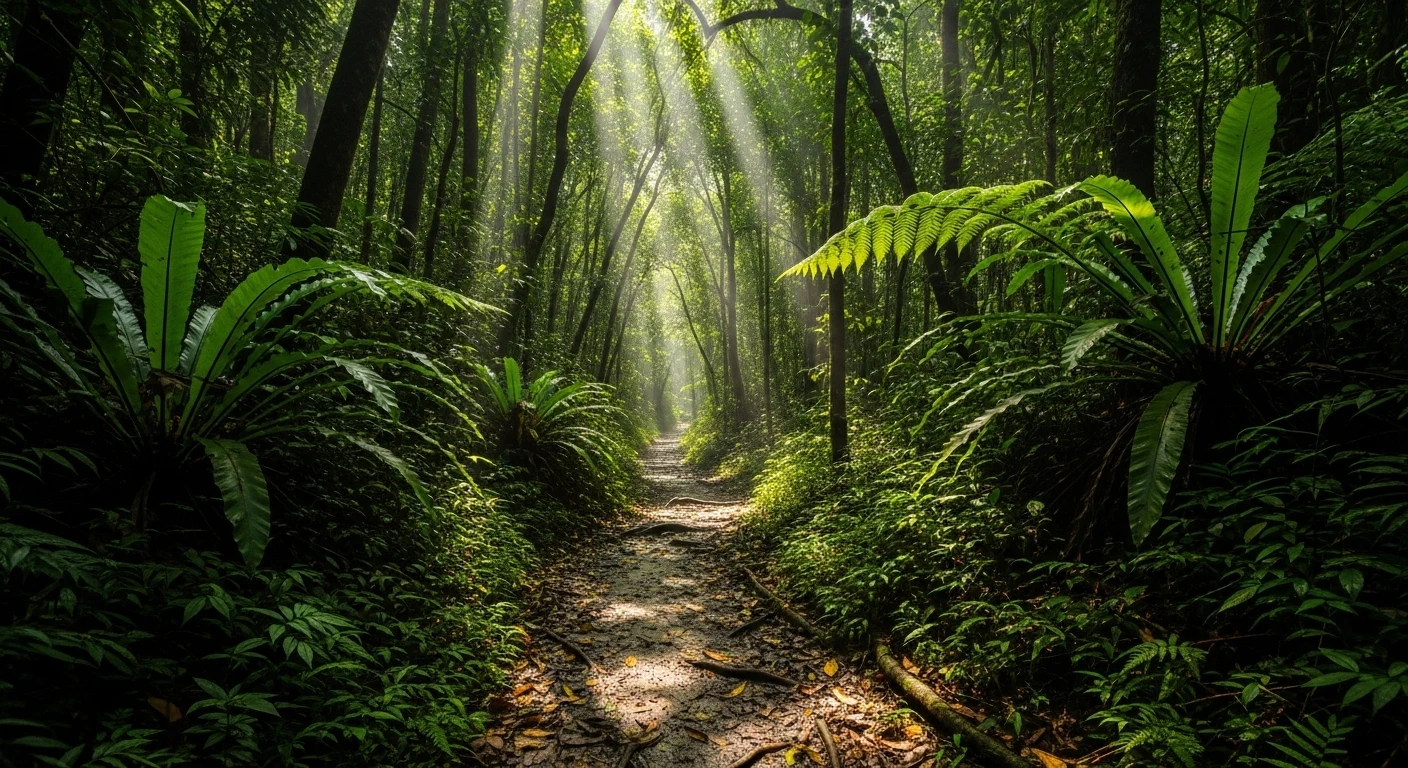
The trails are often well-maintained, but be prepared for damp, sometimes slippery conditions, especially after rain. Keep an eye out for the vibrant rhododendrons that give the park its name (Bach Ma translates to "White Horse," but is also associated with the white rhododendron blossoms). The journey itself is a meditation, a gradual shedding of the mundane as you draw closer to the mountain's secrets.
Do Quyen Waterfall: The Dragon's Veil
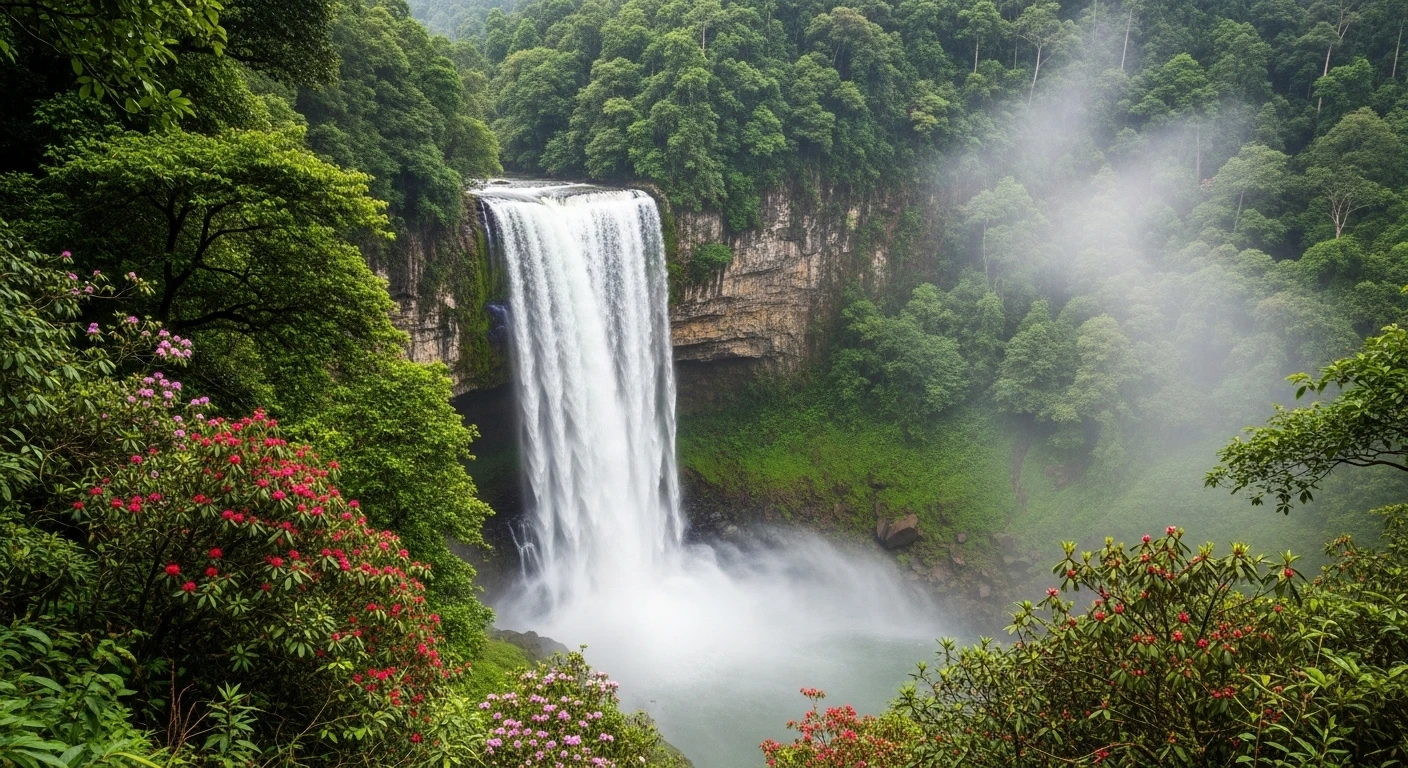
Your trek will likely culminate at the breathtaking Do Quyen Waterfall. Often cited as one of Vietnam's most stunning cascades, it plunges an impressive 300 meters in a series of dramatic drops. The sheer volume of water crashing down creates a fine mist that hangs in the air, feeding the lush vegetation and lending a mystical aura to the entire area.
The name "Do Quyen" refers to the rhododendrons that bloom profusely along its banks, adding splashes of vibrant color to the emerald green backdrop. Standing at the base, feeling the spray on your face and hearing the thunderous roar, is an invigorating experience. It's a powerful reminder of nature's raw, untamed beauty, a perfect prelude to the human-made mysteries awaiting you higher up.
The Abandoned Villas: Echoes of the French Hill Station
It's at the summit, shrouded in mist, where Bach Ma truly captivates with its haunting past. During the colonial era, French administrators sought refuge from the oppressive coastal heat by establishing hill stations. Bach Ma, with its cooler climate and panoramic views, was an ideal spot. They built a small village of elegant villas, a church, and other infrastructure, envisioning a serene mountain retreat.
Today, most of these structures stand in various states of decay. The once-grand villas, with their faded paint, broken windows, and encroaching vines, are spectral remnants of a bygone era. Exploring these crumbling mansions is a surreal experience. You can wander through empty rooms, imagine the laughter and conversations that once filled these halls, and marvel at the architecture slowly succumbing to the embrace of the jungle.
The mist plays a crucial role in creating the atmosphere. It softens the edges of the ruins, muffles sound, and lends an air of mystery. It feels like stepping into a lost world, a silent testament to the impermanence of human endeavors against the relentless march of nature. This is the allure of "urbex" (urban exploration) taken to its most atmospheric extreme.

Bach Ma National Park: The Abandoned French Villas in the Clouds
Located between Hue and Da Nang, this mist-covered mountain peak hides decaying colonial mansions and dramatic 300-meter waterfalls. A surreal, historical eco-trek.
Read MoreThe Church and Residences: Ghosts of a French Past
Among the ruins, the remnants of a small French church stand as a poignant symbol. Its walls may be crumbling, its steeple perhaps lost to time, but the enduring presence of such structures speaks volumes about the community that once thrived here. Wandering past the foundations and overgrown gardens of what were once servants' quarters and administrative buildings, you can piece together the layout of this forgotten French settlement.
The architecture itself, though decaying, hints at a past elegance – French colonial design principles, meant to be functional and aesthetically pleasing, now softened by the patina of age and the persistent encroachment of nature. It's a powerful visual juxtaposition: the rigid lines of European construction against the organic chaos of the jungle.
For those with an interest in history or architecture, these ruins offer a fascinating glimpse into Vietnam's colonial chapter. They serve as a quiet reminder of a period of intense change and cultural exchange, now largely erased from the popular narrative, existing only in the mist-shrouded ruins of Bach Ma.

Ba Vi National Park: Jungle Hikes and Abandoned French Churches
A perfect day trip from the capital. Ride a motorbike through misty pine forests, explore the eerie abandoned colonial church, and eat famous free-range hill chicken.
Explore MoreThe Weather: A Constant Companion
Bach Ma's climate is a defining characteristic of the park, and a crucial element in its atmospheric charm. The summit enjoys a tropical monsoon climate, but its high altitude brings significantly cooler temperatures than the surrounding lowlands. Average temperatures hover around 15-20°C (59-68°F) year-round, making it a welcome escape during the hotter months.
However, this cool, temperate environment is also prone to frequent fog and mist, particularly in the mornings and evenings. This is not a deterrent; it's part of the magic. The mist lends an otherworldly quality to the jungle and the abandoned villas, obscuring the harsh realities of decay and enhancing the sense of mystery. It wraps the landscape in a soft, ethereal blanket, making the experience feel truly unique.
Be prepared for dampness. Waterproof gear, sturdy hiking boots with good grip, and layers of clothing are essential. The weather can change rapidly, so adaptability is key to enjoying your trek to the fullest.
Wildlife of Bach Ma: A Flourishing Ecosystem
Beyond the historical allure, Bach Ma National Park is a sanctuary for biodiversity. The park is home to a rich array of flora and fauna, typical of the Annamese lowlands' evergreen forests. While spotting larger mammals can be challenging due to their elusive nature and the dense vegetation, the park is a birdwatcher's paradise.
Keep your eyes peeled for various bird species, from vibrant sunbirds to elusive pheasants. The park's diverse plant life, including numerous species of orchids, ferns, and ancient trees, creates a thriving habitat. You might also encounter smaller creatures like lizards, butterflies, and interesting insect life. The sheer density of the jungle suggests a vibrant ecosystem operating just beyond the visible path.
Practicalities: Planning Your Expedition
Reaching Bach Ma National Park is an adventure in itself, bridging the gap between Vietnam's historical centers and its natural wonders.
Getting There:
Bach Ma lies approximately 50 kilometers (31 miles) southwest of Hue and 70 kilometers (43 miles) northwest of Da Nang. The most common approach is to arrange transport from either city.
- From Hue: Hire a private car or motorbike taxi. The drive takes about 1 to 1.5 hours. You can also find local buses heading towards Da Nang that pass near the park entrance, but this requires further local transport.
- From Da Nang: Similar options apply. A private car is the most convenient, taking roughly 1.5 to 2 hours.
Park Entrance and Trekking:
The park entrance fee is nominal. You can choose to drive your hired vehicle up to a certain point and then begin your trek, or, for a more immersive experience, you can arrange for a guide to accompany you from the park gate. Independent trekking is possible, but a guide can enhance the experience by pointing out flora, fauna, and historical nuances.
Accommodation:
While staying overnight is possible at basic guesthouses or the government-run Bach Ma Forest Lodge within the park, most visitors opt for day trips from Hue or Da Nang.
Best Time to Visit:
The dry season, from March to September, generally offers clearer skies, though mist can appear at any time. The shoulder months of March-May and September-October often provide a good balance of pleasant weather and fewer crowds.

Cat Ba National Park: Trekking the Limestone Jungle
Ditch the cruise ship and hike across the rugged, monkey-filled interior of Halong Bay's largest island. Climb to Navy Peak for a panoramic view of the limestone karsts.
Discover ParksThe Journey's End: Reflections on Bach Ma
Bach Ma National Park offers a compelling blend of natural beauty, historical intrigue, and a profound sense of tranquility. It’s a place where the grandeur of the landscape is matched only by the spectral whispers of its past. The trek to the summit, passing the powerful Do Quyen Waterfall and venturing into the mist-laden ruins of the French villas, is more than just a hike; it’s an exploration of layers – geological, ecological, and historical.
As you descend from the cool mountain air, you carry with you the memory of ancient trees, the roar of the cascade, and the haunting silence of abandoned colonial homes. Bach Ma is a testament to the enduring power of nature and the poignant remnants of human ambition. It’s a vital stop for anyone seeking to understand the diverse landscapes and complex history of Central Vietnam, a journey that truly takes you above and beyond the ordinary.