Beyond the Mainland: Hoi An's Aquatic Jewel
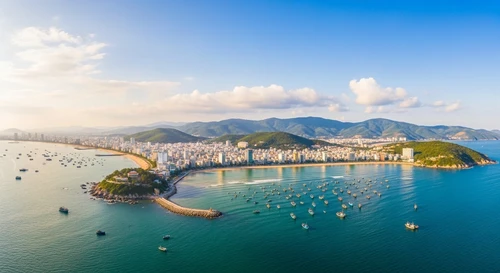
Just a short, exhilarating speedboat ride from the lantern-lit streets of Hoi An lies an archipelago that feels like stepping into another realm. The Cham Islands, known locally as Cu Lao Cham, aren't merely a picturesque day trip; they are a vital biosphere reserve, a sanctuary of pristine marine life, and a whisper from Vietnam's ancient past. Forget the tourist throngs and delve into a place where the rhythm of the waves dictates daily life and the scent of salt spray mingles with the aroma of grilled seafood.
For those seeking a deeper connection with nature and a taste of authentic island culture, Cu Lao Cham offers a potent blend. Here, the modern world's plastic footprint is consciously curtailed, inviting visitors to embrace a simpler, more sustainable way of experiencing paradise. From the shimmering underwater gardens to the cool, clear waters of a thousand-year-old well, this is an adventure that nourishes the soul and tantalizes the palate.
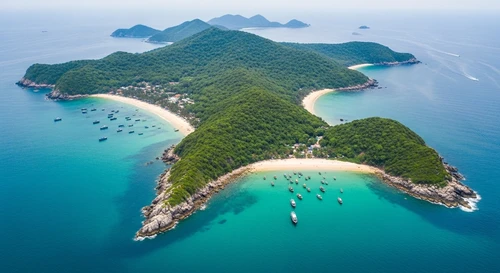
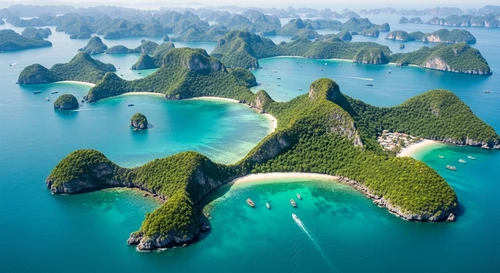
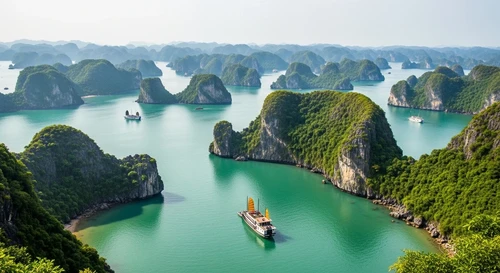
The Cham Islands: a cluster of emerald gems set in the azure expanse of the South China Sea.
From Hoi An's Shores to Island Bliss
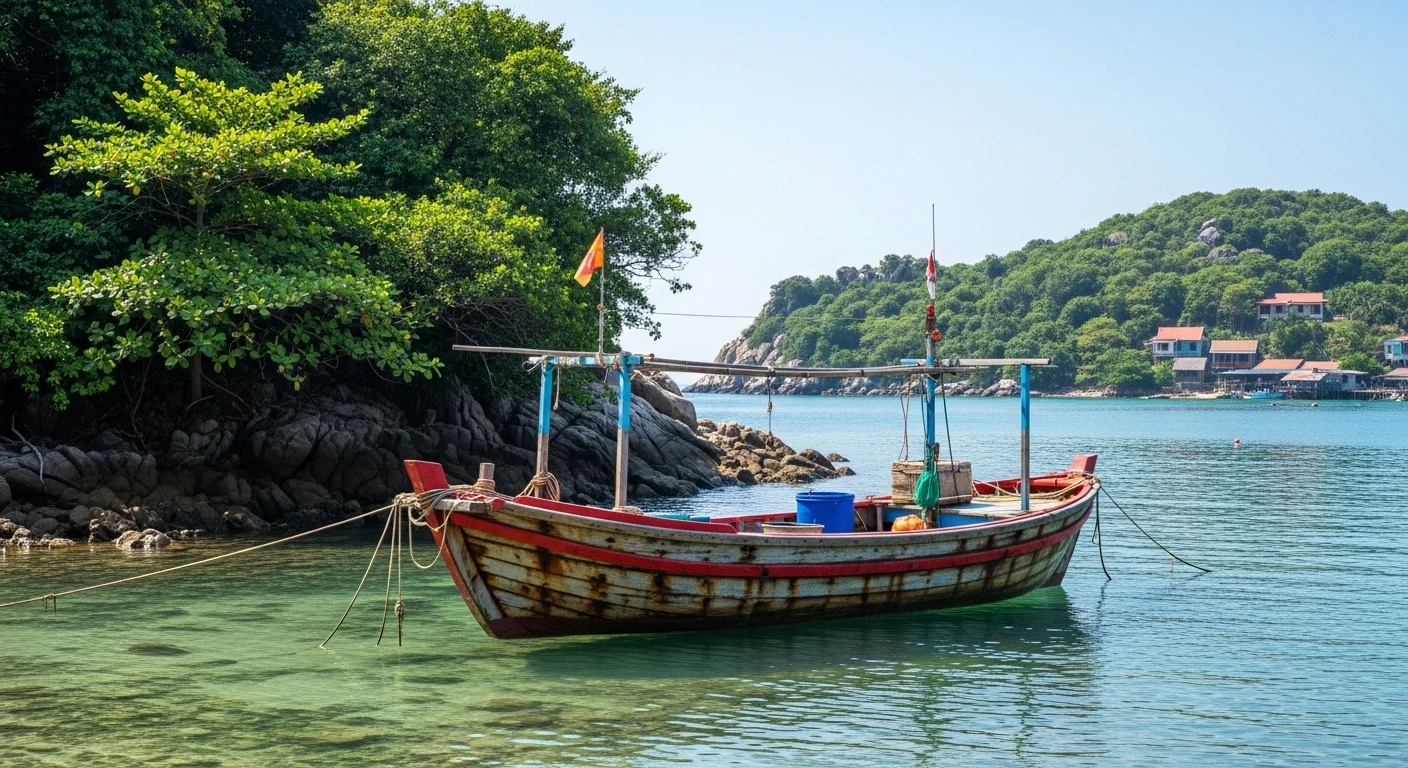
The adventure begins the moment you leave the historic port of Hoi An. While slow wooden boats are still an option for the truly dedicated, the most common and efficient way to reach Cu Lao Cham is via a high-speed boat or canoe from Cua Dai Beach or the Bach Dang harbor. The journey itself is part of the thrill – a bracing dash across the waves, the salty spray kissing your face as the coastline of Vietnam recedes and the distinct shapes of the islands grow larger on the horizon.
The main island, Hon Lao, is your primary gateway, home to the main village and a scattering of smaller communities. The speedboats typically dock here, where local guides and transport await. The entire trip, from Hoi An to the islands and back, can be done as a day excursion, but for those who wish to truly immerse themselves, overnight stays are highly recommended. This allows for a more relaxed pace and the chance to witness the islands under the cloak of starlight.
The thrilling speedboat ride is the prelude to island discovery.
Beneath the Surface: A Kaleidoscope of Coral
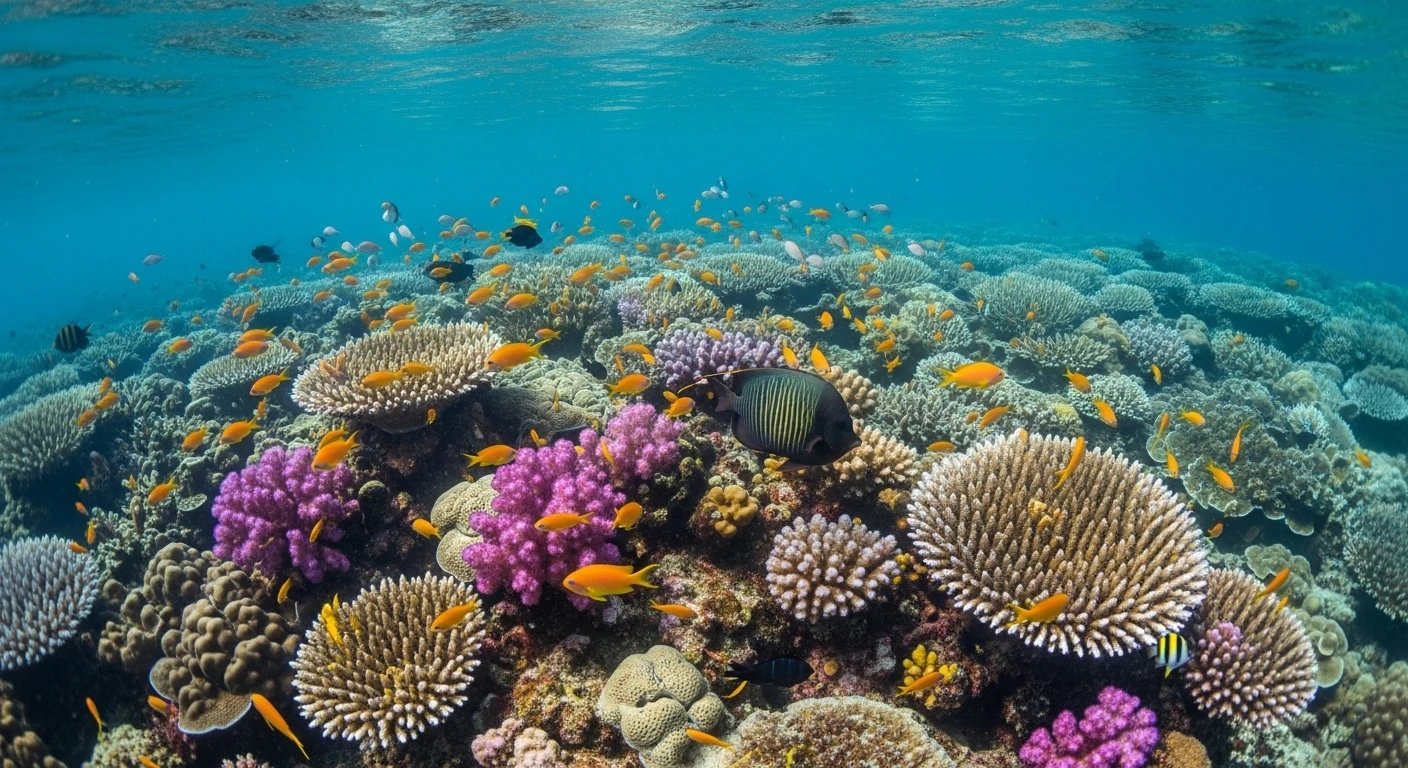
Cu Lao Cham is celebrated as a prime snorkeling and diving destination in Central Vietnam, and for good reason. The islands are part of a protected marine park, and the strict conservation efforts have preserved an astonishingly vibrant ecosystem. As you slip into the clear, warm waters, you're greeted by a breathtaking spectacle of coral gardens teeming with life.
Expect to encounter a dazzling array of fish – from schools of shimmering damselfish and angelfish to the more elusive parrotfish and wrasse. The coral formations themselves are a marvel, displaying a spectrum of colors and shapes, from delicate fan corals to robust brain corals. Designated snorkeling spots, like those around Bai Xep and Bai Huong, offer sheltered coves and shallow reefs perfect for exploration. It's a humbling experience to witness such biodiversity, a testament to the power of protecting these natural wonders.

The Cham Well: A Sip of Ancient History
Intertwined with the natural beauty of Cu Lao Cham is a profound connection to its past. The islands were once a significant site for the ancient Cham Kingdom, a powerful maritime empire that flourished in what is now Central and Southern Vietnam from the 2nd to the 15th centuries. This heritage is most vividly embodied by the "Gieng Cham" or Cham Well.
Located near the main village on Hon Lao, this ancient well is believed to be over 1,000 years old. Its construction, using large stones, speaks to the engineering prowess of the Cham people. More remarkably, the water here is said to be exceptionally pure and sweet, attributed to the island's unique geological makeup and its distance from any mainland pollution. Drinking from this well is not just refreshing; it’s a direct, tangible link to a civilization that once commanded these waters. It’s a moment of quiet contemplation, surrounded by the murmur of the sea and the weight of centuries.
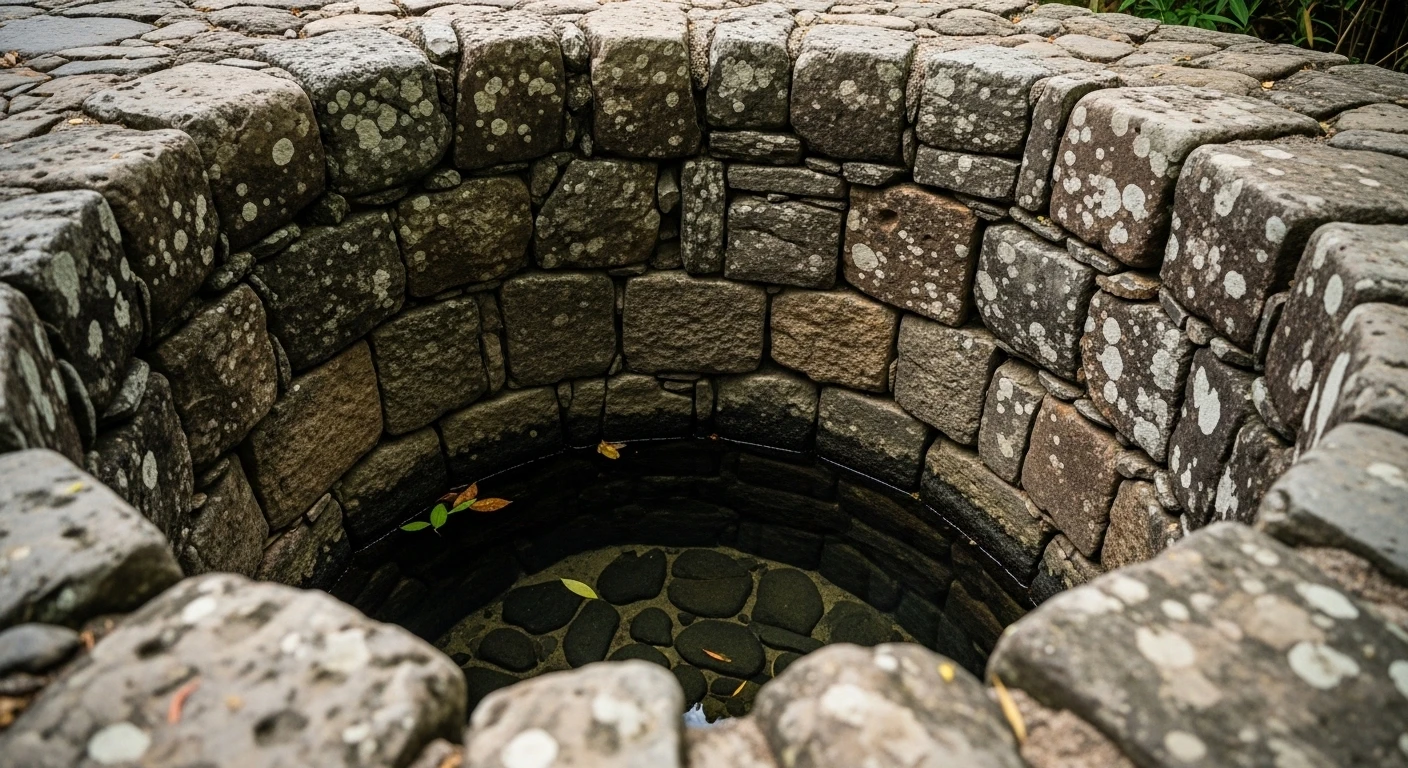
The Gieng Cham, a testament to the enduring legacy of the Cham people.
Taste of the Sea: The Elusive Stone Crab
While Cu Lao Cham offers an array of fresh seafood, one particular delicacy often steals the show: the mountain stone crab, or cua mat son. Don't let the name fool you; these aren't crabs that scurry up mountains, but rather crustaceans found in the rocky, coastal areas of the islands. Their habitat, combined with the pristine waters, contributes to their distinctive flavor.
These crabs are prized for their firm, dense, and incredibly sweet meat. Unlike the briny punch of some saltwater crabs, the stone crab from Cu Lao Cham offers a more nuanced sweetness, sometimes with subtle floral notes. They are typically prepared simply – steamed or boiled – to allow their natural flavors to shine. Served with a sprinkle of salt, pepper, and a wedge of lime, or a dipping sauce of crushed chili and sea salt, a plate of these crabs is an unforgettable culinary experience, embodying the pure essence of the island's marine bounty.
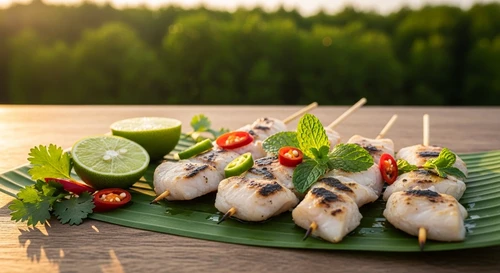
Beyond the famous stone crab, you’ll find an abundance of other fresh catches: succulent squid, various local fish grilled to perfection, and plump shrimp. Many of the local restaurants and small eateries, often run by island families, offer these delights. Dining here is an intimate affair, with tables set up with sea views, the sound of waves providing a natural soundtrack to your meal.
A Biosphere in Action: Embracing Sustainability
Cu Lao Cham is designated as a UNESCO Biosphere Reserve, a recognition of its ecological significance and the community's commitment to conservation. This status permeates the visitor experience, encouraging a mindful approach to tourism.
One of the most striking aspects is the island’s "no plastic" policy. Visitors are strongly encouraged to bring their own reusable water bottles and shopping bags. This initiative, driven by the local community and government, significantly reduces waste and preserves the pristine environment that makes Cu Lao Cham so special. It's a powerful reminder that responsible tourism is not just a concept, but a practical, achievable reality.
Beyond the plastic-free initiative, conservation efforts focus on protecting the coral reefs, managing fishing practices, and preserving the island's unique flora and fauna. Participating in guided tours, respecting designated areas, and supporting local businesses that adhere to sustainable practices are ways visitors can contribute to the ongoing preservation of this fragile paradise.
Island Life: The Pulse of the Cham Archipelago
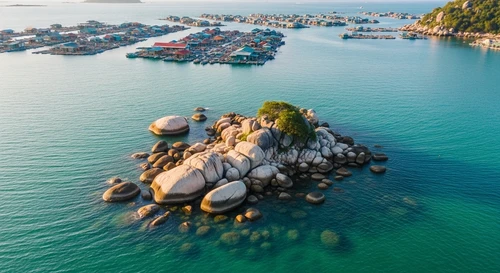
While not strictly part of the Mekong Delta's riverine system, the Cham Islands share the Western Vietnam coastline's intimate relationship with the sea. The livelihoods of the islanders are intrinsically tied to the ocean’s cycles. Fishing, both traditional and modern, forms the backbone of the economy, providing the fresh seafood that graces every table.
Beyond fishing, the islanders engage in small-scale aquaculture and tourism. You'll see small boats bobbing near the shore, used for both fishing expeditions and transporting goods and visitors. Walking through the villages, you'll encounter friendly locals mending nets, preparing meals, and going about their daily routines. There’s a palpable sense of community and a deep respect for the sea that sustains them. This connection to the ocean, a constant presence in the lives of people across the Western Vietnamese coast, is amplified here on the islands, offering a genuine glimpse into a maritime culture.
Your Island Adventure: Logistics and Recommendations
Planning your visit to Cu Lao Cham is straightforward, but a few tips can enhance your experience.
- Best Time to Visit: The dry season, from March to September, offers the calmest seas and most pleasant weather for exploring and snorkeling.
- Getting There: High-speed boats depart daily from Cua Dai Beach or Bach Dang harbor in Hoi An. Several tour operators offer day trips, which typically include boat transport, lunch, snorkeling gear, and guided tours.
- Overnight Stays: For a more immersive experience, arrange an overnight stay. Homestays and simple guesthouses are available, offering a chance to connect with local families and enjoy the island after the day-trippers depart. Book in advance, especially during peak season.
- What to Bring: A reusable water bottle is essential due to the plastic ban. Sunscreen, a hat, swimwear, a towel, and comfortable walking shoes are also recommended.
- Respect the Environment: Adhere to the "no plastic" policy and be mindful of the marine reserve. Avoid touching coral and marine life.
Beyond the Reef: Hiking and Heritage
While snorkeling and diving are major draws, the Cham Islands offer more than just underwater exploration. For the active traveler, hiking trails crisscross the main island, Hon Lao, leading to vantage points that offer breathtaking panoramic views of the archipelago and the mainland coastline. The highest point, Mount Than Than, provides a rewarding vista after a moderate trek.
Explore the peaceful fishing villages beyond the main hub. While Hon Lao is the largest, several smaller, uninhabited islets are part of the reserve, some accessible by boat for further exploration and secluded beach enjoyment. The local market in the main village is also a fascinating place to witness the daily commerce, from fresh produce to local crafts and, of course, the morning's catch.
An Enduring Enchantment
Cu Lao Cham is more than just a destination; it's an immersion. It’s a place where the ancient echoes of the Cham Kingdom harmonize with the vibrant life of a protected marine sanctuary. It's where the sweetness of a unique stone crab on your plate connects you directly to the ocean's bounty.
For travelers seeking an escape that offers both natural beauty and cultural depth, the Cham Islands deliver an experience that is both exhilarating and profoundly grounding. It’s a powerful testament to the beauty of Vietnam's coastline and the importance of preserving these precious marine ecosystems for generations to come. The whispers of the waves and the sweet taste of the sea linger long after you’ve returned to the mainland.
Explore Vietnam's Coast
Discover more hidden gems along Vietnam's stunning coastlines.
🌊 Discover Coastal Wonders