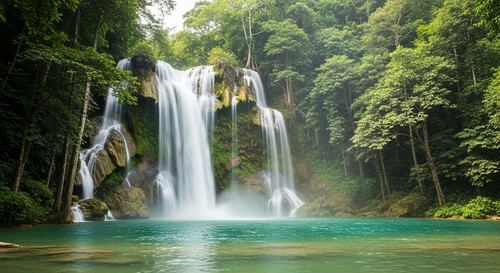
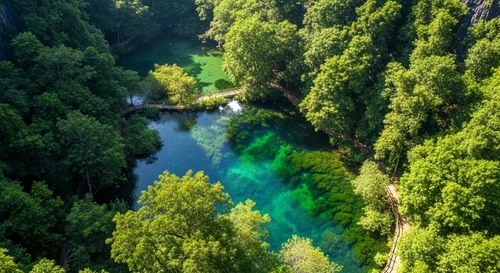
The Emerald Heart of Dong Thap
Forget the bustling streets of Hanoi or the ancient charm of Hoi An for a moment. Venture south, deep into the labyrinthine waterways of the Mekong Delta, and you'll find a different kind of Vietnam. This is a land of emerald flooded forests, of shimmering waterways, and of a profound, ancient silence broken only by the calls of birds. Here lies Tram Chim National Park, a Ramsar-designated wetland of international importance, and a place that whispers tales of nature's resilience.
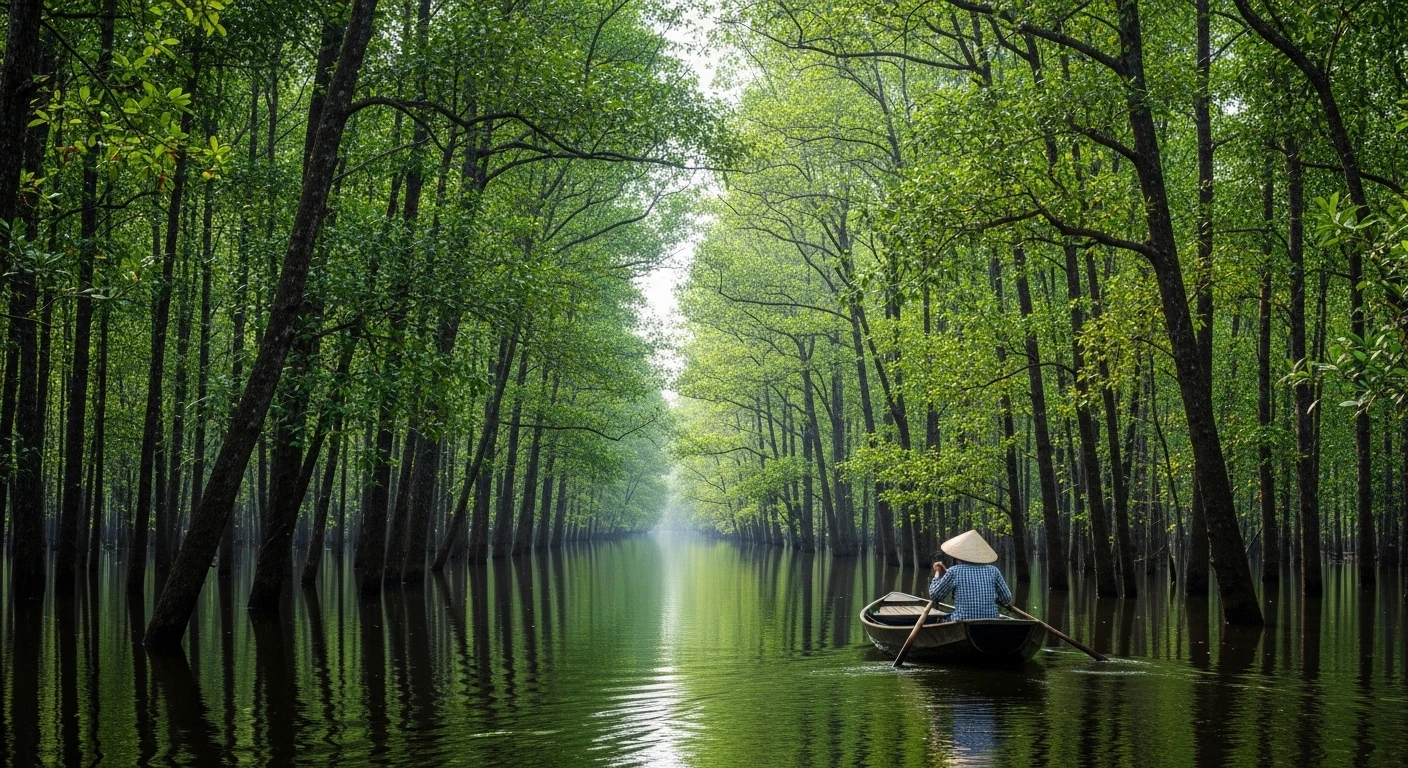
Known locally as Vườn quốc gia Tràm Chim, this park isn't about manicured trails or selfie-stick-wielding crowds. It's about immersion. It's about surrendering to the gentle sway of a small boat, guided by a local who knows these waters like the back of their hand. It's about understanding that this seemingly tranquil landscape is, in fact, a pulsating ecosystem, a vital haven for a staggering array of biodiversity.
Guardians of the Sky: The Enchanting Sarus Crane
The undisputed monarch of Tram Chim, the reason many venture here, is the Sarus crane (Grus antigone). Towering at nearly six feet, with a striking crimson head and neck, these are not just birds; they are living legends. Once found across Southeast Asia, their populations have dwindled dramatically due to habitat loss and hunting, making Tram Chim one of their last significant strongholds.
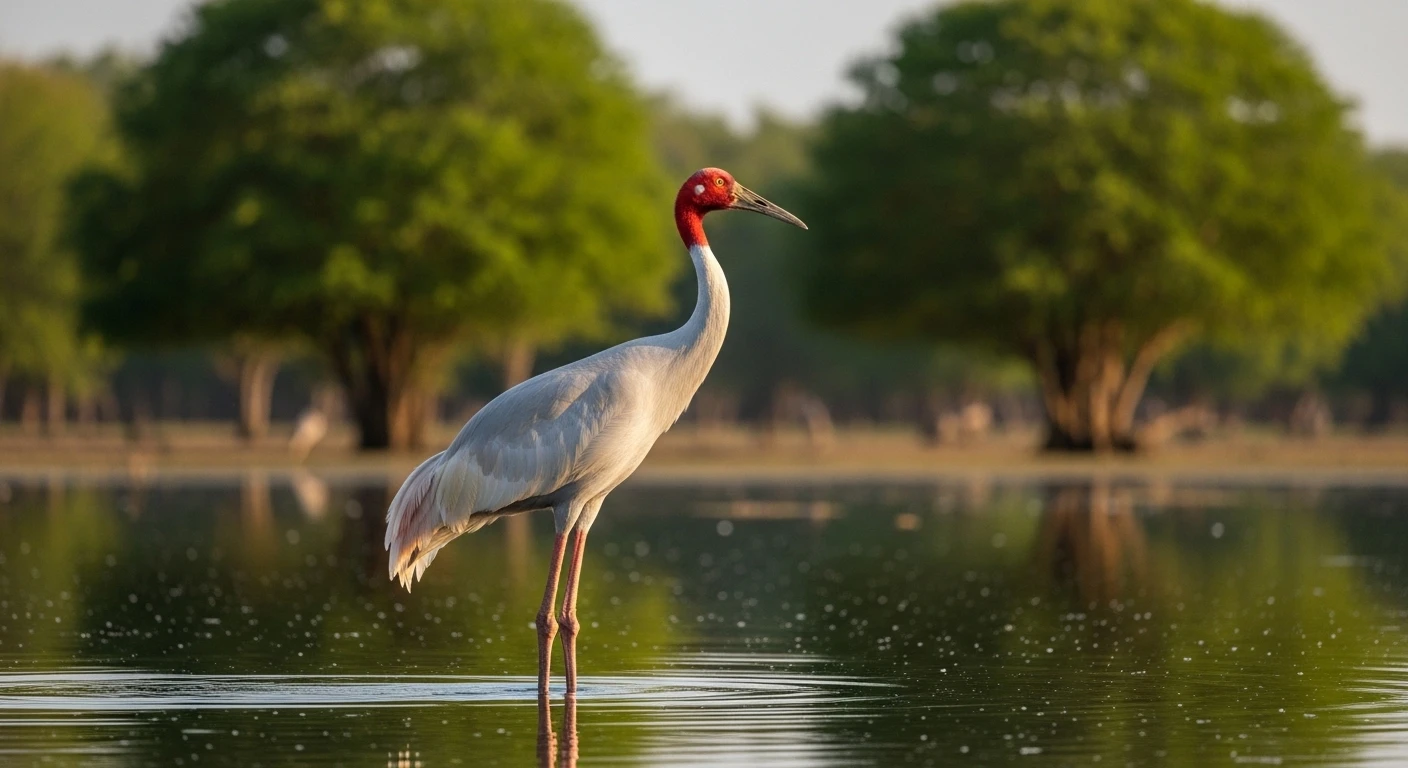
Witnessing a Sarus crane in its natural habitat is a profound experience. They are often seen wading gracefully in the shallow waters, their distinctive calls echoing across the wetlands. They are symbols of longevity, fidelity, and good fortune in many Asian cultures, and their presence here is a powerful reminder of what we stand to lose. The best time to see them is during the dry season, generally from December to May, when they are most active and visible as they forage for food like aquatic plants, roots, and small invertebrates.
Paddling Through Paradise: The Cajeput Forests
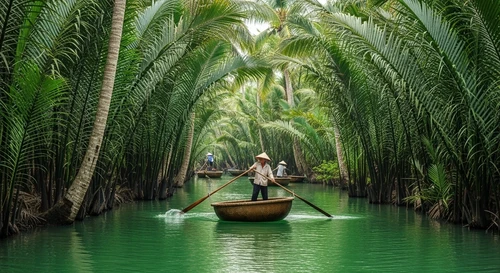
The dominant vegetation in Tram Chim is the Melaleuca, or cajeput, tree. These hardy trees thrive in the waterlogged soil, creating vast, ethereal forests that define the park's landscape. The most authentic way to explore this unique environment is by hiring a local guide and their small, nimble rowboat.
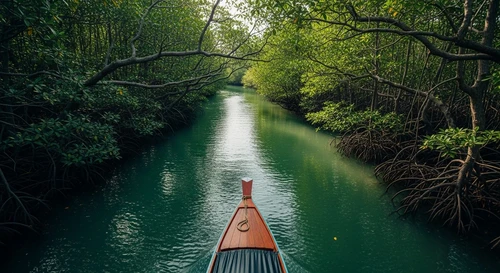
As your boat glides silently through the narrow channels, the dense canopy of cajeput trees filters the sunlight, casting a dappled, emerald glow. The air is thick with the scent of damp earth and vegetation. This is not just a visual spectacle; it's a sensory immersion. The silence is profound, broken only by the drip of water from your oar, the rustle of unseen creatures in the undergrowth, and the distant symphony of bird calls. Keep your eyes peeled for the park's other avian residents: egrets, herons, kingfishers, and countless smaller species that call this wetland home.

Life on the Water: A Dynamic Ecosystem
Tram Chim's magic lies in its dynamism. The park operates on a distinct wet and dry season cycle, dictated by the ebb and flow of the Mekong's tributaries. During the wet season (roughly June to November), the water levels rise, inundating the forests and creating ideal conditions for aquatic life and the birds that feed on it. The cajeput trees become submerged, creating a surreal, submerged forest.
As the dry season approaches, the waters recede, concentrating fish and invertebrates in the remaining pools, drawing in large numbers of feeding birds, including the Sarus cranes. This seasonal shift is crucial for the park's inhabitants, influencing breeding patterns, migration, and foraging behaviors. Understanding this natural rhythm adds another layer of appreciation for the delicate balance of this environment.
Guardians of the Reserve: Conservation in Action
Tram Chim National Park is more than just a beautiful landscape; it's a critical conservation area. Designated as a Ramsar site in 2011, it plays a vital role in protecting not only the Sarus cranes but also the fragile wetland ecosystem that supports thousands of bird species and diverse plant life.
However, like many natural reserves, Tram Chim faces significant challenges. Upstream dam construction on the Mekong can alter water flow and sediment levels, impacting the delicate hydrological balance. Poaching and illegal fishing, though actively combated, remain threats. The park's management is a continuous effort to balance conservation with the needs of the local communities who depend on the surrounding areas. Your visit, by supporting eco-tourism initiatives, directly contributes to these conservation efforts.
Timing Your Visit: The Crane's Call
The magic of Tram Chim, particularly the Sarus cranes, is somewhat seasonal. The absolute best time to visit is during the dry season, typically from December to May. During these months, the water levels are lower, making foraging easier for the cranes and allowing for more accessible boat tours. The birds are more concentrated and active, increasing your chances of spectacular sightings.
Early morning and late afternoon offer the most rewarding viewing opportunities. The soft, golden light of dawn and dusk bathes the wetlands in a magical glow, and this is when many bird species, including the cranes, are most active. Consider hiring a local guide; their intimate knowledge of the park and its inhabitants is invaluable. They can navigate you to the best viewing spots and share insights into the local flora and fauna that you would otherwise miss.
While you can visit during the wet season, navigation can be more challenging, and bird visibility might be reduced by the denser foliage and higher water levels. However, the lush, flooded forest landscape offers a different, equally captivating, kind of beauty.
Your Journey to the Wetlands: Accessing Tram Chim
Tram Chim National Park is located in Tam Nong District, Dong Thap Province, in the heart of the Mekong Delta. Reaching this natural sanctuary involves a journey through the vibrant delta landscape.
By Air: The closest major airport is Tan Son Nhat International Airport (SGN) in Ho Chi Minh City. From Ho Chi Minh City, you'll need to travel overland to Dong Thap Province.
By Road from Ho Chi Minh City: The most common route is by bus or private car. The journey to Dong Thap Province takes approximately 3.5 to 4.5 hours, depending on traffic and your specific destination within the province. Your target town will likely be Sa Dec or Cao Lanh, from where you can arrange transport to Tam Nong District.
To the Park Entrance: Once in Tam Nong District, you can hire a local motorbike taxi (xe ôm) or a car to reach the park entrance. It’s advisable to arrange your accommodation in advance. There are simple guesthouses and homestays available in Tam Nong or nearby towns, offering an authentic delta experience. Hiring a local guide and boat is best done through your accommodation or directly at the park entrance.
A Symphony of Life: More Than Just Cranes
While the Sarus crane is the star attraction, Tram Chim's ecological richness extends far beyond. The park is a vital stopover point for migratory birds and a permanent home to over 200 species. Keep your binoculars ready for:
- Herons and Egrets: Various species are commonly seen, often fishing in the shallow waters.
- Kingfishers: Their brilliant colors flash as they dive for small fish.
- Waterfowl: Ducks and other water birds are abundant, especially during the wet season.
- Smaller Birds: Warblers, swallows, and sunbirds flit through the foliage.
Beyond birdwatching, the park offers a glimpse into traditional Mekong Delta life. Observing the local communities tending their rice paddies or fishing along the waterways provides valuable context for this unique region. Some tours may even include visits to local villages or craft workshops, offering a more rounded cultural experience.
Treading Lightly: Practicing Responsible Eco-Tourism
Tram Chim's fragile ecosystem demands respect. As a visitor, your actions can significantly impact its preservation. Responsible eco-tourism is not just a buzzword here; it's a necessity.
- Hire Local Guides: They possess invaluable knowledge and their employment directly supports the local economy and conservation efforts.
- Respect Wildlife: Maintain a safe distance from all animals, especially the cranes. Do not feed them or disturb their habitats.
- Leave No Trace: Carry out all your trash. Avoid picking plants or collecting souvenirs from the park.
- Minimize Noise: Loud noises can scare wildlife. Enjoy the natural sounds of the wetlands.
- Choose Sustainable Options: Opt for accommodations and tour operators that demonstrate a commitment to environmental sustainability.
By traveling mindfully, you help ensure that Tram Chim remains a sanctuary for its incredible wildlife for generations to come.
The Wider Delta: Dong Thap's Enduring Charm
While Tram Chim is a highlight, Dong Thap Province itself offers a rich tapestry of experiences that embody the spirit of the Mekong Delta. Its landscapes are painted with rice paddies, fruit orchards, and winding waterways.
Consider exploring the vibrant floating markets like the one in Cao Lanh, where boats laden with produce create a bustling, colorful spectacle. Visit ancient temples, discover local craft villages specializing in traditional goods like conical hats (nón lá) or lotus products, and indulge in the region's distinctive cuisine, which often features fresh river fish and an abundance of local herbs and vegetables.
Gao Giong Bird Sanctuary, another gem in Dong Thap, offers a similar yet distinct wetland experience with its own array of birdlife and expansive cajeput forests. For those captivated by the serene beauty of the Delta's natural reserves, Gao Giong provides an excellent complementary visit.
Discover More Wetlands:
Paddling Through the Green Lungs of the Dong Thap Muoi: Gao Giong Bird SanctuaryGlide through dense cajeput forests teeming with storks and herons in this pristine eco-paradise.
A trip to Tram Chim is more than just a birdwatching expedition; it's an invitation to connect with the untamed heart of the Mekong Delta, to witness the delicate dance of nature, and to understand the profound importance of protecting these vital wetlands. It’s a journey that quiets the mind and reawakens the soul.