Beyond Sapa Town: The Call of the Muong Hoa Valley
Sapa. The name itself conjures images of mist-shrouded peaks and emerald rice terraces. But for many, the popular hub of Sapa town can feel a world away from the quiet, contemplative beauty that first drew travelers to these northern highlands. If you're yearning for an authentic immersion, a chance to truly connect with the land and its people, then it's time to venture deeper. Leave the souvenir shops and crowded streets behind, and let your feet carry you down into the heart of the Muong Hoa Valley.
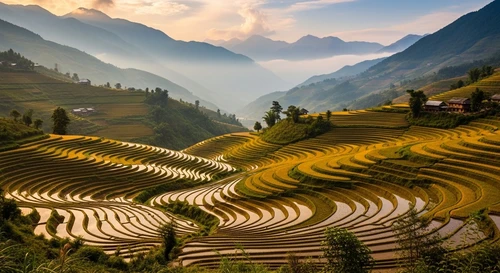
This is where the real magic unfolds. A trek, not just through stunning landscapes, but into a way of life that has persevered for generations. Our destination: Ta Van Village. Nestled along the winding Muong Hoa River, this is a place where the rhythm of life is dictated by the sun, the rain, and the ancient patterns of cultivation. Here, amidst cascading terraces that shimmer like liquid jade, you'll find the true essence of a Sapa homestay experience.
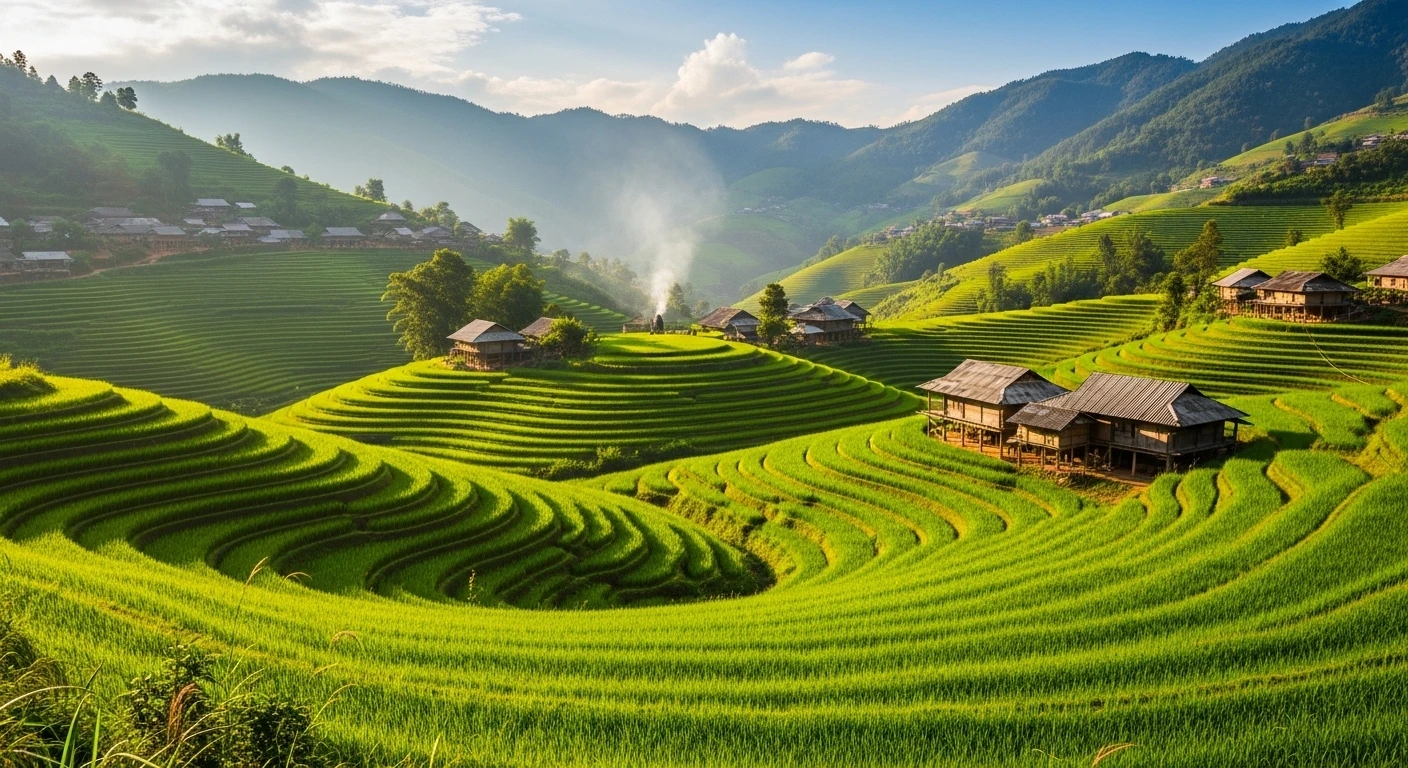
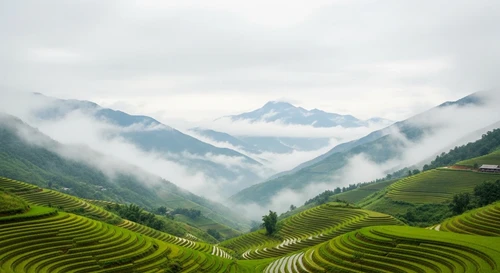
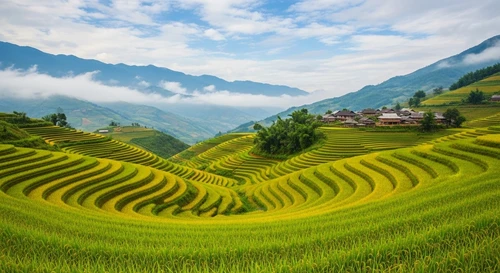
The breathtaking vista of Ta Van Village, a testament to the harmonious relationship between people and nature.
The Descent: A Trek Through Living Art
The journey to Ta Van is an integral part of the experience. Starting from Sapa town or a point further along the valley rim, you’ll embark on a trek that’s less about conquering peaks and more about appreciating the intricate tapestry of the landscape. Paths wind alongside the Muong Hoa River, traversing narrow trails carved into the hillsides.
As you descend, the scale of the rice terraces becomes overwhelming. These aren't just fields; they are sculpted masterpieces, a testament to centuries of human ingenuity and labor. Each level, carefully constructed to capture and channel water, creates a rippling, reflective surface that mirrors the sky. You'll cross charming bamboo suspension bridges, their gentle sway adding a touch of adventure, and pass through small hamlets where children wave enthusiastically and women mend intricate textiles. The air is alive with the chirping of unseen insects and the distant calls of farmers.
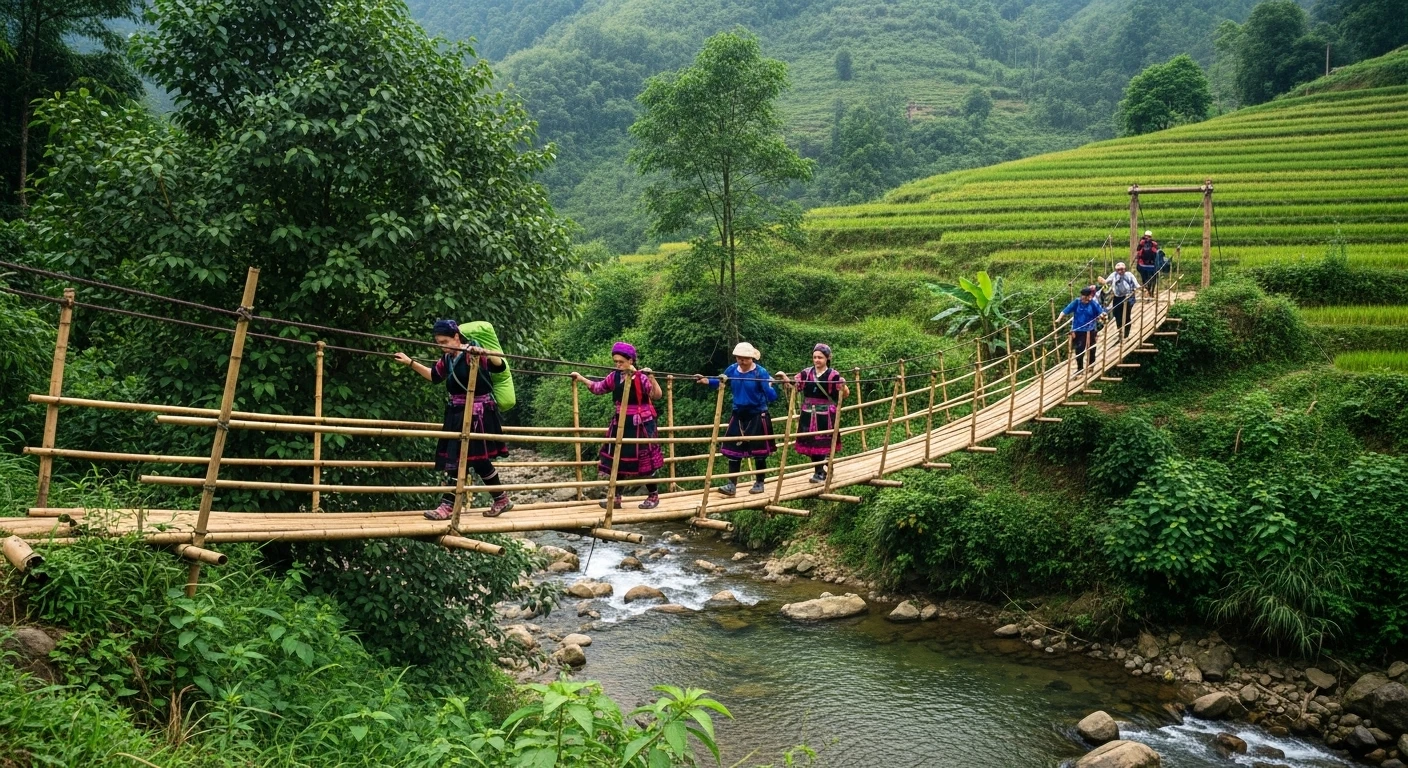
Navigating the Muong Hoa Valley involves crossing picturesque bamboo bridges, a quintessential part of the Sapa trekking adventure.
Ta Van Village: Home of the Giay Minority
Ta Van is primarily the home of the Giay ethnic minority. Unlike the more prevalent Black Hmong and Red Dao found in other areas around Sapa, the Giay have their own distinct cultural heritage, language, and traditions. Arriving in Ta Van feels like stepping into a living postcard. Traditional wooden stilt houses, their roofs often thatched or tiled, are clustered together, many overlooking the verdant valley floor. Smoke curls lazily from cooking fires, and the gentle sounds of village life provide a soothing soundtrack.
The beauty of Ta Van lies in its authenticity. While tourism has brought opportunities, the core of Giay life remains deeply connected to the land and community. You'll see women in their distinctive indigo-dyed clothing, often adorned with silver jewelry, tending to their homes or working in the fields. The elders sit, sharing stories and observing the world with a quiet wisdom. It's a place that encourages you to slow down, to simply *be*.
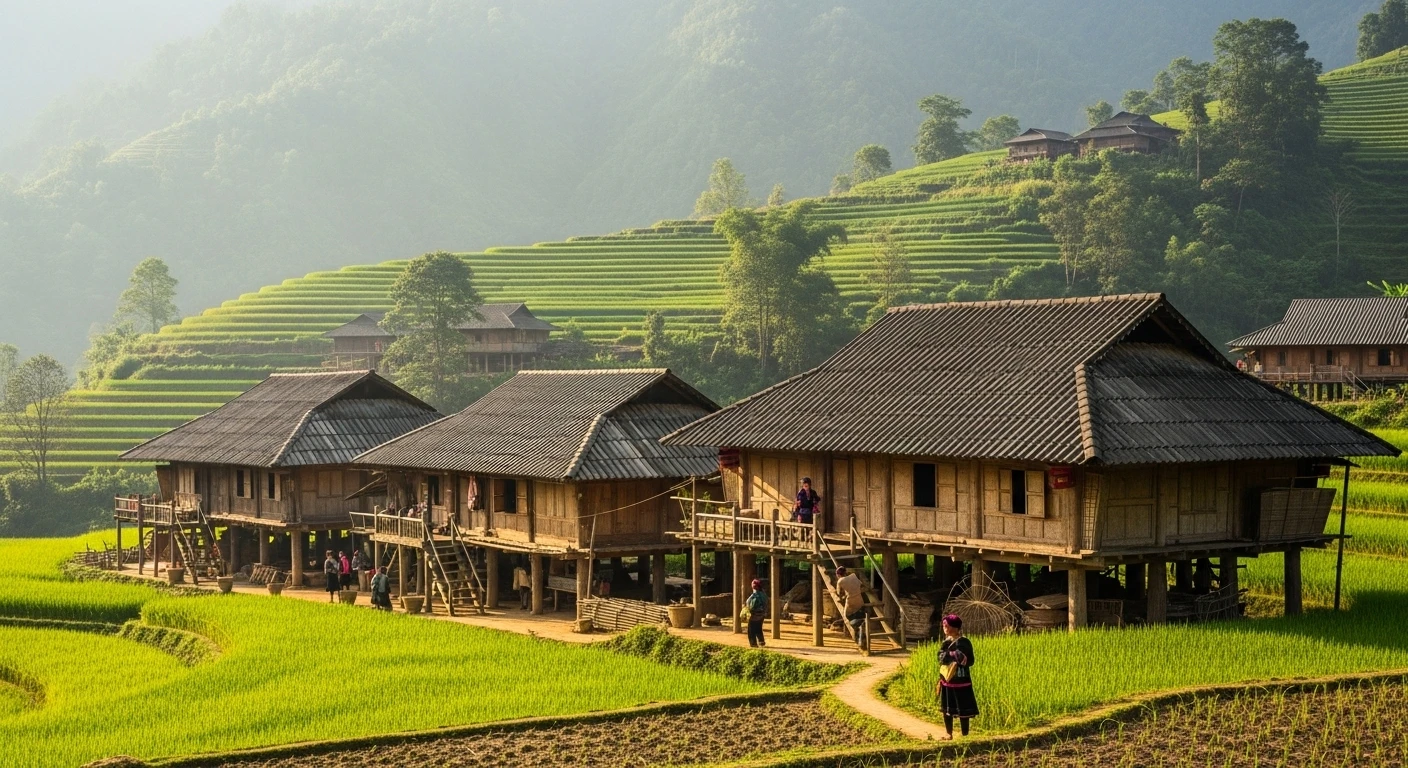
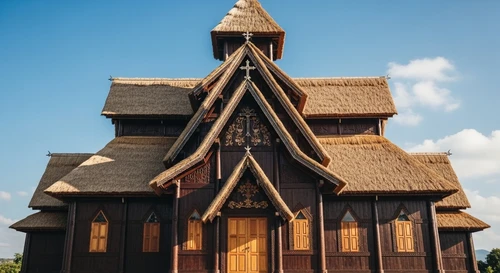
The distinctive wooden stilt houses of the Giay people are a hallmark of Ta Van Village's charm.
A Night Under the Stars: Your Giay Homestay
The heart of the Ta Van experience is undoubtedly the homestay. Forget sterile hotel rooms; this is about genuine hospitality. You'll be welcomed into a local family's home, often a spacious wooden dwelling built on stilts. Your room might be simple – perhaps a comfortable mattress on the floor with clean linens and mosquito nets – but it's clean, cozy, and offers an unparalleled connection to your hosts.
The true immersion comes from sharing meals. Your hosts will prepare a feast using fresh, locally sourced ingredients. This is your chance to sample traditional Giay cuisine, often cooked over an open fire or in bamboo. The highlight for many is Com Lam – sticky rice cooked inside a length of bamboo, imparting a unique, smoky flavor. Other dishes might include mountain vegetables, locally raised chicken or pork, and perhaps even some freshly caught river fish. Conversations flow, often aided by gestures and smiles, or through a translator if you're lucky. You’ll share stories, learn about their customs, and experience a warmth that’s hard to find anywhere else.
The Symphony of Flavors: Com Lam and Giay Gastronomy
The food in Ta Van is more than sustenance; it’s a cultural expression. The star, of course, is Com Lam. The process is fascinating: glutinous rice, sometimes mixed with beans or other grains, is soaked, then packed tightly into segments of fresh bamboo. The bamboo is then sealed and roasted over embers until the rice is perfectly cooked and infused with a subtle, earthy aroma. Peeling back the burnt exterior of the bamboo to reveal the tender, fragrant rice is a small ritual in itself. It’s often served simply, or with a dollop of sesame salt for dipping.
Beyond Com Lam, expect hearty, flavorful dishes that reflect the mountain bounty. Stir-fried greens, often seasoned with garlic and chili, provide a fresh counterpoint. Locally raised pork might be stewed with star anise or grilled with lemongrass. The simplicity of preparation often allows the natural flavors of the ingredients to shine. You might also encounter dishes featuring ingredients foraged from the surrounding forests. And if you're fortunate, you might be offered a sip of homemade corn wine (ruou ngo), a potent spirit often shared during social gatherings, a true symbol of Giay hospitality.
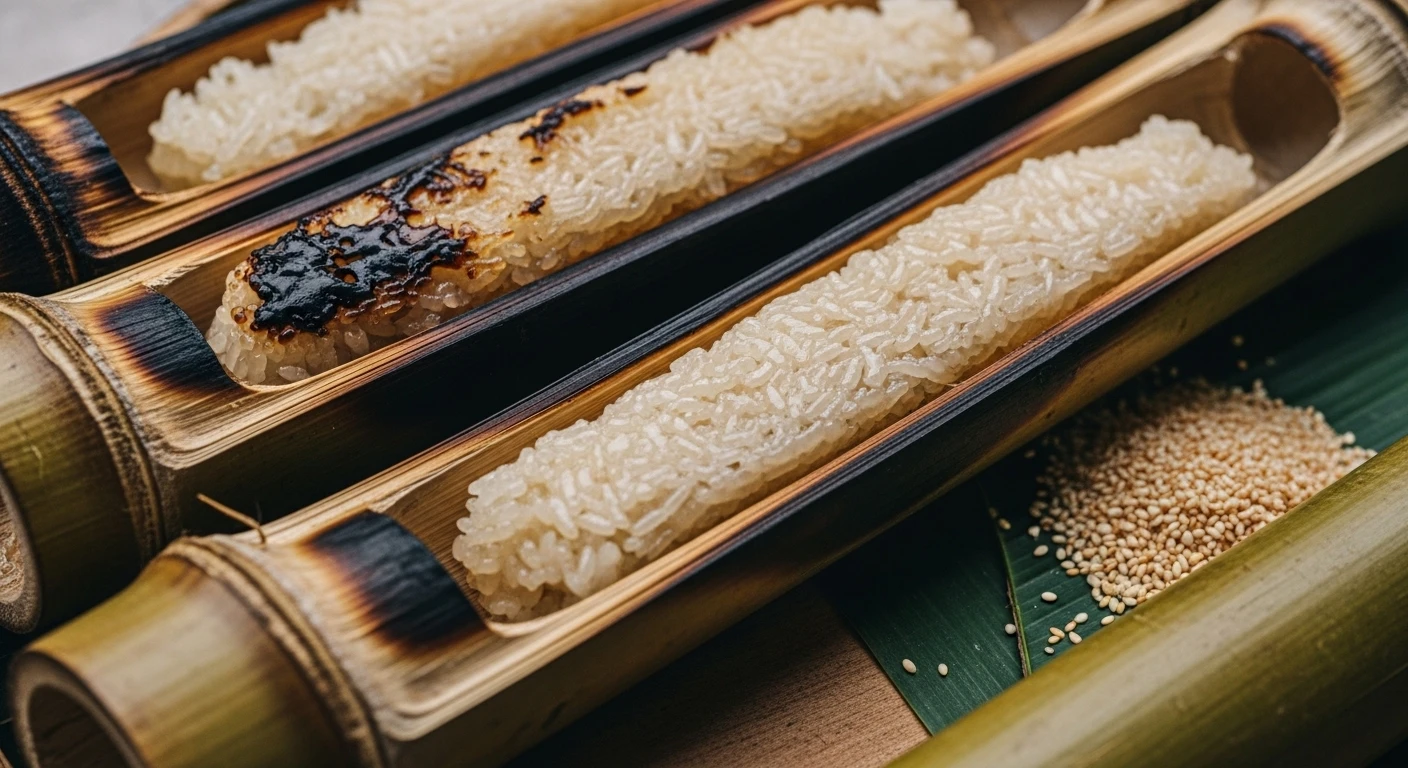
Com Lam, a delightful specialty cooked within bamboo, offers a unique taste of the Muong Hoa Valley.
More Than Just Scenery: Understanding Giay Traditions
Ta Van offers a unique window into the Giay culture. While they share the Sapa region with other ethnic groups, their traditions, particularly their language and intricate weaving techniques, stand apart. Homestays provide an unparalleled opportunity to learn firsthand. You might observe women working on looms, creating vibrant patterns with natural dyes, or hear snippets of the melodic Giay language.
Engaging with your hosts, even through basic conversation or shared activities, offers insights into their worldview. Their connection to the land is profound, evident in their farming practices and their deep respect for nature. It's a reminder of a simpler, more grounded existence, one that prioritizes community and sustainability.
The Art of Slow Travel in the Highlands
Ta Van isn't a destination for a quick stopover. It’s a place that rewards slow travel. The true richness of the experience unfolds when you allow yourself to settle in, to observe, and to participate. Mornings are best spent with a cup of Vietnamese coffee, watching the mist burn off the terraces. Afternoons can be dedicated to gentle walks around the village, exploring its nooks and crannies, or simply sitting with your hosts, sharing a quiet moment.
This unhurried pace allows you to absorb the atmosphere, to build genuine connections, and to appreciate the subtle beauty that might be missed in a rushed itinerary. It’s about experiencing the rhythm of village life, not just observing it from a distance.
Navigating Your Stay: Practical Tips and Etiquette
To make the most of your homestay in Ta Van, a little preparation goes a long way.
- Pack Light but Smart: Comfortable walking shoes are essential. Bring layers of clothing as the mountain weather can change quickly. A rain jacket, insect repellent, and basic first-aid kit are also advisable.
- Respectful Interaction: Always ask permission before taking photos of people. Dress modestly, especially when visiting homes or participating in meals. A small gift for your host family, such as school supplies for children or practical items, is often appreciated.
- Cash is King: There are no ATMs or readily available card payment facilities in Ta Van. Bring enough Vietnamese Dong for your accommodation, meals, and any small souvenirs you might wish to purchase.
- Embrace the Experience: Be open to the simplicity. Wi-Fi might be spotty or non-existent, and electricity can sometimes be intermittent. See this as an opportunity to disconnect and truly engage with your surroundings.
- Learn a Few Phrases: Even a simple "Xin chào" (hello) or "Cảm ơn" (thank you) in Vietnamese can go a long way in fostering goodwill.
Beyond Ta Van: The Wider Muong Hoa Valley
Ta Van is a gem, but the Muong Hoa Valley offers more explorations. Depending on your interests and time, you can extend your trek to other villages.
For those seeking a different ethnic encounter, a trek towards Ta Phin Village, home to the Red Dao people, offers the chance to experience their unique herbal baths and distinct cultural practices. Or, delve deeper into the valley's trekking heart by exploring routes that connect various communities, showcasing the diverse tapestry of Northern Vietnam's ethnic mosaic. The Muong Hoa Valley is a trekking paradise, with routes catering to various fitness levels, each promising stunning vistas and authentic encounters.

The Enduring Allure of Ta Van
Ta Van Village is more than just a stop on a trekking route; it’s an invitation to experience the soul of Sapa. It’s a place where the land shapes the life, and the people embrace visitors with genuine warmth. By choosing a homestay here, you’re not just getting a bed for the night; you’re gaining a glimpse into a rich cultural heritage, savoring the honest flavors of the mountains, and witnessing the breathtaking beauty of human dedication to the land. So, when you plan your journey to Northern Vietnam, dare to step off the beaten path. Let the Muong Hoa Valley enchant you, and let Ta Van Village offer you a homestay experience you’ll carry with you long after you’ve departed its verdant embrace.
Planning Your Sapa Adventure?
Ready to explore the wonders of Sapa and its surrounding valleys?
⛰️ Discover Sapa Trekking