Beyond the Souvenir Shops: Finding the Real Sapa
Sapa. The name conjures images of mist-shrouded mountains, impossibly green rice terraces, and the vibrant clothing of ethnic minority groups. It’s a postcard cliché for a reason. But for those who've been, and for those who yearn for more than the tourist hustle, the real Sapa lies beyond the well-trodden paths of the main town. This is a journey into the valleys, into the heart of indigenous culture, and, most importantly, to the communal table.
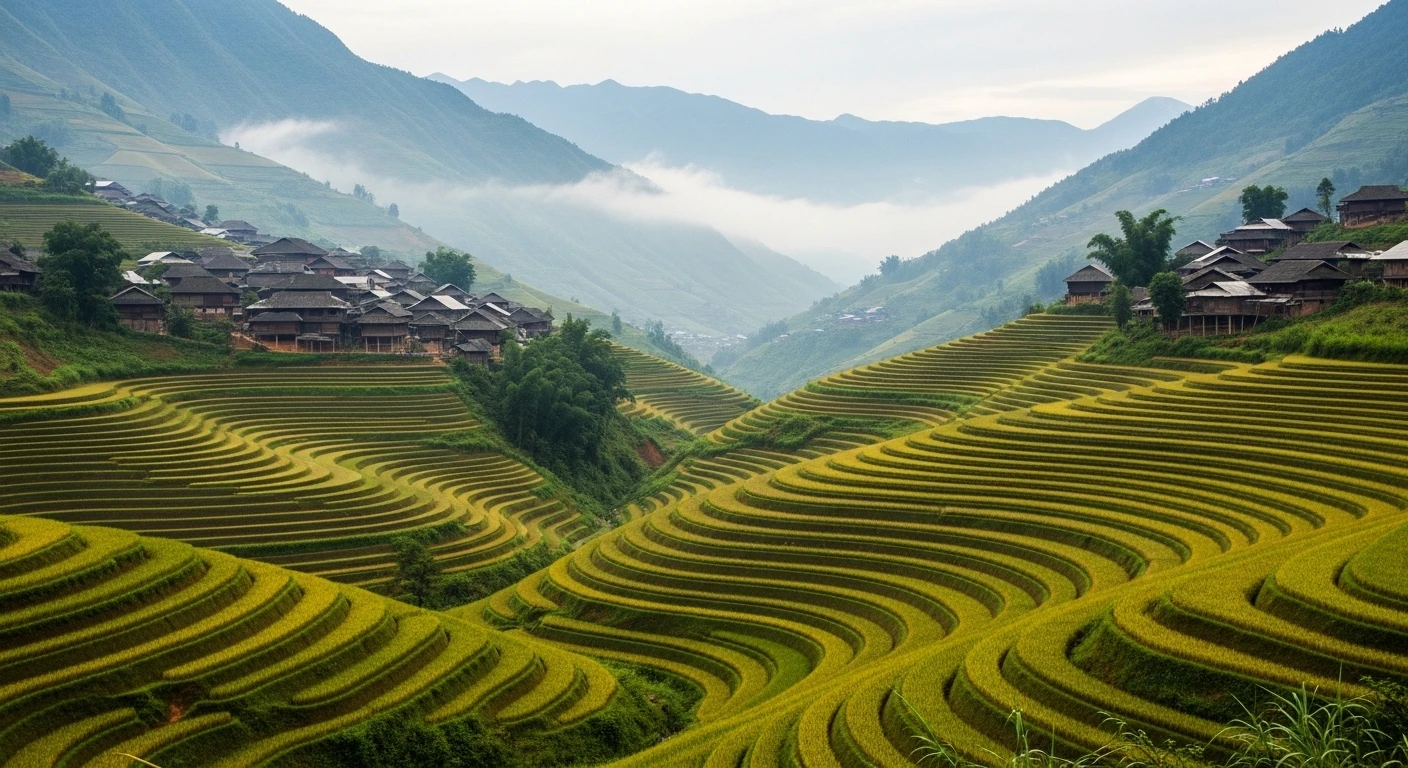
Forget the market stalls peddling mass-produced trinkets and the incessant calls of touts. We're heading into the Muong Hoa Valley, a sprawling, breathtaking landscape that is the true trekking heart of this region. Here, life moves at the pace of the seasons, dictated by the planting and harvesting of rice, and shared through age-old traditions. This is where we’ll find authenticity, connection, and, of course, unforgettable food.
Into the Muong Hoa: A Trekker's Paradise
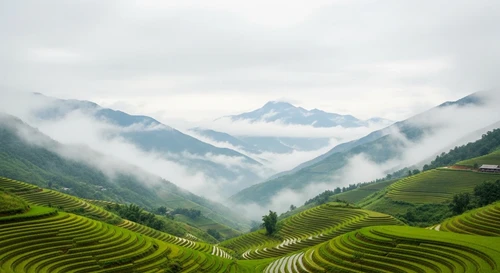
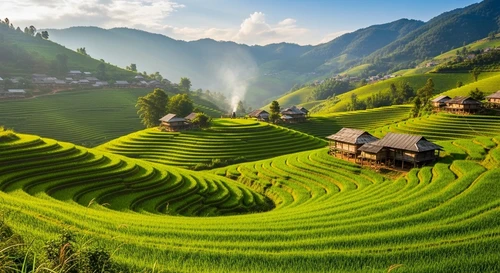
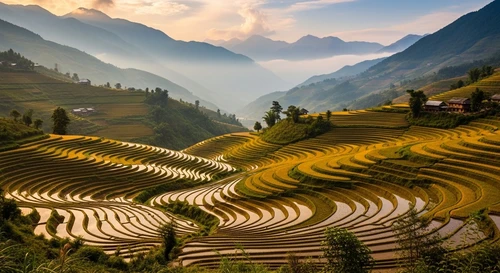
The Muong Hoa Valley is not just a geographical location; it’s an experience. As you descend from Sapa town, the air changes. It becomes cleaner, infused with the scent of damp earth, wild herbs, and woodsmoke. The sheer scale of the terraced rice paddies is staggering, carved into the hillsides by generations of Black Hmong and Red Dao farmers. These aren't just agricultural landscapes; they are living works of art, reflecting the ingenuity and deep connection to the land of the people who inhabit them.
Days here are spent navigating winding trails, crossing precarious bamboo suspension bridges that sway gently over gurgling streams, and exchanging smiles with local farmers tending their fields. You'll pass through small hamlets, where the rhythm of life is palpable – children playing, women weaving intricate indigo fabrics, and the ever-present sound of nature.
This is where the true story of Sapa unfolds, away from the crowds. It's a landscape that demands your attention, rewarding you with unparalleled views and a profound sense of peace.
A Night Among the Black Hmong: The Homestay Heart
The ultimate way to connect with the spirit of the Muong Hoa Valley is to stay overnight with one of its indigenous communities. Opting for a homestay with the Black Hmong (Hmong Đen) is an unforgettable immersion. These are not sterile guesthouses; they are the actual homes of local families, often traditional wooden stilt houses. You’ll share simple, comfortable accommodations, waking up to unobstructed views of the mist-kissed valleys.

The hospitality is warm and genuine, often accompanied by the potent, homemade corn wine (ruou ngo) that's a staple of Hmong culture. Conversations, even with language barriers, become a testament to human connection. You’ll witness daily life up close – the meticulous crafting of clothing, the preparation of meals, and the deep-rooted customs that have been passed down through generations. It’s an education in humility, resilience, and the beauty of a life lived in harmony with nature.
For a deeper dive into this experience, consider the authentic Sapa homestay in Ta Van village, where you can truly ditch the crowds and connect with the Giay ethnic minority. Or explore the two-day trek through the Muong Hoa Valley with overnight stays, designed for deep cultural immersion.
The Star of the Show: Sapa's Bubbling Salmon Hotpot
After a day of trekking through crisp mountain air, nothing compares to the soul-warming embrace of a communal meal. And in Sapa, when the chill descends, the undisputed king of the table is the Salmon Hotpot. This isn't your average soup; it’s a vibrant, interactive culinary event that brings everyone together.
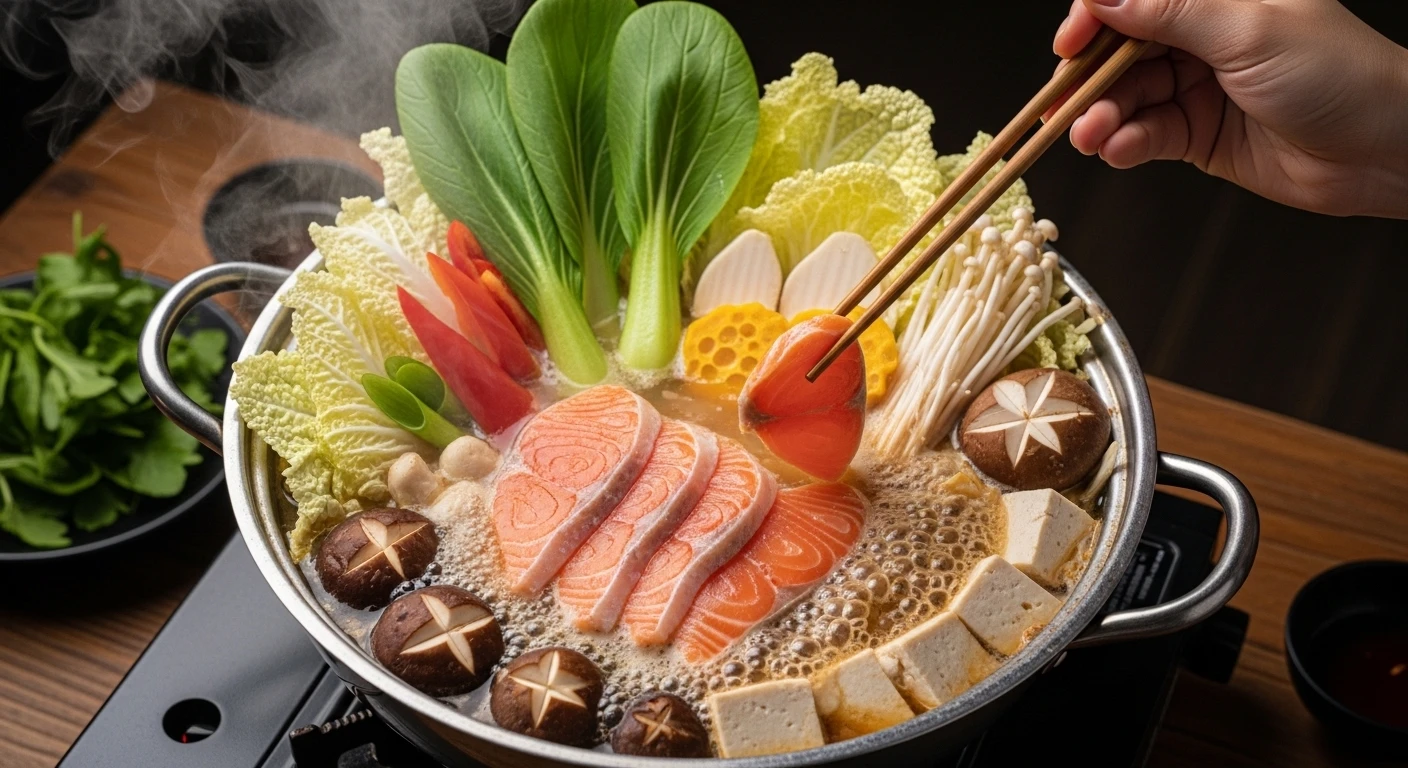
Imagine a large, steaming pot placed at the center of the table, its broth infused with aromatic herbs like lemongrass, ginger, and star anise. Slices of fresh, local salmon, often farmed in the cooler mountain streams, are artfully arranged. Around the pot, a dazzling array of accompaniments: fresh, crisp vegetables like bok choy, napa cabbage, and mushrooms; cubes of silken tofu; glass noodles; and a selection of local greens.
The magic happens as you gather. Each person selects pieces of salmon and vegetables, dropping them into the simmering broth. The fish cooks quickly, its natural sweetness and oils infusing the broth, creating a rich, savory flavor. Dipping your ingredients into a side sauce—often a potent blend of chili, garlic, lime, and fish sauce—adds another layer of complexity. It’s more than just a meal; it’s a ritual, a moment of shared warmth and conviviality.
Valley Flavors: Beyond the Hotpot
While the salmon hotpot may steal the show, the culinary landscape of the Muong Hoa Valley offers a wealth of other delicious discoveries. The Black Hmong are renowned for their agricultural prowess, and their dishes often showcase fresh, local ingredients with simple, robust flavors.
Look out for Thang Co, a traditional Hmong stew, though not for the faint of heart, it's a true cultural experience, often made with horse meat and organs, flavored with a unique blend of local spices. For a more accessible, yet equally traditional taste, try Com Lam (bamboo-cooked rice). Fragrant rice is packed into bamboo tubes and roasted over an open fire, resulting in a tender, slightly smoky grain that’s perfect with any dish.
If you're exploring other parts of Sapa, the Red Dao herbal bath in villages like Ta Phin offers a unique wellness experience, often accompanied by local snacks or simple meals that reflect their distinct culinary traditions. The simple yet satisfying meals served at homestays are often prepared with ingredients plucked straight from the family’s garden.
Navigating Your Sapa Trek: Tips for the Trail
Venturing beyond Sapa town requires a little planning, but the rewards are immense.
- Hiring a Local Guide: Essential for navigating the trails safely and for gaining authentic cultural insights. They often have strong connections with homestay families.
- Homestay Bookings: Best arranged through your guide or a reputable local trekking agency to ensure quality and authenticity.
- What to Pack: Sturdy hiking boots, comfortable trekking clothes (layers are key!), rain gear, insect repellent, sunscreen, a headlamp, and a reusable water bottle.
- Respectful Interaction: Always ask permission before taking photos of people. Be mindful of local customs and traditions. Learning a few basic Vietnamese phrases (like "Xin chào" for hello) goes a long way.
- Embrace the Pace: This is not a race. Allow yourself to slow down, soak in the views, and engage with the people.
The Threads of Tradition: Sapa's Indigenous Peoples
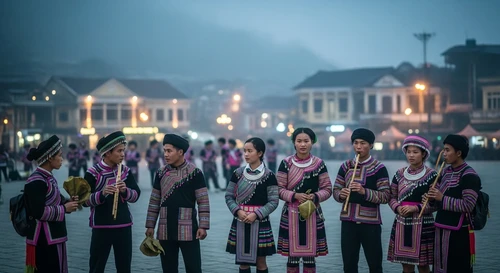
Sapa is home to several ethnic minority groups, each with their own distinct language, customs, and artistic traditions. The Black Hmong are known for their dark indigo clothing, intricate embroidery, and silver jewelry. The Red Dao (Dao Đỏ) are recognizable by their striking red headscarves and intricate embroidery. Understanding these differences adds a rich layer to your trekking experience.
Engaging with these communities is a privilege. Many guides are from these very ethnic groups, offering first-hand accounts of their heritage. Supporting local artisans by purchasing handicrafts directly from them—rather than from mass market stalls—provides a direct economic benefit and a more meaningful souvenir. Consider visiting villages like Cat Cat Village to witness traditional crafts and waterfalls.
When to Go: Seasons in the Northern Highlands
Sapa’s beauty shifts with the seasons, offering a different charm depending on when you visit:
- Spring (March-May): Ideal for trekking. The weather is pleasant, the landscape is green, and rice planting is underway.
- Summer (June-August): Lush and vibrant, but expect rain showers. The terraces are a stunning emerald green.
- Autumn (September-November): Arguably the most picturesque. The rice terraces turn golden, creating breathtaking vistas. This is harvest season and a prime time for the salmon hotpot.
- Winter (December-February): Cold and misty, with chances of frost. The landscape takes on a stark, ethereal beauty. Hotpots are a necessity!
Regardless of the season, the warmth of the local welcome and the deliciousness of the food remain constant.
The Anatomy of a Perfect Hotpot
What makes a Sapa salmon hotpot so special? It's the synergy of fresh, regional ingredients:
- Freshwater Salmon: Sourced from local aquaculture farms in cooler mountain areas, ensuring freshness and a clean taste.
- Aromatic Broth Base: Typically starts with a light chicken or pork stock, then infused with lemongrass, ginger, garlic, and often star anise or galangal for a complex fragrance.
- Seasonal Greens: From crisp bok choy and napa cabbage to leafy local varieties, providing freshness and texture.
- Mushrooms: A variety of local mushrooms add an earthy depth.
- Tofu: Silken tofu absorbs the flavorful broth beautifully.
- Herbs: A generous garnish of fresh herbs like cilantro, mint, and scallions is essential for that vibrant Vietnamese touch.
- Dipping Sauce: The classic nuoc cham (fish sauce, lime, chili, garlic) or a hoisin-based variant, allowing diners to customize their flavor punch.
The Spirit of the Valley Endures
Sapa offers more than just stunning landscapes; it offers a profound connection to a way of life that is both ancient and resilient. Trekking through the Muong Hoa Valley, sharing a meal with a Hmong family, and savoring a steaming bowl of salmon hotpot is an immersion into the heart and soul of Northern Vietnam. It’s a reminder that the most memorable travel experiences often lie just beyond the obvious, waiting to be discovered on a quiet trail, in a humble homestay, and around a communal table.
Delve Deeper into Sapa's Wonders:


Ready for the Mountains?
Plan your unforgettable adventure to Sapa and its incredible valleys.
⛰️ Explore Sapa's Trails