Vietnam's Central Coast: Where Nature Paints with Stone and Sea
Forget the well-trodden paths for a moment. Vietnam's coastline is a tapestry woven with dramatic landscapes, and its central stretch, particularly Phu Yen province, offers a raw, untamed beauty that feels like stepping onto a film set. This isn't the manicured resort beach; this is nature at its most architecturally bold, softened by the gentle embrace of the East Sea.
Here, geology has played an artist's hand, sculpting the shore into formations that defy expectation. It’s a region where the rhythm of the tides dictates life, where fishing villages cling to rugged shores, and where culinary adventurers can find delights that truly push the boundaries of taste. Join us as we traverse this cinematic coastline, from ancient geological wonders to tranquil shores and a taste of the truly extraordinary.
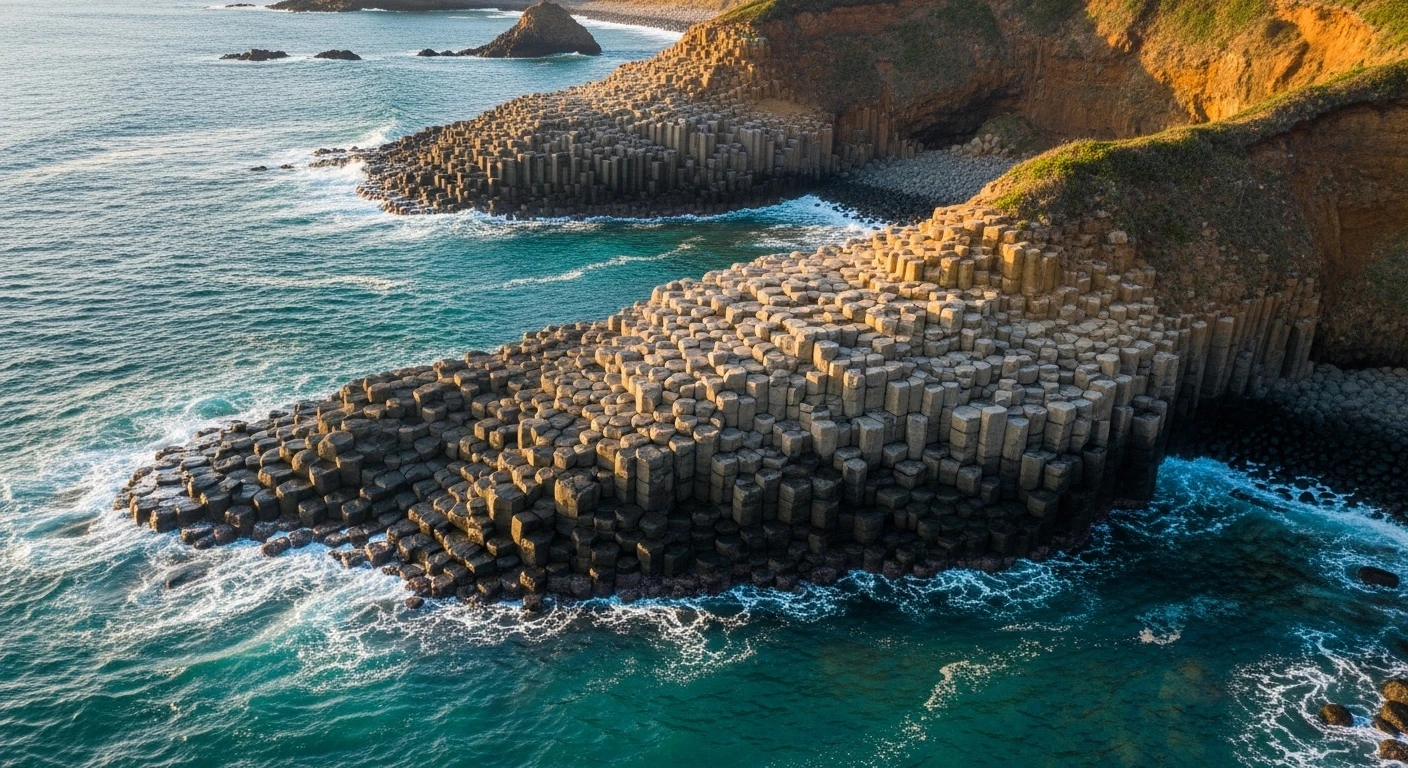
The breathtaking basalt formations of Ganh Da Dia, a testament to ancient volcanic activity meeting the sea.
Ganh Da Dia: The 'Plate Ganh' of Ancient Lava Flows
Our journey begins at Ganh Da Dia, or "Ganh of the Stone Plates," a name that perfectly captures its essence. This is not just a scenic spot; it's a geological marvel. Imagine a vast expanse of hexagonal basalt columns, sculpted by volcanic eruptions millions of years ago and then precisely eroded by the relentless caress of the sea. The result is a landscape so unique, so perfectly ordered, it feels almost man-made, yet it's purely the work of nature.
Walking among these towering, dark columns, some resembling stacks of perfectly cut stone, is an experience in itself. The waves crash against the formations, creating a dramatic symphony of sound and spray. Photographers will find themselves in paradise, capturing the interplay of light, shadow, and the raw textures of the rock against the vibrant blue of the sea. It’s a place to feel small, humbled by the immense forces of geology and time.
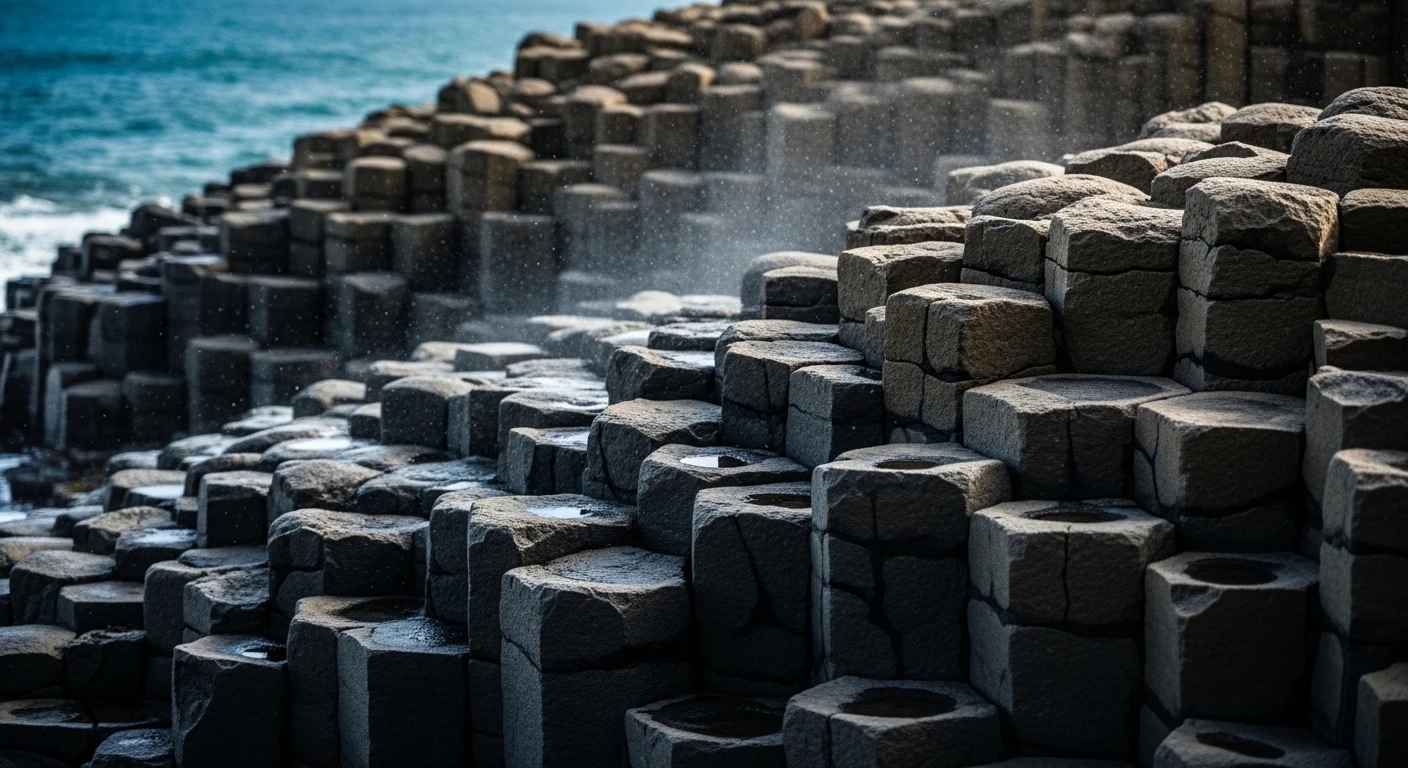
The intricate, hexagonal patterns of the basalt are a photographer's dream.
While the primary draw is the visual spectacle, the area surrounding Ganh Da Dia is also dotted with small fishing communities. Observing the local life, the weathered boats, and the resilience of people living in harmony with such a dramatic environment adds another layer to the experience. It’s a reminder that this stunning natural wonder is also an active part of Vietnam’s coastal heritage.
Bai Xep: The Serene Sister to Ganh Da Dia's Grandeur
Just a short distance from the rugged drama of Ganh Da Dia lies Bai Xep, also known as Xep Beach. If Ganh Da Dia is nature's avant-garde sculpture park, Xep Beach is its tranquil, sun-drenched counterpart. This is where the coastline softens, offering a more traditional, idyllic beach experience.
Picture a crescent of golden sand, framed by gentle green hills dotted with small homes and fishing nets. The water here is often calm, inviting you to swim, sunbathe, or simply stroll along the shore. Unlike some of Vietnam's more developed beach destinations, Xep Beach retains an authentic, laid-back charm. It’s a place to slow down, breathe in the salty air, and disconnect from the world.
Small, local eateries are scattered along the beachfront, serving up fresh seafood caught that very morning. Imagine enjoying a simple grilled fish or a plate of succulent shrimp, feet still sandy, with the sound of the waves as your soundtrack. It’s the perfect antidote to the sensory overload of travel, a pocket of peace on this vibrant coast.
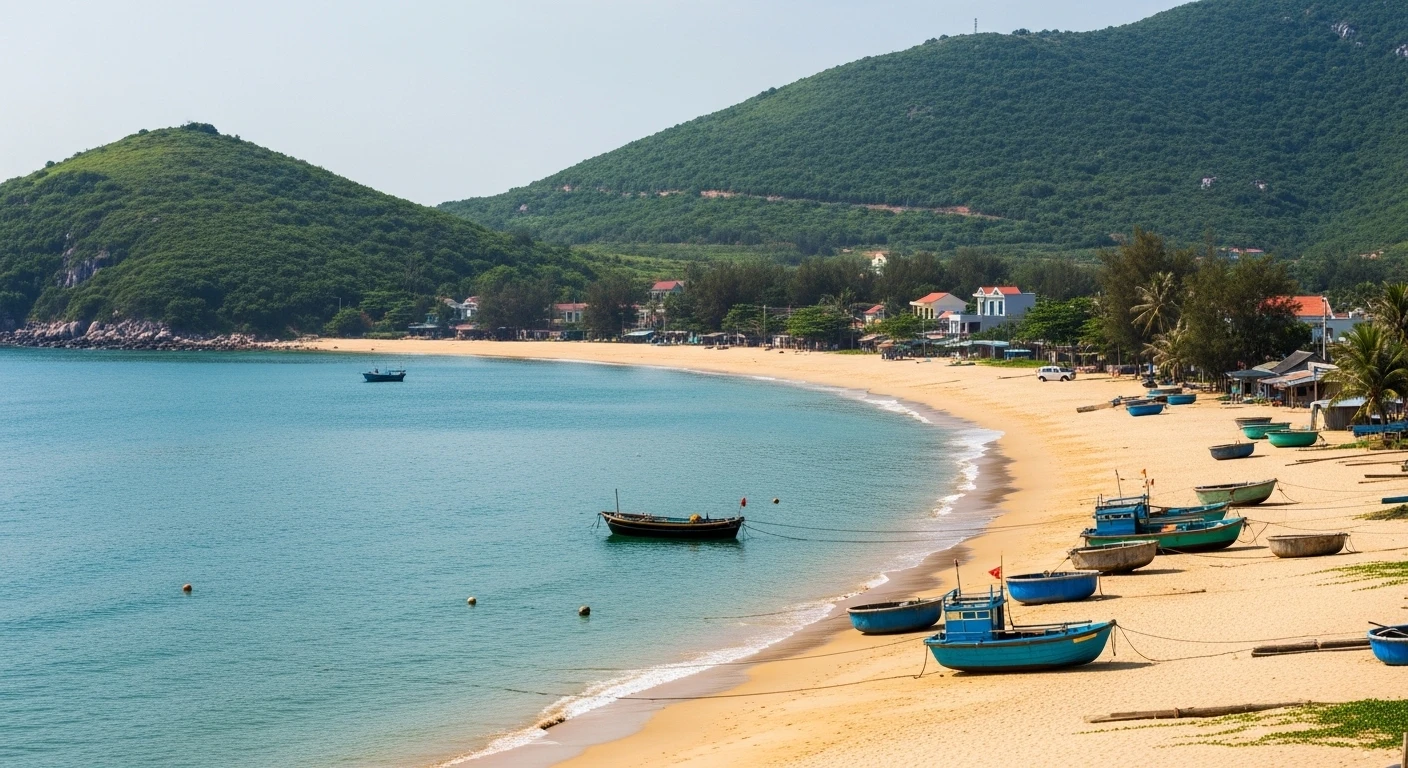
Xep Beach offers a peaceful contrast, a place to unwind after exploring the dramatic coastal landscapes.
Beyond the Scenery: A Taste of the Extraordinary - Giant Tuna Eye Soup
For the true culinary adventurer, Phu Yen offers a dish that is as legendary as its landscapes: giant tuna eye soup. This is not for the faint of heart, but it is an experience that deeply embeds you in the local food culture. The central coast, being a major tuna fishing region, has long utilized every part of the catch, and the tuna eye is a prized delicacy.
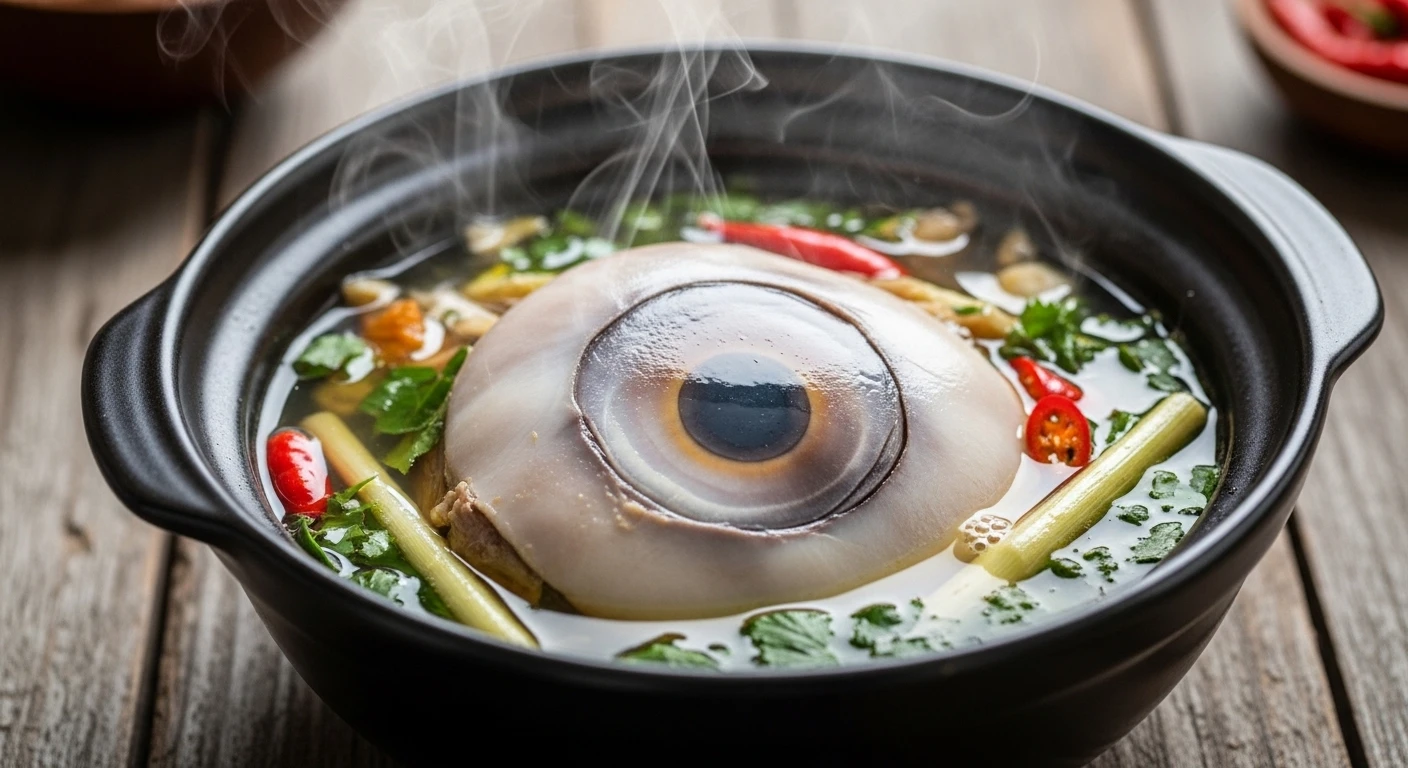
Served piping hot, this soup is a spectacle. The sheer size of the tuna eye is striking, often the size of a small fist. The broth itself is typically rich and flavorful, simmered with herbs like lemongrass, ginger, and chili, creating an aromatic and warming foundation. But the star, of course, is the eye.
The texture is often described as similar to firm tofu or a rich, gelatinous piece of meat. The flavor is surprisingly mild, with a subtle sweetness and a hint of the ocean. Many believe it’s particularly beneficial for eyesight, adding another layer to its appeal. For those willing to step outside their comfort zone, trying this local specialty is a memorable way to connect with the region's fishing heritage. It’s a dish born from necessity and tradition, now celebrated as a unique culinary offering.
Finding the best tuna eye soup is part of the adventure. Look for local eateries near fishing ports or markets in towns like Tuy Hoa. It’s often served as a standalone dish or as part of a larger seafood meal. Don't be shy; ask locals for recommendations – they'll be your best guide to experiencing this unique delicacy authentically.
Echoes of the Delta: Resourcefulness Along Vietnam's Coasts
While Phu Yen's central coast shares a dramatic, volcanic landscape with its southern counterparts, the spirit of resourcefulness is a common thread woven throughout Vietnam's diverse regions. The meticulous utilization of every catch, evident in the tuna eye soup, echoes the deep-rooted traditions of the Mekong Delta.
In the Mekong Delta, life revolves around its intricate network of rivers and canals. Here, too, nothing goes to waste. From the various freshwater fish to the bounty of shrimp farms, the delta's inhabitants have perfected the art of turning every edible component into a culinary delight. Think of the intricate preparation of fish for dipping, the careful use of shrimp shells for flavor bases, or the surprising dishes derived from less common aquatic life.
This philosophy of 'waste not, want not' is a survival skill honed over centuries, deeply ingrained in the culinary fabric of both the delta and coastal regions like Phu Yen. It speaks to a profound respect for nature and its offerings, a testament to the ingenuity that makes Vietnamese cuisine so rich and varied. Whether it's the colossal tuna eye of Phu Yen or the myriad of lesser-known freshwater delicacies of the delta, the underlying principle is the same: honor the ingredients, honor the sea and rivers that provide them, and transform them into something nourishing and delicious.
Capturing the Coast: A Photographer's and Nature Lover's Dream
Beyond the culinary experiences, Phu Yen's coastline is a visual feast. Ganh Da Dia, with its sharp geometric patterns and the powerful contrast between dark rock and blue sea, offers endless compositional possibilities. The way the waves sculpt the stone, the textures, the light – it’s a photographer’s dream. Sunrise and sunset here are particularly spectacular, casting a warm glow on the ancient formations.
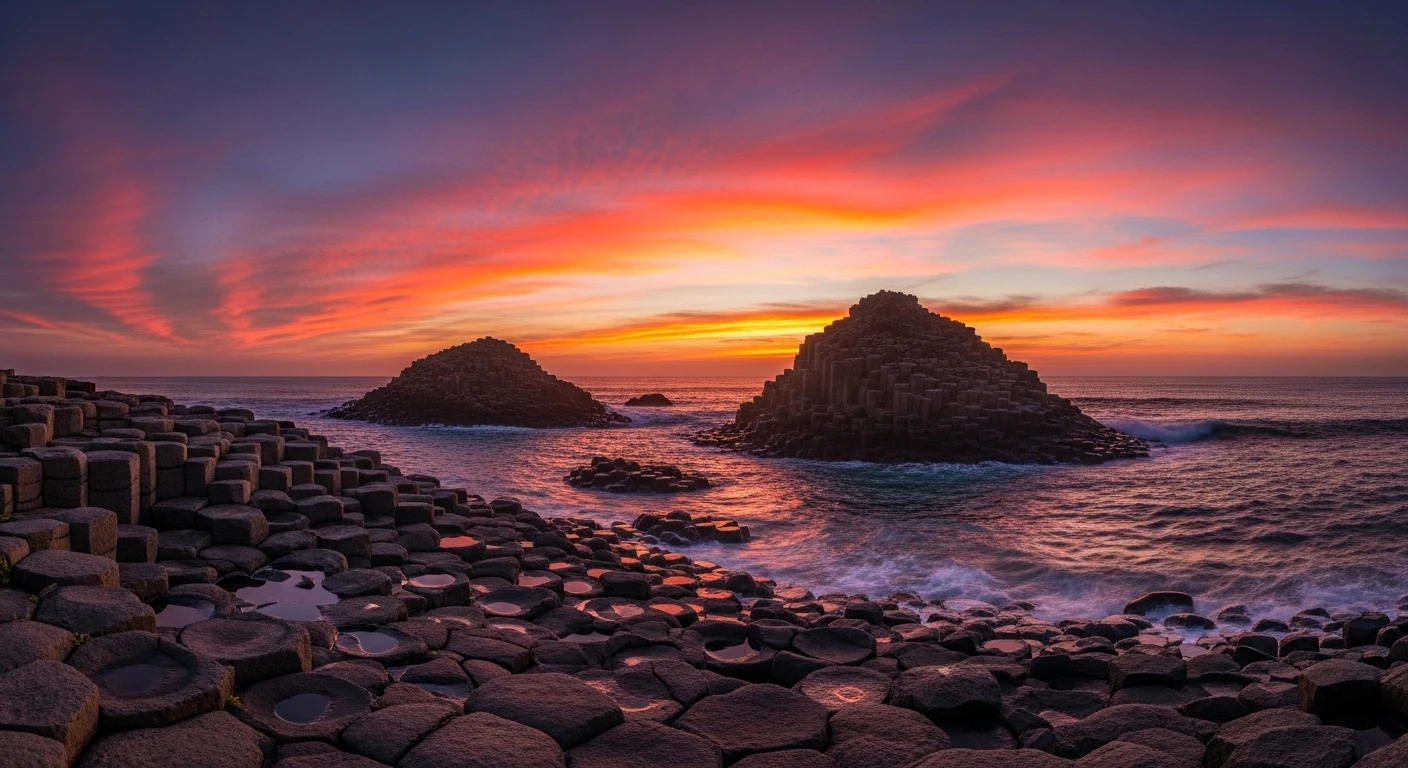
Sunset at Ganh Da Dia transforms the landscape into a canvas of fiery hues.
For nature lovers, the appeal lies in the sheer uniqueness of Ganh Da Dia's geological formations. It's a tangible display of Earth's power and history. The surrounding waters teem with marine life, and the air is filled with the calls of seabirds. Xep Beach, with its calmer waters and gentle slopes, is ideal for observing coastal ecosystems and enjoying the simple beauty of the seaside.
Nearby, you might also find opportunities to witness local fishermen plying their trade, a timeless scene that adds to the region's authentic charm. It's a place where one can truly reconnect with the natural world, away from the bustle of larger tourist hubs.
Getting There and Getting Around: Exploring Phu Yen
Phu Yen province is located on Vietnam's central coast, south of Quy Nhon and north of Nha Trang.
- By Air: The closest major airport is Tuy Hoa Airport (TBB), which receives domestic flights from Hanoi and Ho Chi Minh City. Alternatively, you could fly into Quy Nhon (UIH) or Nha Trang (CXR) and take a bus or train south or north respectively.
- By Train: The North-South Reunification Express train stops at Tuy Hoa, offering a scenic route along the coast.
- By Bus: Long-distance buses are a common and economical way to travel between cities in Vietnam. Several bus companies operate routes to Tuy Hoa from major cities.
Local Travel:
- Motorbike Rental: This is the most popular and flexible way to explore Phu Yen's coast. Roads are generally good, and renting a motorbike allows you to stop at viewpoints and small villages at your own pace.
- Taxis and Ride-Sharing: Available in Tuy Hoa and larger towns, but may be less accessible for reaching more remote spots like Ganh Da Dia or Xep Beach.
- Tours: Local tour operators can arrange day trips to Ganh Da Dia and other attractions, which can be convenient if you prefer not to drive yourself.
When visiting Ganh Da Dia, be mindful of the tides, as higher tides can make some areas less accessible or more treacherous. Wear sturdy footwear suitable for walking on uneven rock surfaces.
The Art of the Bizarre: Food as a Cultural Passport
Trying something like tuna eye soup can be intimidating, but it’s a profound way to engage with a new culture. What might seem "bizarre" to one palate is often a cherished delicacy, a part of culinary history, and a symbol of resourcefulness elsewhere.
The key is an open mind and a willingness to understand the context. This dish, born from necessity in a region reliant on its tuna catch, is not meant to shock, but to nourish and celebrate the bounty of the sea. It’s about appreciating the traditions that have shaped local diets for generations.
Many cultures have their own versions of "unusual" foods – fermented shark in Iceland, balut in the Philippines, or haggis in Scotland. Each tells a story of adaptation, environment, and culinary evolution. Approaching these dishes with curiosity rather than apprehension opens up a deeper understanding of the people and places you are exploring. So, while the visual of the tuna eye might be a hurdle, remember it's a gateway to a unique cultural experience, a true taste of Phu Yen.
Further Exploration: Vietnam's Poetic Landscapes
While Phu Yen offers dramatic coastal beauty, Vietnam's diverse landscapes also hold wonders that evoke a different kind of magic. For those captivated by the natural beauty of Vietnam, a journey into the heart of the Mekong Delta reveals a world painted in a million shades of pink.

Dong Thap Muoi: Sailing Through the Endless Sea of Pink Lotus
When the monsoon arrives, the wetlands of Dong Thap explode in a million pink lotus blossoms. Rent a wooden skiff and glide through Vietnam's most iconic and poetic floral landscape.
The serene beauty of the lotus fields offers a profound contrast to Phu Yen's rugged coast, showcasing the incredible diversity of Vietnam's natural splendor.
The Enduring Allure of Phu Yen's Coast
Phu Yen's central coastline is more than just a travel destination; it's an experience that engages all the senses. From the awe-inspiring geological artistry of Ganh Da Dia to the tranquil shores of Xep Beach, and the culinary bravery demanded by tuna eye soup, this region offers a potent blend of natural wonder and authentic local life.
It's a place that reminds us of the planet's raw power, the resilience of its inhabitants, and the boundless creativity that can arise from respecting and utilizing nature's gifts. Whether you're a photographer seeking dramatic landscapes, a beach lover craving peace, or a foodie ready for an unforgettable challenge, Phu Yen’s cinematic coastline awaits.

Eo Gio: Quy Nhon's Windy Coastal Cliff Walk
Walk the dramatic, cliff-hugging boardwalk facing the roaring ocean. Surrounded by jagged mountains and howling winds, it is arguably the most cinematic coastal path in Vietnam.

Fairy Stream Mui Ne: A Barefoot Walk Through a Red Canyon
Take off your shoes. Wade ankle-deep down a warm, shallow stream cutting through towering sand stalactites of brilliant orange, white, and red. A bizarre geological wonder.
For those seeking the ultimate immersion, consider exploring other coastal gems like the dramatic cliffs of Eo Gio or the surreal landscapes of Fairy Stream. Each offers a unique facet of Vietnam's captivating natural beauty.