Vietnam's Arid Heart: The Mirage of Ninh Thuan
When you picture Vietnam, your mind probably conjures images of emerald rice paddies, mist-shrouded mountains, or perhaps the bustling chaos of Hanoi. You might not immediately think of vast, sun-baked plains dotted with resilient sheep and improbable vineyards. Welcome to Ninh Thuan, the country's driest province, a place that defies expectation and reveals a stark, captivating beauty.
Situated along the south-central coast, Ninh Thuan receives an annual rainfall that would make most farmers weep. Yet, against all odds, life here has found a way to thrive, evolving into a unique agricultural landscape. This isn't the desert of endless sand dunes, but a more subtle, baked-earth aridness, a canvas for an agricultural tenacity that is profoundly Vietnamese. It's a land of sharp contrasts: the searing heat against the cool, crisp leaves of a grape vine, the dusty plains giving way to the blue expanse of the sea.
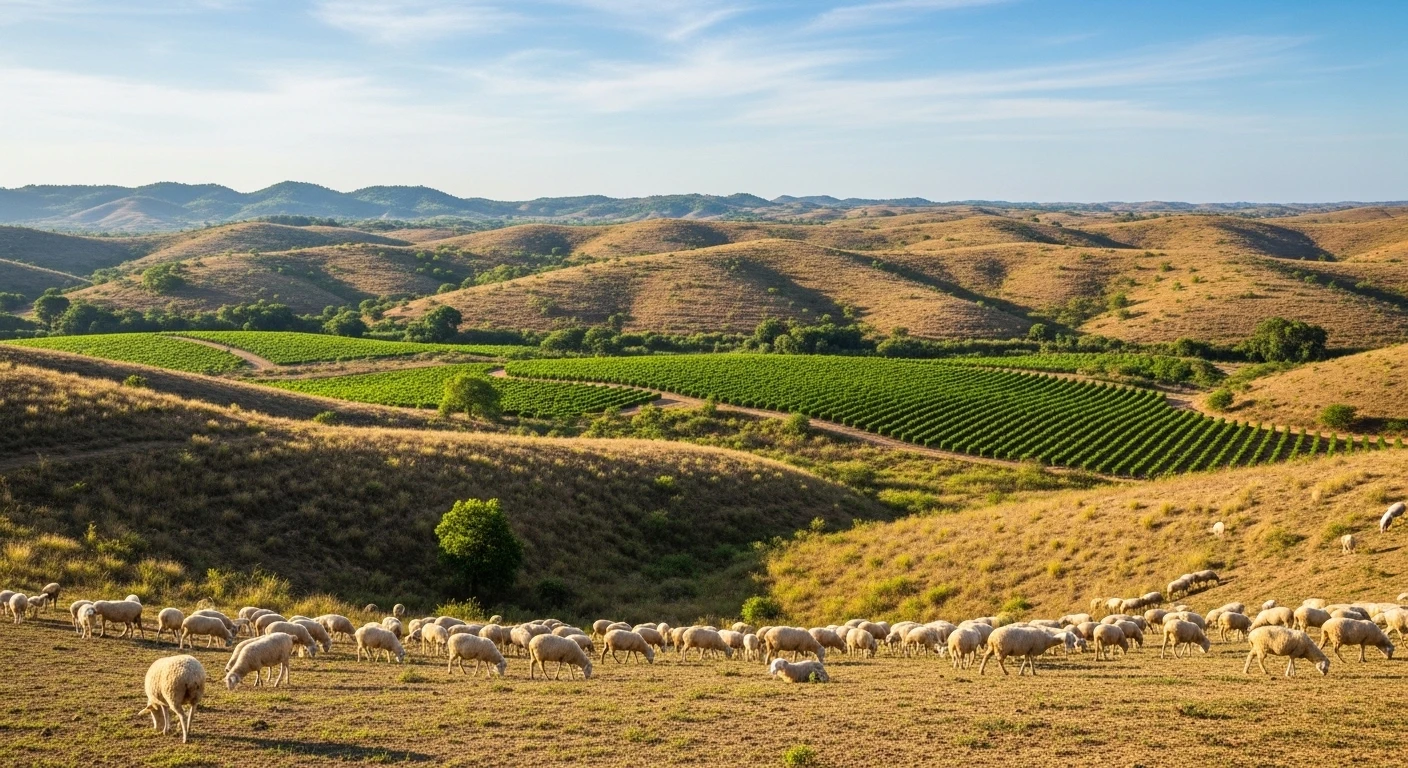
The stark, beautiful landscape of Ninh Thuan, where life flourishes against the odds.
Nomads of the Dust: The Enduring Shepherds and Their Flocks
One of the most striking sights in Ninh Thuan is the sheer abundance of sheep. Vast flocks, often numbering in the hundreds, graze across the arid grasslands and hillsides. These aren't penned, domesticated creatures; they are a testament to a traditional, semi-nomadic way of life that has persisted for generations.
You'll see shepherds, often weathered men and women with kind eyes, guiding their animals with a quiet authority. The sheep, adapted to the dry conditions, are hardy and lean. Photographing them against the backdrop of the dusty plains, the golden hour sun casting long shadows, is an experience that feels both ancient and timeless. It's a scene that transports you, offering a glimpse into a rural Vietnam far removed from the tourist trails. The bleating of the sheep, the crunch of dry grass underfoot, the distant silhouette of the shepherd – it’s a sensory immersion into the heart of this unique region.
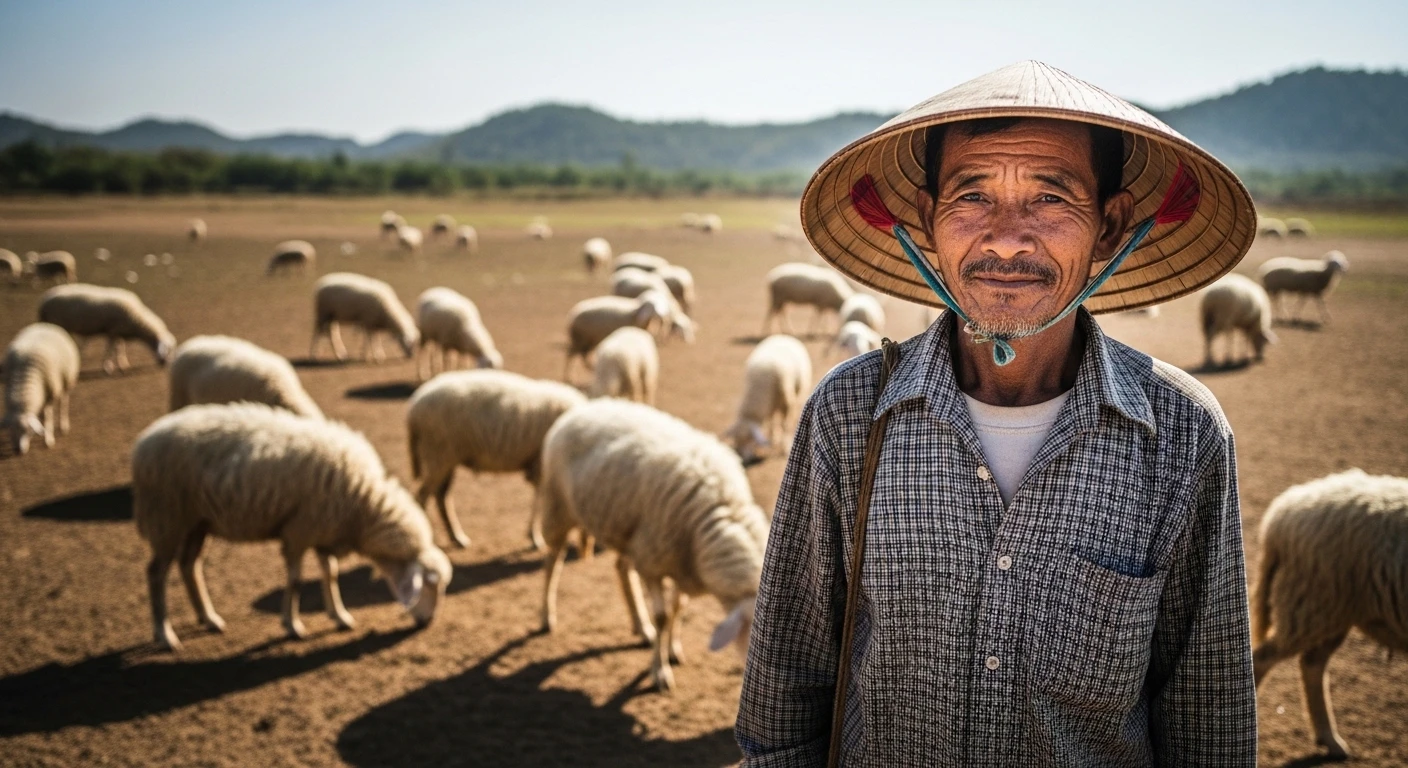
Shepherds and their hardy flocks are an iconic part of the Ninh Thuan landscape.
The Thirst for Sweetness: Ninh Thuan's Unexpected Vineyards
But Ninh Thuan is more than just sheep and dust. It's also a surprising hub for viticulture. Against the arid backdrop, you'll discover vibrant green vineyards, testament to human ingenuity and a deep understanding of local microclimates. The province is one of Vietnam's main grape-growing regions, particularly known for the Ninh Thuan grape variety, which has a distinct sweet flavor.
Visiting a local vineyard, like the Thai An Grape Vineyard, is a must. Walk under the trellises, breathe in the sun-warmed air, and taste the grapes straight from the vine. Many vineyards offer local wine tasting, allowing you to sample sweet, fruit-forward wines produced right there. This isn't Bordeaux; it's something uniquely Vietnamese – robust, sweet, and full of sunshine. It’s a perfect example of agritourism in action, connecting visitors directly with the land and its produce.
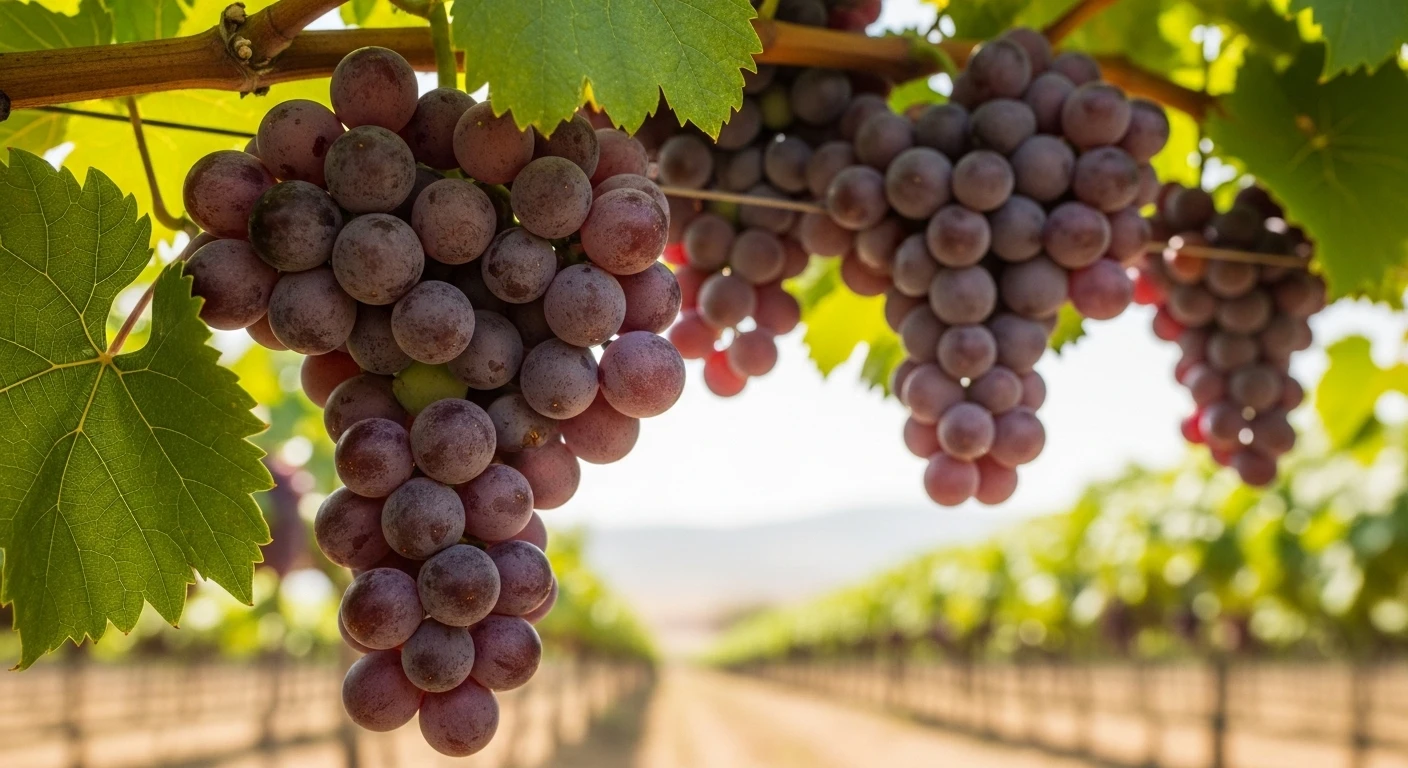
Ninh Thuan grapes, intensely sweet from the abundant sun, are a key agricultural product.
The Soul of the Street: Banh Can, Ninh Thuan's Culinary Gem
No exploration of Ninh Thuan's food scene would be complete without delving into its most iconic street food: Banh Can. Forget what you might know about other Vietnamese pancakes; Banh Can is its own delicious entity. This is not a large, savory crepe but a collection of small, crispy cakes made from a delicate rice flour batter, often enriched with coconut milk.
The magic happens in specialized clay molds, heated over charcoal braziers. Vendors expertly pour the batter, and then, in a flourish that requires incredible skill, they crack a quail egg or two directly into each cooking mold. As the Banh Can cooks, the edges turn golden and crisp, while the center remains tender. The quail egg cooks within, adding a rich, creamy yolk.
These little parcels of joy are served with a side of fresh herbs – mint, basil, and perilla leaves are common – and a small bowl of nuoc cham (fish sauce dipping sauce), often infused with chili and garlic. You pick up a Banh Can, wrap it with a few herbs, dip it, and take a bite. The explosion of textures and flavors – crispy exterior, soft interior, fresh herbs, tangy sauce, and the rich yolk – is simply divine. It's the perfect street food snack, deeply satisfying and utterly addictive.
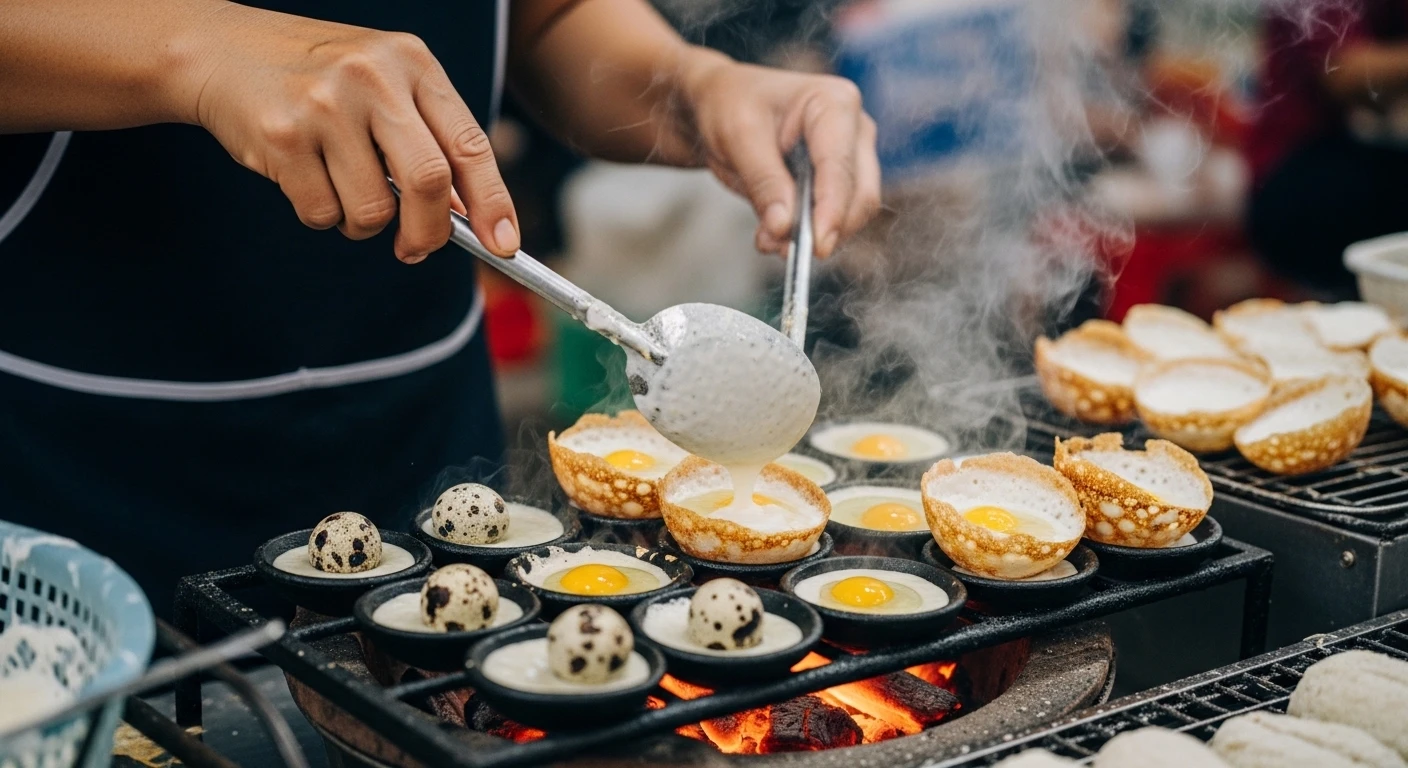
The art of making Banh Can, a crispy, savory street food star of Ninh Thuan.
An Unexpected Symphony: The Flavors and Textures of Ninh Thuan
Ninh Thuan is a destination that truly engages all the senses. The visual spectacle of sheep grazing under a relentless sun, the vibrant green of a vineyard against a dusty ochre landscape, the sight of a shepherd expertly guiding his flock – these are images that linger.
Then there's the sound: the gentle bleating of sheep, the chatter of vendors at a local market, the sizzle of Banh Can cooking over charcoal. And the taste: the intense sweetness of sun-ripened grapes, the savory crispness of Banh Can, the fresh, herbal notes that cut through the richness, and the subtle, bracing saltiness of the sea air.
The food here is simple, honest, and deeply rooted in the local environment. It reflects the resilience of the people and the land. The local wine, while perhaps not for connoisseurs of complex vintages, offers a unique taste of the sun and soil. The Banh Can is a revelation – a humble dish elevated by skillful preparation and fresh ingredients.
Navigating Ninh Thuan: Your Arid Adventure Awaits
Ninh Thuan is not a place you typically "pass through." It's a destination that rewards intentional exploration. Its unique arid landscape and cultural distinctiveness make it a compelling stop for travelers looking for something beyond the usual Vietnamese itinerary.
Getting There: The most common gateway to Ninh Thuan is via Ho Chi Minh City (Saigon). From Ho Chi Minh City, you have a few options:
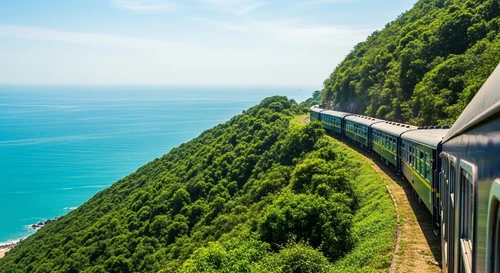
- Train: This is a scenic and comfortable option. Trains depart regularly from Saigon Railway Station towards Nha Trang, with a stop at Thap Cham station, Ninh Thuan province's capital. The journey takes approximately 6-7 hours.
- Bus: Numerous bus companies operate routes from Ho Chi Minh City to Ninh Thuan. This is often the most economical choice, but can be longer and less comfortable than the train, taking around 7-9 hours.
- Car/Motorbike: For the adventurous, driving or riding a motorbike offers the most freedom. The roads are generally well-maintained, but be prepared for a long journey (around 5-6 hours driving time).
Getting Around: Once in Ninh Thuan, renting a motorbike is highly recommended for exploring the vineyards, sheep farms, and coastal areas. Taxis and private car services are also available, particularly in Thap Cham. For reaching specific vineyards or shepherd locations, hiring a local guide can be invaluable.
Best Time to Visit: Ninh Thuan is hot year-round. The dry season typically runs from March to August, with temperatures often exceeding 30°C (86°F). The rainy season from September to February brings some relief, but expect occasional heavy showers. For grape harvesting, aim for periods around the main harvest seasons (often March-April and August-September), though specific times can vary. For sheep herding photography, any time during the dry season offers excellent light.
Capturing the Essence: Photography in Ninh Thuan
For photographers, Ninh Thuan is a goldmine. The stark, dramatic landscapes offer endless opportunities for unique shots. The interplay of light and shadow on the arid plains, the textured wool of the sheep, the vibrant colors of the grapes, and the skilled hands of the Banh Can vendors all provide compelling subjects.
Tips for Capturing the Scene:
- Golden Hour: The early morning and late afternoon light are spectacular, casting a warm, golden glow that enhances the arid textures and brings the sheep and vineyards to life.
- Respect the Locals: Always ask permission before taking close-up portraits of shepherds or vendors. A smile and a few polite words (even if gestures are the primary communication) go a long way.
- Focus on Details: Don't just shoot the wide landscapes. Get close to the texture of the sheep's wool, the patterns on the clay molds for Banh Can, or the individual grapes on the vine.
- Embrace the Heat: Hydrate and seek shade during the hottest parts of the day. The best photography often happens during the "magic hours" of dawn and dusk.
The contrast between the harsh environment and the vibrant life within it makes Ninh Thuan a photographer's dream.
Beyond Banh Can: Local Flavors to Savor
While Banh Can is a star, Ninh Thuan offers other culinary delights, often influenced by its coastal location and the Cham ethnic minority who have a long history in the region.
Seafood: Given its coastline, fresh seafood is abundant. Grilled fish, shrimp, and squid, often simply prepared with chili, garlic, and local herbs, are a must-try. Look for local specialties prepared with ingredients sourced directly from the sea.
Cham Cuisine: The Cham people bring their own culinary traditions, which can be subtly different from mainstream Vietnamese fare. Look for dishes that incorporate ingredients like lemongrass, turmeric, and sometimes more robust spices. Banh Can itself has influences that echo Cham culinary heritage, with variations found across different regions.
Local Wine: Don't leave without trying the local grape wine. It’s sweet, potent, and a true taste of Ninh Thuan's sun. It’s often enjoyed in casual settings, perhaps after a day of exploring.
The Unseen Strength: Ninh Thuan's Enduring Spirit
What truly defines Ninh Thuan is its spirit of resilience. This is a land that demands strength and adaptation from its inhabitants. The shepherds who brave the sun, the farmers who coax life from dry soil, the vendors who perfect their craft day after day – they embody a quiet determination that is deeply inspiring.
Visiting Ninh Thuan is not just about seeing vineyards or tasting street food; it's about witnessing how life can flourish in the most challenging environments. It’s a reminder that beauty can be found in austerity, and that human ingenuity and tradition can create pockets of abundance even in the most arid landscapes. It’s a corner of Vietnam that stays with you, a starkly beautiful memory of resilience and flavor.
Where to Go Next in Vietnam's Diverse Landscapes
Ninh Thuan offers a unique perspective on Vietnam, a dry contrast to the more water-rich regions. If its arid charm has captured your imagination, you might find similar tales of resilience and unique agricultural practices in other corners of the country.


Explore More Vietnamese Flavors
While Ninh Thuan offers a unique flavor profile, the rest of Vietnam is a culinary wonderland. If you're fascinated by street food culture, the Mekong Delta offers its own distinct delights.
Discover the Delta
Experience the vibrant floating markets and noodle soup traditions of the Mekong.
🛶 Slurp Noodles on the River