The Quoc Tu Giam: Vietnam's First University
Hanoi, a city that breathes history, whispers tales of emperors, scholars, and revolution through its ancient streets. Amidst the vibrant chaos, there exists an oasis of profound tranquility and intellectual heritage: the Temple of Literature, or Van Mieu. Established in 1070 by Emperor Ly Thanh Tong, it was initially built to honor Confucius and later, in 1076, became home to Vietnam's first national university, the Quoc Tu Giam (Palace of the Literature). For over 700 years, this hallowed ground was the pinnacle of education in Vietnam, shaping the minds of scholars and mandarins.
Today, it stands not just as a relic of the past, but as a living testament to Vietnam's enduring respect for learning, culture, and the wisdom of its ancestors. A visit here is more than a sightseeing stop; it's a contemplative journey into the heart of Vietnamese intellectual tradition.
A Stroll Through Time: Courtyards and Contemplation
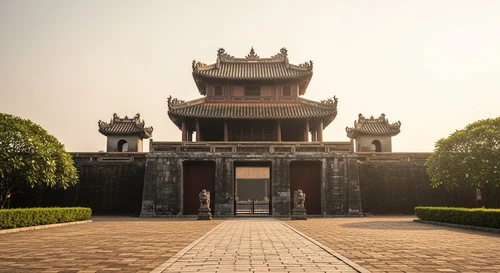
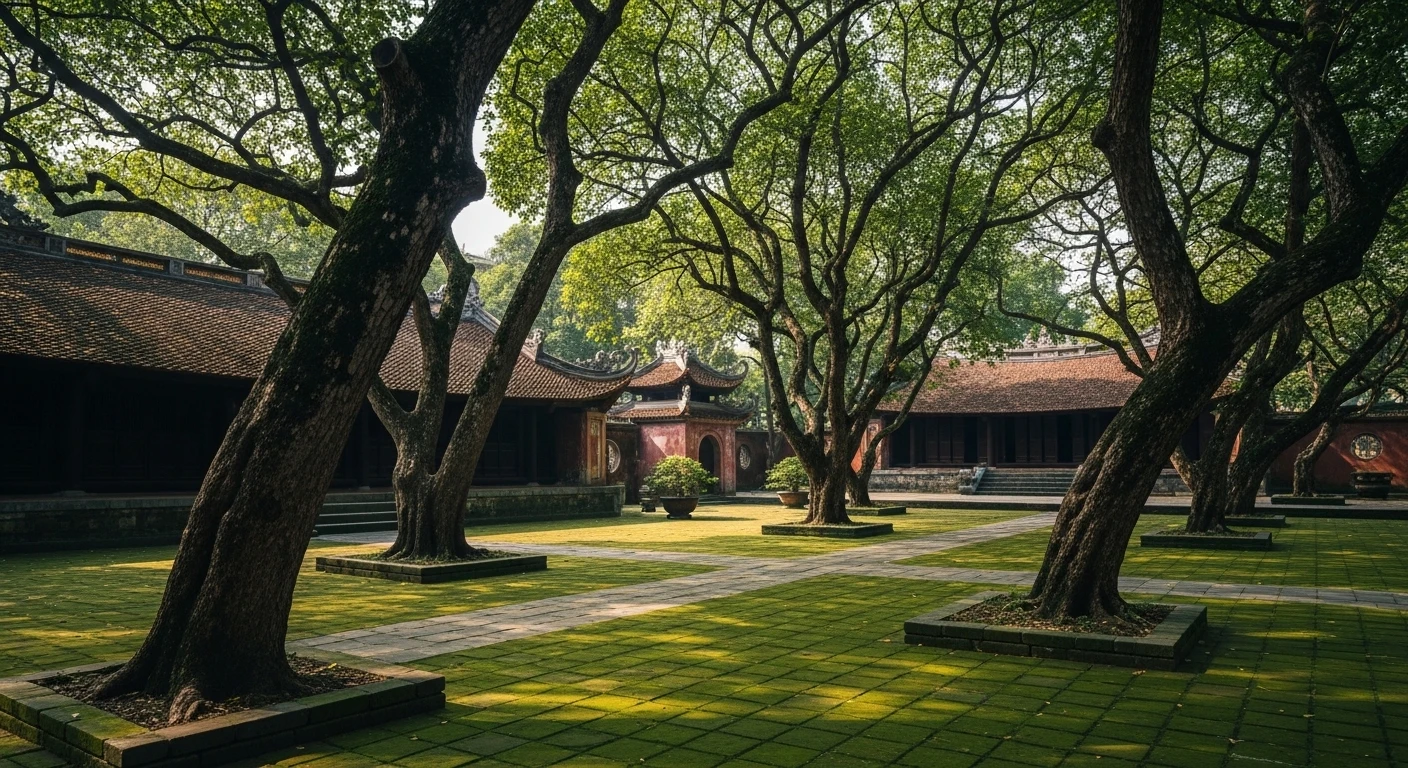
The Temple of Literature is a masterpiece of traditional Vietnamese architecture, a series of five distinct courtyards, each separated by ceremonial gates. As you pass through the imposing Khue Van Cac (Star Pavilion), a symbol of Hanoi itself, you enter a realm of quietude. The air, thick with the scent of ancient wood and incense, seems to hold centuries of whispered lessons.
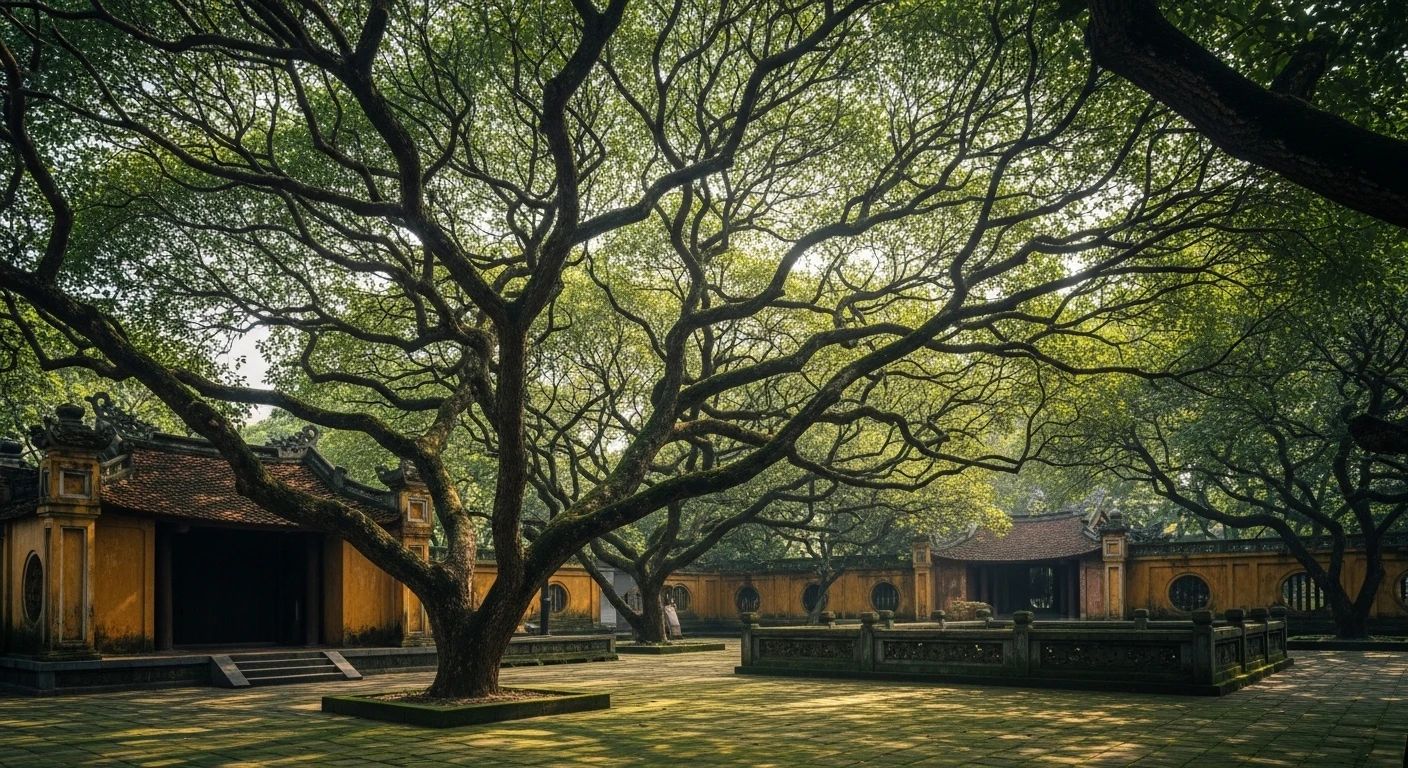
The architecture is classic Nguyen Dynasty style, characterized by dark, lacquered timber, curved roofs adorned with ceramic decorations, and intricate carvings. Lush trees provide shade, and the pathways are lined with moss-covered stones, inviting a slow, reflective pace. Each courtyard offers a moment of peace, a chance to absorb the spirit of this venerable institution.
The Stone Turtles: Guardians of Lore and Luck
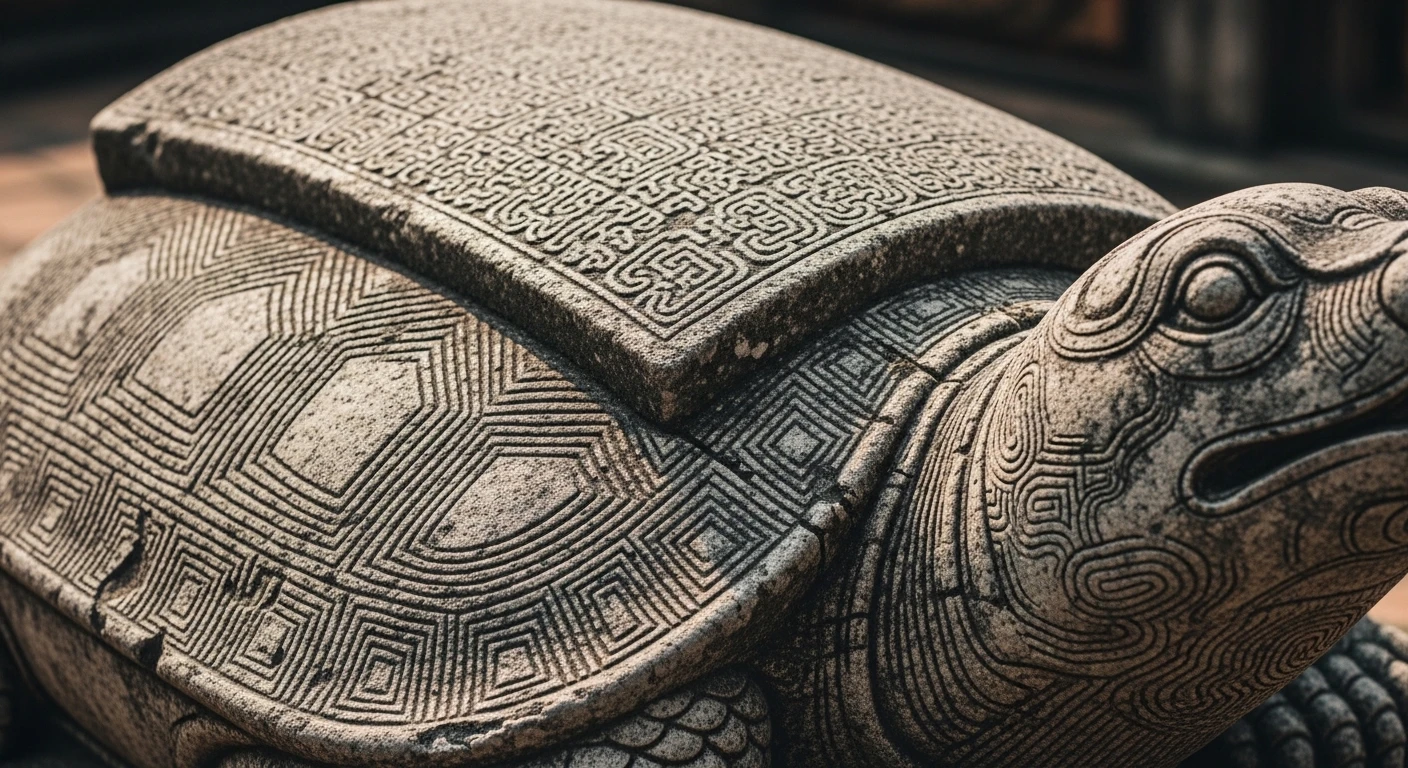
One of the most striking features of the Temple are the 82 stone steles, each balanced atop the shell of a carved stone turtle. These aren't just decorative; they are profound historical records. Each stele bears the names and birthplaces of scholars who passed the royal examinations, the highest academic achievement in imperial Vietnam, between 1442 and 1779. Running your hand over the cool stone, touching the ancient turtles for good luck, connects you directly to the lineage of Vietnamese intellectuals.
Legend has it that touching the turtles brings good fortune, particularly for students preparing for exams. You'll often see young Vietnamese people here, especially during exam season, seeking blessings. It’s a powerful reminder of how deeply embedded education and academic success are in the cultural fabric of Vietnam.
The Sanctum of Scholars: Honoring Confucius
At the heart of the Temple complex lies the Dai Bai Duong (Great Sacrifice Hall). This is where the main altars are dedicated to Confucius, along with his 72 disciples and four most revered students: Yan Hui, Zeng Shen, Zi Si, and Mencius. The atmosphere here is one of deep reverence. Incense smoke curls upwards, carrying prayers and wishes for wisdom.
The architecture here is more ornate, with detailed carvings and statues, reflecting its spiritual and intellectual significance. It’s a place to pause and reflect on the philosophies that have shaped East Asian societies for millennia, particularly Confucianism, with its emphasis on morality, respect for elders, education, and social harmony. This philosophical undercurrent is a crucial lens through which to understand Vietnamese culture, past and present.
Khue Van Cac: The Pavilion of Literature
Standing prominently between the second and third courtyards is the Khue Van Cac, the Star Pavilion. This iconic two-story structure, with its elegant, curved roof and latticework, is a symbol not only of the Temple of Literature but of Hanoi itself. Built in 1805, it was originally intended for scholars to gather and compose poetry.
Today, it houses a small exhibition and serves as a picturesque backdrop for photos. Its name, "Khue Van," literally translates to "stars of literature," underscoring its role in fostering intellectual pursuit. Its silhouette is recognized across Vietnam, appearing on the 200,000 Vietnamese Dong banknote, a testament to its cultural importance.
Quoc Tu Giam: The Genesis of Vietnamese Scholarship
While the entire complex is dedicated to learning, the Quoc Tu Giam was the actual university. For centuries, it was here that the brightest minds of Vietnam were trained. The curriculum was heavily influenced by Confucianism and classical Chinese literature, preparing students for the rigorous imperial examinations that determined their future careers in government.
The university was later moved, but the Temple of Literature remained the spiritual and symbolic center of Vietnamese education. Imagine the hushed halls, the scent of ink, the debates in classical Vietnamese – it was a place where the very foundations of the nation's governance and culture were molded. This deep respect for scholarship is a hallmark of Vietnamese culture, extending from Hanoi's ancient university to the smallest village school.
Planning Your Visit: A Guide to the Temple
The Temple of Literature is conveniently located in the heart of Hanoi, making it an easily accessible destination.
- Location: 58 Quoc Tu Giam Street, Van Mieu Ward, Dong Da District, Hanoi.
- Getting There: It’s a short taxi or Grab ride from the Old Quarter. You can also walk if you're staying nearby, a pleasant stroll through Hanoi's streets.
- Opening Hours: Generally open daily from 8:00 AM to 5:00 PM. It's advisable to check current times upon arrival.
- Entrance Fee: There is a modest entrance fee, which is well worth it for the experience.
- Best Time to Visit: Early morning or late afternoon offers the best light for photography and avoids the midday heat and crowds. Weekdays are generally quieter than weekends.
- What to Wear: As it is a place of historical and religious significance, dress respectfully. Avoid overly revealing clothing.
Allow at least 1.5 to 2 hours to fully explore the complex at a leisurely pace, perhaps even longer if you wish to deeply absorb the atmosphere.
Echoes of Heritage: From Hanoi to the Ancient Villages
The Temple of Literature is a profound glimpse into Vietnam's scholarly past, a legacy that resonates throughout the country. If the spirit of heritage and historical architecture captivates you, consider venturing beyond Hanoi's immediate urban sprawl.
Explore Duong Lam Ancient Village

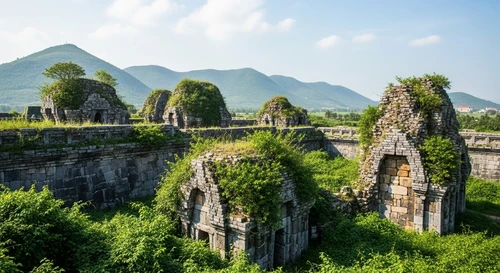
Just a short drive from Hanoi lies Duong Lam, a village where time seems to have stood still. Its perfectly preserved laterite brick houses and ancient gates offer a tangible connection to rural Vietnamese life and architecture from centuries past. It’s a wonderful complement to the intellectual heritage found at Van Mieu. Discover Duong Lam's laterite charm here.
The Enduring Legacy of Wisdom
Visiting the Temple of Literature is more than just ticking off a landmark; it's about understanding the deep-seated values that have guided Vietnam. The emphasis on education, respect for teachers and elders, and the pursuit of knowledge are pillars that continue to define Vietnamese society. In a world that often moves at breakneck speed, this sanctuary offers a much-needed moment of reflection on what truly matters.
Whether you're a student seeking inspiration, a history buff, or simply a traveler looking for a moment of peace and cultural immersion, the Temple of Literature delivers an experience that is both enriching and profoundly moving. It’s a quiet corner of Hanoi that speaks volumes about the nation's soul.
As you wander through these ancient grounds, feel the weight of history, the enduring power of education, and the serene spirit of Vietnam's first university. It's a journey that begins with a step through a gate and ends with a deeper understanding of a nation built on wisdom.