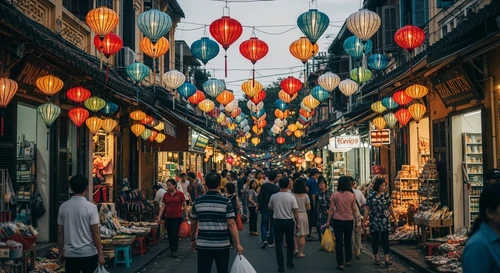
Hue: Where Vietnam's Imperial Heart Still Beats
There are places that whisper history, and then there's Hue. Nestled along the languid Perfume River in Central Vietnam, this city was the cradle of the Nguyen Dynasty, the last imperial family to rule Vietnam. For over 140 years, Hue was the political, cultural, and religious center of the nation. Today, the echoes of that glorious past resonate through its grand palaces, serene pagodas, and the solemn majesty of its imperial tombs.
To truly understand Hue is to immerse yourself in its imperial grandeur. It’s about more than just crumbling stones; it’s about the intricate tapestry of power, art, spirituality, and the enduring human desire for legacy. This is a city that demands exploration, not just a quick glance. So, rent that motorbike, embrace the humidity, and let's journey back in time.
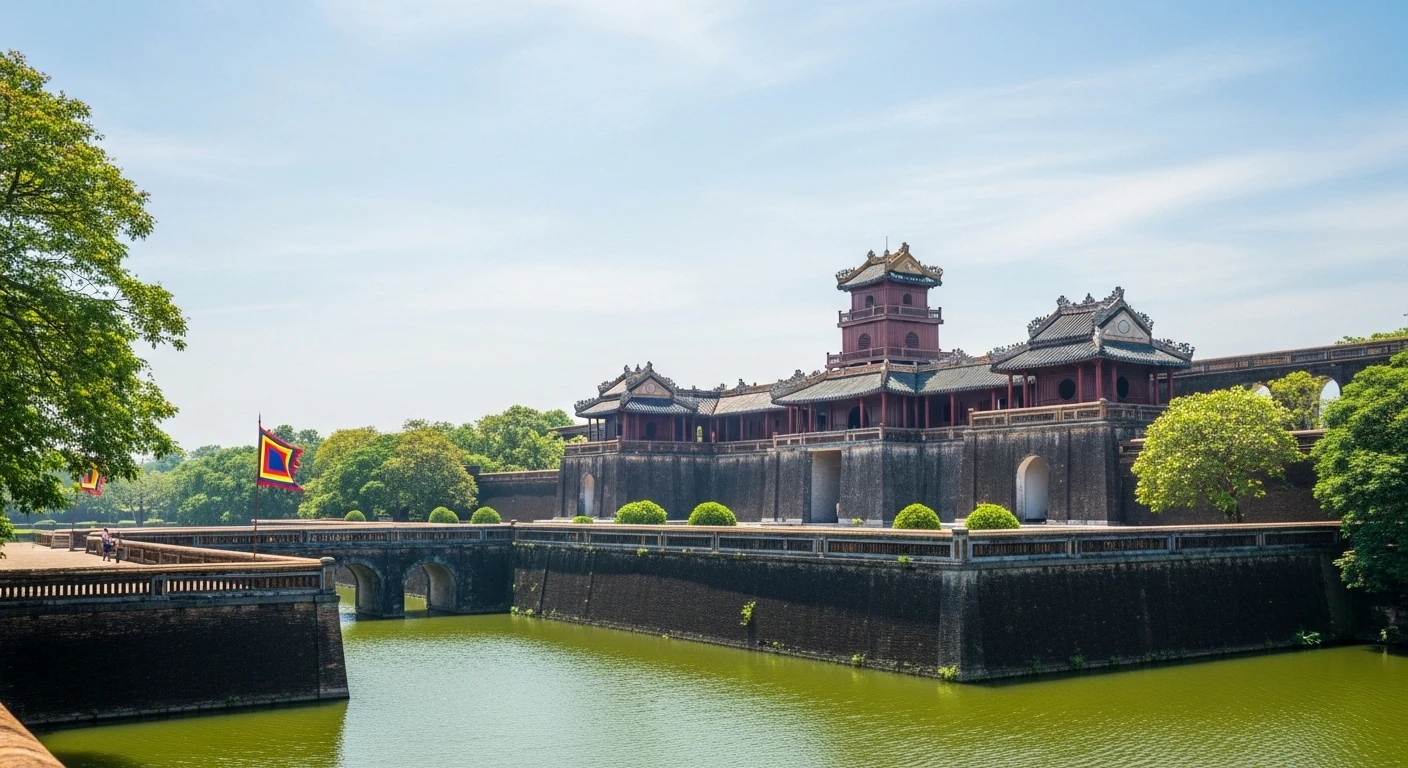
The imposing Flag Tower of Hue, a beacon of its imperial past.
The Imperial City: Heart of the Nguyen Dynasty
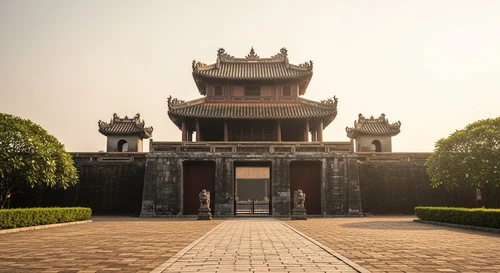
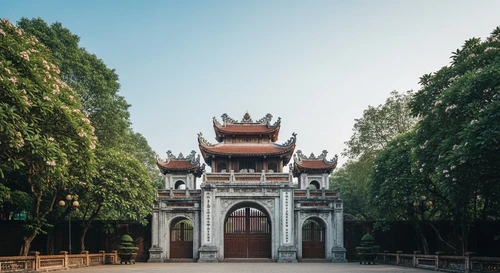
The undeniable centerpiece of Hue is its Citadel. A UNESCO World Heritage site, this sprawling complex is an imposing testament to imperial power. Enclosed by a massive moat and formidable stone walls, the Citadel houses the legendary Forbidden Purple City – once the exclusive domain of the emperor, his concubines, and a select few eunuchs.
Walking through the ornate gates, you're transported to an era of mandarins, royal ceremonies, and courtly intrigue. Though many structures were tragically damaged during the Tet Offensive in 1968, ongoing restoration efforts are slowly bringing back the former glory of its courtyards, temples, and royal residences.
To fully appreciate this historical marvel, consider renting a bicycle within the Citadel walls. It allows for a more personal and leisurely exploration of its vast expanse, letting you stumble upon hidden corners and soak in the atmosphere at your own pace.
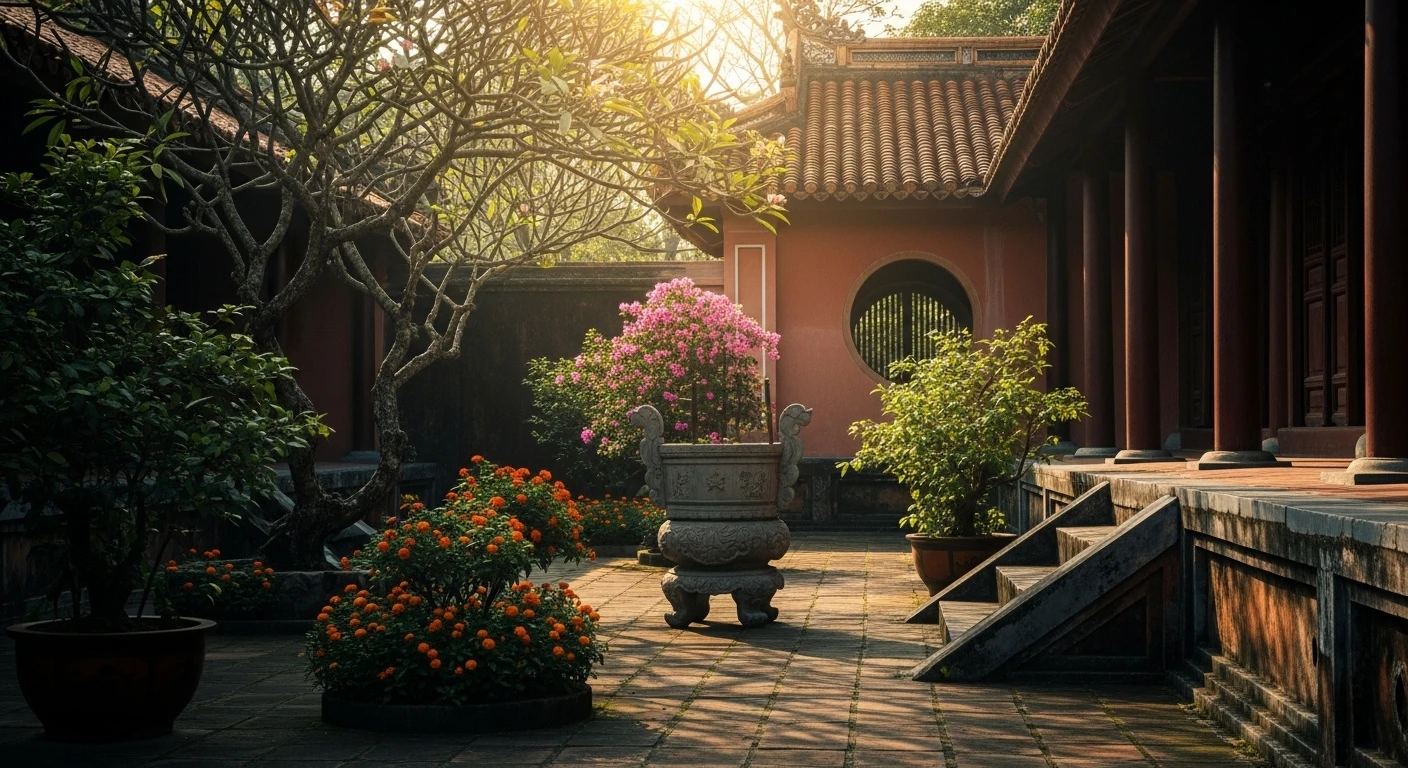
Tranquility within the Forbidden Purple City, a place of former royal seclusion.
For a deeper dive into the history and restoration of this magnificent complex, explore the Forbidden Purple City.
The Emperor's Final Resting Places: Majestic Mausoleums
Beyond the Citadel walls lie the opulent tombs of the Nguyen emperors, each a unique architectural marvel and a reflection of its ruler's personality and reign. Renting a motorbike is the ideal way to navigate the countryside and discover these scattered monuments to immortality.
The tombs vary dramatically in style. Some are sprawling complexes set amidst serene landscapes, designed for contemplation and an afterlife of quiet luxury. Others are more imposing, carved into hillsides, blending Eastern artistry with Western influences.
Prepare to be awestruck by the poetic beauty of **Tomb of Tu Duc**, a vast, tranquil park dotted with lotus pavilions and serene lakes, designed by the emperor himself during his lifetime. In contrast, the **Tomb of Khai Dinh** presents a darker, more theatrical spectacle, a fusion of gothic architecture and intricate, dazzling porcelain mosaics that climb the mountainside. Each tomb offers a unique narrative of ambition, artistry, and the quest for eternal remembrance.
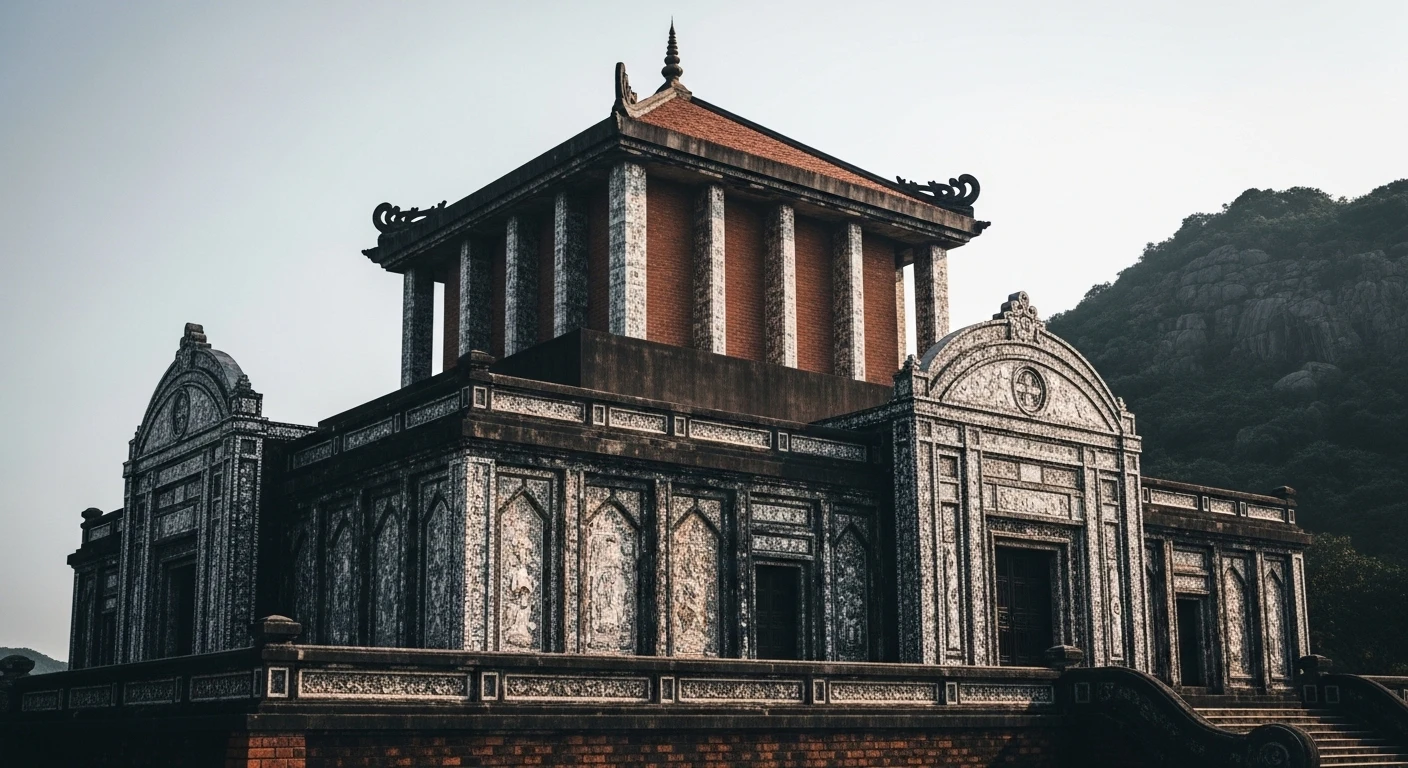
The dramatic fusion of styles at Khai Dinh Tomb.
Discover the stories and architecture behind these imperial resting places. Read more about the majestic mausoleums of Tu Duc and Khai Dinh.
The Perfume River: Hue's Serene Artery
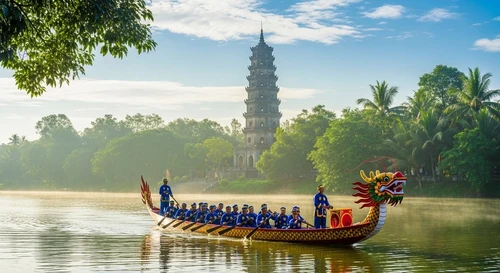
The Perfume River (Sông Hương) is more than just a waterway; it's the soul of Hue. Flowing gently through the city, it has witnessed centuries of imperial processions, poetic musings, and historical events. A dragon boat cruise along its waters is an essential Hue experience, offering a unique perspective on the city’s landmarks.
Glide past the iconic **Thien Mu Pagoda**, its seven-story tower an unmistakable symbol of Hue. Imagine emperors and scholars gazing upon these same views, finding inspiration in the river's tranquil embrace. The sunset cruise is particularly magical, painting the sky in hues of orange and pink as the ancient structures are silhouetted against the horizon.
These boats, often adorned with dragon motifs, aren't just for tourists; they are a traditional mode of transport and a living link to Hue's past, carrying with them the whispers of dynastic tales and folk songs.
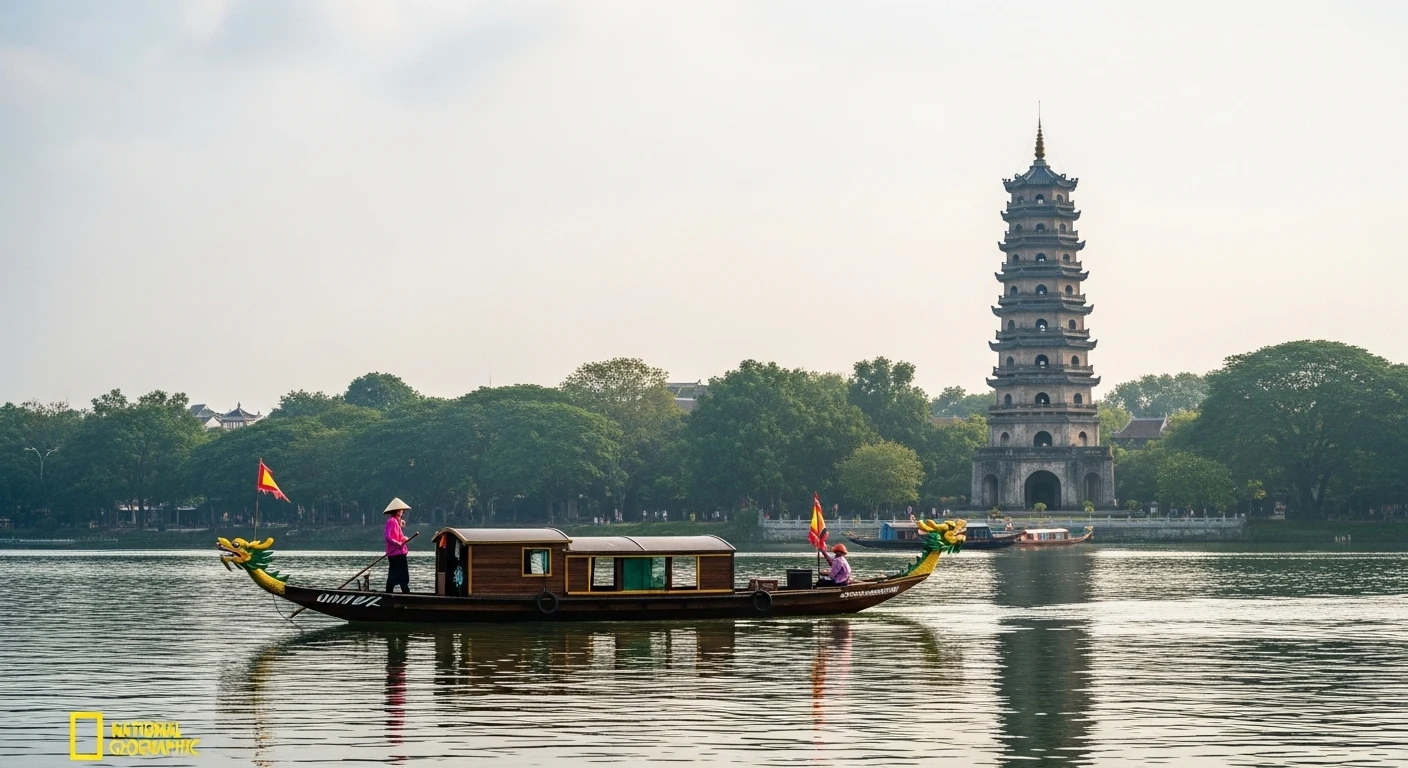
A dragon boat journey on the Perfume River, with the iconic Thien Mu Pagoda.
Learn about the spiritual and historical significance of Hue's most famous pagoda. Discover Thien Mu Pagoda.
The Taste of Hue: Beyond Royal Palaces to Fiery Bowls
While the imperial history is captivating, Hue's culinary scene offers its own royal treatment, and at its fiery heart lies the legendary **Bun Bo Hue**. This is not your average noodle soup. It’s a complex, aromatic, and unapologetically spicy dish that is a true icon of Vietnamese cuisine.
Forget delicate flavors; Bun Bo Hue is a robust symphony. The broth is slow-cooked, typically with beef bones and lemongrass, infused with annatto seed for its vibrant reddish-orange hue. It’s then generously spiced with chili, giving it a potent kick that warms you from the inside out.
The dish is served with thick, round rice noodles (bun), tender slices of beef, cubes of congealed pig's blood (optional, but traditional!), and often pork knuckles. A platter of fresh herbs, lime wedges, and chili sauce is always provided, allowing you to customize your bowl. Slurping down a steaming bowl of Bun Bo Hue, especially on a humid Hue day, is an experience that is both exhilarating and deeply satisfying.
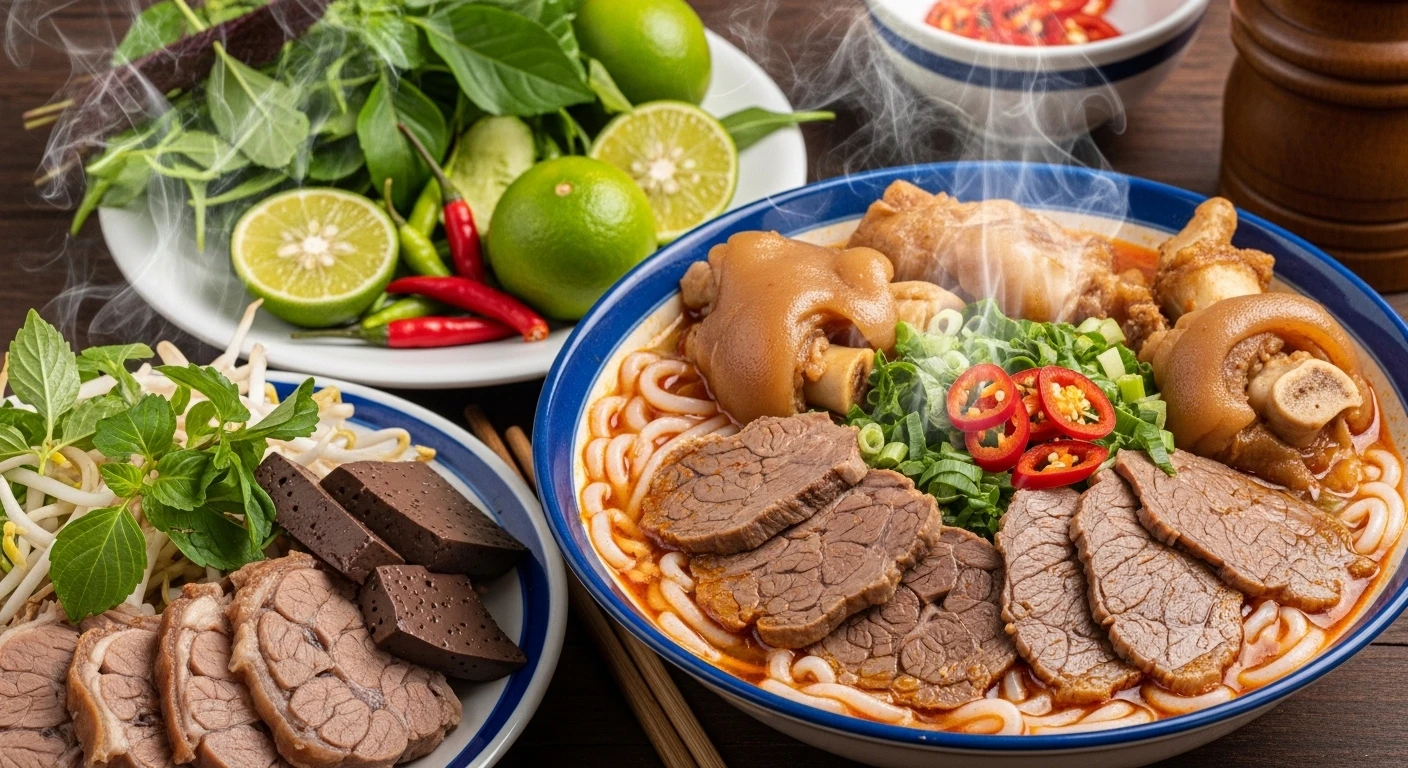
A quintessential bowl of Bun Bo Hue, rich in flavor and spice.
Navigating the Imperial City: Tips for Travelers
To make the most of your Hue adventure, a little planning goes a long way.
- Motorbike Rental: This is your key to freedom. Rent a scooter from your hotel or a local shop. Ensure you have an international driving permit if required, and always wear a helmet. Maps.me or Google Maps are invaluable for navigating the countryside to the tombs.
- Best Time to Visit: The dry season, from February to August, offers pleasant weather, though it can get hot. The shoulder months (February-April, September-October) often provide a good balance.
- Tomb Etiquette: Dress respectfully when visiting tombs and temples. Cover your shoulders and knees. These are sacred sites, so maintain a quiet demeanor.
- Dragon Boat Tours: Negotiate prices beforehand. Shorter trips on the Perfume River can be booked at the Huong Giang pier, or arrange a longer tour that includes specific sights like Thien Mu Pagoda.
- Food Saftey: For Bun Bo Hue, look for busy stalls where the broth is being freshly prepared and is kept piping hot.
Echoes of Empire: More Imperial Treasures
Hue's imperial legacy extends beyond the main tombs and the Citadel. For those with a keen interest in history, several other sites are worth exploring:
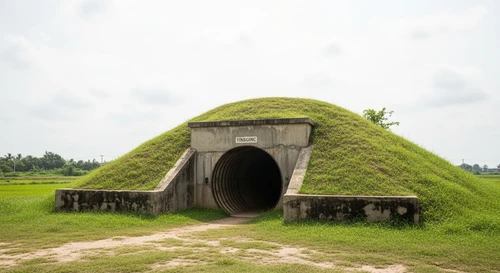
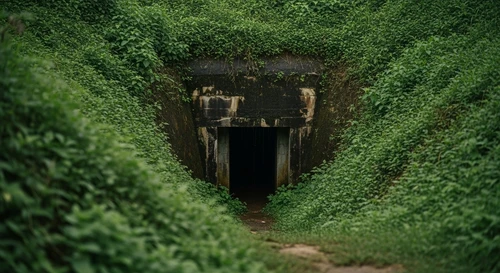
- Ho Quyen Arena: A hauntingly preserved ancient arena where royal elephants once fought tigers. A stark reminder of the brutal entertainment of imperial courts.
- Hon Chen Temple: Perched on a cliff overlooking the Perfume River, this temple, also known as Nguyet Bieu, is dedicated to Princess Thien Y Thuy Nhan, daughter of Emperor Minh Mang, blending royal and folk worship.
Step into a darker chapter of royal history and discover this unique arena. Visit Ho Quyen, the Tiger Arena.
The Soul of Hue
Hue is more than just a historical checklist; it's a city that invites you to slow down, to listen to the rustle of bamboo in the imperial gardens, to feel the gentle spray of the Perfume River, and to savor the complex, spicy embrace of Bun Bo Hue. It's a place where the past isn't just remembered, it's felt.
So, as you ride your motorbike past ancient monuments and share a steaming bowl of noodles with locals, remember that you are walking in the footsteps of emperors, poets, and revolutionaries. Hue's imperial spirit, though centuries old, remains vibrantly alive, waiting to be discovered by those willing to explore its depths.