The Valley of Echoes: Dien Bien Phu's Lingering Story
There are places on Earth that seem to hold their breath, where the very air hums with the weight of history. The remote valley of Dien Bien Phu, nestled deep in the northwestern mountains of Vietnam, is one such place. For generations, it was merely a geographical feature, a fertile basin cradled by verdant peaks. Then came April 1954, a period of intense, brutal conflict that would irrevocably alter the course of 20th-century geopolitics.
To stand here now is to walk on ground that witnessed unimaginable courage, strategic genius, and devastating loss. It is to confront the raw power of a nation fighting for its future, a battle that marked the definitive end of French colonial ambitions in Indochina and reverberated across continents. This is not just a historical site; it's a living testament to resilience, a narrative etched into the very soil.
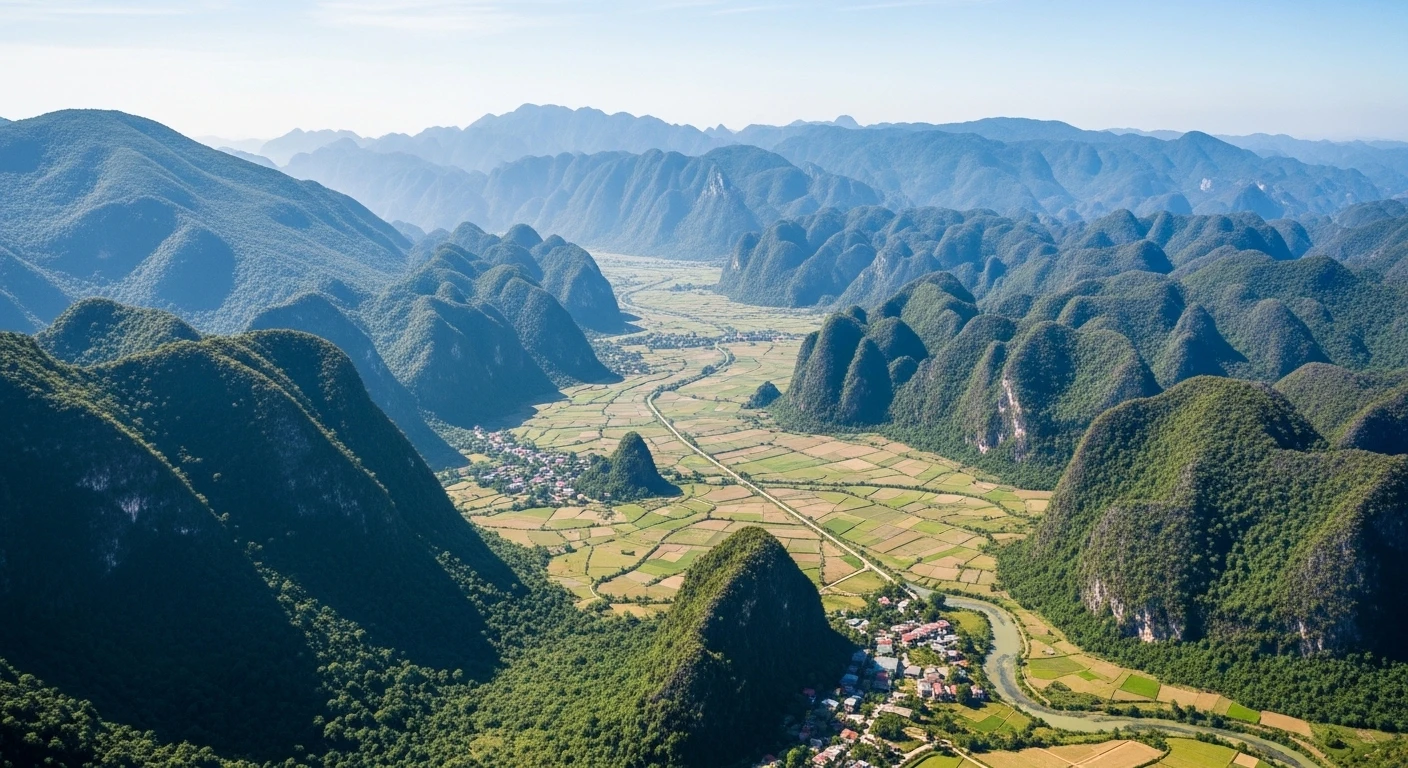
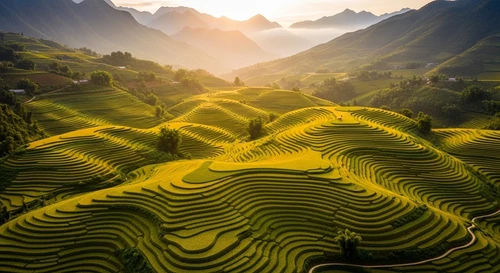
The vast Dien Bien Phu valley, a strategic basin overlooked by formidable mountains.
The Strategic Gambit: Why Dien Bien Phu?
The French Union command, under General Henri Navarre, envisioned Dien Bien Phu as a decisive trap. Their objective: lure the Viet Minh forces, led by the legendary General Vo Nguyen Giap, into a pitched battle in a valley where the French could leverage their superior firepower and air support. They established a sprawling fortified camp, a series of redoubts named after French generals and geographical features, centered around the critical A1 Hill (Eliane).
The valley offered a seemingly perfect position. It could be supplied by air, and its location was intended to cut off Viet Minh supply lines. What the French gravely underestimated, however, was the sheer determination, logistical prowess, and innovative tactics of their adversary. They believed the surrounding mountains would form an impassable barrier, keeping the Viet Minh artillery at bay. They were spectacularly wrong.
Walking the Trenches: Echoes of Defiance
Today, the landscape of Dien Bien Phu tells its story through scars. The most poignant remnants are the extensive trench networks. Walking through them, you can almost feel the ghosts of the soldiers who dug them, sheltering from relentless artillery fire and intense firefights. These weren't just ditches; they were the lifeblood of the battle, connecting strongholds, enabling troop movements, and providing precious cover.
The Dien Bien Phu Museum and the preserved battlefield sites allow visitors to trace the lines of conflict. You can see the remnants of abandoned tanks, the vast bomb craters that pockmark the terrain, and the strategic positions that changed hands so many times. It’s a somber, deeply moving experience, transforming abstract historical accounts into a tangible reality.
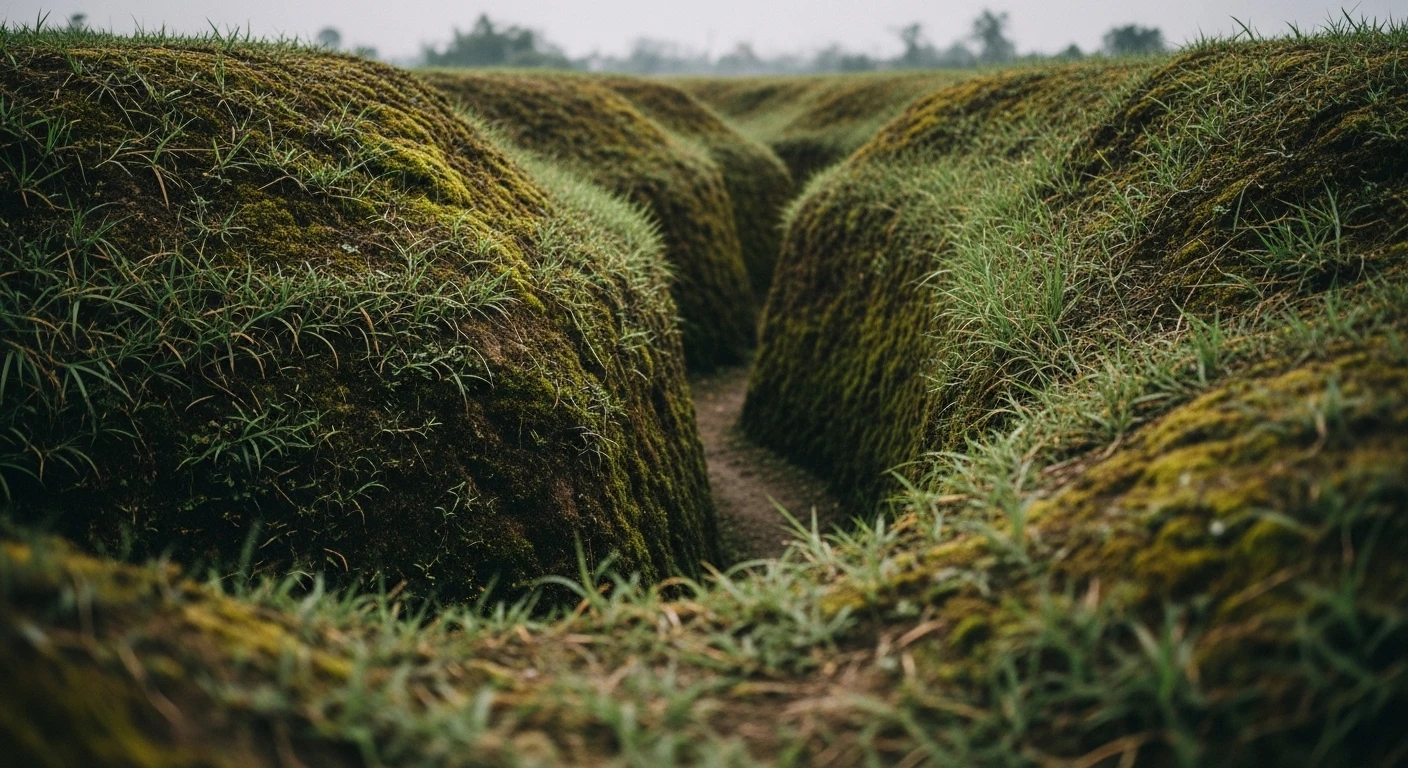
The preserved trench lines offer a direct link to the harsh realities of the battle.
A1 Hill (Eliane): The Crucible of Conflict
Dominating the central plain is A1 Hill, known to the French as Eliane. This was perhaps the most fiercely contested position in Dien Bien Phu. Its capture was vital for both sides. The Viet Minh relentlessly assaulted it, facing brutal resistance and overwhelming artillery. The sheer ferocity of the fighting here, often hand-to-hand in the final stages, made it the symbolic heart of the battle.
Climbing A1 Hill today, you can still see the craters and remnants of fortifications. The view from the top offers a stark perspective on the battlefield’s layout and the strategic importance of controlling this high ground. It's a place that demands quiet contemplation, a moment to reflect on the immense human cost of such a pivotal moment in history.
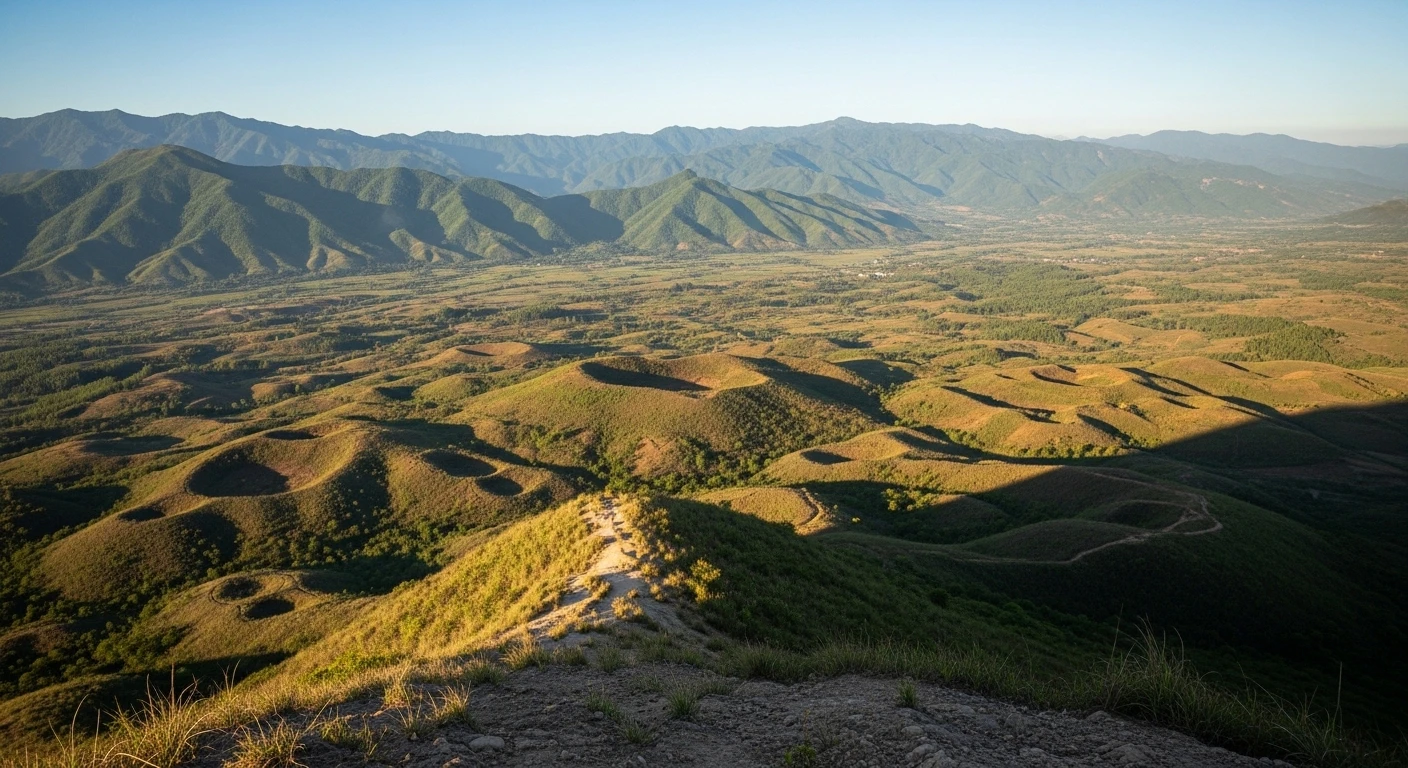
The panoramic view from A1 Hill underscores its strategic importance.
A Taste of the Highlands: The Thai People's Culinary Heritage
Beyond the stark military history, Dien Bien Phu is also the ancestral home of the Thai people (also known as Tai). This ethnic minority group has inhabited these valleys and highlands for centuries, cultivating a rich culture deeply intertwined with the land. Their traditions, music, dance, and, most notably, their cuisine, offer a vibrant counterpoint to the somber battlefield narratives.
While the battle raged, the daily lives and cultural practices of the local people continued, though undoubtedly impacted by the conflict. Today, experiencing the region means engaging with this enduring heritage. The Thai people are known for their warm hospitality and their distinctive culinary practices, particularly their preparation of sticky rice.
Xoi Ngu Sac: The Vibrant Canvas of Thai Cuisine
One of the most visually stunning and culturally significant dishes from the Thai people is Xoi Ngu Sac, or five-color sticky rice. This is not just food; it's edible art, a celebration of nature's palette and deep-rooted symbolism. Each color is derived from natural ingredients, meticulously prepared and layered to create a harmonious, appealing dish.
Typically, the colors include:
- White: Plain sticky rice, representing purity.
- Red: Derived from the acacia concinna fruit (reetha) or other local red berries, symbolizing vitality and good fortune.
- Green: Achieved using pandan leaves, embodying nature and freshness.
- Yellow: Often from gardenia flowers or turmeric, representing prosperity.
- Black/Purple: Made with black glutinous rice or the leaves of the com soc plant, signifying the earth and abundance.
The sticky rice itself is steamed to perfection, then each colored batch is carefully arranged, often in concentric circles or intricate patterns. It's a staple for celebrations, festivals, and important offerings, a dish that embodies the spirit and artistry of the Thai ethnic group.
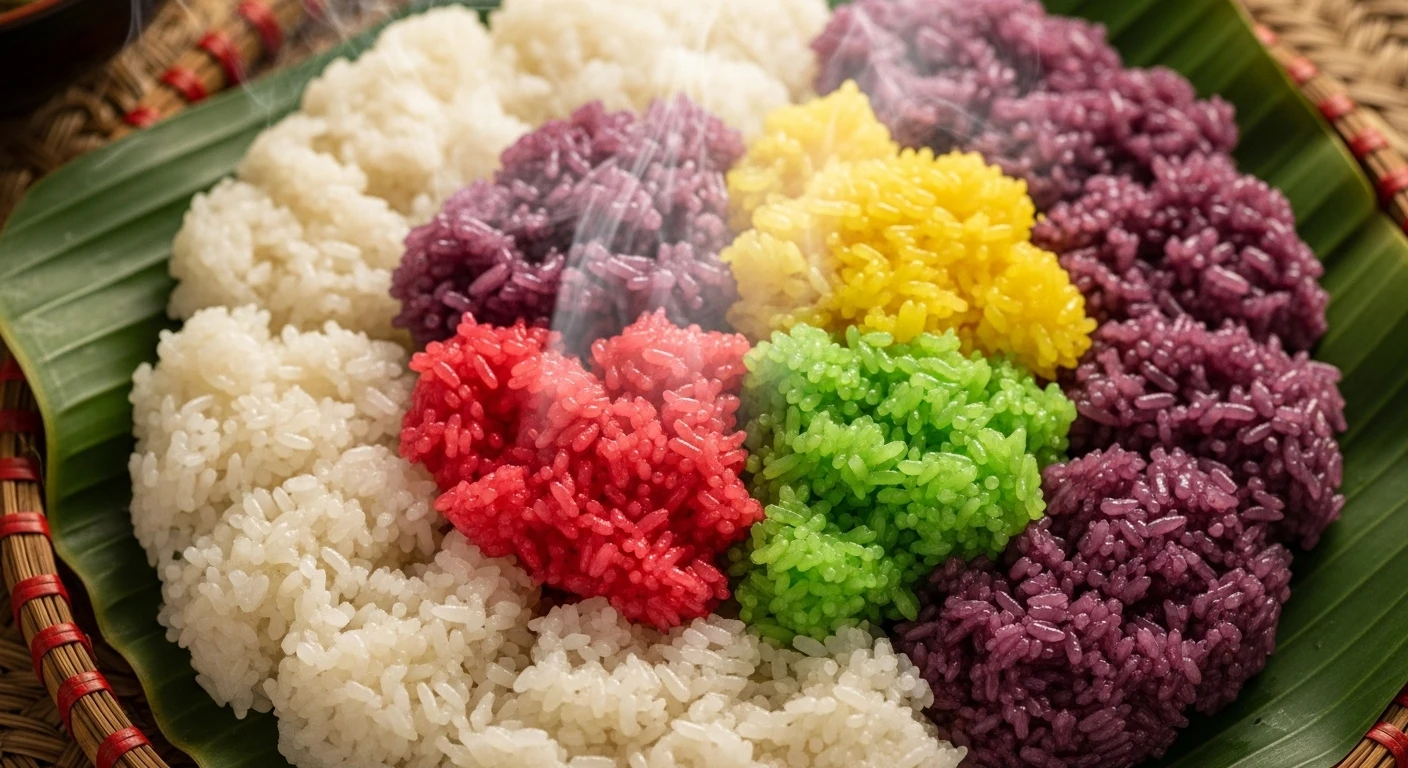
Xoi Ngu Sac, a testament to the natural dyes and culinary artistry of the Thai people.
The Tremors of Victory: A World Transformed
The fall of Dien Bien Phu on May 7, 1954, was more than just a military defeat for France; it was a watershed moment. It signaled the end of an era and contributed significantly to the Geneva Accords, which ultimately led to the division of Vietnam and paved the way for the American involvement in the country.
The victory galvanized nationalist movements across Asia and Africa, inspiring future struggles for independence. It demonstrated that a determined, well-led indigenous force could overcome a technologically superior colonial power. The echoes of Dien Bien Phu resonated far beyond the small valley, reshaping global power dynamics and fueling movements for self-determination.
A Pilgrimage of Understanding: Visiting Dien Bien Phu
Traveling to Dien Bien Phu is an immersive journey into a pivotal chapter of modern history. It requires a commitment, as the region is remote, situated in Vietnam's far northwest. Most international travelers arrive in Hanoi, then take a domestic flight to Dien Bien Phu Airport (DIN). Alternatively, long-distance buses or private car journeys are available, offering a more grounded, albeit time-consuming, experience through stunning mountain landscapes.
Upon arrival, hiring a local guide is highly recommended. They can provide invaluable context, share local insights, and navigate the scattered historical sites, including A1 Hill, the De Castries Bunker, the war cemetery, and the museum. Beyond the battlefield, take time to explore the surrounding villages, witness the enduring traditions of the Thai people, and perhaps sample their celebrated Xoi Ngu Sac. It's a place where history and living culture converge, offering a profound and unforgettable experience.
Engaging with local guides enhances the understanding of Dien Bien Phu's complex history.

Dien Bien Phu: The Hidden Valley Where French Indochina Fell
Tucked in the remote northwest mountains lies the battlefield that changed world history. Walk through massive bomb craters, abandoned tanks, and the legendary General De Castries bunker.
Explore FurtherMore Than Just Rice: Cultural Endurance
The story of Dien Bien Phu is not solely one of military conflict. It is also a story of human endurance and cultural continuity. While the battle was a crucible for a nation's future, the daily lives and traditions of the ethnic Thai people persisted. Their vibrant culture, exemplified by dishes like the multi-colored sticky rice, serves as a powerful reminder that even in the shadow of war, life, artistry, and heritage endure.
These traditions, passed down through generations, are a vital part of Vietnam's rich tapestry. They offer a different lens through which to understand the region – not just as a historical battlefield, but as a living landscape with a proud cultural identity.
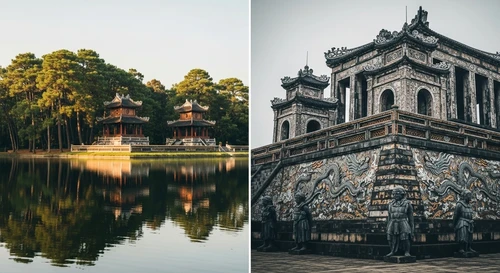
Hue Imperial Citadel: Exploring the Forbidden Purple City
Rent a bicycle to explore the massive walled palace of the Nguyen Dynasty. Marvel at the restored gates, lotus ponds, and the bullet-scarred walls of the Tet Offensive.
Explore FurtherThe Legacy of the Valley
Dien Bien Phu remains a place of profound historical significance, a site that compels reflection on sacrifice, strategy, and the enduring spirit of a nation. The scars on the land serve as a stark reminder of the battles fought, while the vibrant culture of the Thai people, with their colorful traditions and flavorful cuisine, offers a testament to life’s persistence.
Experiencing Dien Bien Phu is to engage with history in its most raw and visceral form, to understand the forces that shaped modern Vietnam. And within this narrative of conflict and resilience, one finds pockets of enduring beauty and tradition, like the vibrant hues of Xoi Ngu Sac, painting a richer, more complete picture of this extraordinary land.
Vinh Moc Tunnels: The Subterranean Village of the DMZ
Walk through the multi-level tunnels where an entire village lived and gave birth to survive American bombings. A sobering, highly educational stop in Quang Tri.
Explore Further