The Ghosts of the Wind: Giants on the Horizon
There's a raw, untamed beauty to Vietnam's southern coastline, a place where the relentless sun meets the endless sea. And then, there are the wind farms. Standing sentinel against the horizon, colossal turbines spin their blades in a silent, powerful dance. Driving along the coast road near Bac Lieu, the sheer scale of these behemoths is humbling. They punctuate the landscape, a stark, modern counterpoint to the age-old rhythms of fishing villages and mangrove forests.
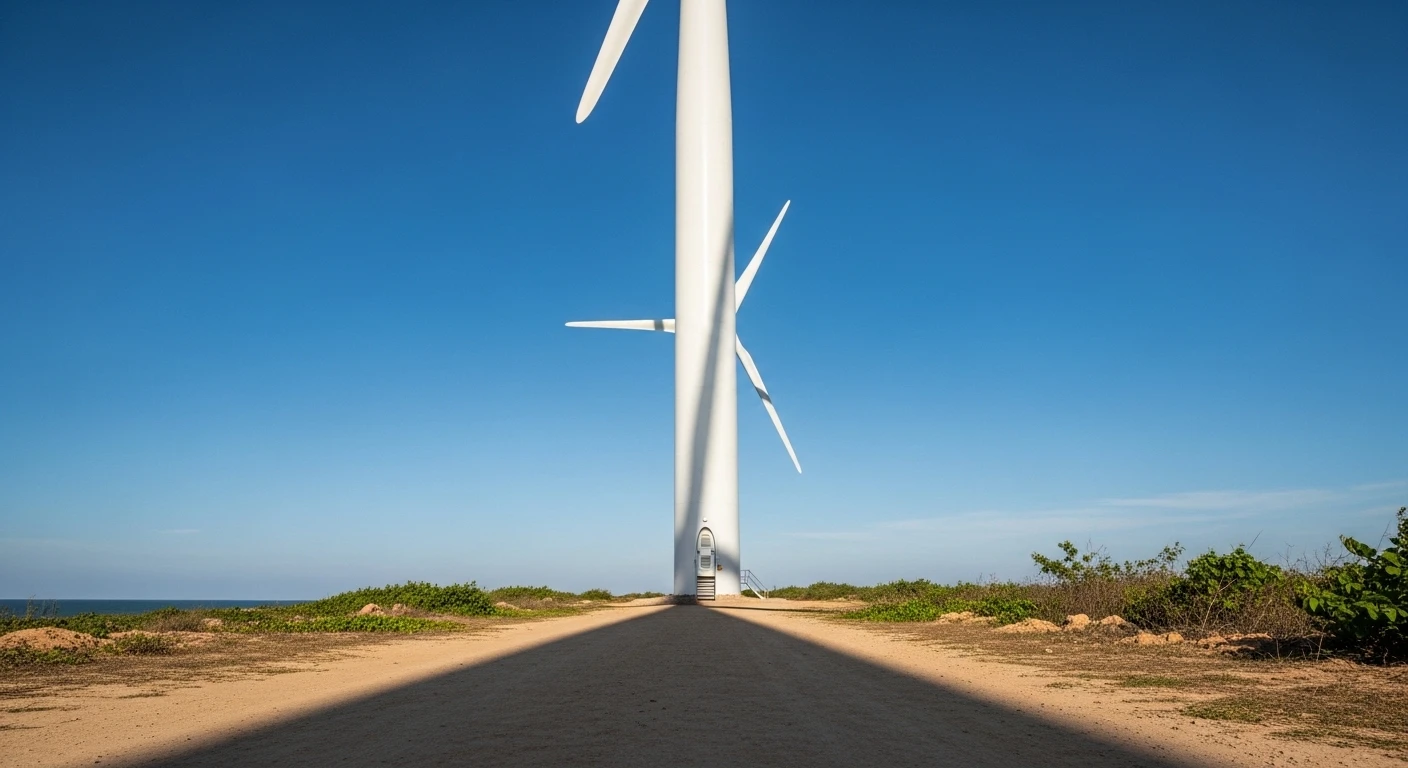
Walking beneath them, you feel the immensity of human engineering set against the vastness of nature. The air hums with their presence, a constant reminder of the forces at play – both meteorological and industrial. This isn't the manicured tourism of Nha Trang; this is raw, coastal Vietnam, where industry and nature coexist in a striking, almost surreal, tableau. It’s a landscape that forces you to pause, to observe, and to contemplate the changing face of the Mekong Delta.
A Gilded Cage: The Opulent Legacy of the 'Prince of Bac Lieu'
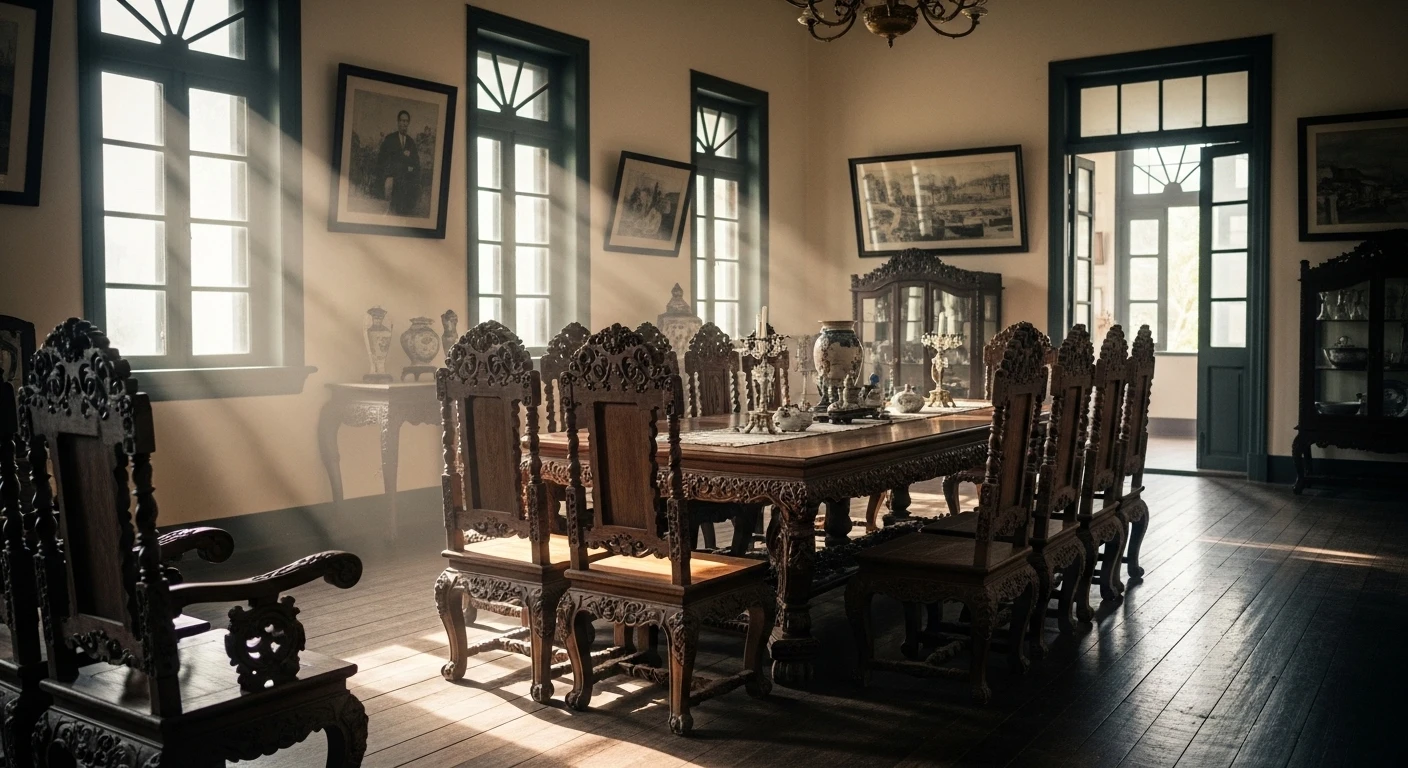
Step off the dusty coastal road and into a different world – the world of Trần Trinh Huy, the legendary 'Prince of Bac Lieu'. His mansion, a curious fusion of French colonial architecture and Eastern opulence, stands as a monument to a bygone era of immense wealth and, some whisper, unchecked indulgence. It’s a place where stories linger in the heavy, humid air.
The sheer extravagance is astounding: marble imported from Italy, intricate wood carvings, a solid gold bathtub (a tale often repeated, its veracity debated), and lavish furnishings that speak of a man who commanded extraordinary resources. Local lore paints him as a flamboyant figure, a man who gambled away fortunes and lived a life of legend. Walking through the grand rooms, past faded photographs and antique artifacts, you can almost hear the echoes of parties past, the rustle of silk, and the whispers of a life lived on a grand, almost mythical, scale.
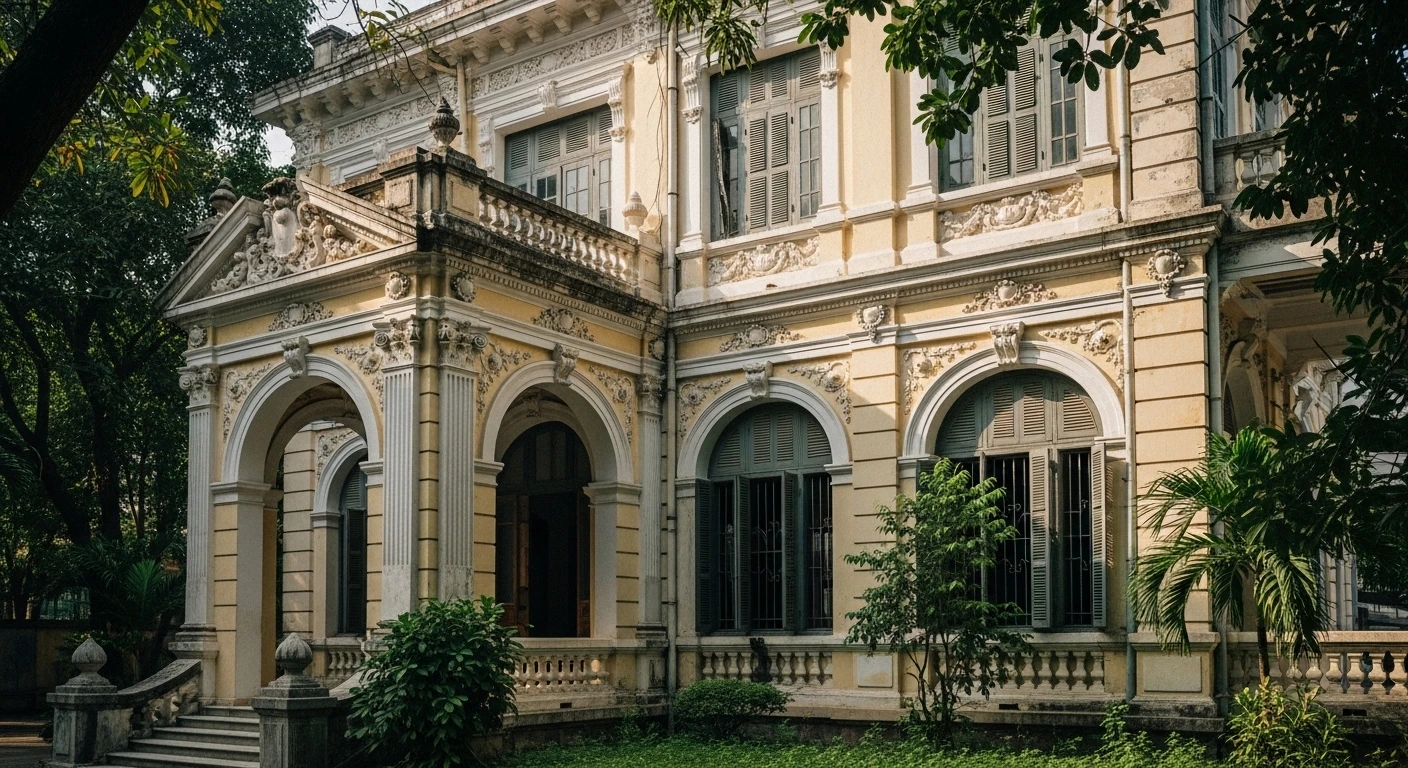
While the Prince is long gone, his story, woven into the fabric of Bac Lieu's history, continues to fascinate. It's a stark reminder of the region's complex past, a blend of colonial influence, local power dynamics, and the enduring power of legend. This isn't just a building; it's a time capsule, offering a glimpse into the lives of the powerful figures who shaped the Mekong Delta.
A Fiery Embrace: The Unforgettable Banh Xeo of Bac Lieu
After soaking in the history and the coastal views, your senses will crave something more visceral. And in Bac Lieu, that means Banh Xeo, but not just any Banh Xeo. This is the local rendition, a dish that embodies the spirit of the region – bold, flavorful, and unapologetically spicy.
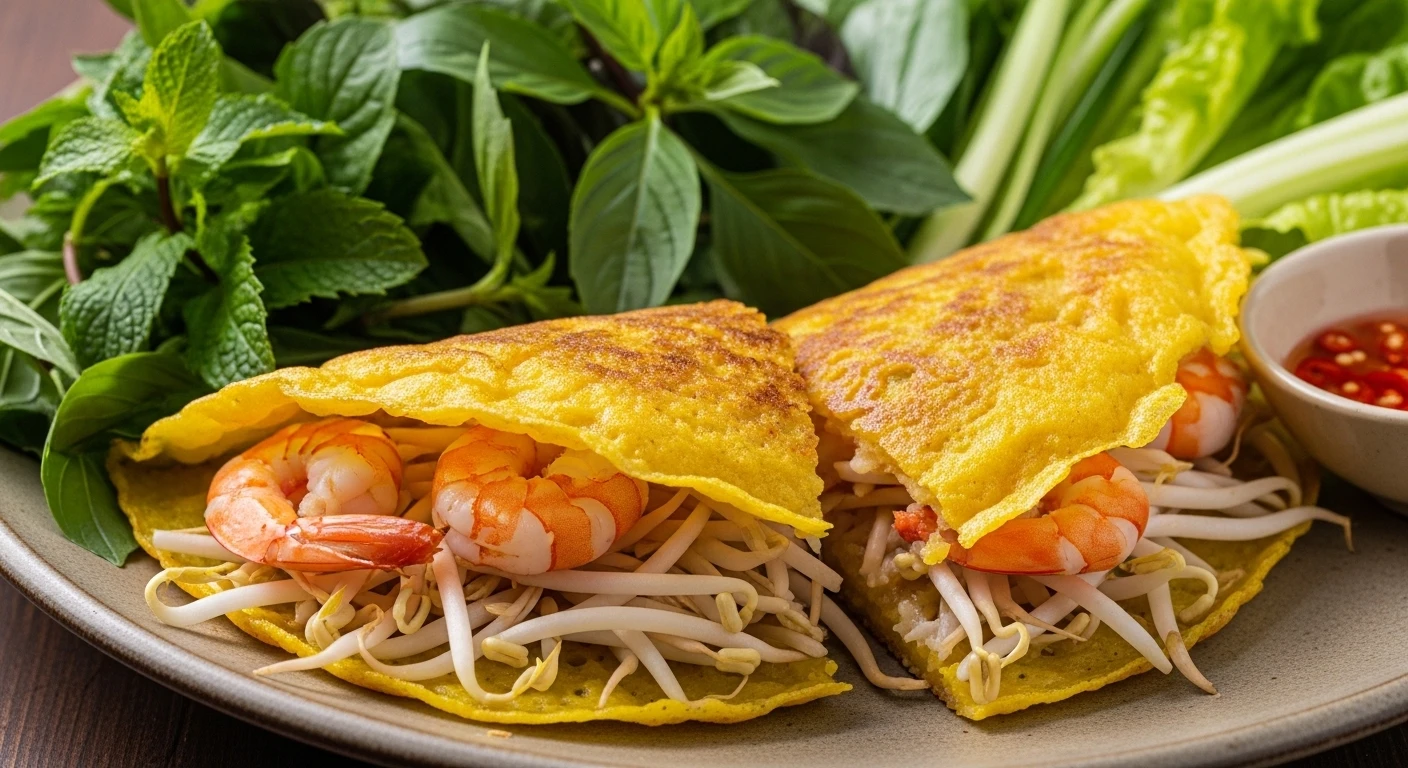
Forget the milder versions you might have encountered elsewhere. Bac Lieu's Banh Xeo is characterized by its intense aromatics and a potent kick of chili, often infused directly into the batter or served in a fiery dipping sauce. The crispy, turmeric-infused crepe, made from rice flour, coconut milk, and water, is a delicate balance of textures – shatteringly crisp on the edges, slightly chewy in the center.
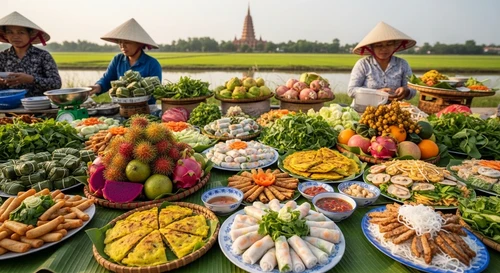
Inside, a generous filling of plump shrimp, tender slices of pork, and crisp bean sprouts awaits. But it's the accompanying plate of fresh herbs – mint, basil, perilla leaves – and the unmistakably potent chili sauce that elevate this dish to another level. Tear off a piece of the Banh Xeo, wrap it in crisp lettuce leaves with a medley of herbs, and dunk it into the sauce. The explosion of flavors – sweet, savory, herbaceous, and searingly spicy – is an exhilarating experience, a true taste of Southern Vietnam's culinary heart. It's food that wakes you up, that makes you feel alive, a perfect culinary punctuation mark to a day of exploring this unique corner of the Mekong Delta.
Beyond the Turbines: Life on the Mekong's Coastal Edge
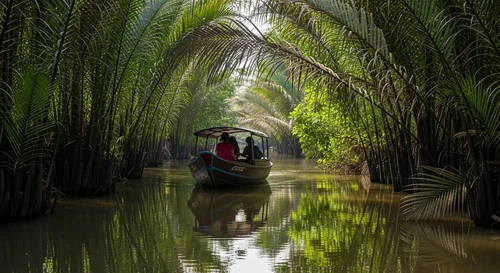
Bac Lieu, situated on the eastern coast of the Ca Mau Peninsula, offers a different perspective on the Mekong Delta. Here, the mighty river's influence is felt not just in fertile land, but in the salty tang of the sea breeze and the livelihood it provides. This coastal region is a vital hub for shrimp farming and fishing, forming the backbone of the local economy.
As you travel through the province, you'll notice an abundance of shrimp ponds, stretching out like a mosaic across the landscape. These farms, often integrated with mangrove ecosystems, are a crucial part of Bac Lieu's identity. The proximity to the sea also means that fresh seafood is readily available, a testament to the enduring relationship between the people and the water. Understanding this context – the interplay of industry, history, and the bounty of the sea – is key to appreciating the unique character of Bac Lieu.
Navigating Bac Lieu: A Traveler's Compass
Reaching Bac Lieu requires a bit of planning, but the rewards are significant for those seeking an authentic slice of Vietnam away from the tourist trails.
Getting There: The most common gateway to Bac Lieu is via Ho Chi Minh City. From Ho Chi Minh City's Mien Tay Bus Station, regular inter-provincial buses operate to Bac Lieu city. The journey typically takes 5-7 hours, depending on traffic and stops. Alternatively, you can fly into Can Tho International Airport (VCA), which is roughly a 2-3 hour drive from Bac Lieu, and arrange for private transport or take a bus from there. Renting a motorbike within Bac Lieu is a great way to explore the coastal road and reach the wind farms at your own pace.
Where to Stay: Accommodation options in Bac Lieu range from basic guesthouses to more comfortable hotels, particularly in Bac Lieu city. For a more immersive experience, consider looking for homestays in coastal areas, though English proficiency might be limited.
What to Eat: Beyond the must-try Banh Xeo, explore local markets for fresh seafood, particularly grilled shrimp and fish. Look for specialty restaurants serving regional Mekong Delta dishes. Don't be afraid to ask locals for recommendations – their insights are invaluable.
More Than Just Wind and Wealth: The Soul of Bac Lieu
Bac Lieu is a province that defies easy categorization. It's a place where the echoes of ostentatious wealth from the past mingle with the stark, functional beauty of modern renewable energy. It’s where the vibrant, spicy flavors of local cuisine stand as a testament to the resilience and creativity of its people.
Venturing here means stepping off the beaten path. It’s about feeling the sea spray on your face as you stand beneath colossal wind turbines, imagining the lives of those who lived in gilded mansions, and savoring a plate of Banh Xeo so spicy it makes your eyes water – in the best possible way.
A Glimpse into History: Colonial Echoes in the Delta
The presence of French colonial architecture, like that found in the Prince of Bac Lieu's mansion, is a recurring theme in the Mekong Delta. These structures, often built for colonial administrators or wealthy landowners, tell a story of a complex historical period marked by both exploitation and the introduction of new architectural styles and administrative systems. Bac Lieu's mansion is a prime example, demonstrating how these influences were adapted and often integrated with local aesthetics and materials to create unique, albeit sometimes ostentatious, statements of power and wealth. Exploring these sites offers a tangible connection to Vietnam's past, a critical layer in understanding the region's present.
Wind Power and Sustainability: A Modern Delta Narrative
The wind farms in Bac Lieu are more than just an industrial sight; they represent a forward-looking commitment to renewable energy in a region heavily impacted by climate change. The Mekong Delta, with its low-lying geography, is particularly vulnerable to rising sea levels and extreme weather events. Investing in wind power is a significant step towards a more sustainable future for the province and the wider delta. This modern narrative of ecological responsibility stands in intriguing contrast to the historical narratives of unchecked wealth and colonial exploitation.
The Art of Bánh Xèo: A Mekong Culinary Staple
Bánh Xèo, meaning "sizzling cake," is a beloved dish across Vietnam, but each region adds its own flair. In the Mekong Delta, the focus is often on abundance and bold flavors. The batter, typically made from rice flour, coconut milk, turmeric (for that characteristic golden hue), and water, is poured into a hot, oiled pan, creating a crispy shell. Common fillings include shrimp, pork, and bean sprouts, but variations abound. The key to enjoying Bánh Xèo is the accompanying platter of fresh herbs and leafy greens, used to wrap pieces of the pancake, and a potent dipping sauce (nước chấm), often spiked with plenty of chili. This interactive way of eating transforms a simple dish into a culinary experience, embodying the communal and sensory pleasures of Vietnamese food culture.

Explore More Mekong Delta History
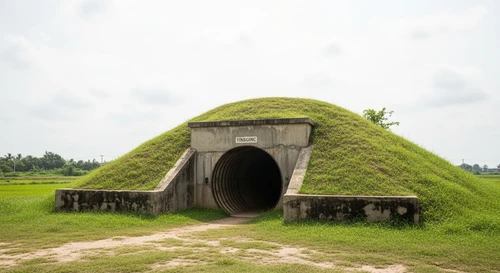
Delve deeper into the Mekong Delta's historical landscapes and revolutionary past. Discover hidden bases and fascinating relics.
Discover Xeo Quyt RelicThe Spicy Pancake Experience: A Sensory Awakening
The Banh Xeo in Bac Lieu is more than just a meal; it's an event. It's the sizzle in the pan, the vibrant colors of the ingredients, the explosion of spice and herbs with each bite. It's the communal joy of sharing food, the satisfaction of a truly authentic local dish. This is the culinary heart of the region, a potent reminder that the best travel experiences often come from embracing the local flavors, no matter how fiery they may be.
As you leave Bac Lieu, the image of the towering wind turbines on the horizon, the memory of the Prince's opulent mansion, and the lingering, delightful burn of chili from your Banh Xeo will stay with you. It's a potent mix of past, present, and present-future – a uniquely Mekong Delta cocktail that beckons you to explore further.

Coastal Vistas and Historic Beacons
Discover other captivating coastal gems and historic lighthouses that dot Vietnam's stunning shoreline.
Explore Ke Ga Lighthouse