The Serpent's Spine: Riding Vietnam's Most Famous Pass
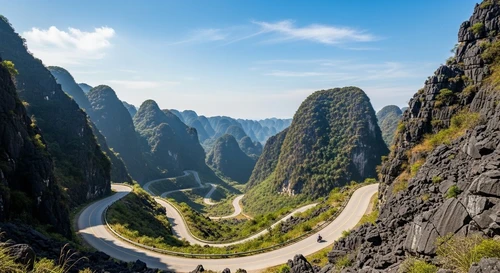
There are roads, and then there are legends. In Vietnam, the Hai Van Pass (Hải Vân Pass), meaning "Ocean Cloud Pass," is one of the latter. This serpentine ribbon of tarmac snakes its way across a coastal mountain range, offering a dramatic natural border between the northern and southern halves of Central Vietnam, and more importantly, between the cities of Hue and Da Nang. For any traveler seeking that quintessential Vietnamese adventure – the wind in your hair, the endless horizon, and a taste of raw, untamed beauty – this is your moment.
Whether you tackle it by motorbike, car, or even as a passenger on the train that famously skirts its base, the journey is an assault on the senses. It's a landscape forged by monsoons and time, where verdant jungle clings precariously to sheer cliffs, and the vast, shimmering East Sea stretches out in an unbroken blue. But the Hai Van is more than just pretty vistas; it’s a journey through history, and a gateway to culinary delights that await at its foot.
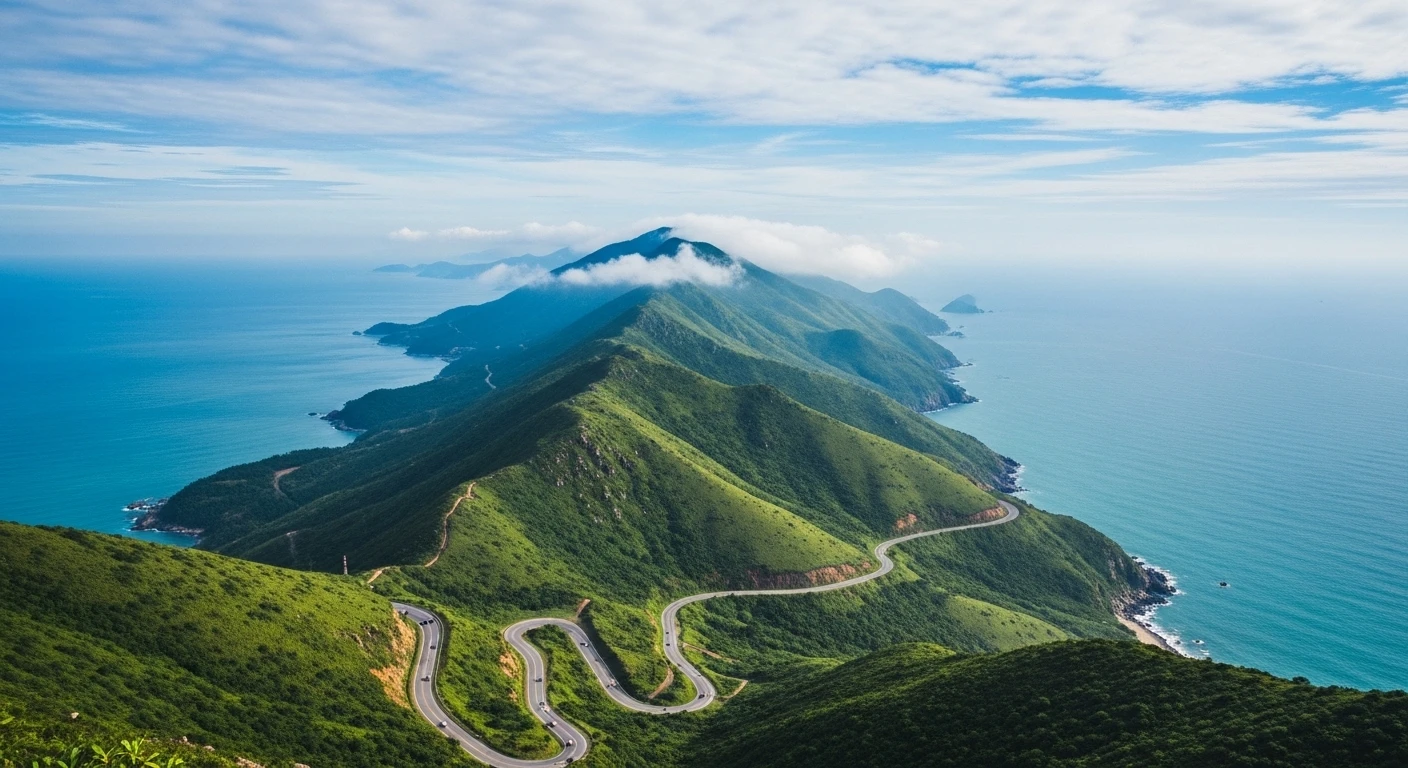
The iconic Hai Van Pass, a ribbon of road carved into the mountainside.
The Serpent's Ascent: Where Ocean Meets Cloud
As you begin the climb from either Hue or Da Nang, the air gradually cools, and the humidity gives way to a refreshing mountain breeze. The initial stretches are often framed by dense, emerald jungle, punctuated by glimpses of turquoise water far below. Keep your eyes peeled for the many roadside vendors selling fresh fruits and iced drinks; they are welcome respites from the heat and the journey.
The true magic unfolds as you reach higher elevations. Pull over at designated viewpoints, and you’ll be rewarded with staggering panoramas. To one side, the South China Sea (or East Sea, as it's locally known) unfurls in a breathtaking expanse of sapphire and indigo. To the other, a seemingly endless tapestry of verdant mountains rolls towards the horizon. This is where the "Ocean Cloud" gets its name; mist often rolls in, shrouding the peaks and creating an ethereal, otherworldly atmosphere.
Don't miss the old French-era fortifications and brick gates that dot the pass. These relics of a bygone era stand as silent sentinels, offering not only a fascinating glimpse into Vietnam's colonial past but also fantastic vantage points for photographs. The rugged stone against the vibrant green landscape and blue sky creates a truly dramatic scene.
At the Summit: A Sentinel of History
Reaching the absolute summit of Hai Van Pass is marked by a cluster of small shops, cafes, and the imposing remnants of military fortifications. This is often the highest point on the road, offering the most dramatic views. It's a popular spot for travelers to stop, stretch their legs, grab a refreshing coconut water, and simply absorb the immensity of the landscape.
Legend has it that the pass was once known as "Cloudy Mountain" or "Cloudy Pass" due to the constant mist. It served as a natural demarcation between the Cham Kingdom and the Dai Viet kingdom for centuries, a strategic point often fought over. The fortifications you see today, including the impressive gate, are a testament to its historical significance as a defensive stronghold. The air here feels different – a blend of salt spray, mountain flora, and the weight of centuries of history.
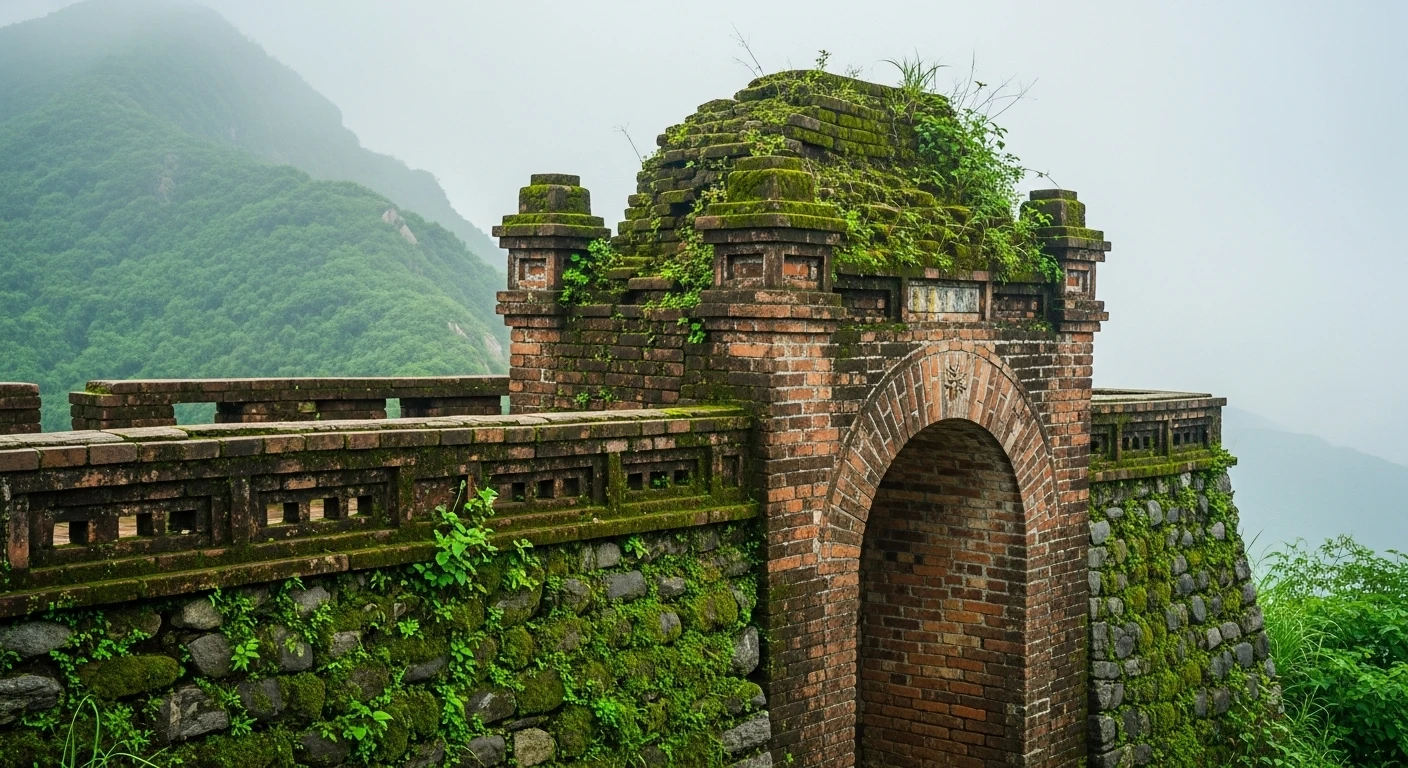
Historic fortifications stand guard at the pass's summit.
The Descent: A Culinary Promise Beckons
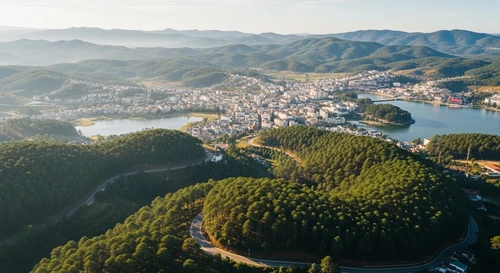
After savoring the heights, the descent begins. This side of the pass often offers slightly different perspectives, revealing more of the coastal plains and the tranquil waters of Lang Co Bay. As the gradient eases and the scent of the sea intensifies, a different kind of anticipation builds – one tied to the promise of fresh seafood.
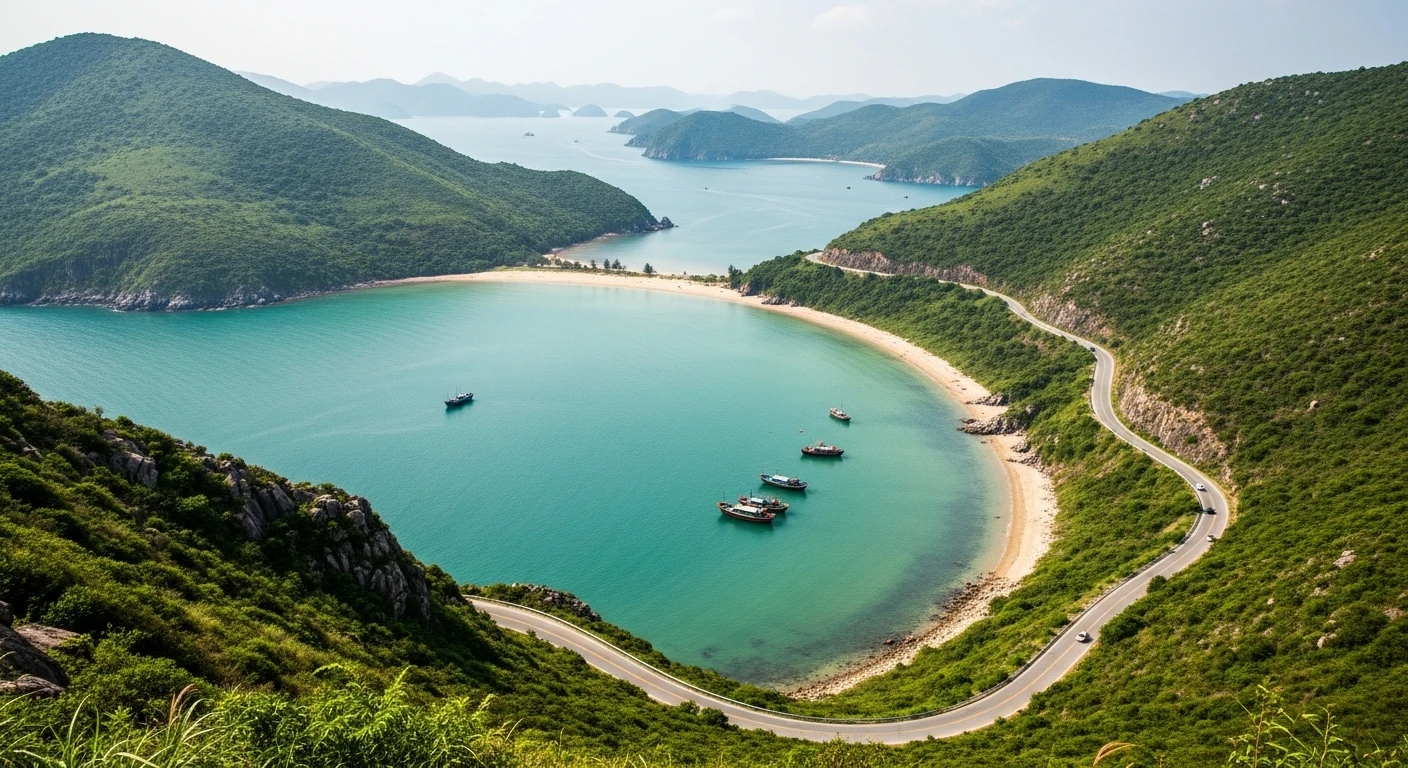
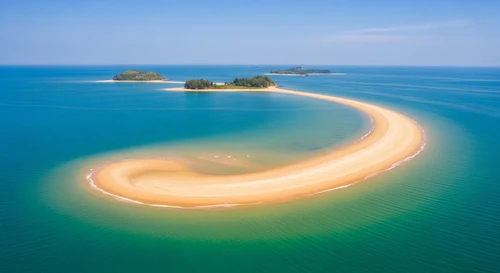
And there it is: Lang Co Bay. A picturesque crescent of white sand meeting calm, aquamarine waters, nestled at the foot of the mighty Hai Van. It's a place where the mountain's drama softens into coastal serenity, and the bounty of the sea becomes the star. For many, the journey over Hai Van Pass is not complete without a stop here, not just for the views, but for a taste of the ocean's freshest offerings.
Lang Co's Treasure: Oysters So Cheap, It Feels Like Stealing
Lang Co Bay is legendary among Vietnamese travelers and savvy locals for one thing: its impossibly fresh, impossibly cheap oysters. Forget fancy restaurants; the real magic happens at the simple, stilted seafood shacks that line the bay, particularly in the fishing villages. Here, oysters are often farmed right in the bay and brought to your table moments after being shucked.
Imagine sitting on a low plastic stool, the gentle lapping of waves beneath you, and before you, a platter piled high with glistening, plump oysters. They are often served simply – with wedges of lime, a sprinkle of chili, a bit of salt and pepper, perhaps some thinly sliced cucumber or pickled onion. The texture is sublime: creamy, briny, with that characteristic oceanic tang that only truly fresh oysters possess. You can eat your weight in them for a pittance.
The price point is almost unbelievable for Western travelers. You might find yourself paying the equivalent of a few US dollars for a dozen oysters that would cost many times that back home. This affordability, combined with the unparalleled freshness, makes a stop at Lang Co Bay a non-negotiable part of the Hai Van Pass experience. It’s a true taste of the Mekong Delta's coastal bounty, even though Lang Co itself sits more centrally, it shares the spirit of affordable, abundant seafood.
Beyond the Brine: More Coastal Catch
While oysters are the undisputed champions of Lang Co Bay, the seafood offerings extend to other delights that showcase the richness of Vietnam's coastline. You'll often find grilled scallops, plump and juicy, brushed with a savory-sweet sauce and often topped with crushed peanuts for texture.
Depending on the day's catch, you might also encounter freshly grilled prawns, succulent various fish, or even clams prepared in local styles. These are typically cooked over charcoal grills, imparting a smoky depth that complements the natural flavors. The simplicity of preparation allows the quality of the seafood to shine, a hallmark of Vietnamese coastal cuisine. Many of these dishes will echo the flavors you might find further south in the Mekong Delta's coastal provinces, highlighting the shared culinary heritage of Vietnam's long seaboard.
Navigating the Pass: Tips for Your Journey
The Hai Van Pass is most famously ridden on a motorbike. You can rent one in Hue or Da Nang and often arrange for a "one-way" rental, where you drop it off in the other city. Alternatively, many travelers opt for an "easy rider" service, where a local guide drives you, allowing you to fully enjoy the scenery without worrying about navigation or traffic.
For those seeking comfort or traveling with family, hiring a private car with a driver is an excellent option. This offers flexibility to stop at viewpoints and allows for a relaxed journey. The train also offers a spectacular alternative, with many services running through tunnels beneath the pass, but the coastal sections provide stunning views. The train journey between Hue and Da Nang is often cited as one of the most scenic rail routes in Vietnam, offering incredible ocean vistas as it hugs the coastline near Lang Co.
Getting There:
- From Hue: Depart north-west of the city, heading towards National Highway 1A. The pass begins a few kilometers after Phu Loc town. Travel time to the summit from Hue city is roughly 1.5 to 2 hours.
- From Da Nang: Head north-west out of the city, following signs for the Hai Van Pass. The ascent starts around Tien Sa Port and Son Tra Peninsula area. Travel time to the summit from Da Nang city is roughly 1 to 1.5 hours.
- The Tunnel: For those on motorbikes or in cars who want to bypass the pass, there's the Hai Van Tunnel, the longest tunnel in Southeast Asia. While efficient, it bypasses the primary scenic and historic experience.

Timing is Everything: Best Time to Conquer the Clouds
The dry season, typically from January to August, is the prime time to tackle Hai Van Pass. During these months, the skies are generally clearer, and the chances of encountering heavy rain or thick fog are significantly reduced, allowing for the best visibility and a safer driving experience.
However, even in the dry season, be prepared for quick weather changes. The pass is notorious for its microclimate, and mist can roll in unexpectedly, adding to its dramatic allure but potentially reducing visibility. Always ride or drive defensively. If you visit during the rainy season (September to December), check weather forecasts diligently, and be ready for slippery roads and reduced visibility. The stunning views might be obscured by clouds and rain, but the sheer raw power of the elements can also be a compelling experience for the adventurous.
Echoes of the Delta: Coastal Flavors
While Hai Van Pass is geographically central, its coastal bounty at Lang Co Bay shares a spirit with the abundant seafood culture of Vietnam's southern Mekong Delta. The emphasis on fresh, locally sourced ingredients, often prepared with minimal fuss to highlight natural flavors, is a common thread. Just as the Mekong Delta’s network of rivers and canals yield incredible freshwater catches, Lang Co Bay leverages its position where mountains meet the sea to offer marine treasures.
The affordability and accessibility of seafood in places like Lang Co echo the food culture of the Mekong Delta, where fresh ingredients are a cornerstone of daily life and are enjoyed by all, not just the affluent. Both regions celebrate the sea and river as providers, and this connection is palpable in the simple, honest preparation of dishes. It’s a reminder that while Vietnam's geography is diverse, its culinary heart beats with a shared rhythm of fresh ingredients and warm hospitality.

The Unforgettable Journey
The Hai Van Pass is more than just a drive; it’s an experience that imprints itself on your memory. It's the thrill of the open road, the humbling scale of nature, the whispers of history, and the unparalleled satisfaction of a perfectly fresh oyster enjoyed with your feet practically in the sea. It’s a journey that connects you to the raw beauty and the culinary soul of Vietnam. So, when you plan your adventure, make sure this iconic pass is on your itinerary. The ocean clouds await, and the oysters at Lang Co Bay are calling.