The Humble Baguette: A Global Icon, a Vietnamese Revelation
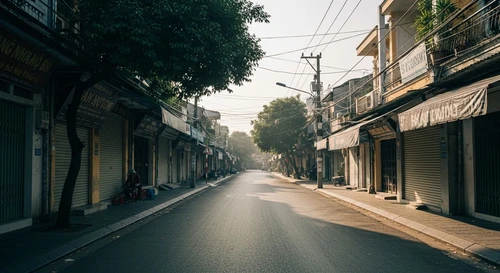
Walk down any bustling street in Hanoi, any sun-drenched avenue in Saigon, and the scent that cuts through the symphony of pho broth and grilled meats is unmistakable: freshly baked bread. The baguette, a French colonial legacy, has been wholly adopted and masterfully transformed by Vietnamese bakers into something uniquely their own. It's the edible foundation of that iconic sandwich, the banh mi, a handheld masterpiece that has captivated palates worldwide.
But here's the delicious paradox: while the French baguette is celebrated for its substantial crust and airy, chewy interior, the Vietnamese banh mi baguette often achieves a level of ethereal lightness and shattering crispness that seems almost otherworldly. How is this airy perfection achieved? It's a question that has intrigued bakers and food lovers alike, a culinary puzzle whispered on the humid Vietnamese air. This isn't just about bread; it's about science, technique, and a deep understanding of dough.
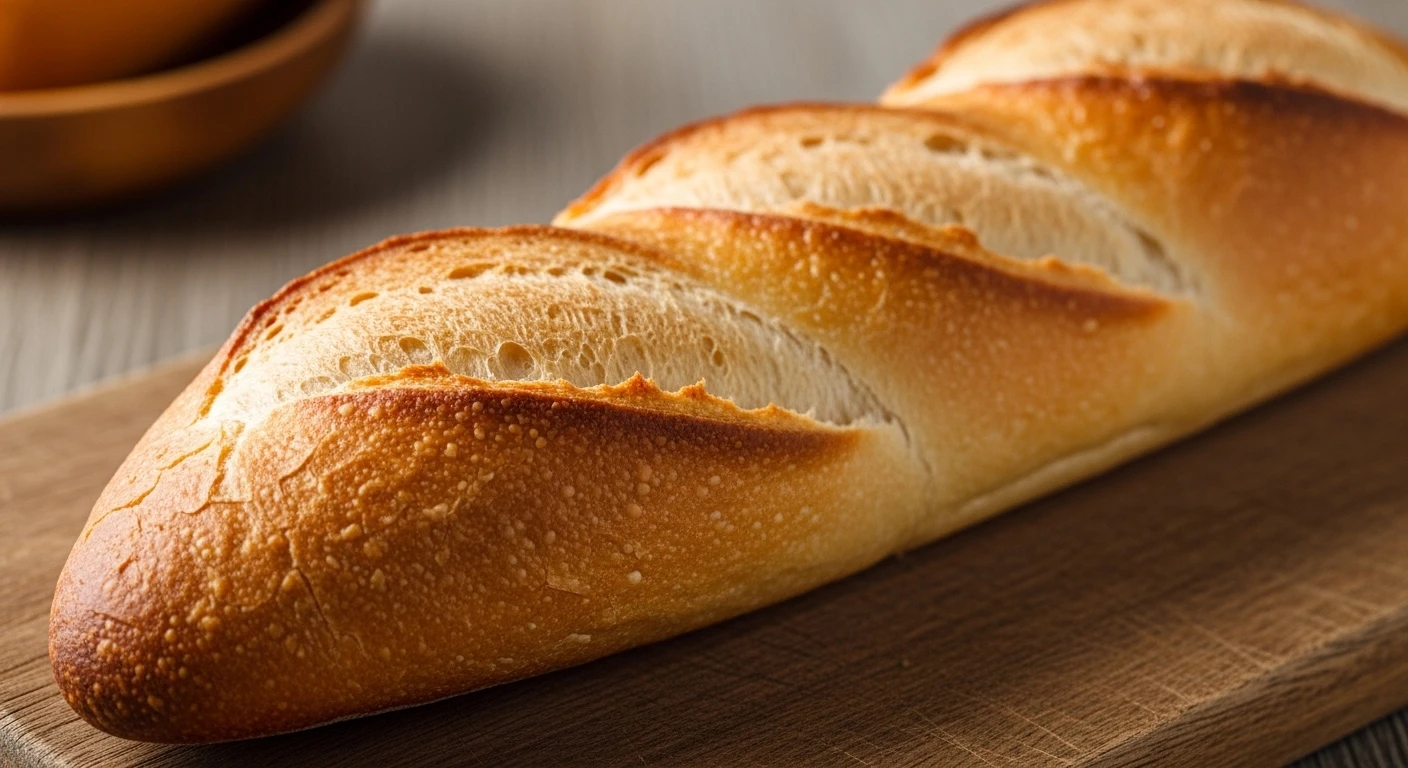
The perfect banh mi baguette: a golden hue, a delicate crust, and an invitingly light interior.
The French Legacy & The Vietnamese Departure
The original French baguette is a testament to simplicity: flour, water, yeast, and salt. Its characteristic open crumb structure and crisp crust are achieved through careful hydration, controlled fermentation, and high-temperature baking. Yet, when this tradition met the tropical climate and local resources of Vietnam, something magical happened.
Vietnamese bakers, ever adaptable and innovative, didn't simply replicate. They experimented. The subtle, yet significant, modifications they introduced were key to achieving that signature lightness. Think of it as a culinary evolution, a dialogue between tradition and necessity, where the goal was a loaf that could hold up to a variety of fillings without becoming soggy, while still offering that irresistible crunch.
The Secret Ingredient? Not Quite. It's All About the Dough.
While anecdotal evidence sometimes points to 'secret' ingredients, the reality is far more elegant. The primary drivers behind the banh mi baguette's unique texture lie in the dough's composition and handling.
Flour Matters: Many Vietnamese recipes call for a specific type of flour, often a lower-protein all-purpose flour or even a blend that includes some rice flour or wheat starch. This differs from the higher-protein bread flour typically used for French baguettes. Lower protein content results in less gluten development, which in turn creates a more tender crumb and a lighter, crispier crust.
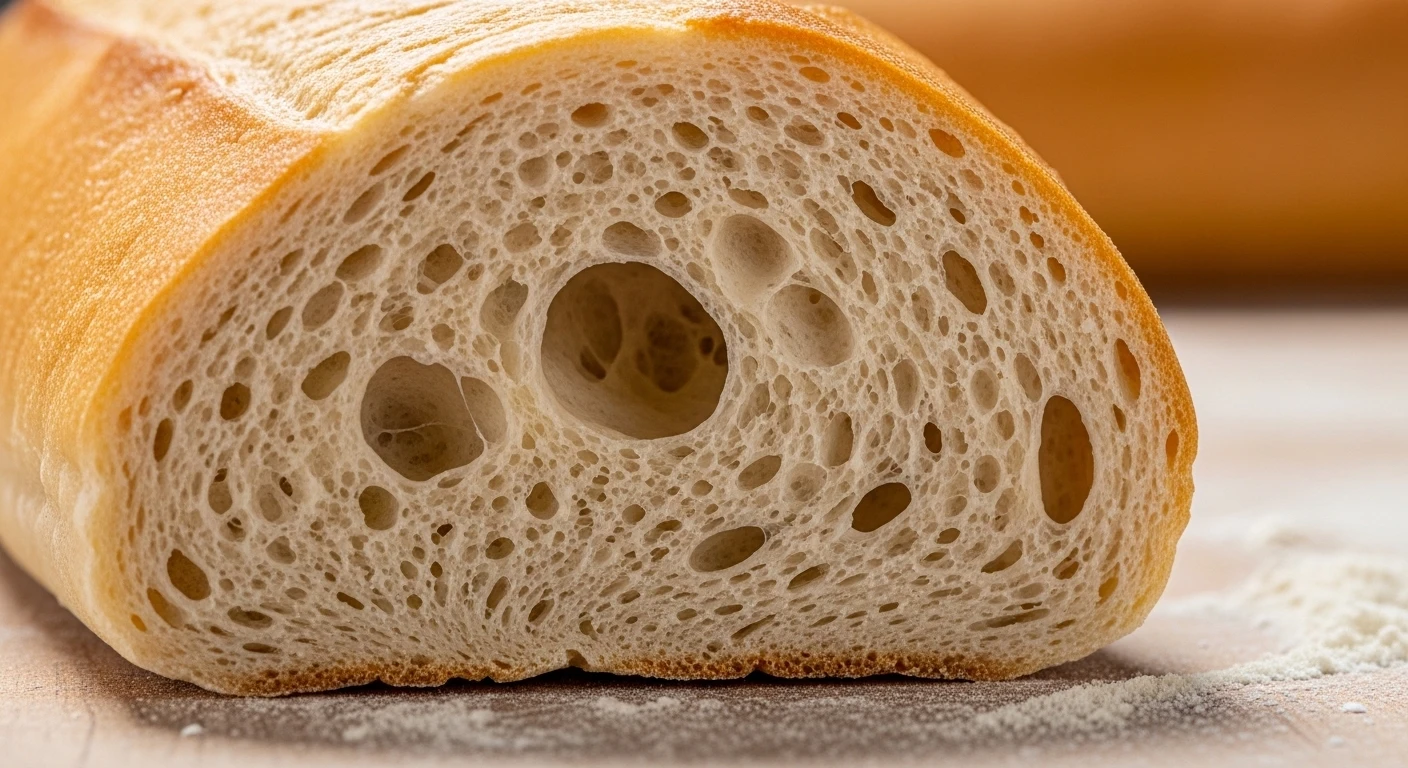
Hydration Levels: While high hydration can lead to an open crumb, it can also make dough sticky and difficult to handle. Vietnamese bakers often work with dough that is moderately hydrated. The balance is crucial: enough water to create steam for a good rise and crust, but not so much that the dough becomes unmanageable, compromising the delicate structure.
The Role of Fat (and sometimes sugar): Unlike traditional French baguettes, banh mi recipes frequently incorporate a small amount of fat, such as vegetable oil or lard, and sometimes a touch of sugar. These additions tenderize the crumb, contribute to a softer interior, and help achieve that desirable crispness on the exterior, as well as prolonging freshness.
The Magic of Yeast & Fermentation
The leavening agents play a pivotal role. While commercial yeast is common, some traditional methods might employ a sourdough starter or a pre-ferment (like a poolish or biga). This controlled fermentation develops complex flavors and contributes significantly to the dough's structure and rise.
Bakers often allow for a longer, slower proofing period, especially for the final rise. This slow development of gases creates those airy pockets that, when baked, expand rapidly to form the characteristic open crumb. The controlled release of CO2 gas is essential for that light, almost hollow sound you hear when tapping a perfectly baked banh mi baguette.
The Art of the Crust: Oven Hacks and Baking Secrets
Achieving that paper-thin, shatteringly crisp crust is where the alchemy truly happens, and it often involves specific baking techniques:
- High Heat is Key: Vietnamese bakers typically bake their baguettes at very high temperatures, often exceeding 450°F (230°C). This intense heat provides the initial oven spring and rapidly sets the crust.
- Steam, Steam, Steam!: The secret to a thin, crisp crust is ample steam in the oven during the initial phase of baking. This keeps the dough surface moist and pliable, allowing it to expand fully before the crust hardens. Traditional methods might involve placing a pan of hot water at the bottom of the oven or spraying the oven walls with water. Modern bakers might use a Dutch oven or a steam injection system.
- Baking Surface: Baking directly on a preheated baking stone or steel helps transfer heat efficiently to the bottom of the baguette, ensuring a crisp underside. Some bakers might use specialized perforated baguette pans for even heat distribution.
- Quick Cooling: Once out of the oven, the baguettes are immediately placed on a wire rack to cool. This allows air to circulate freely around them, preventing the crust from becoming steamy and soft.
The Difference: A Taste Test
So, what's the tangible difference on your plate?
- French Baguette: Robust, chewy interior, substantial crust that yields with a satisfying tearing sound. It's designed for dipping and lingering.
- Banh Mi Baguette: Delicate, airy interior that practically dissolves. The crust crackles and shatters with a whisper, offering an immediate crunch that contrasts beautifully with fillings. It's engineered for the perfect sandwich bite.
Your Own Airy Crumb: Home Baking Tips
Ready to capture that ethereal lightness in your own kitchen?
- Flour Choice: Experiment with a lower-protein all-purpose flour or even a blend with a touch of rice flour.
- Gentle Kneading: Don't overwork the dough. Aim for a smooth, elastic dough, but avoid developing too much gluten.
- Consider a Touch of Fat: A tablespoon or two of neutral vegetable oil or melted butter can make a difference.
- Preheat Ruthlessly: Ensure your oven and baking surface are screaming hot before you bake.
- Mastering Steam: A simple method is to place a metal baking tray on the bottom rack while the oven preheats. When you load the bread, carefully pour about a cup of hot water into this tray and quickly close the oven door. Or, use a Dutch oven.
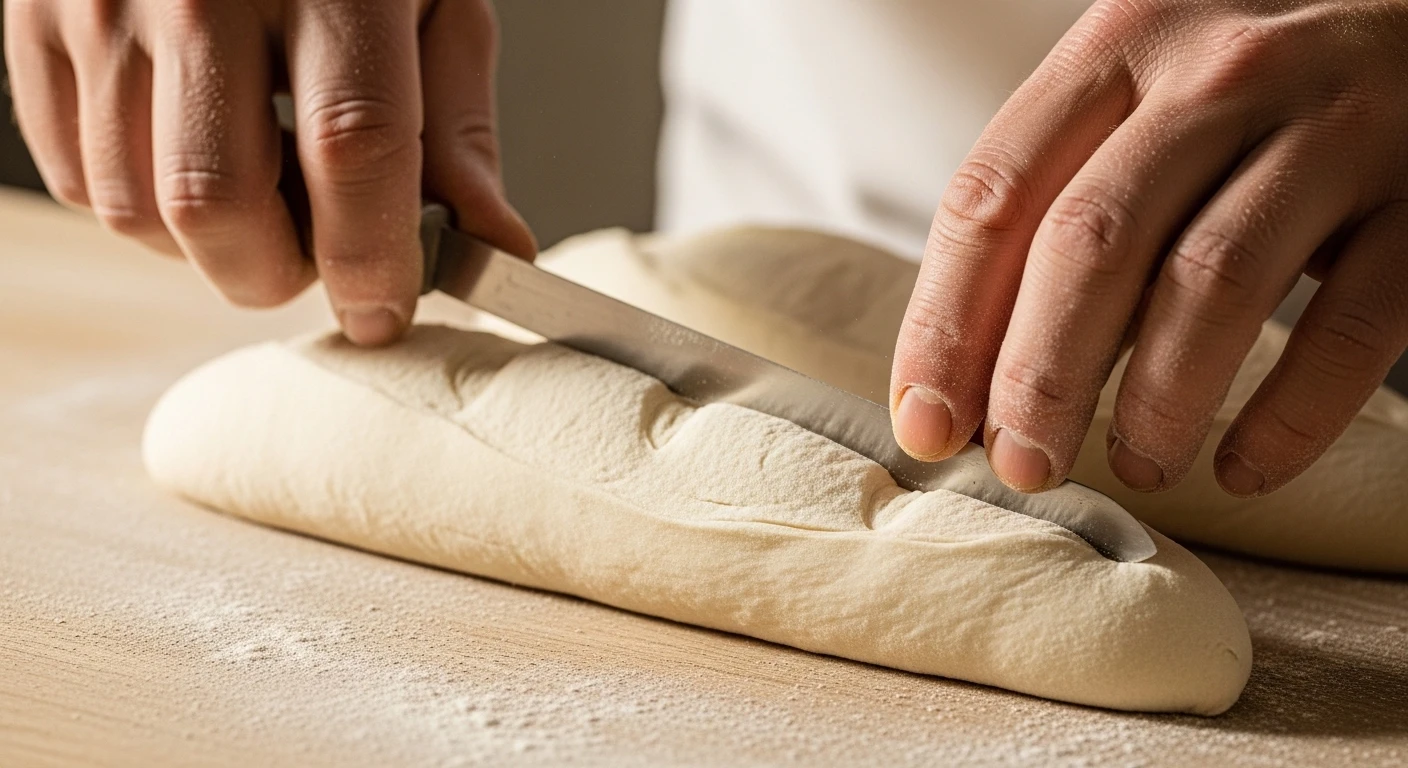
- Scoring is Crucial: Make quick, confident slashes with a lame or sharp knife just before baking. This guides the oven spring.
Filling the Void: The Art of the Banh Mi Sandwich
The perfect banh mi baguette is the vessel, but what it carries is equally vital. The interplay of textures and flavors is what makes this sandwich legendary. A typical banh mi is a symphony:
- The Spread: Often a generous layer of creamy pork liver pate (a classic for a reason!).
- The Protein: Grilled pork, Vietnamese ham (thit nguoi), or even savory meatballs.
- The Pickle: Crucial for balance – the bright, tangy crunch of Do Chua (pickled daikon and carrot).
- The Freshness: Crisp cucumber slices, fresh cilantro sprigs, and a kick of fresh chilies.
- The Sauce: A drizzle of Maggi seasoning or a touch of mayonnaise.
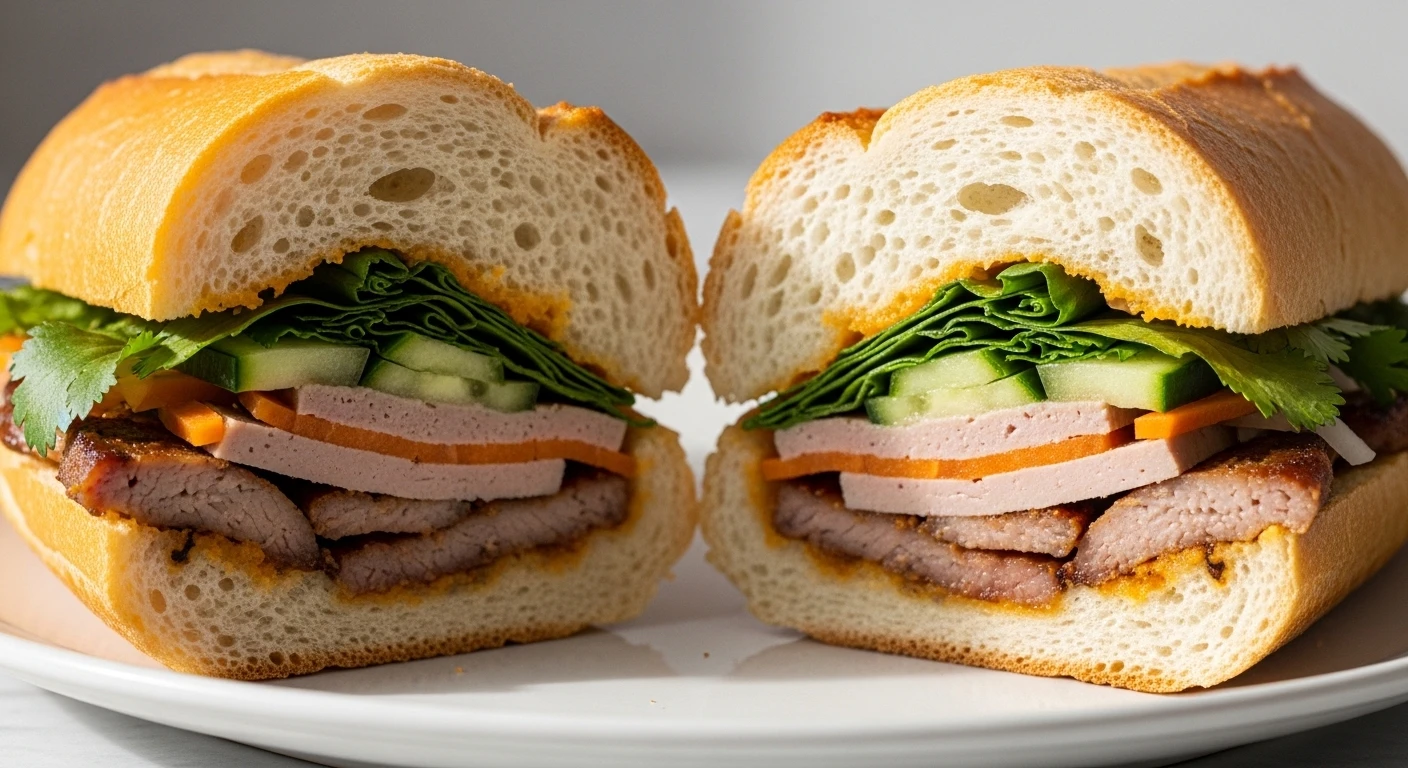
The airy baguette doesn't just hold these ingredients; it cradles them, its crisp exterior yielding to a soft interior that absorbs the savory juices without becoming a soggy mess. It’s a testament to ingenious engineering.
A Slice of Culture: Baking in Modern Vietnam
Baking banh mi baguettes is a daily ritual in Vietnam. From large bakeries that supply countless street vendors to small family-run shops, the hum of ovens is constant. It’s a trade passed down through generations, refined by instinct and experience. While modern ovens and mixers have streamlined processes, the core principles of achieving that perfect, airy crumb remain.
The baguette isn't just bread; it's a symbol of culinary adaptation and resourcefulness, a humble yet perfect vehicle for one of the world's most beloved sandwiches. It’s a quiet revolution in a loaf.
The Enduring Appeal of the Airy Crumb
The quest for the perfect banh mi baguette is a journey into the heart of Vietnamese ingenuity. It’s a reminder that sometimes, the most profound culinary achievements arise not from adding more, but from understanding how to take away – how to lighten, how to crisp, how to create an edible cloud. Whether you're a seasoned baker or simply a devoted banh mi enthusiast, understanding the science behind this seemingly simple loaf offers a new appreciation for every bite. The airy crumb, a testament to skill and adaptation, continues to define a nation’s favorite sandwich, one shatteringly crisp bite at a time.