The Soul of Vietnam: More Than Just Soup
In the grand tapestry of Vietnamese cuisine, Pho isn't just a dish; it's an institution. It's the comforting embrace on a cool Hanoi morning, the vibrant fuel for a bustling Saigon afternoon, and the nostalgic echo of home for every Vietnamese person. At its heart, the soul of Pho lies not in the noodles, nor the thinly sliced beef, but in the liquid gold that binds it all: the broth.
For decades, travelers have sought out the steaming bowls from street-side vendors, the humble family kitchens, and the famed Pho restaurants. They’ve marveled at the clarity, the depth of flavor, the intoxicating aroma. But the secret to that magic? It’s not about a single, elusive ingredient. It’s a symphony of time, patience, and time-honored technique. It’s a ritual that unfolds over many hours, a slow-simmering testament to the Vietnamese philosophy of making food with heart.
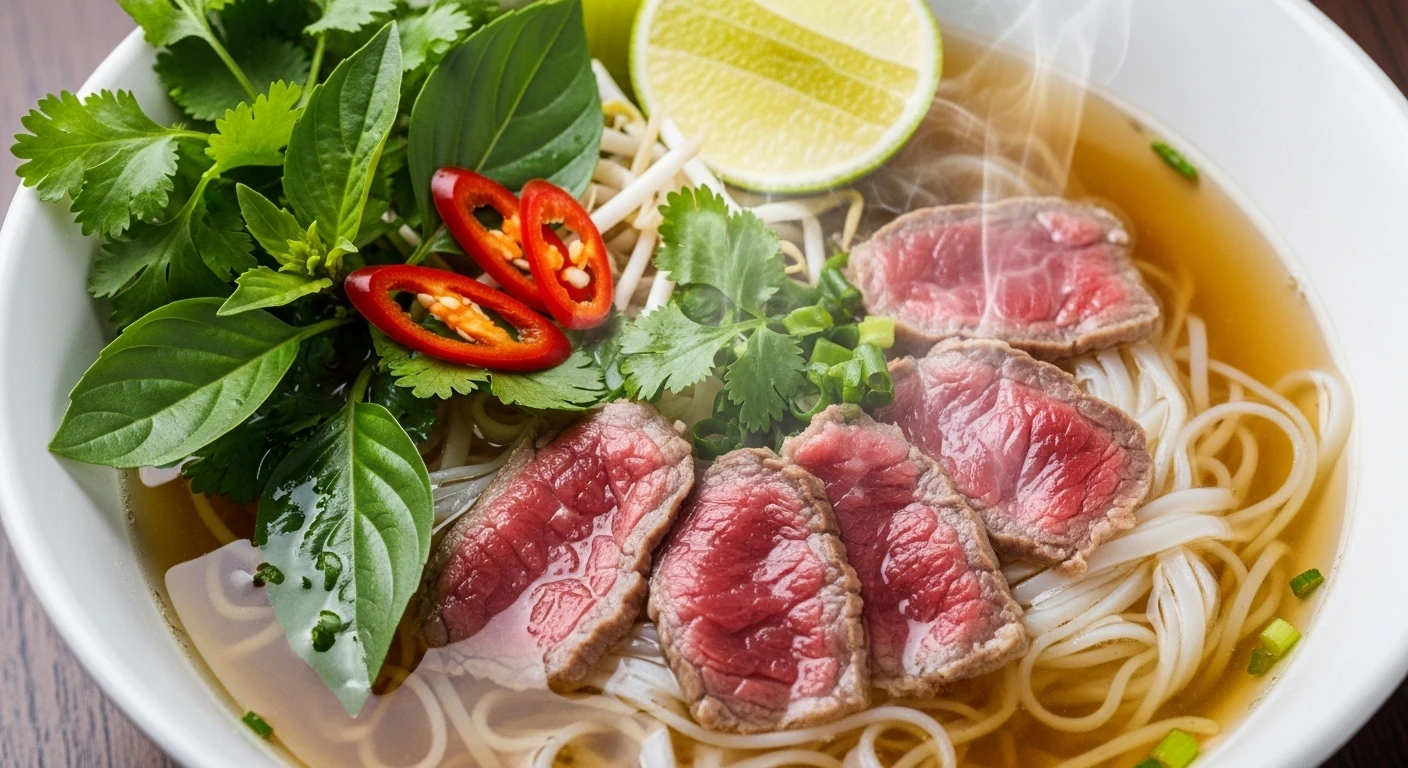
The legendary bowl of Pho: a testament to a well-crafted broth.
The Foundation: Choosing Your Bones
The bedrock of any great Pho broth is the beef. And specifically, the bones. This is where you lay the groundwork for richness and body. A blend is ideal, providing both gelatin and marrow.
For the absolute best result, aim for a combination of:
- Beef Marrow Bones: These are crucial for that signature silky texture and deep, savory flavor. Oxtails are fantastic here.
- Beef Knuckle/Joint Bones: These contribute collagen and gelatin, giving the broth its body.
- Beef Brisket or Shank (Optional but Recommended): A small piece of meaty bone-in cut like brisket or shank can add another layer of savory depth.
Aim for about 3-4 pounds of bones and meat. The quality of your bones will directly translate to the quality of your broth. Seek out a good butcher; they can often guide you to the best cuts for Pho.
The Charred Aromatics: The Secret Weapon
This is where the magic truly begins to happen, and where many home cooks falter by skipping this crucial step. Charring the aromatics unlocks their deepest, most complex flavors and adds a subtle smokiness that is quintessential to authentic Pho. Forget pre-packaged spice mixes; this is the real deal.
You'll need:
- Ginger: A large knob, about 4-5 inches, unpeeled.
- Onions: Two medium yellow or white onions, unpeeled.
How to char: This can be done directly over an open flame on a gas stove (carefully!), under a hot broiler, or even in a dry cast-iron skillet. You want the surfaces to become blackened and slightly blistered. This process takes about 15-20 minutes, turning them until they're nicely charred. Once done, let them cool slightly, then peel off the worst of the blackened skin (don't worry about getting every last bit) and give them a rough chop.
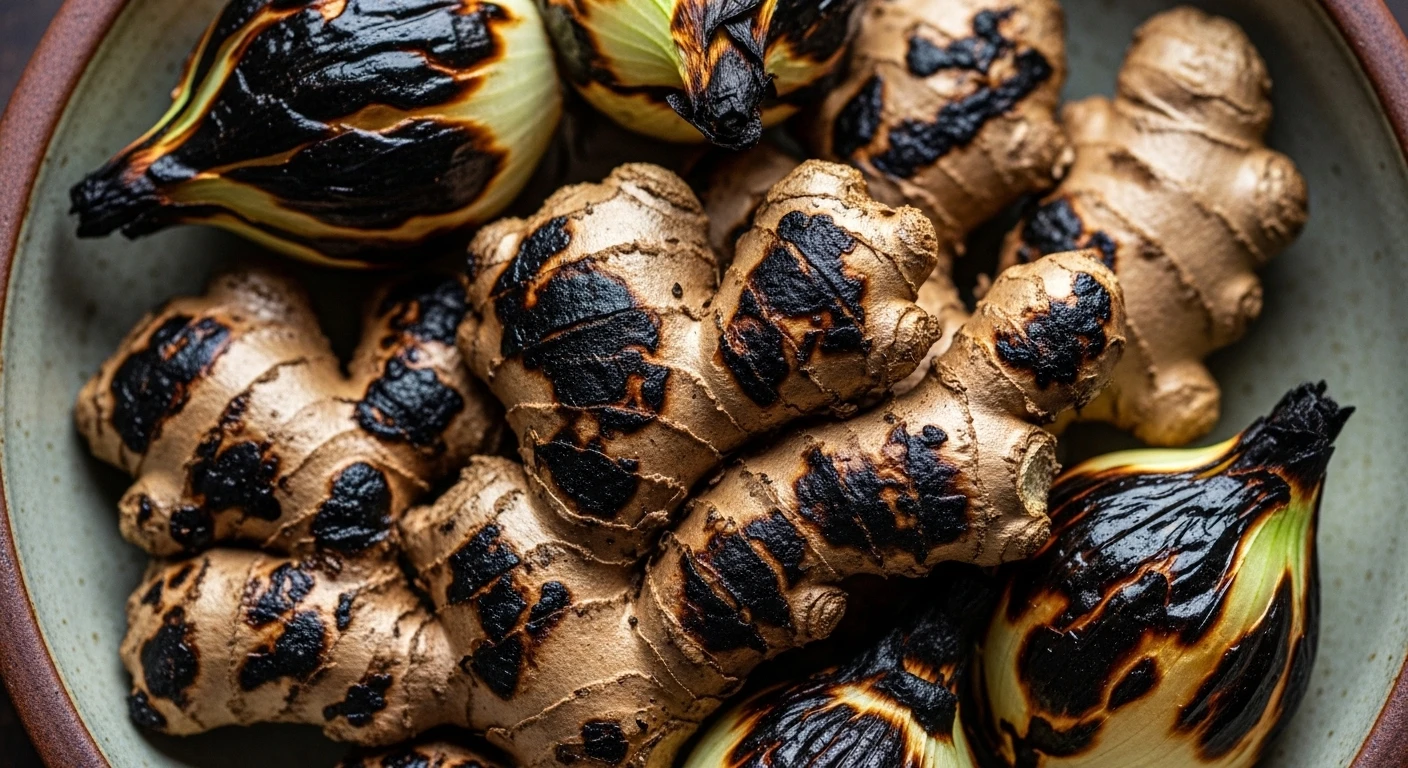
The deeply flavorful character of Pho broth begins with these charred aromatics.
The Spice Symphony
The other stars of the aromatic show are the spices. These are the elements that infuse the broth with that unmistakable warm, sweet, and fragrant complexity. Toasting them lightly before adding them to the pot awakens their essential oils and intensifies their perfume.
You'll need these whole spices:
- Star Anise: 4-5 whole pods. This is non-negotiable for authentic Pho.
- Cinnamon Sticks: 2-3 pieces (preferably Vietnamese or Ceylon cinnamon).
- Coriander Seeds: 1 tablespoon.
- Cloves: 5-6 whole cloves.
- Cardamom Pods: 2-3 green cardamom pods (optional, but adds a lovely nuance).
To toast: Place them in a dry skillet over medium-low heat for 2-3 minutes, stirring constantly, until fragrant. Be careful not to burn them. You can then place these toasted spices into a cheesecloth bag or a large tea infuser for easy removal later.
The Long Simmer: Patience is a Virtue
This is the core of the 24-hour secret – and it’s not literal. While a true Pho broth can take up to 24 hours, it’s primarily about the *quality* of simmering time, not just ticking clocks. You need enough time for the flavors to meld and the bones to release their goodness. A minimum of 6-8 hours is essential for a good broth, but 12-18 hours is where the magic truly happens. Many Vietnamese families will simmer it overnight.
The Process:
- Parboiling the Bones: Start by placing your bones (and optional meat) in a large stockpot. Cover with cold water and bring to a rolling boil for 10-15 minutes. This removes impurities and scummy bits that can cloud your broth. Drain the bones, rinse them thoroughly under cold water, and clean out the pot.
- The Main Simmer: Return the cleaned bones and meat to the clean pot. Add enough fresh cold water to cover everything by at least 2-3 inches (about 4-5 quarts). Add the charred ginger, onions, and your spice bag.
- Low and Slow: Bring the pot to a gentle simmer over medium heat. Once it begins to simmer, reduce the heat to the lowest possible setting. You want just a few bubbles rising to the surface, not a rolling boil, which will cloud the broth.
- Skim, Skim, Skim: This is paramount for a clear broth. Throughout the simmering process, use a fine-mesh skimmer or a large spoon to diligently skim off any foam, scum, or fat that rises to the surface. Do this frequently, especially in the first few hours.
- Seasoning: About 2-3 hours before you plan to finish, season the broth. This is crucial. You’ll need:
- Fish Sauce: Start with 1/4 cup, adding more to taste.
- Rock Sugar or Granulated Sugar: About 2 tablespoons (adjust to your sweetness preference).
- Salt: To taste.
- Doneness: The broth is ready when the bones have released their goodness and the meat is tender. The liquid should be a rich, golden-brown color with a wonderful aroma.
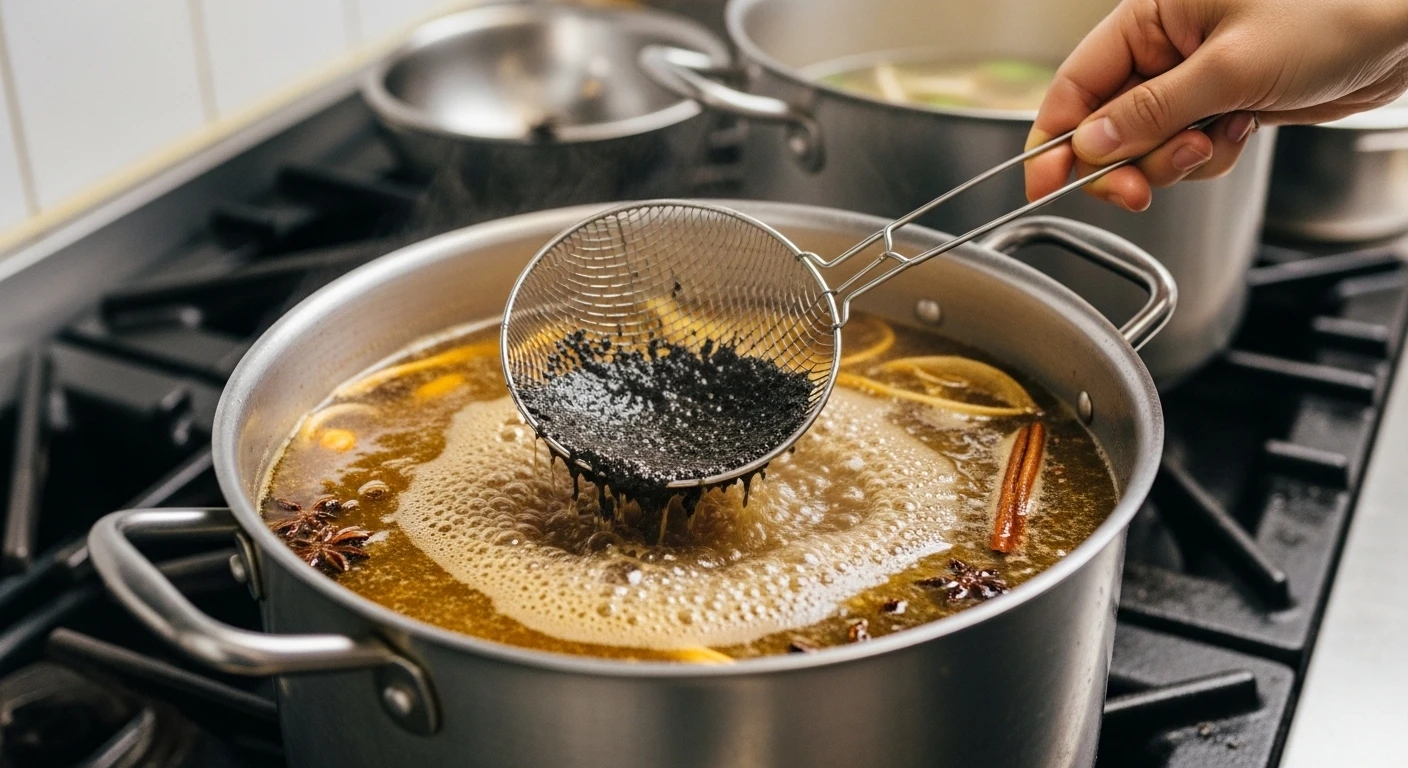
The gentle simmer and constant skimming are keys to a clear, flavorful Pho broth.
Strain and Refine
Once your broth has achieved its magical depth, it’s time to strain it. Carefully remove the large bones and meat. You can shred or slice the meat to serve in your Pho.
Strain the liquid through a fine-mesh sieve lined with cheesecloth (if you have it) into a clean pot or large heatproof container. This final straining step ensures a pristine, crystal-clear broth, free of any small particles. Discard the solids from the straining process.
At this point, taste and adjust the seasoning one last time. Does it need a pinch more salt? A touch more fish sauce? A hint of sugar? Your palate is the ultimate judge.
Serving Your Masterpiece
The broth is ready, the work is done. Now for the reward.
To assemble your Pho:
- Prepare Noodles: Cook fresh rice noodles (banh pho) according to package directions.
- Assemble Bowls: Place a generous portion of noodles in each serving bowl.
- Add Meat: Arrange your cooked beef slices, shredded brisket, or any other desired protein over the noodles.
- The Pour: Ladle the piping hot broth over the noodles and meat. The steam should rise, carrying that incredible aroma.
- Garnish: Serve immediately with a platter of fresh garnishes: fresh cilantro, Thai basil, mint, bean sprouts, sliced chilies, lime wedges, and perhaps some thinly sliced raw onion. A dash of Hoisin sauce and Sriracha are common additions on the side for personal customization.
A Note on Regional Variations
While this recipe provides the foundation for a classic Pho Bo (beef Pho), understand that Vietnam is a land of diverse culinary traditions.
Northern Pho (Pho Bac), particularly from Hanoi, tends to be simpler and more focused on the pure beef broth. It's often served with just green onions, cilantro, and thinly sliced raw beef.
Southern Pho (Pho Nam), often found in Ho Chi Minh City and surrounding areas, is typically richer, sometimes a bit sweeter, and always served with a generous array of fresh herbs, bean sprouts, and condiments, allowing diners to customize their bowl extensively. The broth might also include slightly more spices or a sweeter profile.
This recipe leans towards the Southern style in its aromatic complexity, but the core technique remains the same – a testament to the universal pursuit of flavor.
Beyond the Bowl: The Culture of Pho
Making Pho broth is more than just a cooking task; it’s an immersion into Vietnamese culinary culture. It’s about respecting ingredients, dedicating time, and understanding that true flavor often requires patience.
The communal aspect of sharing Pho, the ritual of dipping rice paper rolls into Nuoc Cham, or the comforting embrace of a hearty noodle soup like Bun Rieu Cua, all speak to a cuisine that values depth, balance, and family.
For those who love exploring Vietnamese flavors, the journey doesn't stop at Pho. Consider the delicate artistry of Banh Cuon or the satisfying crunch of Cha Gio. Each dish offers a unique window into this vibrant culinary landscape.
Your 24-Hour Pho Journey Awaits
While the "24-hour" moniker might seem daunting, it’s a testament to the depth of flavor achieved through slow, deliberate cooking. Start your Pho broth journey today. Embrace the process, savor the aromas that will fill your home, and prepare to taste a bowl of Pho that rivals any you've had on the streets of Vietnam. It’s more than just a recipe; it’s an act of love, a culinary adventure, and a direct connection to the heart of Vietnamese culture.
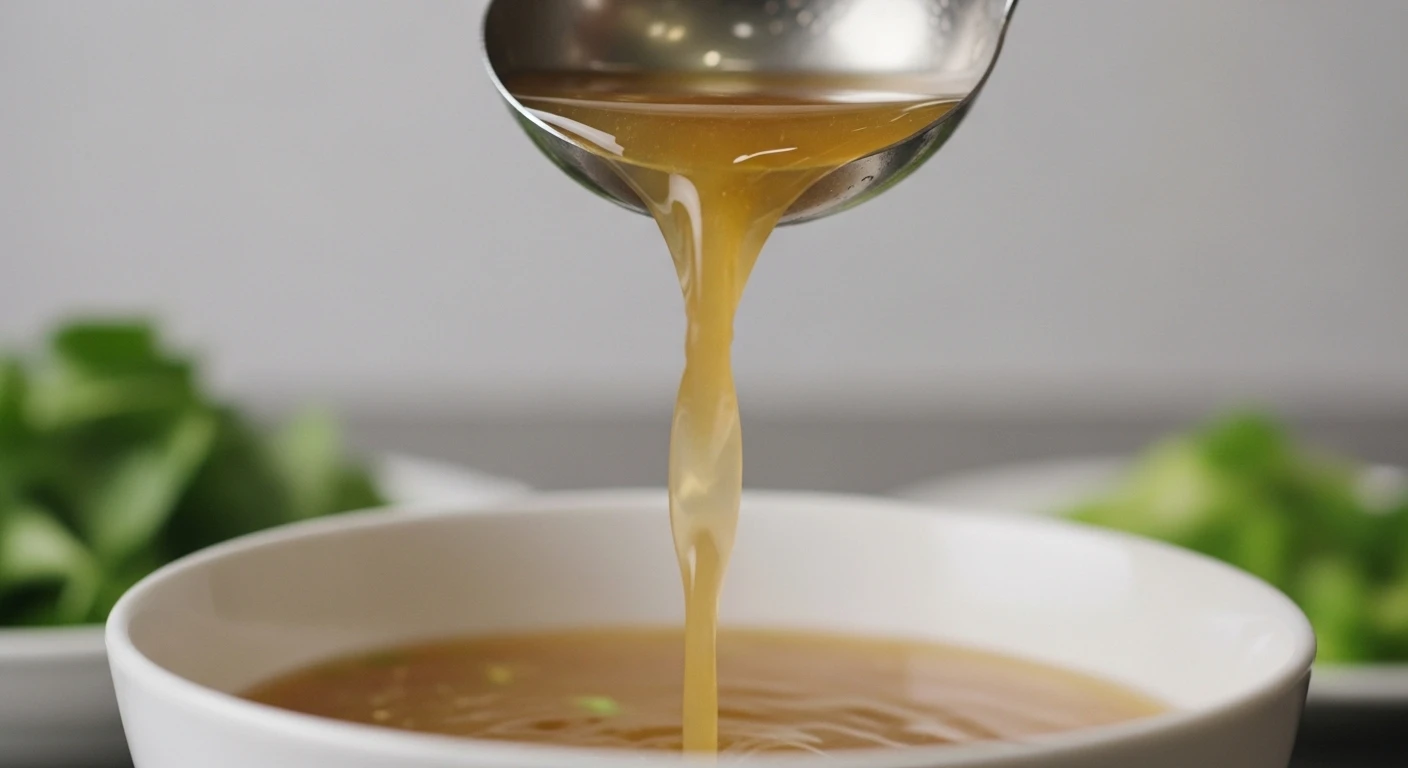
The final pour: the culmination of hours of patient simmering.