The Unmistakable Aroma of Home
As the Lunar New Year, or Tết, approaches in Vietnam, a distinct scent begins to permeate homes across the country. It’s the rich, comforting aroma of Thit Kho Tau – braised pork belly and eggs, cooked to an almost impossibly tender perfection in a dark, sweet caramel sauce. This isn't just a dish; it's the olfactory ambassador of Tết, a culinary anchor that connects generations. For families far from home, the memory of this dish is a potent link to their roots, and for those preparing it, it’s an act of love steeped in tradition.
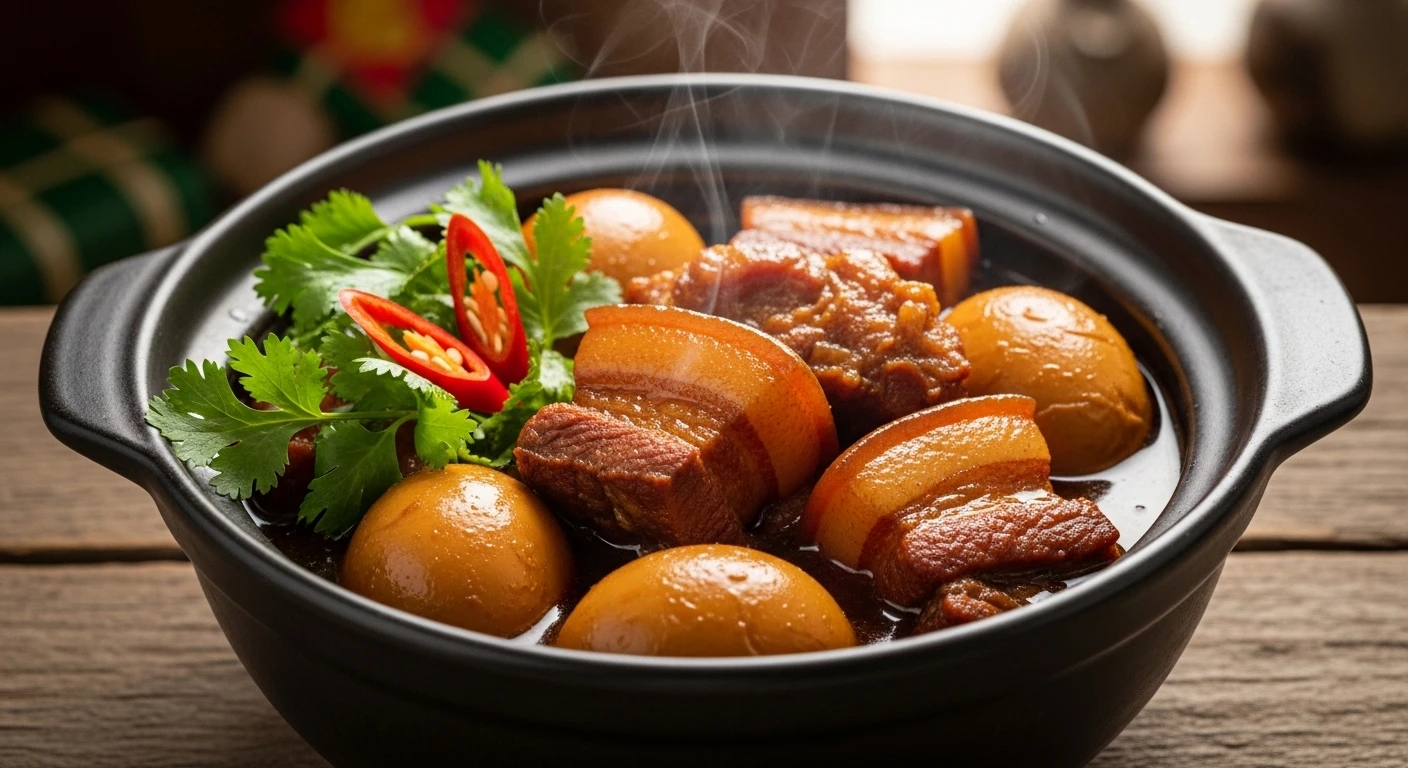
A bubbling pot of Thit Kho Tau, the soul of a Tet feast.
This dish, often translated as "caramelized pork and eggs," is deceptively simple in its ingredient list but profound in its execution. The magic lies in the slow braise, transforming humble pork belly and eggs into something truly extraordinary. It's a dish meant to be cooked in advance, allowing flavors to meld and deepen, making it ideal for the celebratory period when families gather and hospitality is paramount.
More Than Just Food: Symbols of Prosperity and Family
In Vietnamese culture, food often carries deep symbolic meaning, especially during Tết. Thit Kho Tau is no exception. The rich, dark color of the caramel sauce symbolizes wealth and prosperity, a wish for good fortune in the coming year. The pork belly, with its layers of fat and meat, represents abundance. And the hard-boiled eggs, often dyed red (a color of luck), signify completeness and the cyclical nature of life.
This dish is a communal effort, often prepared by grandmothers and mothers, passing down their techniques and stories to younger generations. The large pot simmering on the stove becomes a focal point, not just for cooking, but for family connection. It’s typically served with a generous portion of steamed white rice, which is essential for soaking up the intensely flavorful sauce. It’s also a common accompaniment to dưa hành (pickled young onions) or củ kiệu (pickled small leeks), providing a bright, acidic contrast to the richness of the pork.
Quality Begins with the Basics
While Thit Kho Tau might seem straightforward, the quality of your ingredients will profoundly impact the final dish.
Pork Belly
This is the star. Opt for pork belly with a good balance of meat and fat. Look for pork that’s fresh, with a firm texture and a pale pink color. Some families prefer skin-on for extra gelatinous goodness. Cut it into generous, bite-sized pieces – about 1.5 to 2 inches thick. This size ensures it stays moist and tender throughout the long braise.
Eggs
Chicken eggs are standard. You'll hard-boil them, peel them, and then let them absorb the flavors of the braising liquid. For a more traditional Tết presentation, you can boil them with a few slices of beet or a touch of food coloring to achieve a festive red hue.
The Liquid Gold: Caramel and Coconut Water
The sauce is where the magic happens.
- Caramel Sauce (Nước Màu): This is crucial for both color and a deep, complex sweetness. You can buy pre-made caramel sauce from Asian markets, or make it yourself by slowly heating sugar until it turns a rich amber-brown, then carefully adding hot water. Be cautious; hot caramel can be dangerous.
- Fresh Coconut Water: This is the traditional braising liquid. It adds a subtle natural sweetness and helps tenderize the pork beautifully. Avoid sweetened coconut milk; pure coconut water is key.
- Fish Sauce (Nước Mắm): The backbone of Vietnamese savory cooking. Use a good quality, aromatic fish sauce.
- Garlic and Shallots: Essential aromatics for depth.
Patience is a Virtue (and Delicious)
The cooking process for Thit Kho Tau is a lesson in slow, deliberate flavor development. It's not a dish you rush.
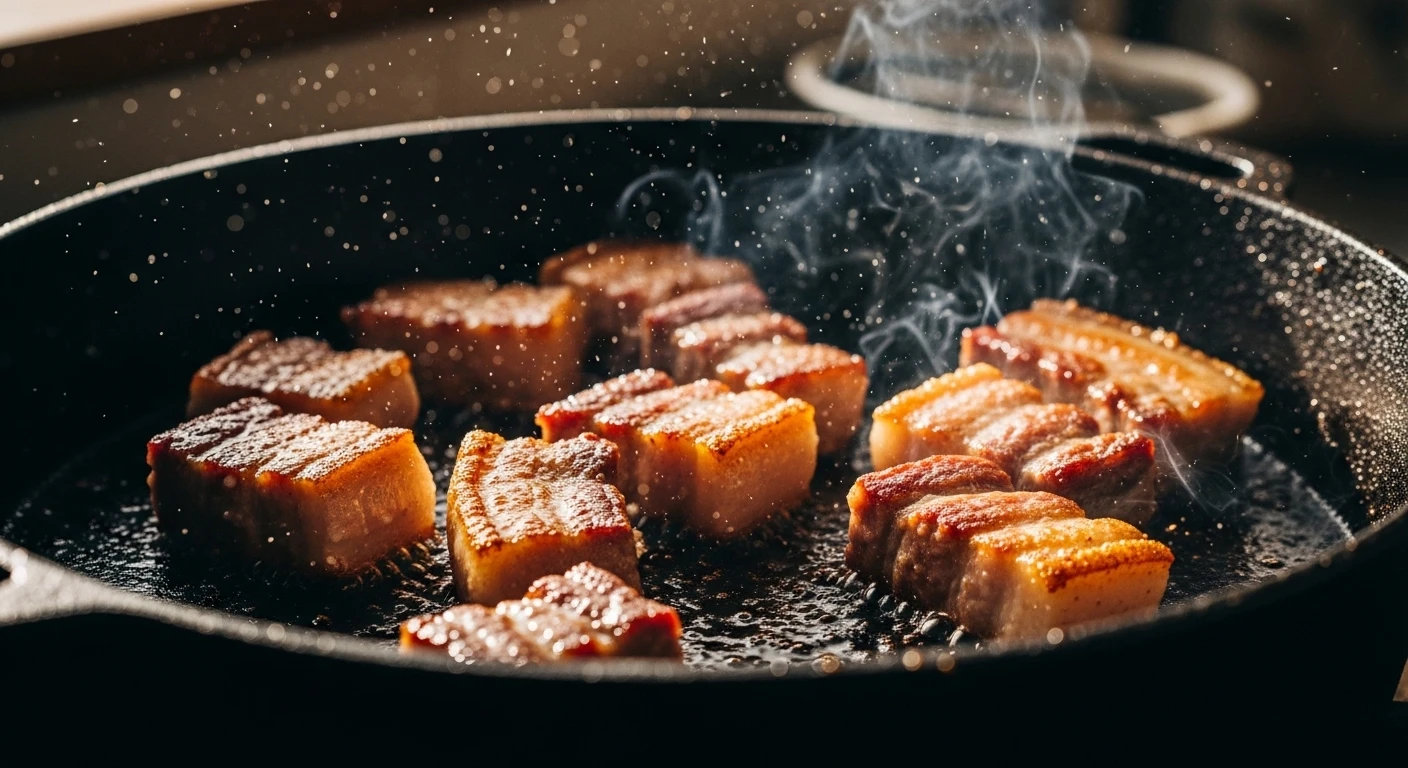
Step 1: Prepare the Pork. Start by marinating the pork belly pieces with a little fish sauce, pepper, and perhaps some minced garlic and shallots. This initial seasoning lays the groundwork for flavor. Some people like to quickly sear the pork pieces in a hot pot to render some fat and give them a head start on browning.
Step 2: Build the Caramel. If making your own caramel, do this first with great care. Once you have your dark caramel, add your aromatics (minced garlic and shallots) to the pot and sauté briefly.
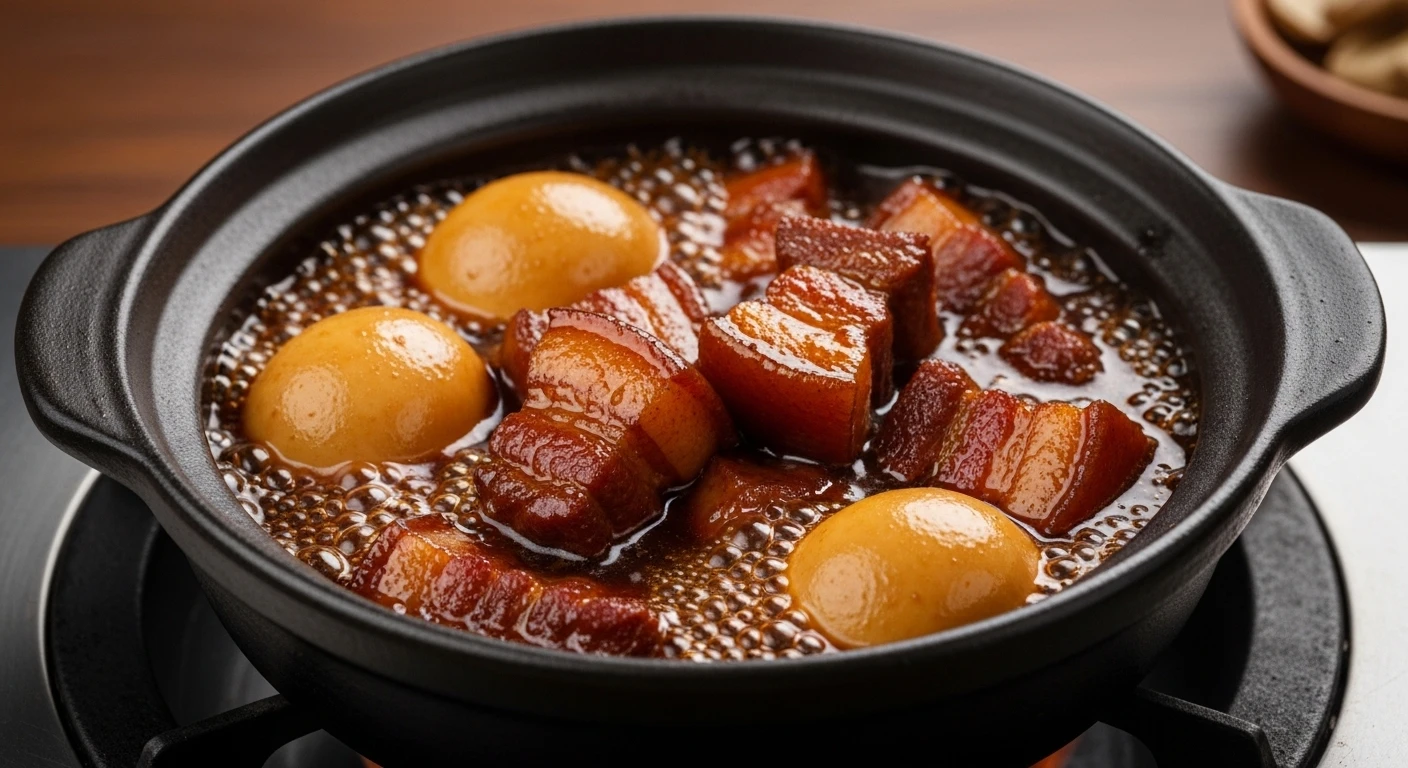
Step 3: Combine and Braise. Add the pork pieces to the pot with the caramel and aromatics. Stir well to coat. Pour in the fresh coconut water and enough additional water (or sometimes a bit of chicken broth) to almost cover the pork. Add a generous amount of good quality fish sauce. Bring the mixture to a boil, then reduce the heat to a low simmer.
Step 4: The Long Simmer. Cover the pot tightly and let it simmer gently for at least 1.5 to 2 hours, or even longer. The goal is for the pork to become incredibly tender, almost melting in your mouth. During this time, the eggs are added. Some people add them partway through so they absorb the maximum flavor, while others add them towards the end. The braising liquid should reduce and thicken into a rich, glossy sauce. Taste and adjust seasoning towards the end – more fish sauce for saltiness, or a touch of sugar if it’s not sweet enough.
A Symphony with Rice
Thit Kho Tau is never eaten alone. Its rich, savory-sweetness demands a perfect counterpoint.
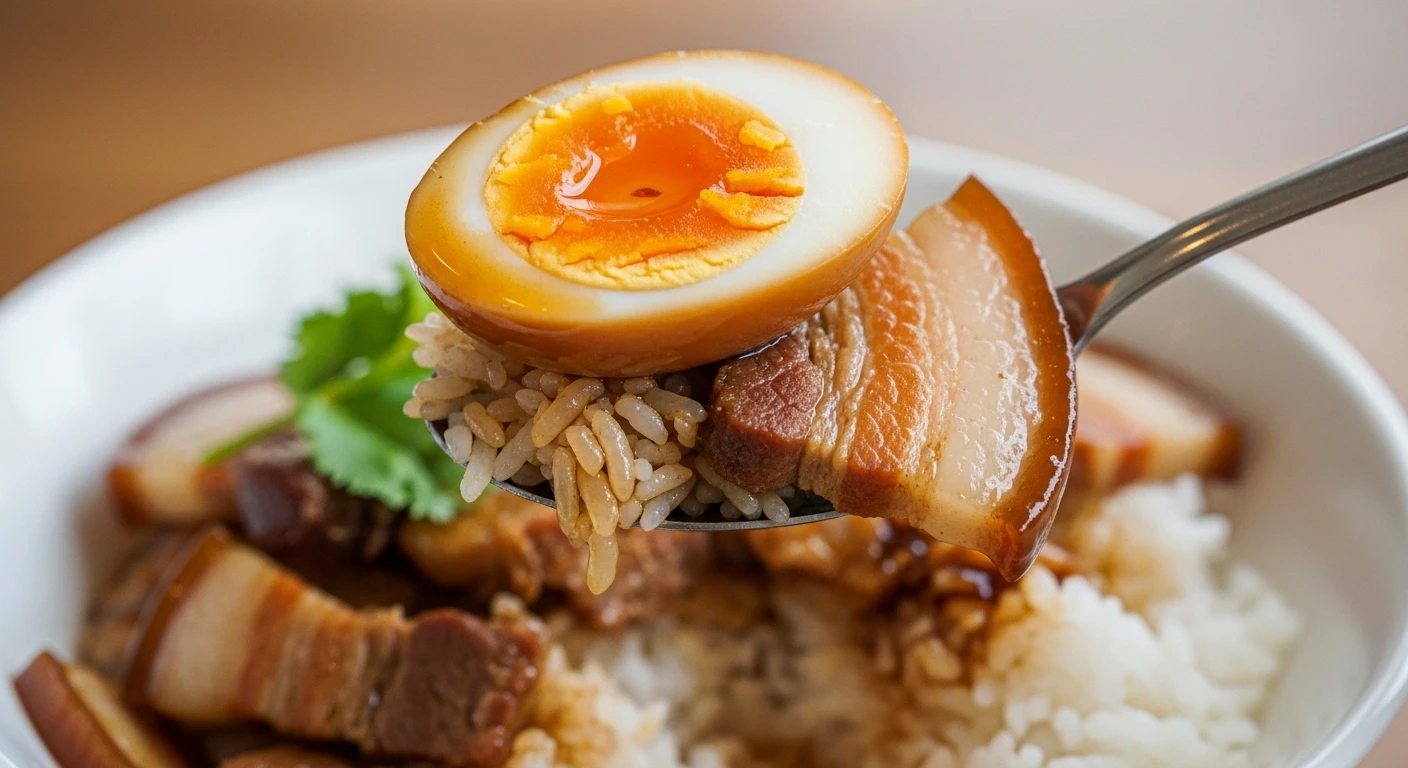
The essential pairing is, of course, hot, steamed white rice. The fluffy grains are the perfect vehicle to carry the intensely flavored sauce and tender pork. Each spoonful is a harmonious blend of textures and tastes.
Beyond rice, traditional accompaniments are key to balancing the dish:
- Pickled Young Onions (Dưa Hành): These small, fermented onions offer a sharp, tangy, and slightly pungent contrast that cuts through the richness of the pork.
- Pickled Small Leeks (Củ Kiệu): Similar to pickled onions but with a slightly different texture and flavor profile, these are also a classic pairing.
- Fresh Herbs: Sometimes, a few sprigs of fresh cilantro or green onions are added for garnish and a touch of freshness.
The beauty of Thit Kho Tau is that it often tastes even better the next day, as the flavors continue to deepen and meld. This makes it perfect for preparing ahead of time during the busy Tết period.
Kitchen Wisdom for a Perfect Pot
Even with a well-written recipe, a few common mistakes can derail your Thit Kho Tau. Here’s how to avoid them.
- The Caramel is Too Dark: If your caramel burns, it will turn bitter. Watch it closely and aim for a deep amber, not black. If making your own, be ready to add hot water immediately to stop the cooking process.
- Pork is Tough: This is usually due to insufficient braising time. Don't be afraid to let it simmer for 2-3 hours, or even longer if needed, over very low heat.
- Sauce is Too Thin: If the sauce hasn't reduced enough by the end, you can remove the pork and eggs, then increase the heat slightly to boil the sauce down to your desired consistency.
- Not Enough Saltiness: Fish sauce is key. Don't be shy with it, and always taste and adjust at the end. The sweetness needs a solid savory foundation.
- Using Sweetened Coconut Milk: Stick to plain, unsweetened coconut water. Too much sweetness from the milk will overpower the dish.
Pro Tip: For an even richer flavor, some families will first boil the pork belly in plain water for about 15-20 minutes to remove impurities and some excess fat, then drain and proceed with the caramelization and braising steps.
A Year-Round Comfort
While Thit Kho Tau is undeniably the king of Tết tables, its appeal extends far beyond the holiday. Its deeply comforting, savory-sweet profile makes it a welcome addition to any Vietnamese home-style meal. It’s the kind of dish that warms you from the inside out, perfect for a cool evening or when you simply crave a taste of home.
You'll find variations across different regions of Vietnam. In the South, it's often sweeter and richer with more coconut water. In the North, it might be slightly less sweet and feature more warming spices or a bit more pepper. Regardless of the subtle regional tweaks, the essence remains the same: tender pork, savory-sweet caramel, and a connection to tradition.
Embark on Your Culinary Adventure
Making Thit Kho Tau for the first time might seem daunting, but it’s a rewarding experience. The aroma that fills your kitchen as it simmers is an invitation to explore Vietnamese home cooking. Don't be afraid to experiment with the balance of sweet and savory – that's part of what makes this dish so personal for every family.

Discover More Tet Traditions
Complement your Thit Kho Tau with other festive dishes! Explore the symbolic "Canh Kho Qua: Stuffed Bitter Melon Soup for Good Luck," another essential part of a traditional Tết meal, designed to usher out the old year's troubles.
Read the RecipeWhether you're preparing it for Tết or simply want to experience a profound piece of Vietnamese culinary heritage, Thit Kho Tau offers a journey into comfort, tradition, and unforgettable flavor. It's a dish that whispers stories of family, celebration, and the enduring warmth of home.
Explore More Vietnamese Delights

Beyond the Belly: Caramelized Pork Ribs
If you loved the rich caramelization of Thit Kho Tau, you’ll adore "Suon Ram Man: Salty-Sweet Caramelized Pork Ribs." It’s another masterclass in slow-cooked pork that falls off the bone, infused with savory fish sauce and a hint of sweetness.
Discover Suon Ram Man
Surf and Turf Fusion
For another take on caramelized pork belly, delve into "Tom Rang Thit Ba Chi: Caramelized Pork Belly and Shrimp." This delightful dish offers a savory surf-and-turf combination, perfect for a hearty meal.
Explore Pork & Shrimp