Beyond the Omelet: Vietnam's Golden Sensation
Forget everything you think you know about crepes. Banh Xeo, a cornerstone of Vietnamese street food culture, is a dish that demands respect – and the right technique. It’s not an omelet, nor is it a French crêpe. It’s something entirely different: a vibrant, turmeric-infused rice flour crepe, impossibly thin and designed for one singular purpose: to achieve a shatteringly crisp texture. The name itself, "Banh Xeo," is an onomatopoeia, mimicking the "sizzle" sound the batter makes when it hits a blazing hot pan.
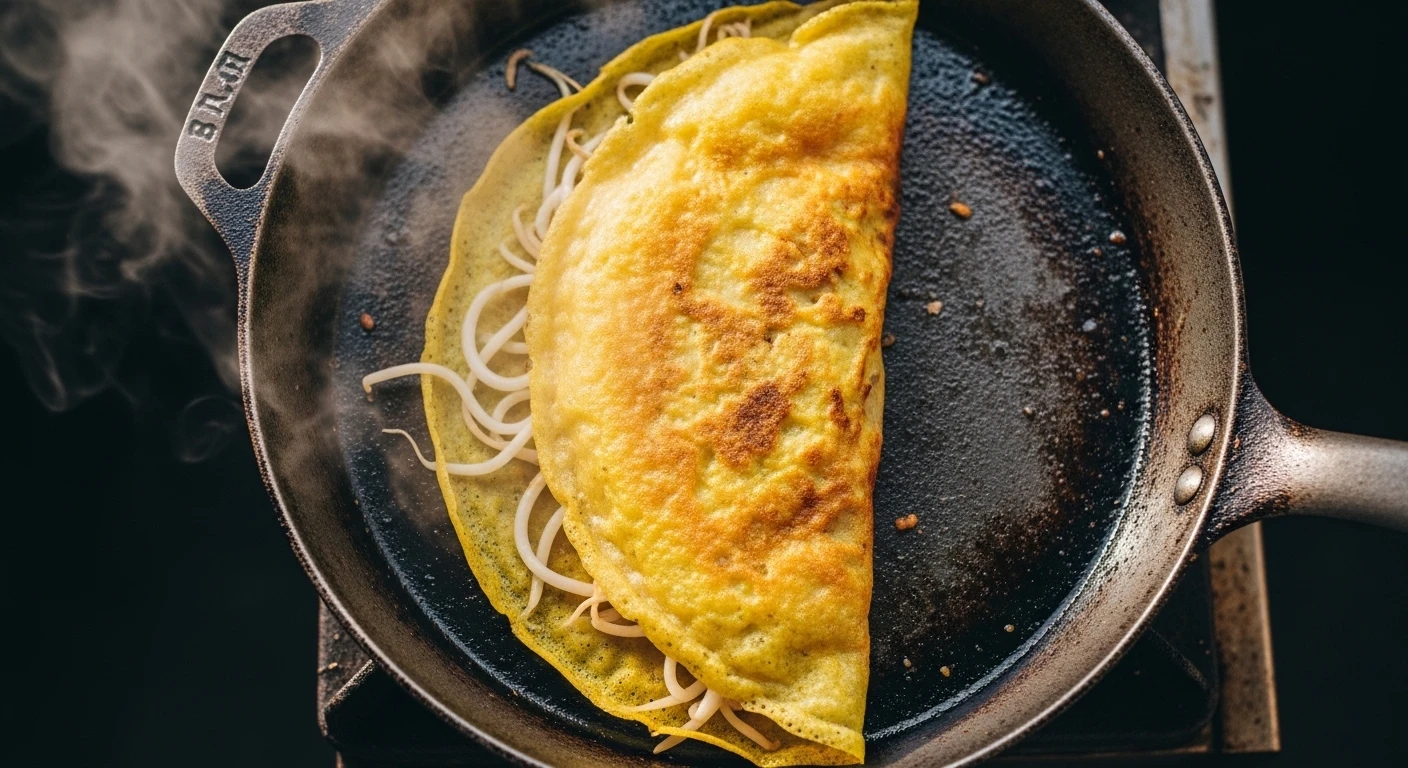
The irresistible allure of a perfectly golden Banh Xeo, captured mid-sizzle.
From the bustling sidewalks of Ho Chi Minh City to the serene riverbanks of the Mekong Delta, Banh Xeo is a ubiquitous delight. It’s a dish that speaks of warmth, community, and the sheer joy of simple, perfectly executed ingredients. But achieving that elusive crispness at home can feel like chasing a culinary ghost. Many aspiring home cooks find their Banh Xeo ends up soggy, thick, or falling apart. The secret, as with many great Vietnamese dishes, lies in a few fundamental principles: the batter, the heat, and the technique.
The Alchemy of Batter: More Than Just Flour and Water
The foundation of any great Banh Xeo is its batter. While the core ingredients are simple – rice flour, water, and a touch of turmeric for that signature golden hue – the exact proportions and additions make all the difference. The goal is a batter that’s thin enough to spread into a delicate crepe but substantial enough to hold its shape.
Rice Flour is Key: Forget all-purpose flour. True Banh Xeo relies on rice flour, which provides the crispness and delicate chew. Some recipes incorporate a small amount of cornstarch or tapioca starch for added crispiness, but pure rice flour is traditional and effective.
The Liquid Ratio: This is where many go wrong. The batter should be thin, almost like heavy cream. Too thick, and you'll get a dense, gummy crepe. Too thin, and it won't hold together. A good starting point is a ratio of roughly 1 cup rice flour to 1.5 to 2 cups of liquid (water or coconut milk). Some Southern Banh Xeo recipes use coconut milk for a richer flavor and a slightly softer texture, while Northern variations often opt for water.
The Golden Hue: Turmeric powder is crucial not only for color but also for a subtle, earthy flavor that complements the other ingredients. Don't be shy with it – a generous teaspoon per cup of flour is a good benchmark.
A Pinch of Salt and Sugar: A small amount of salt enhances the flavors, and a pinch of sugar can aid in caramelization and crisping.
Resting is Crucial: For the best texture, let the batter rest for at least 30 minutes, or even better, an hour. This allows the rice flour to fully hydrate, resulting in a smoother batter and a crisper final product.
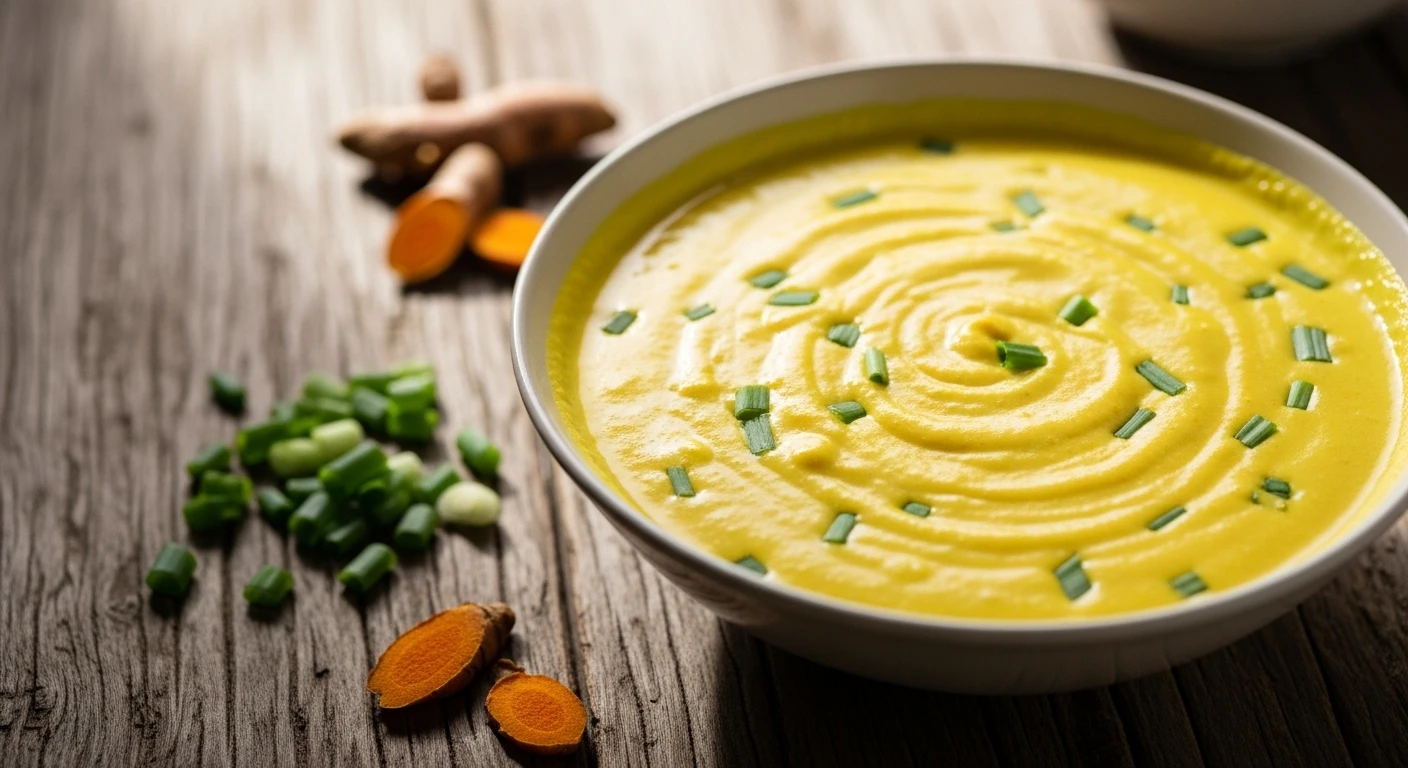
The perfect batter: golden, smooth, and ready to sizzle.
The Sizzle Secret: A Blazing Hot Pan is Non-Negotiable
This is arguably the most critical element. If your pan isn't hot enough, the batter will cook unevenly, resulting in a thick, chewy crepe rather than a delicate, crispy one. You need a pan that can handle and retain high heat.
The Right Pan: A well-seasoned cast-iron skillet or a good quality non-stick pan designed for high heat is your best bet. Traditional Banh Xeo is cooked in specialized, dimpled pans in Vietnam, but a regular skillet will work if you manage the heat.
Oil is Your Friend: Don't skimp on the oil. A generous amount of high-smoke-point oil (like canola, grapeseed, or peanut oil) is essential. It lubricates the pan, prevents sticking, and helps to achieve that glorious crispiness. Heat the oil until it’s shimmering and just starting to smoke.
The Pour and Swirl: Once the pan is screaming hot and oiled, ladle in a portion of the batter. Immediately swirl the pan to spread the batter thinly and evenly across the bottom, right up the sides. This thin layer is crucial for crispness. Work quickly; the batter will start to set almost instantly.
The Sizzle and Flip: Listen for the characteristic "xeo" sound. Let it cook undisturbed for a minute or two until the edges start to lift and turn golden brown. This is where the magic happens. Then, add your fillings (more on that later) and carefully fold the crepe in half using a spatula.
Flavor Bombs: What Goes Inside
While the crepe itself is divine, it's the fillings that transform Banh Xeo into a substantial meal. The classic southern Vietnamese Banh Xeo often features a medley of savory ingredients.
- Protein: Thinly sliced pork belly or pork shoulder, and small, plump shrimp are traditional. Some recipes also incorporate chicken.
- Aromatics: Finely minced shallots and garlic are sautéed with the meat and shrimp, releasing an irresistible aroma.
- Vegetables: Fresh bean sprouts are an absolute must, adding a delightful crunch and freshness.
- Herbs: Chopped green onions and sometimes cilantro are added to the batter or sprinkled over the fillings just before folding.
These ingredients are typically stir-fried briefly before being added to the crepe, ensuring they are cooked through and seasoned perfectly. The goal is to create a balanced flavor profile – savory, slightly sweet, and aromatic – that complements the crispy crepe.
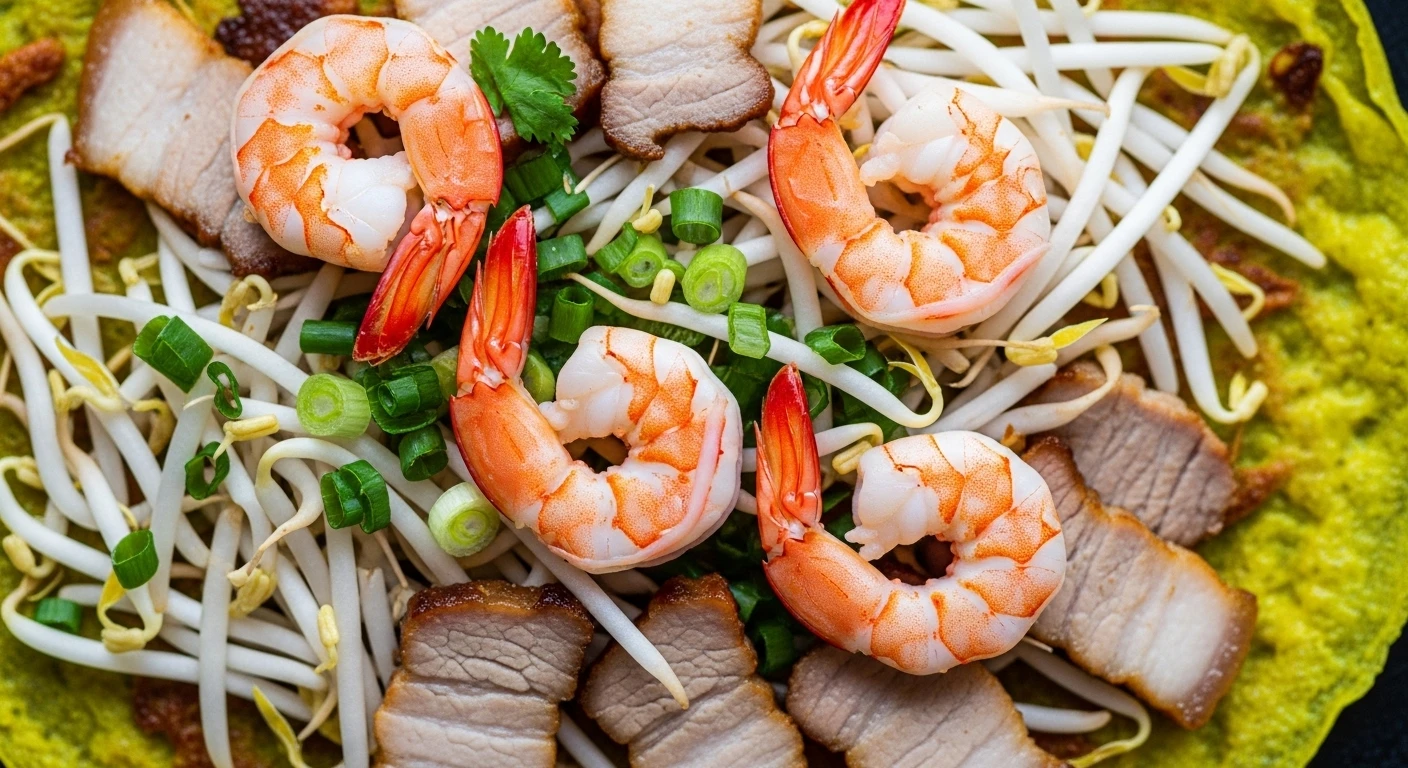
The treasure within: a flavorful mix of shrimp, pork, and crisp bean sprouts.
The Grand Finale: How to Eat It
Eating Banh Xeo is an interactive experience. It’s not meant to be eaten with a fork and knife like a Western crepe.
The Wrap: Traditionally, you tear off a piece of the crispy crepe, place it on a large lettuce leaf or a rice paper wrapper, add fresh herbs like mint and Thai basil, and then dip the whole package into the accompanying dipping sauce.
The Dipping Sauce: This is typically Nuoc Cham – a vibrant fish sauce-based concoction with garlic, chili, lime juice, and sugar. It provides the perfect balance of sweet, sour, salty, and spicy to cut through the richness of the crepe and fillings.
The Experience: It’s a delightful interplay of textures and flavors: the crisp crunch of the crepe, the tender fillings, the freshness of the herbs, and the punchy sauce. It's messy, it's communal, and it's utterly delicious.
A Tale of Two Crepes: Northern Charm vs. Southern Sizzle
Banh Xeo isn't monolithic. Like many Vietnamese dishes, it has regional interpretations, each with its own character.
Southern Banh Xeo (Nam Bộ)
This is the version most commonly found and often imagined.
- Size: Larger, often cooked in a wider pan.
- Batter: Typically includes coconut milk for richness and a more tender texture.
- Fillings: Generous portions of pork, shrimp, and abundant bean sprouts.
- Accompaniments: Served with a wide array of fresh herbs and crisp lettuce for wrapping.
Central Banh Xeo (Miền Trung)
A more refined, often crunchier version.
- Size: Smaller, often resembling mini pancakes, cooked in individual molds or smaller pans.
- Batter: Primarily water-based, aiming for maximum crispiness.
- Fillings: Tends to be more focused, often featuring smaller shrimp and pork, with bean sprouts integrated into the batter itself.
- Accompaniments: May come with a slightly different, sometimes spicier, dipping sauce.
Explore More Vietnamese Crispy Delights:
Banh Xeo Mien Trung: The Central Style Crispy Mini-CrepePro Secrets: Elevating Your Banh Xeo Game
Want to achieve that elusive restaurant-quality crisp? Here are a few insider tips:
- Don't Overcrowd the Pan: Cook one Banh Xeo at a time. Overcrowding drops the pan temperature and leads to steaming rather than frying.
- Add Bean Sprouts to the Batter: For Central-style Banh Xeo, adding a handful of bean sprouts directly to the batter before pouring helps them cook into the crepe and adds another layer of texture.
- Use Oil Sparingly BUT Effectively: A good swirl of oil is needed, but too much will make it greasy. Ensure the oil is hot before adding batter.
- The Fold is Key: Once folded, press down gently with your spatula for a few seconds to ensure the inner layers also crisp up.
- Serve Immediately: Banh Xeo is best enjoyed the moment it comes off the pan. Its crispness is fleeting.
Bringing the Streets to Your Kitchen
Recreating Banh Xeo at home is more than just a recipe; it’s about capturing the spirit of Vietnamese street food. It’s the sound of sizzling woks, the aroma of garlic and turmeric, and the communal joy of sharing a meal. While the specialized pans and extreme heat of a Vietnamese street vendor might be hard to replicate exactly, the principles remain the same.
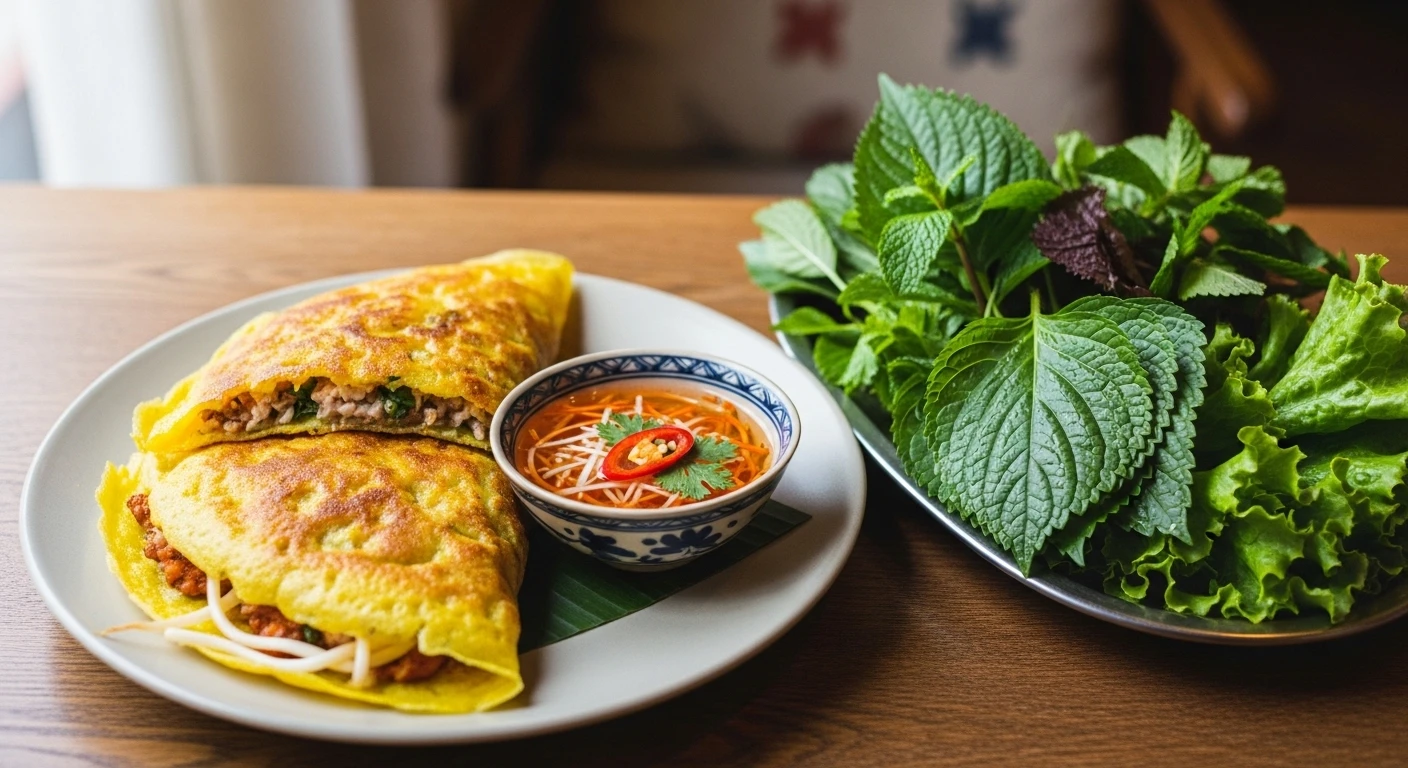
The reward: a perfectly golden Banh Xeo, ready to be savored.
The key is patience with the batter, confidence with the heat, and a willingness to practice. Don't be disheartened if your first attempt isn't perfect. Each crepe you make will bring you closer to that ideal crispness. Think of it as a delicious culinary journey, a way to connect with Vietnamese culture one sizzle at a time.
A Crispy Pantheon: Vietnam's Crunchy Delights
Banh Xeo is a testament to Vietnam's mastery of crispy textures. But the love for crunch extends far beyond this iconic crepe. If you find yourself captivated by the satisfying shatter of Banh Xeo, you'll surely want to explore other Vietnamese treasures designed for maximum crunch.
Discover More Crispy Vietnamese Delicacies:
Legendary Layers: The Story of Muoi Xiem's Banh Xeo
Sometimes, a single dish can elevate a humble street vendor to international fame. That's the story of Banh Xeo Muoi Xiem. Originating from the Mekong Delta, the southernmost region of Vietnam, Muoi Xiem's Banh Xeo became legendary for its sheer size and unparalleled crispiness.
This isn't your average crepe; it's a massive, golden disc, packed generously with pork, shrimp, and a mountain of bean sprouts. The secret? A fiercely hot pan, a specific batter consistency, and a masterful technique honed over years. Muoi Xiem’s dedication to the craft, particularly her ability to achieve that signature crackle that could be heard from down the street, brought her Banh Xeo to a food festival in the US, where it gained a cult following and cemented its status as a must-try Vietnamese delicacy.
While you might not be able to replicate the sheer scale of Muoi Xiem's creation at home, her story is an inspiration. It underscores that with the right ingredients, heat, and a whole lot of heart, you can achieve truly extraordinary results. Her success highlights the power of mastering a single dish and sharing its authentic flavors with the world.
A Mekong Delta Sensation:
Banh Xeo Muoi Xiem: The Master of the Southern Sizzling CrepeThe Sizzle That Lingers
Banh Xeo is more than just a dish; it’s an experience. It’s the satisfying crunch that echoes the vibrant streets of Vietnam, the golden hue that speaks of sunshine and flavor, and the communal joy of sharing. Mastering the art of the crispy crepe at home is a rewarding endeavor, a culinary adventure that connects you directly to the heart of Vietnamese cuisine. So, gather your ingredients, crank up the heat, and prepare to be amazed by the simple brilliance of this turmeric-kissed, sizzling sensation. The secrets are out – now it’s your turn to make your own Banh Xeo sing.