The Humble Roll That Conquered the World
In the bustling street markets of Hanoi, the shaded alleys of Ho Chi Minh City, or the serene Mekong Delta, a culinary marvel consistently draws a crowd: Goi Cuon, the Vietnamese fresh spring roll. It's a dish that transcends simple sustenance, embodying the vibrant spirit of Vietnamese cuisine – fresh, healthy, and bursting with flavor. Forget the heavy, fried versions; this is the real deal – a translucent rice paper parcel holding a symphony of textures and tastes.
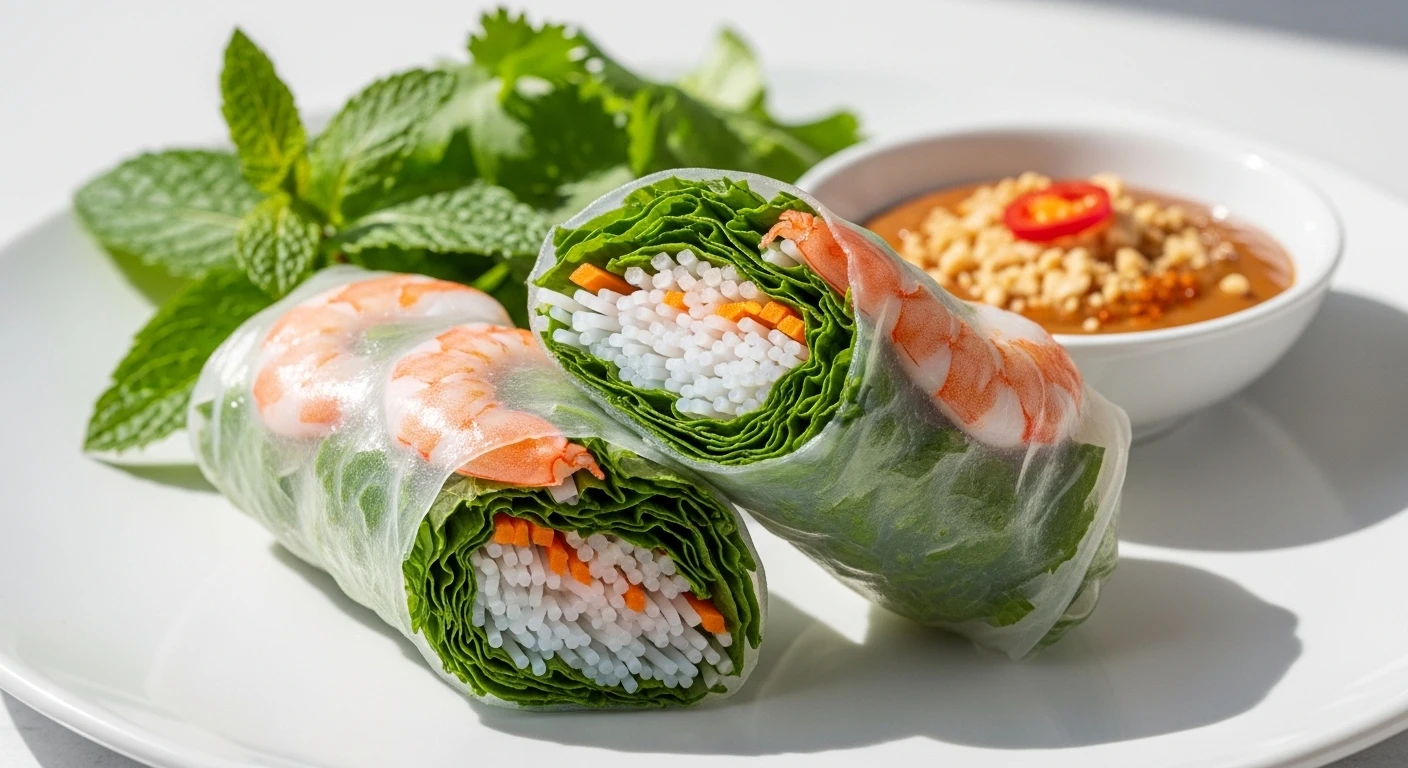
For decades, I’ve chased down the perfect Goi Cuon, from roadside stalls to family kitchens. Each has its subtle variation, a secret herb, a specific way of slicing the pork, a particular dunk of peanut sauce. It’s this personal touch, combined with a fundamental understanding of fresh ingredients, that makes mastering Goi Cuon so rewarding. This isn't just a recipe; it's an invitation to participate in a culinary tradition that’s both ancient and vibrantly modern.
The Anatomy of a Masterpiece: Key Components
The magic of Goi Cuon lies in its carefully chosen ingredients, each playing a crucial role in the final masterpiece. It’s a delicate balance, a dance of flavors and textures that requires attention to detail.
- The Rice Paper (Banh Trang): The unsung hero. Look for brands specifically made for fresh spring rolls; they are thin, pliable when moistened, and achieve a beautiful translucency. Brands like Three Ladies (Ba Mien) or Lotus are widely available and reliable.
- The Protein: Traditionally, it’s a combination of tender, thinly sliced boiled pork (often pork belly for richness) and plump, cooked shrimp. The quality of the protein dictates the roll’s depth.
- The Noodles (Bun): Fine rice vermicelli, cooked until al dente, provide a soft, chewy base that absorbs the subtle flavors of the broth and herbs.
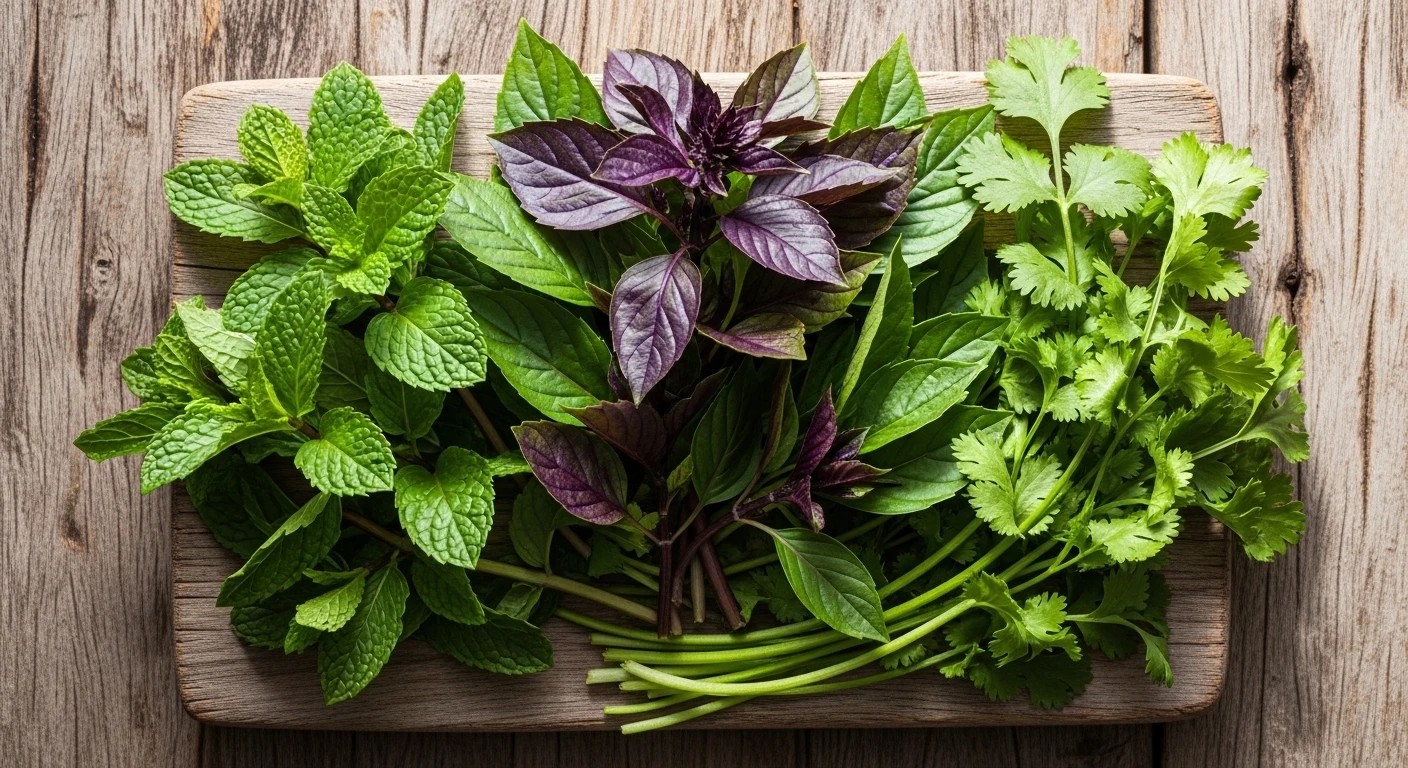
- The Herbs: This is where the soul of Goi Cuon resides. A generous heap of fresh mint, Thai basil, cilantro, and sometimes Vietnamese balm (kinh gioi) or perilla leaves are essential for that characteristic refreshing, aromatic punch. Don’t skimp here – the more, the merrier.
- Other Additions: Sometimes, finely shredded lettuce adds an extra layer of crunch, and some recipes call for a sliver of garlic chives or even cucumber for added texture.
Mise en Place: Setting the Stage for Rolling Success
Like any great culinary endeavor, preparation is key. Take your time here; it makes the rolling process infinitely more enjoyable and successful.
- Cook the Pork: Bring a pot of water to a boil with a slice of ginger, a piece of star anise, and a pinch of salt. Add about 1 lb of pork belly or shoulder. Simmer gently for 20-25 minutes until cooked through. Remove, let cool slightly, then slice thinly against the grain.
- Cook the Shrimp: In the same poaching liquid (or fresh water), cook about ½ lb of medium-sized shrimp until they turn pink and opaque (about 2-3 minutes). Drain and let cool. If large, halve them lengthwise or slice in half.
- Cook the Vermicelli: Follow package directions to cook the rice vermicelli until al dente. Drain well and rinse under cold water to prevent sticking.
- Prep the Herbs: Wash and thoroughly dry all your fresh herbs. Gently pluck the leaves from the stems. Keep them organized.
- Prepare the Rice Paper: Have a shallow dish or wide bowl filled with warm water ready. Have your rolling surface prepared – a clean, dry countertop or a large cutting board.
The Art of the Roll: Precision and Patience
This is where the magic happens. It might take a few tries to get the hang of it, but don't be discouraged. Embrace the process!
- Moisten the Rice Paper: Dip one sheet of rice paper into the warm water for about 10-15 seconds, just until it becomes pliable. Don't over-soak, or it will tear. Lay it flat on your rolling surface.
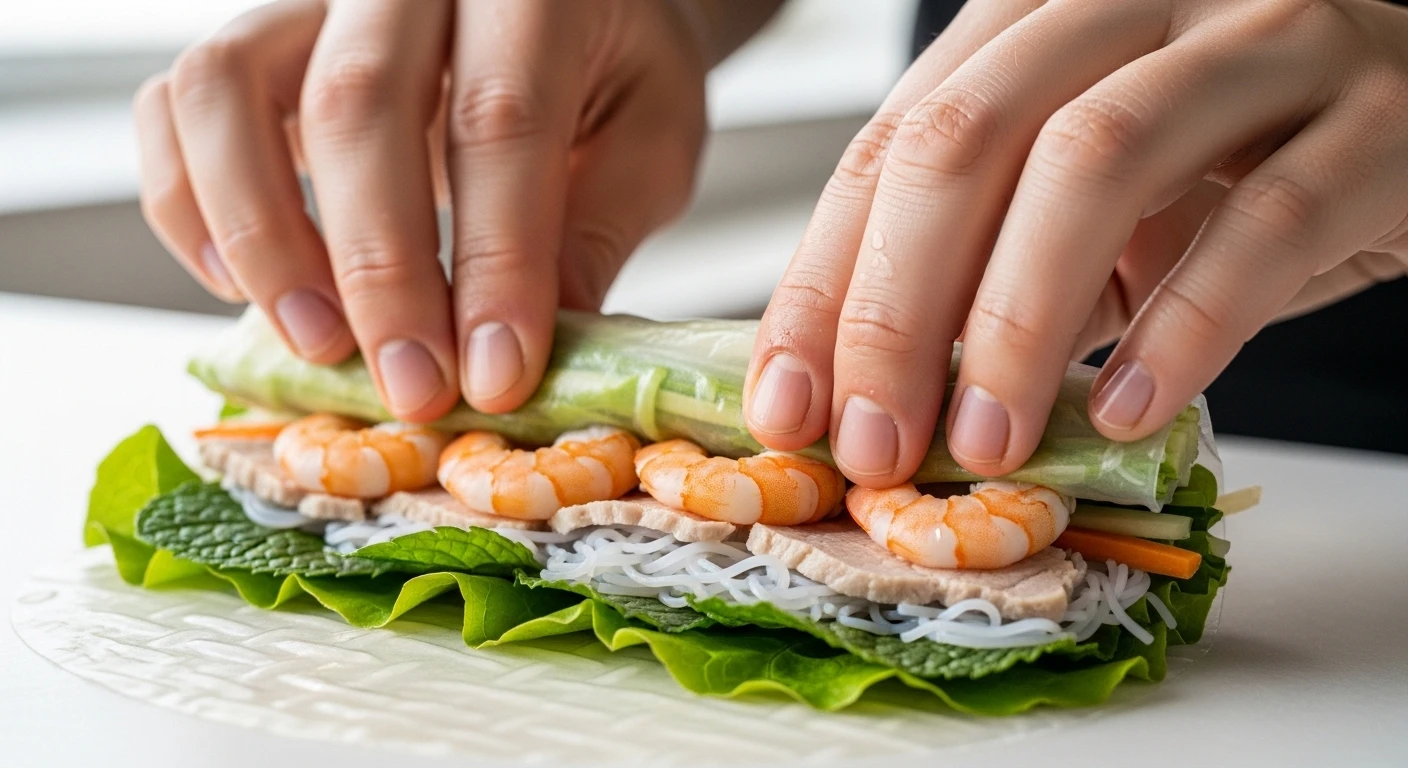
- Layer the Ingredients: About one-third of the way up from the edge closest to you, arrange your ingredients in a neat line. Start with a few sprigs of herbs, then a small bundle of vermicelli, followed by a few slices of pork, and finally, 2-3 shrimp positioned lengthwise so they’ll be visible on the outside of the roll. You can add a leaf of lettuce here too.
- The First Fold: Fold the bottom edge of the rice paper up and over the filling, tucking it in snugly.
- The Sides: Fold the left and right sides of the rice paper inward, enclosing the filling. This creates a neat package.
- The Final Roll: Starting from the bottom edge again, tightly roll the entire package upwards, tucking as you go. The rice paper’s natural stickiness will seal the roll. The goal is a firm, compact roll with the shrimp and herbs peeking attractively from the sides.
Pro Tip: If your rice paper tears, don't fret. Just use a second piece to wrap around the torn section, or use it as a base layer for another roll. Practice makes perfect!
The Soulmate: Essential Dipping Sauces
A Goi Cuon is only as good as its dipping sauce. The two most classic pairings are a rich, savory peanut sauce and a bright, tangy fish sauce dip.
Classic Peanut Sauce
This is the stuff of dreams, a creamy, slightly sweet, and nutty concoction that perfectly complements the fresh ingredients.
- Sauté minced garlic in a little oil until fragrant.
- Add 1/4 cup creamy peanut butter and stir until smooth.
- Whisk in 2 tbsp hoisin sauce, 1 tbsp fish sauce, 1 tbsp rice vinegar, 1 tsp sugar, and about 1/2 cup warm water (or coconut milk for extra richness) until the sauce reaches your desired consistency.
- Simmer gently for a few minutes until slightly thickened. Garnish with crushed peanuts and a swirl of chili garlic sauce if desired.
Nuoc Cham (Fish Sauce Dip)
A lighter, zippier option, this fish sauce dip is a staple in Vietnamese households.
- Combine 2 tbsp fish sauce, 2 tbsp lime juice, 1 tbsp sugar, and 1 tbsp rice vinegar.
- Add 1/4 cup warm water and stir until sugar is dissolved.
- Stir in finely minced garlic and chili peppers to taste.
Beyond the Classic: Customizing Your Goi Cuon
While the pork and shrimp combination is iconic, Goi Cuon is incredibly versatile. Feel free to adapt it to your preferences.
- Vegetarian/Vegan: Skip the pork and shrimp. Use pan-fried tofu, tempeh, or marinated mushrooms for protein. Ensure your peanut sauce is vegan-friendly (check hoisin ingredients).
- Seafood Lover: Swap pork for crab meat or add squid rings alongside shrimp.
- Spice It Up: Add thinly sliced jalapeños or a drizzle of sriracha into the roll or the dipping sauce for an extra kick.
- Make Ahead: You can prepare all the components in advance, but roll the Goi Cuon just before serving to prevent the rice paper from becoming too soft or sticky.
A Guilt-Free Delight: The Nutritional Powerhouse
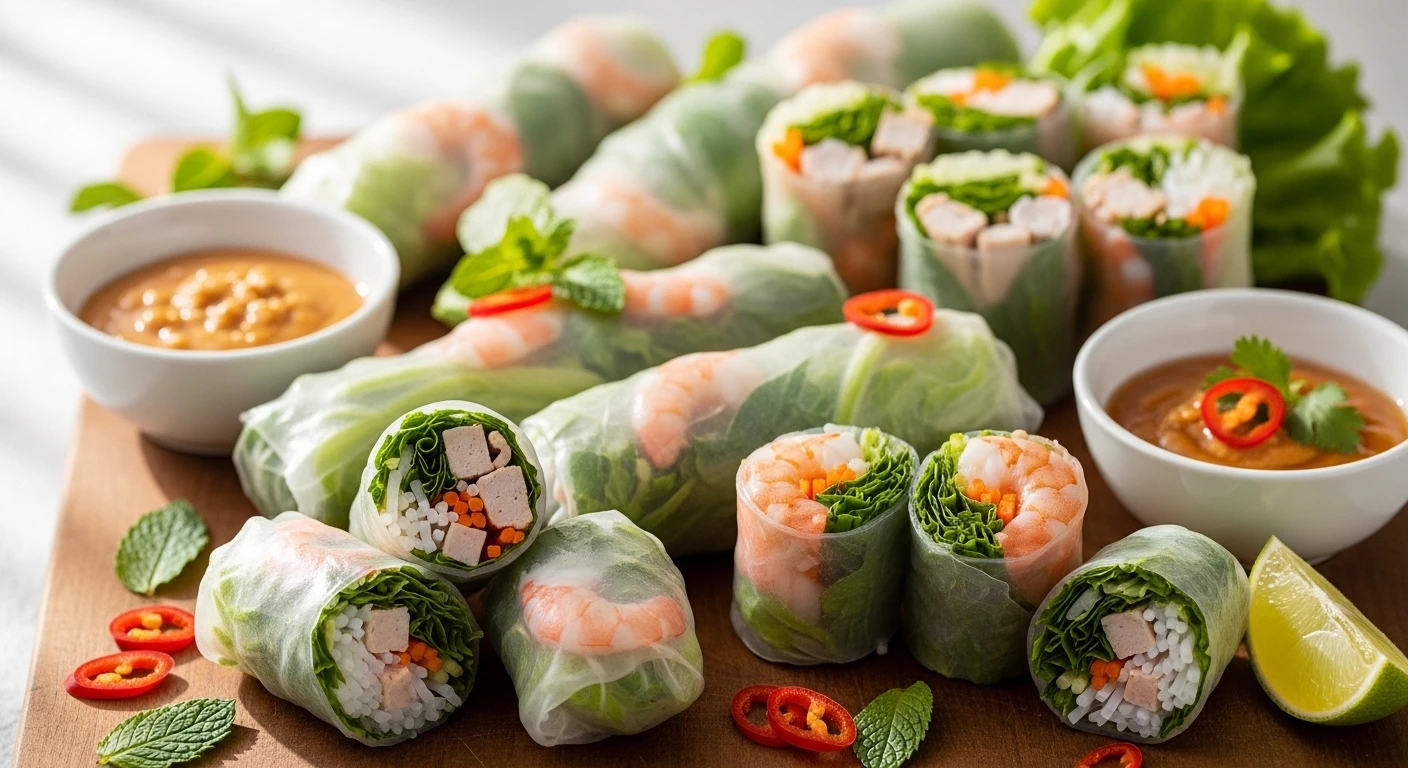
In a world obsessed with diets, Goi Cuon stands tall as a genuinely healthy and satisfying choice. It’s a masterclass in balanced eating, proving that delicious food can also be incredibly good for you.
Packed with lean protein from the pork and shrimp, essential vitamins and minerals from the generous amounts of fresh herbs and vegetables, and complex carbohydrates from the rice vermicelli, these rolls offer a complete nutritional profile without the heaviness of fried foods. The minimal use of oil and the emphasis on raw ingredients mean you're getting pure, unadulterated goodness. It’s the perfect appetizer or light meal that leaves you feeling energized, not weighed down.
More Than a Meal: A Culinary Connection
Making Goi Cuon is more than just following a recipe; it's an act of love, a way to connect with Vietnamese culture and share something truly special with friends and family. It's the kind of dish that becomes a centerpiece for gatherings, where everyone pitches in to prepare their own rolls, laughing and sharing stories.
The simple elegance of the translucent wrap, the vibrant peek of green herbs, the plump shrimp peeking out – it's a beautiful presentation that speaks of freshness and care. It’s a reminder that some of the most profound culinary experiences come from the freshest ingredients, prepared with intention and shared with joy.
Want to explore more Vietnamese staples?
Discover the secrets behind another iconic Vietnamese dish:
The Golden Crunch: Mastering Authentic Vietnamese Fried Spring Rolls (Cha Gio)Your Turn to Roll
So there you have it – the art of making Vietnamese fresh spring rolls, Goi Cuon. It’s a journey from simple ingredients to an extraordinary dish. Armed with this guide, you can recreate this Vietnamese classic in your own kitchen, bringing a taste of Southeast Asia to your table. Don't be afraid to experiment, to personalize, and most importantly, to enjoy the vibrant, fresh flavors. Roll on!