The Shadow of Pho: A Nation's Culinary Icon
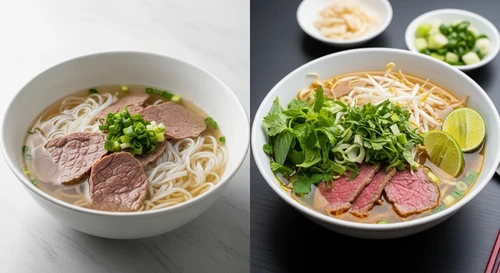
When the world thinks of Vietnamese noodle soup, one name invariably springs to mind: Pho. That delicate, star anise-kissed broth, the slippery rice noodles, the fragrant basil and lime – it’s a global ambassador, a comforting culinary hug. And it deserves its fame. But Vietnam, much like its labyrinthine rivers, has layers upon layers of flavor waiting to be discovered. And in the heart of Central Vietnam, particularly in the ancient capital of Hue, a more robust, fiery, and unapologetically complex soup reigns supreme.
This is Bun Bo Hue. It’s not just another soup; it’s a culinary declaration. A dish that demands attention, that lingers on the palate, and that, for many locals, embodies the true spirit of Vietnamese regional cuisine. It’s a testament to the island nation’s knack for turning simple ingredients into symphonies of taste.
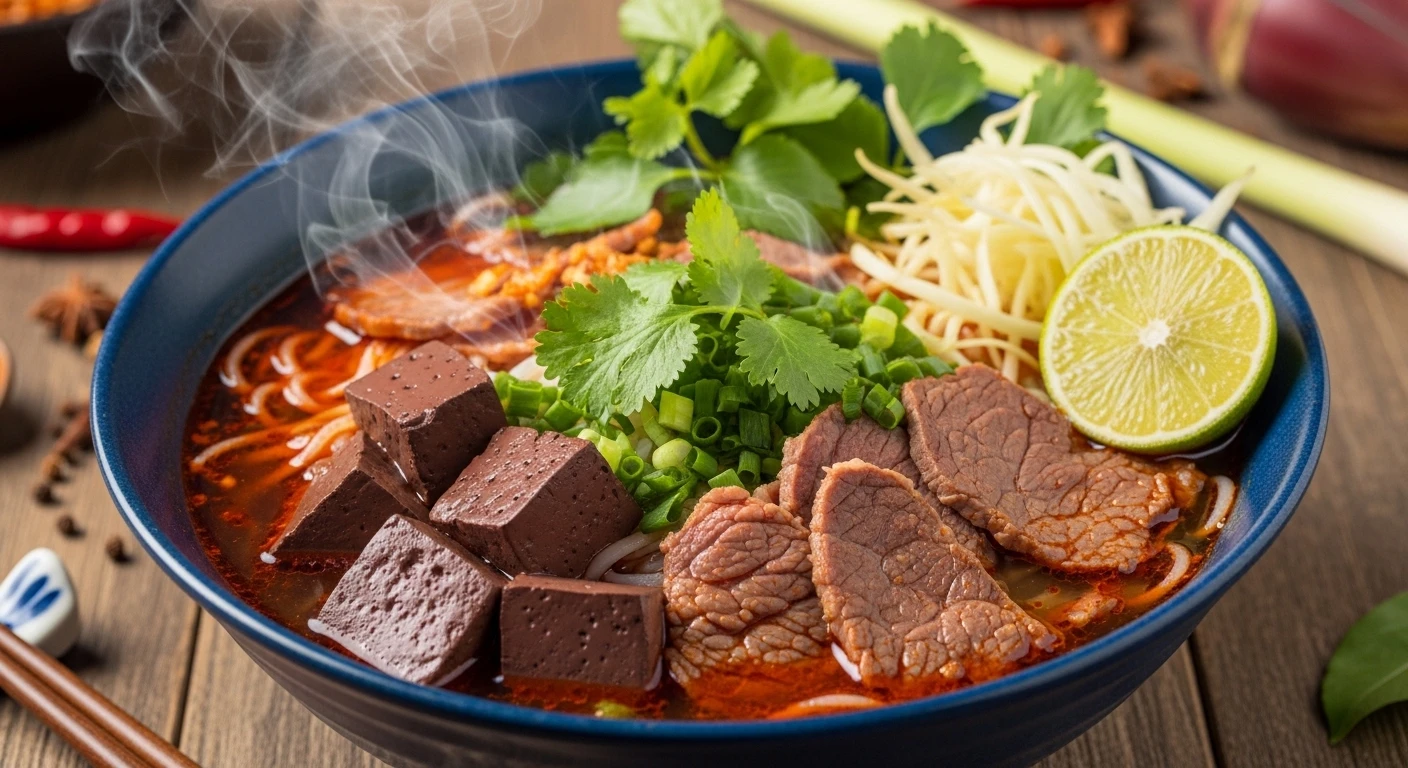
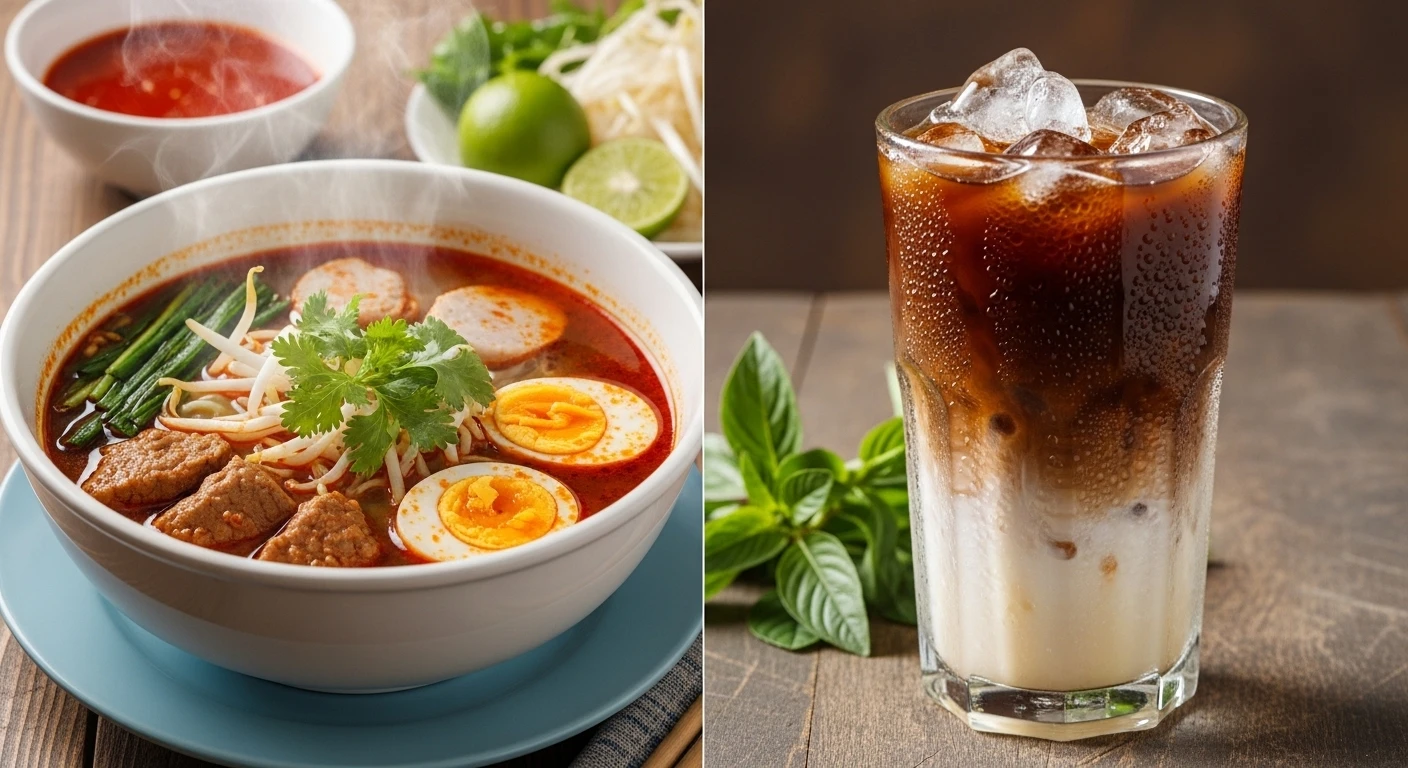
A masterpiece in a bowl: the iconic Bun Bo Hue, rich with complexity and vibrant spice.
The Majesty of Hue: Imperial Flavors and Spicy Roots
Hue, the former imperial capital of Vietnam, is a city steeped in history, culture, and a distinct culinary identity. Unlike the sweeter, more tropical palate of the South or the milder flavors of the North, Hue’s cuisine is known for its elegance, its sophistication, and, crucially, its assertiveness. This is a cuisine that uses chilies, shrimp paste, and fermented ingredients to create depth and character.
Bun Bo Hue is the crown jewel of this imperial tradition. The dish was reputedly developed in the village of Phu Xuan, not far from Hue city, and its preparation reflects the refined yet bold approach to food that characterizes the region. It’s a dish that speaks of the land – the verdant rice paddies, the rolling hills, the brackish waters of the Tam Giang lagoon – and the ingenious way its people have harnessed these resources.
Deconstructing the Bowl: A Lethal, Delicious Symphony
What makes Bun Bo Hue so utterly captivating is its intricate layering of flavors and textures. It's a bold declaration of intent from the very first spoonful.
- The Broth: This is the soul. It’s made from beef bones, simmered for hours to achieve a rich, unctuous base. But the magic truly begins with the addition of lemongrass, fermented shrimp paste (mắm ruốc), chili, and sometimes annatto seeds for color. This combination creates a broth that is deeply savory, subtly sweet, intensely aromatic, and carries a delightful, building heat. It’s not just spicy; it’s a complex, fermented umami bomb.
- The Noodles: Unlike Pho’s flat rice noodles, Bun Bo Hue uses round, thick vermicelli rice noodles (hence "Bun"). These noodles have a satisfying chew and are perfect for soaking up the potent broth.
- The Proteins: This is where Bun Bo Hue truly flexes its muscle. Expect generous slices of tender beef (often shank or brisket), cubes of congealed pork blood (huyet), and sometimes pork knuckles. The blood cake, which might be intimidating to some, adds a unique, creamy texture and a subtle mineral earthiness that is integral to the dish.
- The Aromatics: A mountain of fresh accompaniments is non-negotiable. Shredded banana blossom (dien dien), water spinach (rau muống), bean sprouts, fresh herbs like cilantro, mint, and Thai basil, and wedges of lime are essential. These provide a crucial counterpoint of freshness, crunch, and acidity that cuts through the richness.
The Soul of the Mekong: A Regional Connection
While Bun Bo Hue is unequivocally a Central Vietnamese specialty, its vibrant ingredients and robust flavor profile resonate deeply with the culinary spirit found in Vietnam's southern regions, particularly the Mekong Delta. The liberal use of fermented shrimp paste (mắm ruốc), a staple in both Hue and the Mekong, is a key connection. This pungent, savory paste, made from fermented tiny shrimp, adds an unmistakable depth and umami that is foundational to many southern Vietnamese dishes and a defining characteristic of Bun Bo Hue.
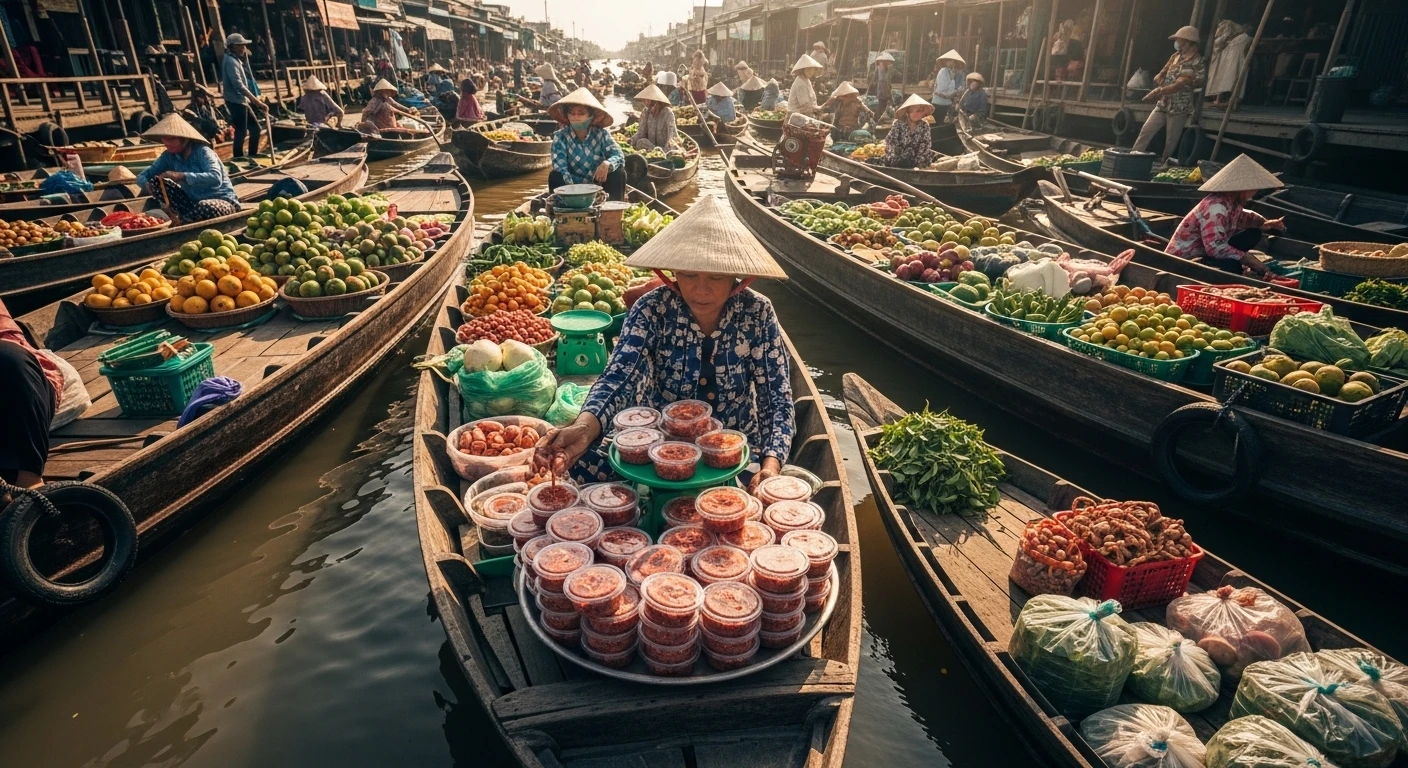
The Mekong Delta, known for its fertile lands and abundant waterways, is a region where food is deeply intertwined with daily life and the natural environment. Just as Hue's cuisine reflects its imperial heritage, the Mekong's culinary traditions are shaped by its agricultural abundance and its unique geography. The bold, assertive flavors of Bun Bo Hue, with its fermented notes and hearty proteins, find a kindred spirit in the vibrant, punchy tastes of southern Vietnamese cooking. It’s a reminder that while regional distinctions are clear, there's a unifying thread of bold, delicious flavor that runs through Vietnam's diverse culinary landscape.
The Quest for Authenticity: A Culinary Pilgrimage
While Bun Bo Hue has gained international recognition, its true home is Hue. For the uninitiated, or those seeking the *real deal*, a visit to the city is essential.
Getting to Hue:
The most common international arrival gateway into Vietnam is Noi Bai International Airport (HAN) in Hanoi or Tan Son Nhat International Airport (SGN) in Ho Chi Minh City.
From either Hanoi or Ho Chi Minh City, you have several options to reach Hue:
- By Air: Phu Bai International Airport (HUI) serves Hue. There are frequent domestic flights from both Hanoi (approx. 1 hour 15 minutes) and Ho Chi Minh City (approx. 1 hour 20 minutes). This is the quickest option. From HUI, it's a short taxi or ride-sharing service (around 30-40 minutes) to the city center.
- By Train: Vietnam's Reunification Express train line offers a scenic journey. The overnight train from Hanoi to Hue is particularly popular, often featuring sleeper cabins. The journey takes around 13-14 hours. From Ho Chi Minh City, the train journey is considerably longer, often over 20 hours, making flying a more practical choice from the south. The Hue train station is located conveniently within the city.
- By Bus: Sleeper buses operate between major cities. From Hanoi, the journey can take 15-17 hours. From Ho Chi Minh City, it’s an even longer haul, typically over 20 hours. While the cheapest option, it's the least comfortable for longer distances. The Hue bus station is a hub connecting to various parts of the country.
Once in Hue, navigating the city is easy. Taxis, ride-sharing apps like Grab, and cyclos are readily available. Many of the best Bun Bo Hue eateries are located in markets or along bustling streets.
The Best of the Best: Where to Find It in Hue
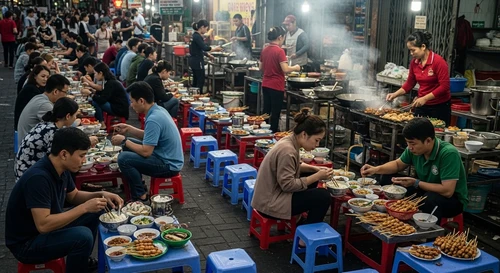
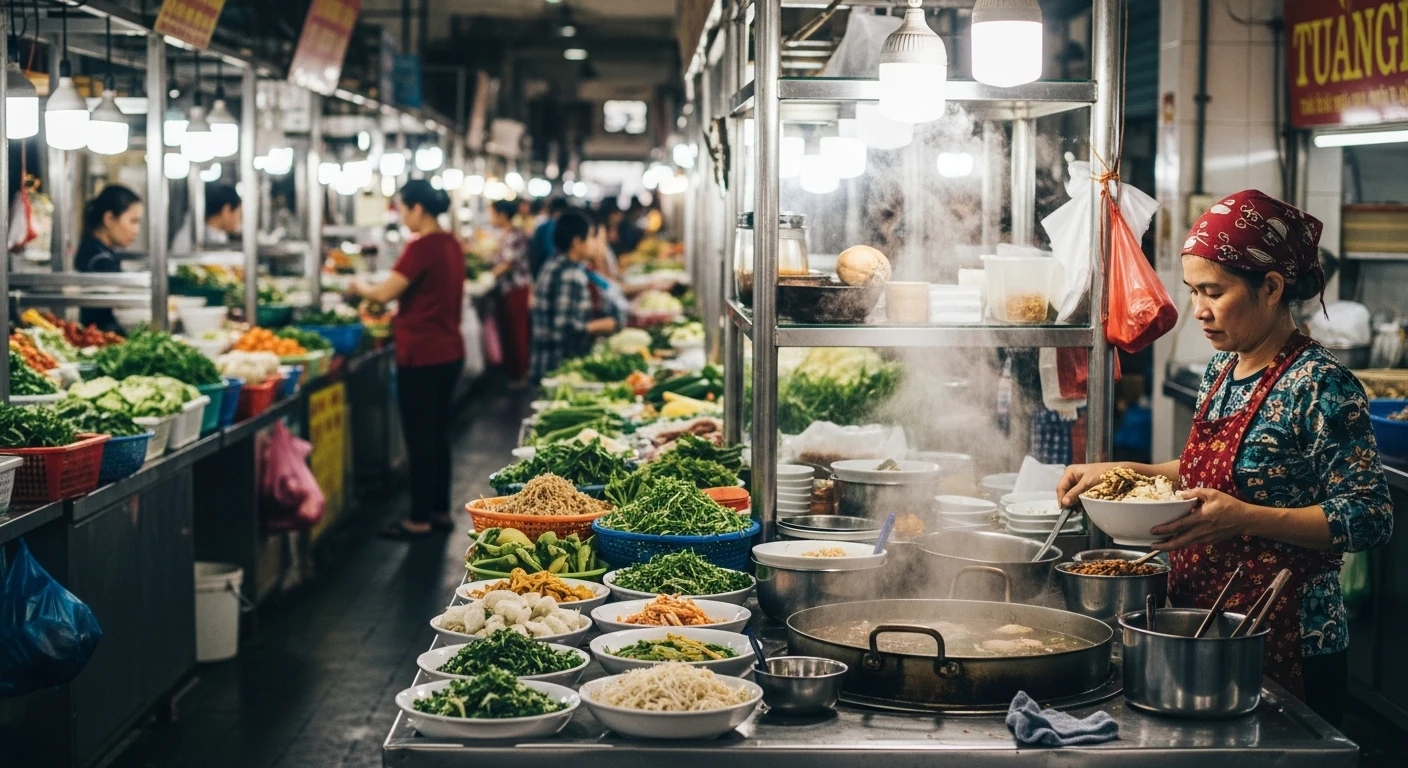
In Hue, Bun Bo Hue isn't confined to fancy restaurants. It thrives in humble street stalls and bustling morning markets. Here are a few legendary spots:
- Quan Bun Bo Hue Ba Gai: (Literally "Aunt Gai's Bun Bo Hue"). This is a no-frills, legendary institution. Expect a rich, spicy broth and generous portions. It's often packed with locals.
- Bun Bo Hue Cong Chua: Located near the imperial city, this spot offers a slightly more refined atmosphere but retains that authentic, fiery flavor.
- Markets like Dong Ba Market: The heart of Hue's culinary scene. You'll find numerous vendors serving exceptional Bun Bo Hue here, often alongside other local delicacies. Exploring the market itself is an experience.
Beyond the Bowl: The Cultural Context
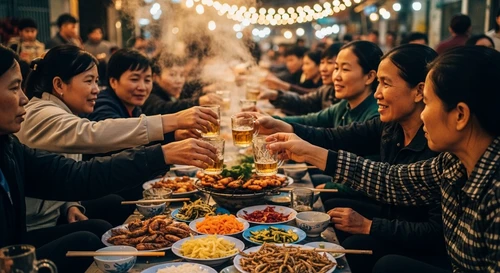
Bun Bo Hue is more than just a meal; it’s a cultural experience. It’s the morning ritual for many, a hearty breakfast that fuels the day. It’s the communal gathering point in markets, where conversations flow as freely as the broth. The act of preparing and sharing this soup is a reflection of Vietnamese hospitality and the deep-seated pride in their culinary heritage.
The boldness of its flavors mirrors the resilience and spirit of the Central Vietnamese people, who have weathered historical upheavals and maintained a strong sense of identity. The fermented shrimp paste, while challenging for some, represents an age-old tradition of preserving and enhancing flavors, a practice deeply rooted in Vietnamese food culture.
The Verdict: Why It's More Than Just "Another Soup"
Pho is elegant, subtle, and universally approachable. Bun Bo Hue is its more intense, complex cousin. It’s a flavor profile that’s harder to replicate but infinitely more rewarding when mastered. The interplay of spicy, sour, salty, savory, and even a touch of bitter from the fermented paste creates a gastronomic experience that is both challenging and deeply satisfying.
It’s a dish that doesn’t shy away from its identity. It's bold, it's flavorful, and it leaves a lasting impression. For anyone who thinks they know Vietnamese food, or for those who love a soup that packs a serious punch, Bun Bo Hue is not just a must-try; it's a culinary rite of passage. It’s a powerful reminder that sometimes, the most profound flavors are found not in the gentlest whisper, but in a fiery, aromatic roar.
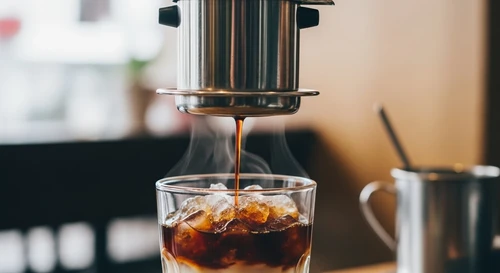
And for your mornings?
Discover the potent kick of Vietnamese Robusta coffee, another bold flavor that defines the nation's palate.
Learn about Vietnamese CoffeeThe Fermented Secret: Mắm Ruốc Explained
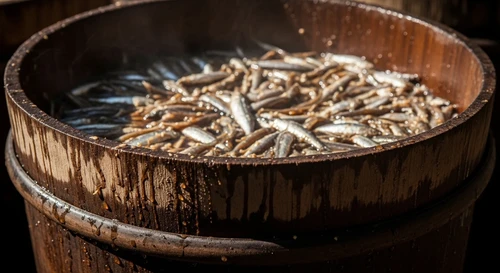
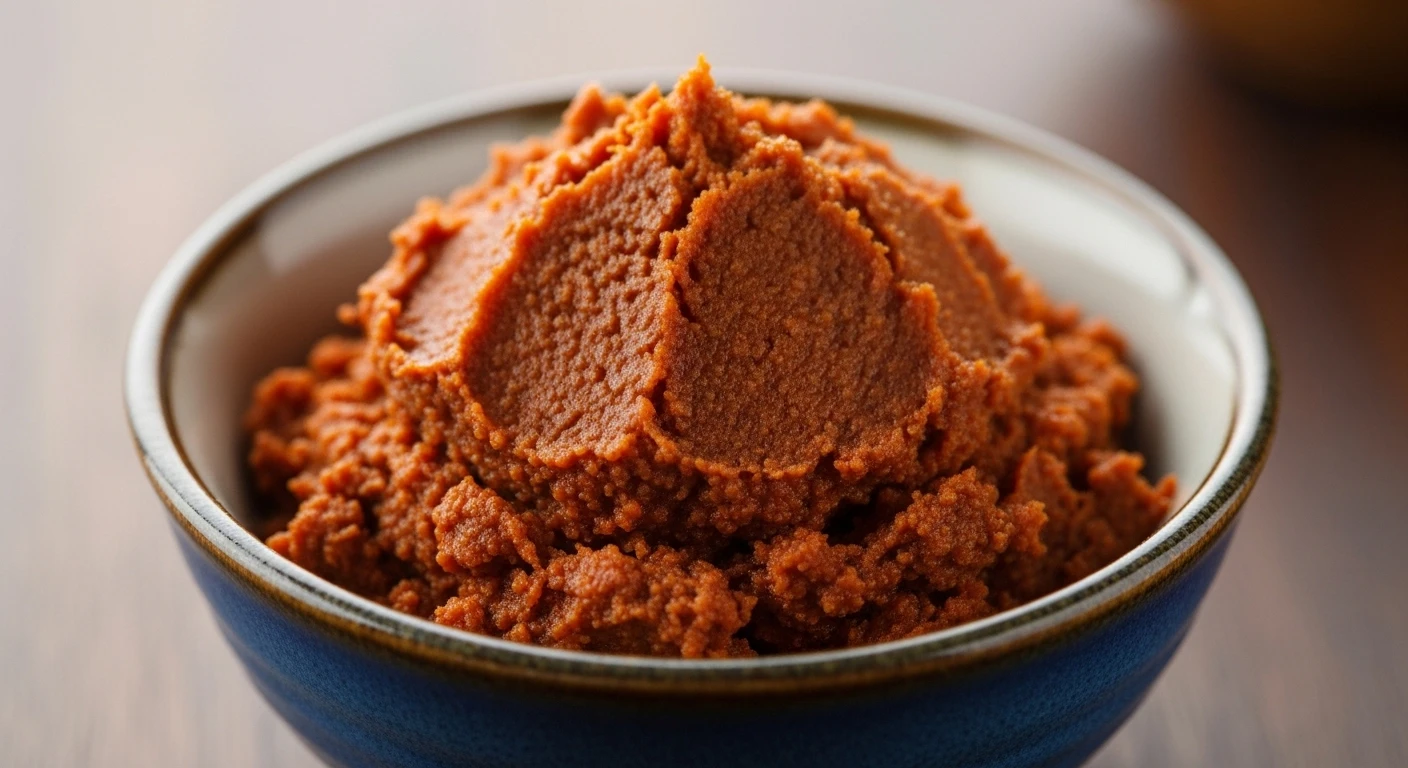
At the heart of Bun Bo Hue's distinctive flavor is mắm ruốc, or fermented shrimp paste. This isn't your average condiment; it's the essence of Vietnamese fermentation tradition. Made from tiny shrimp pounded into a paste and then fermented for months (sometimes years), it develops an intensely savory, pungent aroma that can be a shock to the uninitiated.
However, when introduced to the simmering broth, its character transforms. The harshness mellows, leaving behind a profound umami depth that cannot be achieved through any other ingredient. It's this fermented magic that gives Bun Bo Hue its signature kick and complexity, differentiating it sharply from the cleaner, brighter notes of Pho. Learning to appreciate mắm ruốc is often the key to unlocking the true appreciation of Central Vietnamese cuisine.
Beyond the Noodles: Exploring Hue's Other Delicacies
While Bun Bo Hue is the undisputed king, Hue offers a constellation of other culinary stars that showcase the region's refinement.
- Bánh Bèo, Bánh Nậm, Bánh Lọc: These are steamed rice cakes, often served with dried shrimp, crispy pork rinds, and a savory dipping sauce. They are delicate, intricate, and a perfect example of Hue's refined snack culture.
- Bún Chả Cá: A noodle soup featuring fish cakes, fish broth, and often tomatoes and pineapple. It's another popular variation in the region.
- Nem Lui: Grilled pork skewers wrapped around lemongrass stalks, served with rice paper, herbs, and peanut sauce. The aromatic lemongrass imparts a unique flavor.

Imperial Elegance?
Experience the grace and history of Vietnam's iconic Ao Dai, the national dress with roots in imperial Hue.
Discover the Ao DaiThe Perfect Pairing: Vietnamese Iced Coffee
To truly complete the Bun Bo Hue experience, especially during a humid day in Central Vietnam, nothing beats a glass of Cà Phê Sữa Đá – Vietnamese iced coffee. The intensely strong, dark-roast Robusta coffee, sweetened with condensed milk and poured over ice, provides a potent, sweet, and cooling contrast to the spicy soup. It’s a national beverage that perfectly complements the robust flavors of Vietnamese cuisine.
The Final Word: Embrace the Heat
Pho may be the global face of Vietnamese noodle soup, but Bun Bo Hue is its fiercely flavorful, complex, and deeply soulful counterpart. It's a dish that tells a story of history, culture, and the ingenious use of bold ingredients. From the fragrant lemongrass and the assertive mắm ruốc to the substantial proteins and vibrant fresh greens, every element in the bowl plays a vital role.
So, the next time you find yourself dreaming of Vietnam, look beyond the familiar. Seek out the fiery embrace of Bun Bo Hue. Venture to Hue, or find an authentic rendition near you. It’s an adventure for the palate, a journey into the heart of Central Vietnamese cuisine, and an experience that will redefine your understanding of what Vietnamese noodle soup can be. It's not just better than Pho for those who love intensity; it's a culinary masterpiece in its own right.
Ready for a Flavor Adventure?
Dive deeper into Vietnam's incredible culinary scene.
Explore Vietnam's Culinary Divide