The Unspoken Code of the Plastic Chair
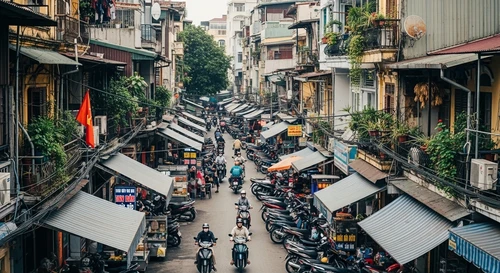
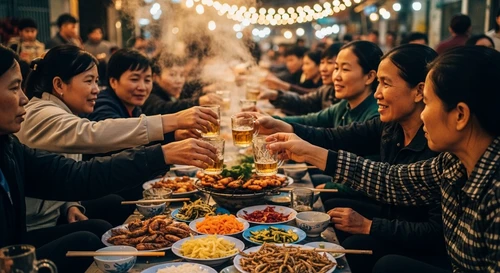
Venture into any bustling city street or quiet village lane in Vietnam, and you'll witness a familiar sight: a vibrant tableau of people perched on impossibly small, brightly colored plastic stools. These aren't just seats; they are the battlegrounds of flavor, the front-row tickets to the most authentic culinary experiences Vietnam has to offer. If you're seeking the soul of Vietnamese street food, forget white tablecloths and hushed dining rooms. The real magic happens at ground level, on these humble, ubiquitous plastic chairs.
This isn't an accident of design or a passing trend. It's an unspoken rule, a cultural cornerstone that dictates where the best food is found. The vibrant, often chaotic, street-side eateries, from the Mekong Delta's swampy shores to the ancient alleys of Hanoi, thrive on this principle. Why? Because the plastic stool isn't just low; it's a symbol of accessibility, community, and, most importantly, uncompromisingly delicious, unpretentious food.
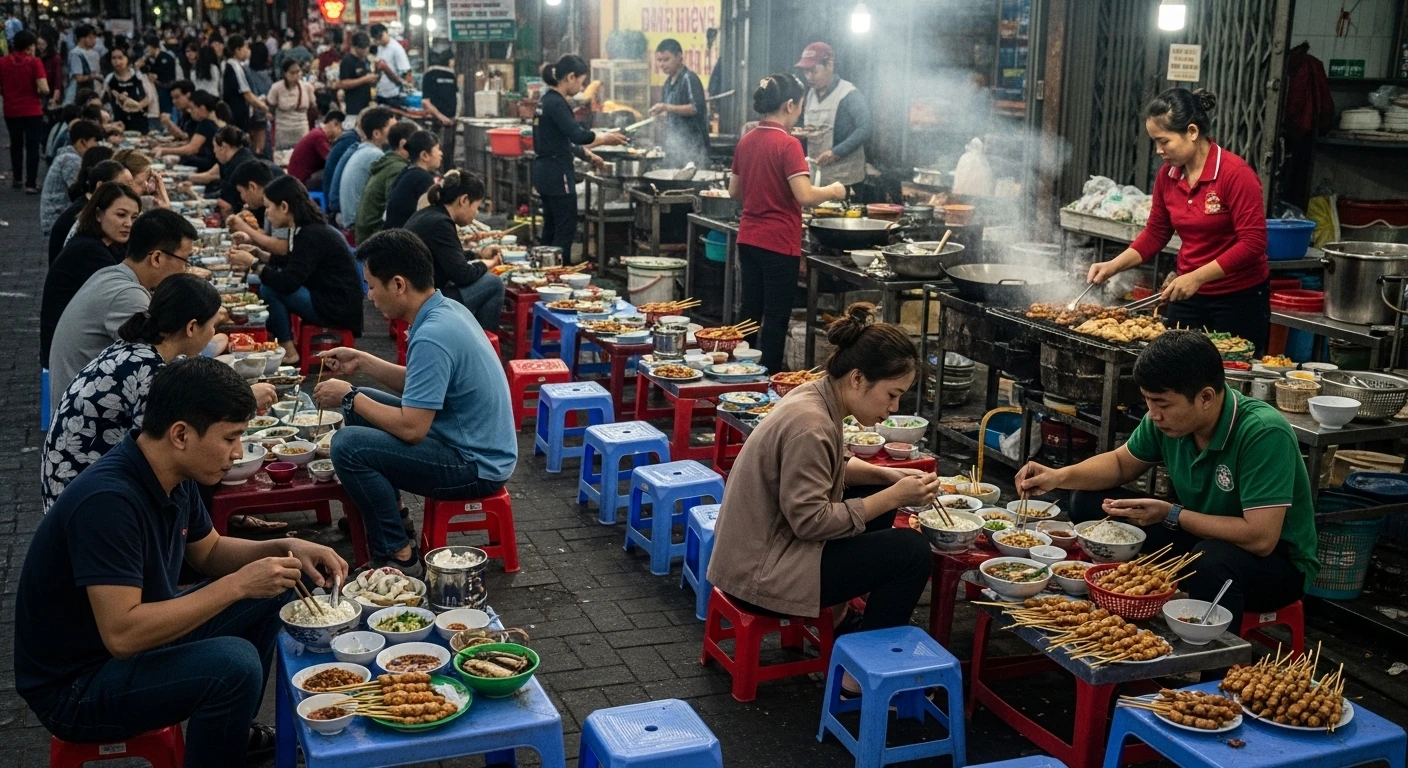
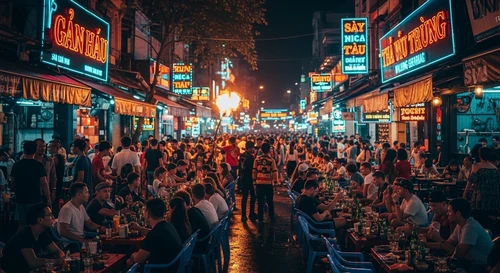
The quintessential Vietnamese street food scene: colorful plastic stools are the gateway to incredible flavors.
Mekong Roots: Where Rivers Meet Rustic Cuisine
The spirit of the plastic chair is perhaps most deeply ingrained in the Mekong Delta. Life here moves at the pace of the river, a network of waterways that are both highways and lifeblood. For generations, food vendors have set up shop along the banks, in floating markets, and on the narrow roads connecting riverside villages. The simplicity of the environment lends itself to simple, functional tools – and the low plastic stool is perfectly suited.
Imagine this: you disembark from a sampan after a morning exploring the canals near Can Tho. The air is thick with humidity and the scent of ripe fruit. You’re hungry. Right there, by the water's edge, a woman is expertly ladling out bowls of steaming hủ tiếu, a local noodle soup brimming with pork, shrimp, and fragrant herbs. Her "restaurant" is a few pots, a charcoal stove, and a collection of those iconic blue and red plastic stools. To truly taste the Delta, you don't go to a fancy establishment; you join the locals on these low seats, shoulder-to-shoulder, sharing in the culinary heart of this fertile region. The dishes here are often hearty, fresh, and born from the bounty of the rivers and fertile soil – ingredients that demand to be cooked and served with unpretentious authenticity.
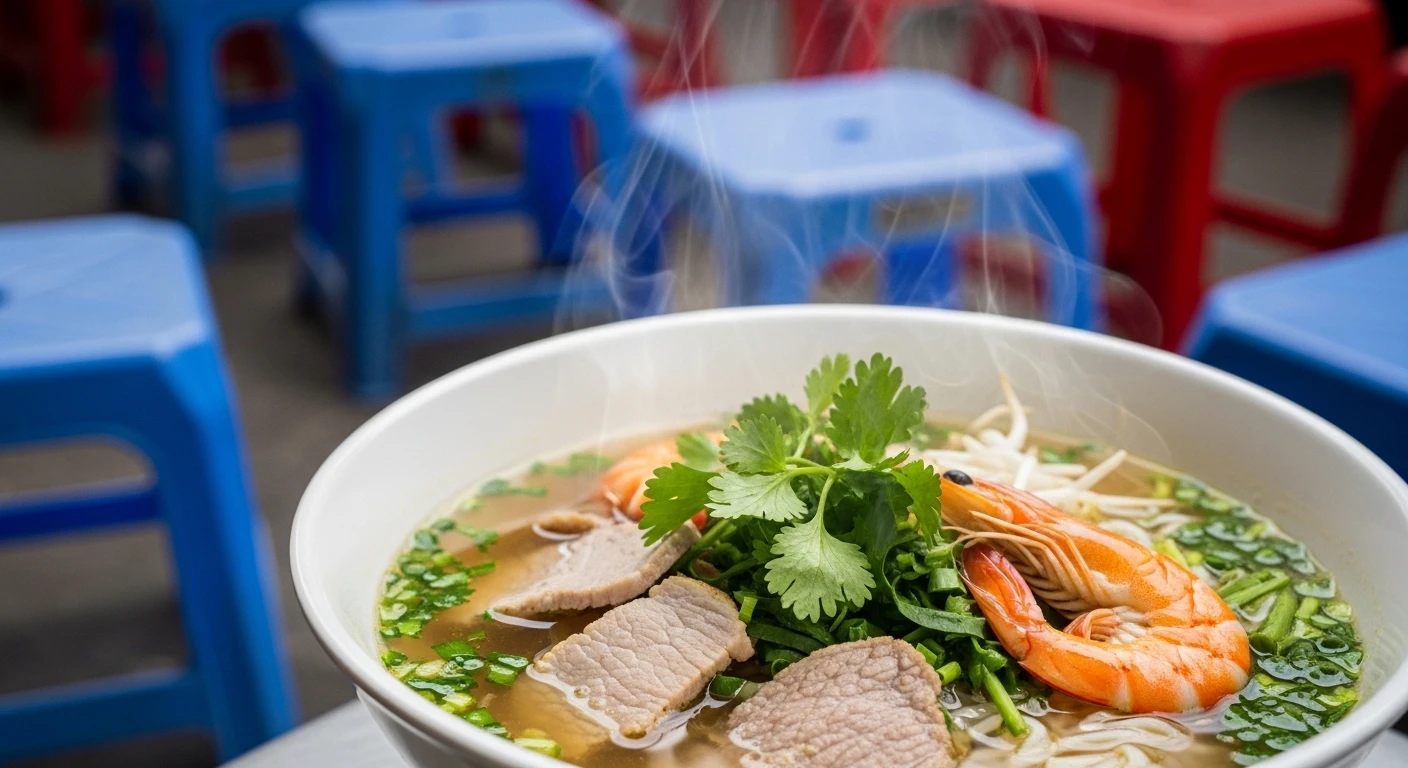
Hủ tiếu, a Mekong Delta staple, is best enjoyed on a humble plastic stool.
Breaking Down Barriers: Food for Everyone
One of the primary reasons for the plastic stool's dominance is its inherent accessibility. These stools are inexpensive, lightweight, and easy to move. This allows vendors to set up shop anywhere – on sidewalks, in front of their homes, or even on the banks of rivers and canals. It democratizes dining. A gourmet meal isn't reserved for those who can afford a restaurant; it's available to anyone who can navigate the street.
This low barrier to entry fosters an incredible diversity of culinary offerings. You'll find vendors specializing in a single dish, honed to perfection over years, even decades. This singular focus, combined with the intimate proximity to the cooking process that a low seat provides, means ingredients are always fresh, preparation is meticulous, and the final product is a testament to dedication. The close quarters also breed a sense of community among diners, creating a lively, convivial atmosphere that's as much a part of the experience as the food itself.
Closer to the Action: The Chef's Direct Domain
Sitting low means you're close to the heart of the operation: the wok, the grill, the bubbling broth. You can see the chef’s technique, smell the fragrant aromatics hitting the hot pan, and witness the magic unfold in real-time. This proximity isn't just for show; it’s about connection. It allows diners to appreciate the skill and dedication that goes into each dish.
This visual and olfactory engagement heightens the anticipation and the sensory pleasure of the meal. You see the perfect char on your grilled pork for Bún Chả, the precise way the noodles are tossed, or the generous handful of fresh herbs that will crown your bowl. This intimate view of the culinary craft elevates the street food experience from mere consumption to an interactive performance. It’s a direct line to the chef's passion, a crucial ingredient often missing in more formal settings.
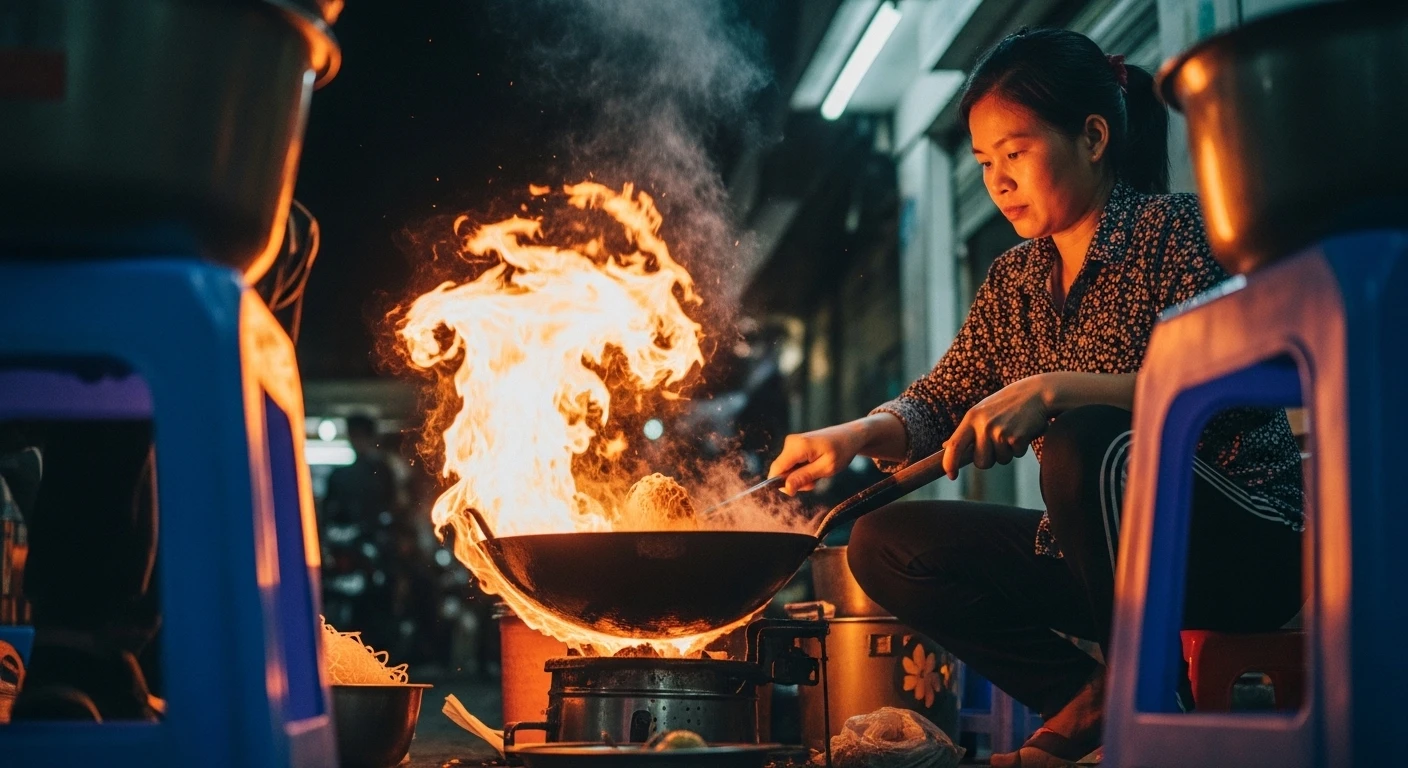
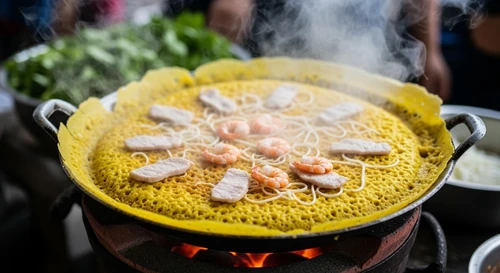
From a low vantage point, you witness the culinary artistry unfold.
The Flavor Accelerator: Taste Buds at Altitude Zero
There's a subtle psychological and physiological aspect at play, too. Being closer to the ground, closer to the heat, and surrounded by the authentic aromas of cooking can intensify the sensory experience. The very act of lowering yourself onto a tiny stool signals a shift in mindset – you're here to *eat*, to savor, to engage with the food in its most raw and vibrant form.
This immersive environment primes your palate. The sounds of the street – the sizzle of the grill, the chatter of diners, the distant hum of motorbikes – create a unique soundscape that, for many, becomes synonymous with deliciousness. Studies in food science suggest that factors like environment and proximity to the food source can influence our perception of taste. The rustic charm of a plastic stool eatery, with its inherent authenticity, likely triggers a more potent "flavor response" than a sterile, detached dining room. It’s food as it’s meant to be: unadulterated, immediate, and profoundly satisfying.
Authenticity: The Core Ingredient
At its core, this phenomenon is about authenticity. Vietnamese street food vendors, particularly those operating from humble setups with low stools, are custodians of tradition. They are serving recipes passed down through generations, refined through countless hours of practice.
Whether it's the perfectly balanced broth of a Phở bò, the complex fermentation of Bún Chả dipping sauce, or the fresh, vibrant herbs that accompany nearly every dish, the commitment to genuine flavor is paramount. These vendors aren't catering to international trends; they are feeding their communities, preserving culinary heritage, and showcasing the true taste of Vietnam. The plastic stool is the unassuming throne upon which this culinary legacy is served.
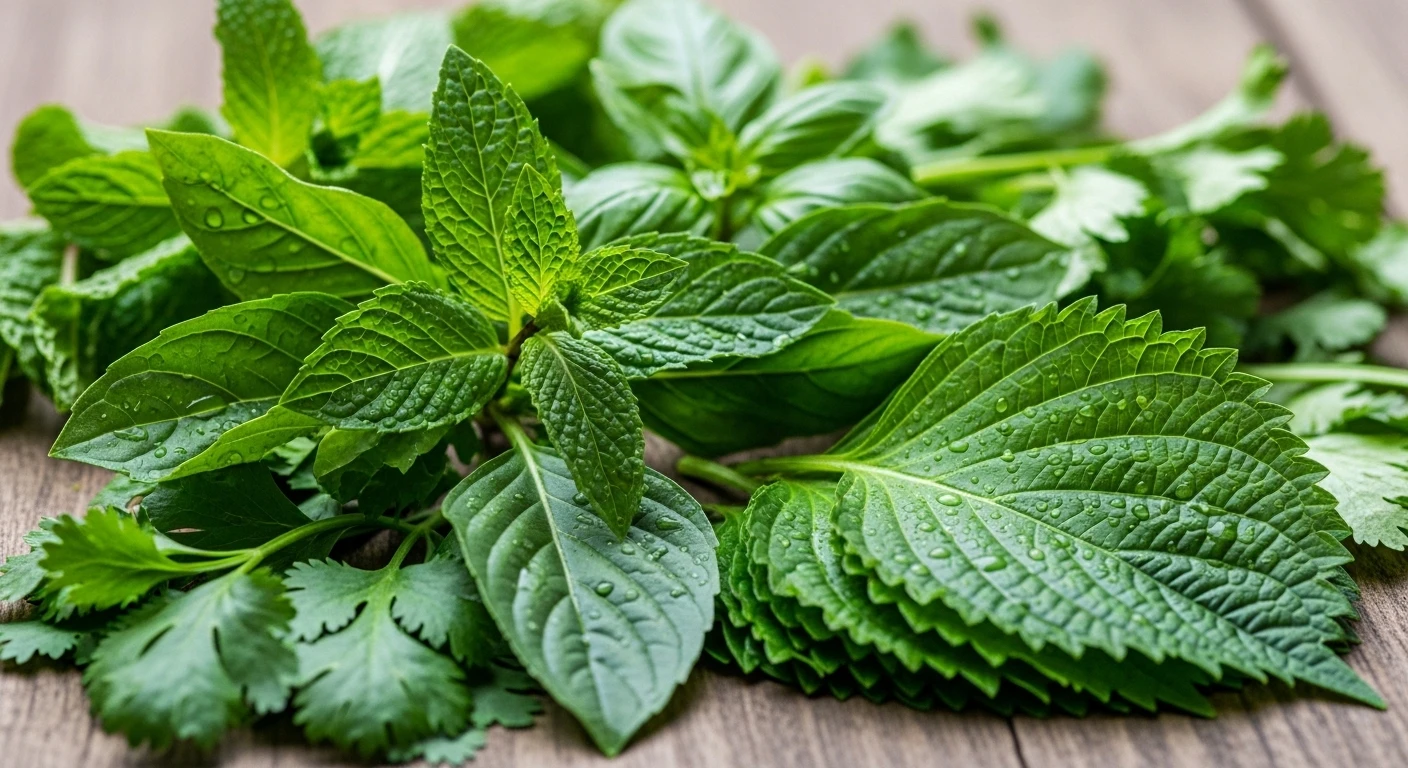
Fresh herbs are an essential element of authentic Vietnamese street food.
Your Guide to the Low Seat Experience
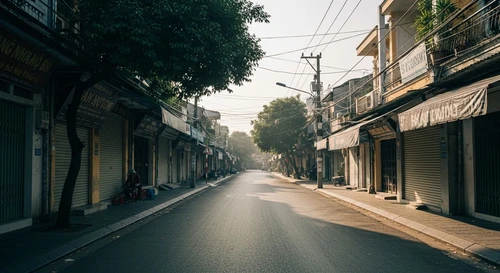
So, how do you find these culinary havens? Look for the crowds. A cluster of plastic stools filled with locals is your ultimate signpost for exceptional food. Don't be afraid to venture into smaller alleyways or side streets, especially in cities like Ho Chi Minh City or Hanoi. These are often where the hidden gems reside.
Observe the operation. Is it clean and organized? Do the vendors seem passionate about their craft? Are they specializing in one or two dishes? These are all good indicators. And remember, politeness and a smile go a long way. Even with a language barrier, gesturing towards a dish you like or pointing to what someone else is eating is a universally understood way to order. Embrace the adventure; the reward is a taste of Vietnam that you simply can't find anywhere else.
Must-Try Dishes on Low Seats
While variety is the spice of life, some dishes are particularly sublime when enjoyed from a plastic stool:
- Phở: The national soup, best enjoyed in its many regional variations, from the lighter Northern style to the richer Southern interpretation, often served from street carts.
- Bún Chả: Grilled pork patties and slices served with rice vermicelli noodles, fresh herbs, and a dipping sauce. Hanoi’s signature street food.
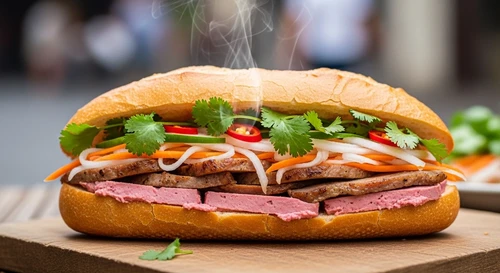
- Bánh Mì: The iconic Vietnamese baguette sandwich, filled with a medley of savory ingredients. A perfect on-the-go or sit-down treat.
- Hủ Tiếu: Especially popular in the Mekong Delta, this noodle soup can be served in broth or dry with a savory sauce, featuring pork, shrimp, and sometimes offal.
- Cơm Tấm: Broken rice served with various toppings like grilled pork chops, shredded pork skin, and steamed egg cake. A hearty and satisfying meal.
For those craving something truly regional and robust, seeking out a vendor specializing in Bún Bò Huế, the intensely flavorful, lemongrass-infused noodle soup from Central Vietnam, served from a humble street setup, is an absolute must. It’s a dish that demands the full sensory immersion that only a low seat can provide.
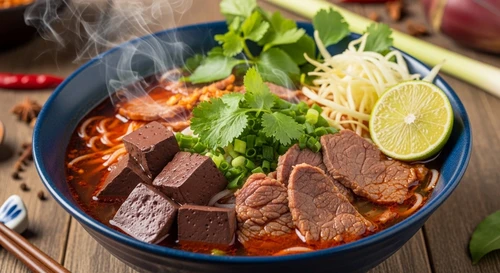
Bun Bo Hue: The Spicy, Fermented Noodle Soup That Truly Defines Vietnam
Pho gets all the fame, but Bun Bo Hue is the real culinary masterpiece. Dive into the lemongrass-infused, blood-cake-topped bowl that locals swear by.
Read MoreGetting There: Your Mekong Delta Culinary Pilgrimage
To truly experience the plastic chair phenomenon in its natural habitat, a journey into Vietnam's Mekong Delta is essential. Here’s a practical path for Western travelers:
- International Arrival: Fly into Tan Son Nhat International Airport (SGN) in Ho Chi Minh City (Saigon). This is Vietnam’s busiest airport, with direct flights from major hubs across Asia, Europe, North America, and Australia.
- Transfer to the Delta Hub: From Ho Chi Minh City, your primary gateway to the Mekong Delta is Can Tho, the region's largest city. The most efficient way to travel is by bus or private car. Several reputable bus companies operate comfortable, air-conditioned services daily. The journey typically takes 3.5 to 4.5 hours. Alternatively, you can arrange a private car transfer, which offers more flexibility and comfort, though at a higher cost.
- Exploring the Delta's Culinary Pockets: Once in Can Tho, you'll find an abundance of street food vendors lining the streets and along the Hau River. For a deeper dive into riverside life and food culture, consider a boat trip to the nearby Cai Rang Floating Market (best visited early morning) or explore towns like Chau Doc, known for its unique cuisine and proximity to the Cambodian border. For an even more immersive experience, look into homestays or boutique guesthouses that offer cooking classes featuring local Delta dishes.
- Local Transport: Within cities like Can Tho, getting around is easy. You can hire local motorbikes with drivers (often called "xe ôm"), use ride-sharing apps like Grab (which offers both car and motorbike options), or explore on foot. For traveling between smaller towns and villages, local buses and ferries are common.
The key is to be open to discovery. Some of the most memorable meals are found in unexpected places, often from a simple cart accompanied by a row of those iconic plastic chairs.
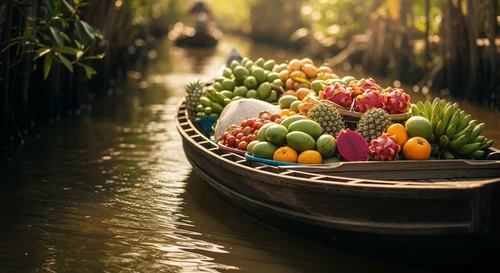
Life on a Sampan: 24 Hours with a Mekong Delta River Family
Imagine your entire house, business, and transport being a 5-meter wooden boat. Step inside the fascinating, fading lifestyle of Vietnam's river nomads.
Read MoreMore Than Just Food: The Communal Table
The enduring appeal of the plastic chair experience lies not just in the food, but in the community it fosters. These low seats bring people together. You'll often find yourself sharing a table, or at least sharing the same vibrant atmosphere, with locals from all walks of life. This shared experience of enjoying delicious, affordable food creates a powerful sense of connection.
It's about the friendly banter with the vendor, the shared smiles with fellow diners, and the collective appreciation for a perfectly executed dish. This intimacy, this sense of belonging, is the true secret ingredient. It transforms a simple meal into a memorable cultural exchange. So, the next time you’re in Vietnam, embrace the humble plastic stool. It’s your direct route to the heart and soul of its incredible street food.
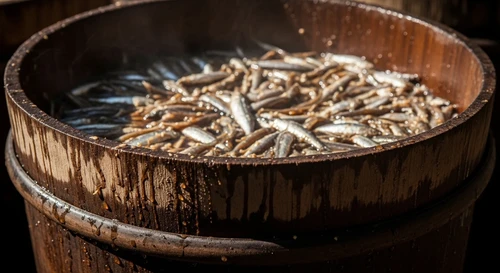
Nuoc Mam: The Stinky Secret Ingredient Behind Every Vietnamese Dish
Fermented anchovies left in wooden barrels under the sun for a year. It sounds terrible, but Fish Sauce is the irreplaceable magic of Vietnamese cuisine.
Read More