The Pungent Heartbeat of Vietnamese Cuisine
Step into any bustling market in Ho Chi Minh City, any humble roadside eatery in Can Tho, or any family kitchen nestled along the Mekong Delta's tributaries, and you'll encounter a scent that's both formidable and utterly foundational. It's the smell of nuoc mam – Vietnamese fish sauce. To the uninitiated, it can be a shock to the senses, an aroma that hovers on the edge of "too much." But to anyone who truly loves Vietnamese food, it’s the irresistible perfume of home, of comfort, of pure, unadulterated flavor.

The intense sun and humid air of the Mekong Delta are crucial for the year-long fermentation of nuoc mam.
This isn't just a condiment; it's the lifeblood, the umami bomb, the salty, savory backbone that elevates stir-fries, enriches broths, and forms the base of countless dipping sauces. Without it, Vietnamese dishes would be mere ghosts of their true selves – bland, incomplete, lacking that crucial depth that makes the cuisine so universally adored. Forget the notion of it being "stinky"; this is liquid gold, crafted through a time-honored process that transforms humble anchovies into culinary magic.
The Mekong Delta's Gift: A Year Under the Tropical Sun
The story of nuoc mam is inextricably tied to the bountiful waters of Vietnam, and nowhere more so than its southwestern tip – the magnificent Mekong Delta. This sprawling network of rivers, canals, and mangrove forests is not only Vietnam's rice bowl but also a primary source for the small, silver anchovies (cá cơm) that form the foundation of exceptional fish sauce. Coastal provinces like Ca Mau, Bac Lieu, and Phu Quoc Island (though technically an island, its culinary heritage is deeply linked to the Delta's traditions) are legendary for their artisanal fish sauce production.

The process is beautifully, profoundly simple, yet it demands patience and the perfect environmental conditions. Freshly caught anchovies are mixed with a generous amount of salt – typically a ratio of two parts fish to one part salt. This saline embrace is crucial: it draws out moisture, inhibits spoilage, and kickstarts the enzymatic breakdown that creates the desired flavors. The mixture is then packed tightly into large, often ancient, wooden barrels.
These barrels are then left to bask under the relentless equatorial sun for anywhere from six months to a year, sometimes even longer. The heat is not just for show; it’s an active participant in the alchemy. It accelerates fermentation, breaks down proteins into amino acids (responsible for the savory, umami taste), and develops the complex aroma. The resulting liquid is strained multiple times, revealing a rich, amber-hued fluid that is the essence of the sea and the sun. The finest nuoc mam is often graded by its protein content and clarity, a testament to the meticulous craft.
The Science of Stink: Unlocking Umami
What causes that potent aroma? It's all down to a complex process of enzymatic and microbial activity. As the salt draws out water from the fish, it creates an environment where natural enzymes within the anchovies begin to break down proteins into smaller compounds, most notably amino acids. Glutamate, a key amino acid, is released in abundance, which is the scientific basis for the desirable 'umami' taste – that savory, mouth-filling sensation that makes food so satisfying.
While the initial breakdown might produce less-than-pleasant volatile compounds (think amines and sulfur compounds), the prolonged fermentation and the presence of salt also encourage the growth of specific lactic acid bacteria. These beneficial microbes further break down the fish, develop complex flavor molecules, and help to create a more balanced aroma over time. The "stink" isn't a flaw; it's a sign that the transformation is happening, a powerful precursor to the deep, rich savoriness that defines good nuoc mam. The best fish sauces have a pungent aroma that, when diluted in other ingredients, harmonizes beautifully rather than overwhelms.
Grades of Gold: Understanding Nuoc Mam Quality
Not all fish sauces are created equal. Just as wine has its vintages, nuoc mam has its grades, often indicated by a numerical rating (15N, 20N, 30N, 40N, 50N, etc.), which corresponds to the nitrogen content. Higher numbers generally indicate a richer, more intensely flavored sauce.
- 15N - 20N: Often considered standard for everyday cooking and dipping sauces. They are accessible and versatile.
- 30N - 40N: These are premium grades, offering a more refined flavor and aroma. Ideal for dishes where the fish sauce is a prominent flavor component or for sophisticated dipping sauces.
- 40N+ and higher: Reserved for the absolute finest, artisanal sauces, often with longer fermentation times. They are highly prized for their complexity and are savored in traditional contexts.
Beyond the nitrogen content, factors like the type of anchovy used, the salt-to-fish ratio, and the length and quality of fermentation all contribute to the final taste. High-quality nuoc mam should have a clean, potent aroma, a deep amber to dark brown color, and a complex flavor profile that is savory, slightly sweet, and mineral-rich, with minimal bitterness or metallic aftertaste.
The Magic of Nuoc Cham: The Quintessential Dipping Sauce
While nuoc mam is the soul, nuoc cham is the bright, zesty personality that makes Vietnamese food so addictive. This ubiquitous dipping sauce is the perfect marriage of potent nuoc mam with sugar, lime juice, garlic, and chili. The balance is everything: the salty punch of the fish sauce is tempered by the sweetness of sugar, brightened by the tang of lime, and awakened by the sharp bite of minced garlic and the fiery kiss of chilies.

Think of it as the universal solvent for Vietnamese cuisine. It accompanies fresh spring rolls (Goi Cuon), grilled meats, vermicelli bowls (Bun), and even fried items. Each household, each restaurant, has its own subtle variation. Some prefer it sweeter, some spicier, some with a hint more garlic. The key is the ratio; it’s a dance between the salty, sweet, sour, and spicy. A perfectly balanced nuoc cham transforms simple ingredients into a flavor explosion.
Pro tip for perfect nuoc cham: start with a good quality nuoc mam. Then, dissolve the sugar in a little warm water first, before adding the lime juice and fish sauce. This ensures a smoother texture and better integration of flavors. Adjustments can be made with water to achieve the desired consistency.
Beyond Dipping: Nuoc Mam's Role in the Kitchen
While nuoc cham is its most famous application, nuoc mam's utility extends far beyond the dipping bowl. It’s a fundamental flavor enhancer, adding depth and complexity to nearly every savory dish.
- Marinades: A splash of nuoc mam tenderizes meat and infuses it with savory flavor before grilling or stir-frying.
- Stir-fries: It forms the base of many stir-fry sauces, providing the essential salty, umami notes that balance vegetables and proteins.
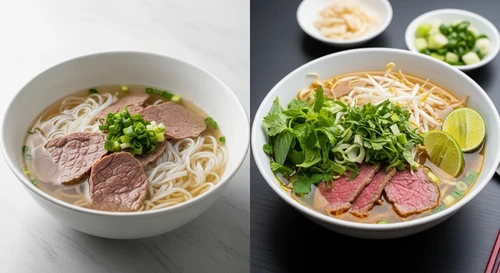
- Soups and Broths: A little nuoc mam added towards the end of cooking can deepen the flavor of Pho, Bun Rieu, or other complex broths, adding a subtle but crucial layer of savoriness.
- Vegetable Dishes: Steamed or sautéed vegetables benefit immensely from a drizzle or a light dressing incorporating nuoc mam.
The key is to use it judiciously. Because it's so potent, a little goes a long way. It's often best added in stages or towards the end of cooking, allowing its flavor to meld without becoming overpowering. Chefs in the Mekong Delta know that the subtle hum of good nuoc mam is what ties a dish together, making it taste undeniably Vietnamese.
Artisanal Pursuits: The Nuance of Regional Flavors
While the basic principle of fermenting anchovies and salt remains the same, the Mekong Delta and surrounding coastal regions pride themselves on their artisanal approaches. Each producer, often family-run businesses that have perfected their craft over generations, brings a unique touch.

Producers in Ca Mau might emphasize longer fermentation for a richer, more complex flavor, using specific types of anchovies caught during certain seasons. Those in Phu Quoc are famed for their meticulous straining processes. The wooden barrels themselves, often made from specific local hardwoods, are repositories of flavor, imparting subtle notes from years of previous ferments.
Visiting these production sites, especially in areas like Phu Quoc or along the coast near Can Tho, offers a fascinating glimpse into a centuries-old tradition. You can see the raw ingredients, the aging barrels, and often sample the finished product, tasting the subtle differences that make each brand unique. It’s a culinary pilgrimage that reveals the depth of Vietnam's commitment to its signature condiment.
Choosing and Storing: Bringing the Delta Home
For home cooks outside of Vietnam, finding good nuoc mam is the first step to unlocking authentic Vietnamese flavors. Look for bottles that list anchovies and salt as the primary ingredients. Avoid those with excessive additives or artificial flavorings. Brands from Vietnam, particularly those originating from Ca Mau or Phu Quoc, are generally a safe bet.
Storage is straightforward. Unopened bottles of high-quality nuoc mam can be stored at room temperature for a long time due to the high salt content. However, once opened, it's best to refrigerate it. This slows down any further enzymatic activity and preserves its freshness and aroma. While it may develop a cloudy sediment over time, this is usually a sign of its natural, unadulterated quality. A well-stored bottle will keep for months, if not longer, continuing to add its magic to your cooking.
From Mekong to the World: A Culinary Ambassador
Nuoc mam's journey from the humble fishing villages of the Mekong Delta to kitchens across the globe is a testament to its unparalleled flavor. It’s the quiet, indispensable force behind the explosion of Vietnamese restaurants worldwide. When you taste that perfect balance in a bowl of Pho, the savory depth in a plate of stir-fried noodles, or the vibrant zest of nuoc cham, you are experiencing the legacy of this fermented wonder.
It’s more than just a condiment; it’s a culinary bridge, connecting cultures through the universal language of delicious food. The next time you encounter that distinct aroma, remember the journey: the fresh anchovies, the patient fermentation under the Mekong sun, and the generations of craft that have distilled the very essence of Vietnam into a bottle. It's the potent, pungent, perfect secret ingredient that makes Vietnamese food sing.
Curious about the other foundational flavors of Vietnamese cuisine?

Rice Paper Villages: How the Mekong Smashes, Dries, and Rolls Your Spring Rolls
Explore the villages where the delicate sheets that wrap your fresh spring rolls come to life.
Immerse Yourself in the Mekong's Flavors
The journey of nuoc mam is a microcosm of the Mekong Delta's rich culinary tapestry. To truly understand its importance, one must experience the region firsthand. From the vibrant floating markets where fresh produce and seafood are traded daily, to the humble kitchens serving up generations-old recipes, the Delta offers an unparalleled sensory exploration.
Discover a vibrant border town where cultures collide.

Chau Doc: The Colorful Border Town Where Vietnam Meets Cambodia
Explore the multicultural melting pot of the Mekong Delta, a gateway to a unique blend of traditions and flavors.
Visiting the heart of Vietnam's food culture means engaging with the land and water that produce these incredible ingredients. It's about understanding the cycles of nature, the dedication of the people, and the profound connection between food and daily life. So, if you find yourself drawn to the depth and complexity of Vietnamese cuisine, let the journey begin on the banks of the Mekong, with the potent, indispensable spirit of nuoc mam as your guide.