The Unlikely Union: Baguette Meets Banh Mi
In the humid, bustling streets of Vietnam, there exists a sandwich that defies easy categorization. It’s a culinary paradox, a testament to history, resilience, and the sheer genius of adaptation. The Banh Mi. On the surface, it’s simple: a crusty baguette stuffed with a symphony of textures and flavors. But peel back the layers, and you’ll find a story deeply etched into the very fabric of Vietnamese identity, a narrative that begins with French colonialism and ends with a global street food phenomenon.
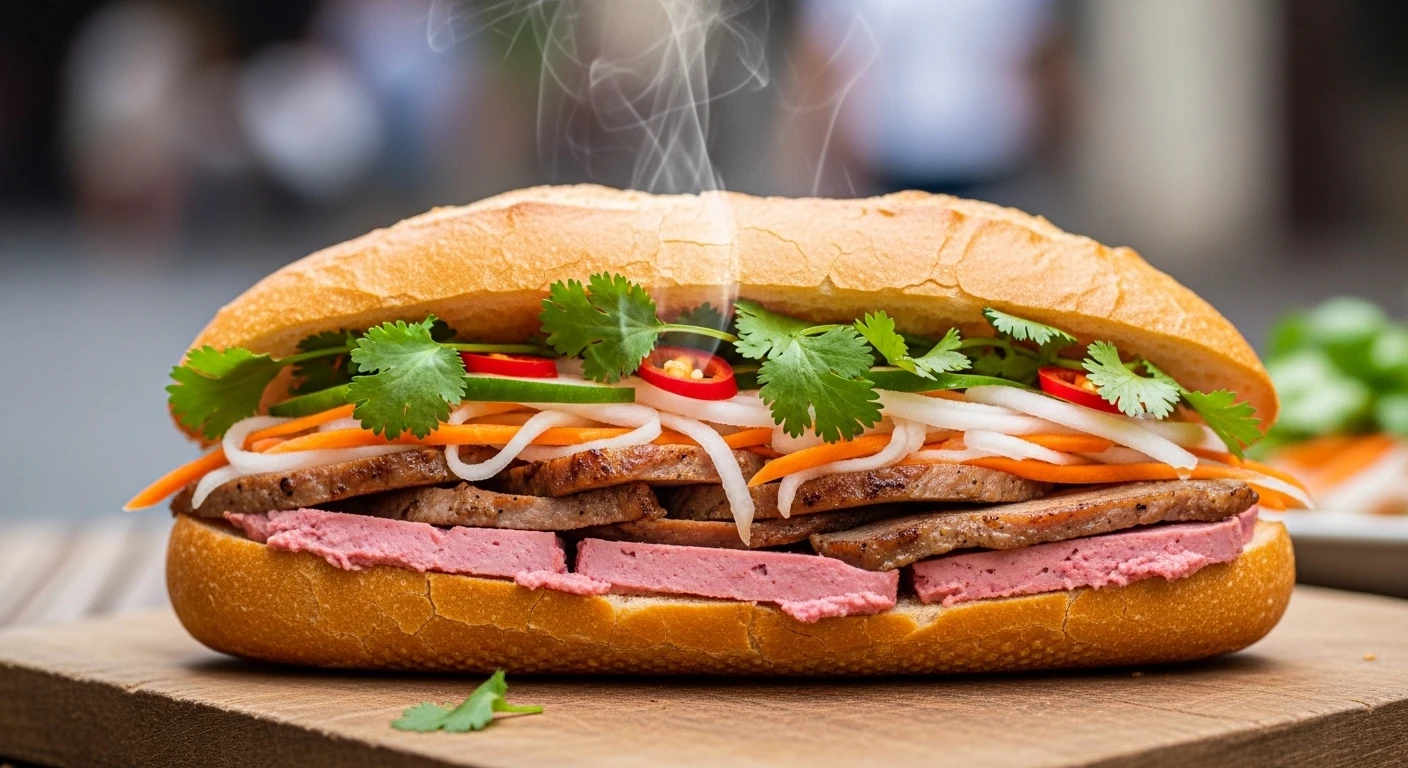
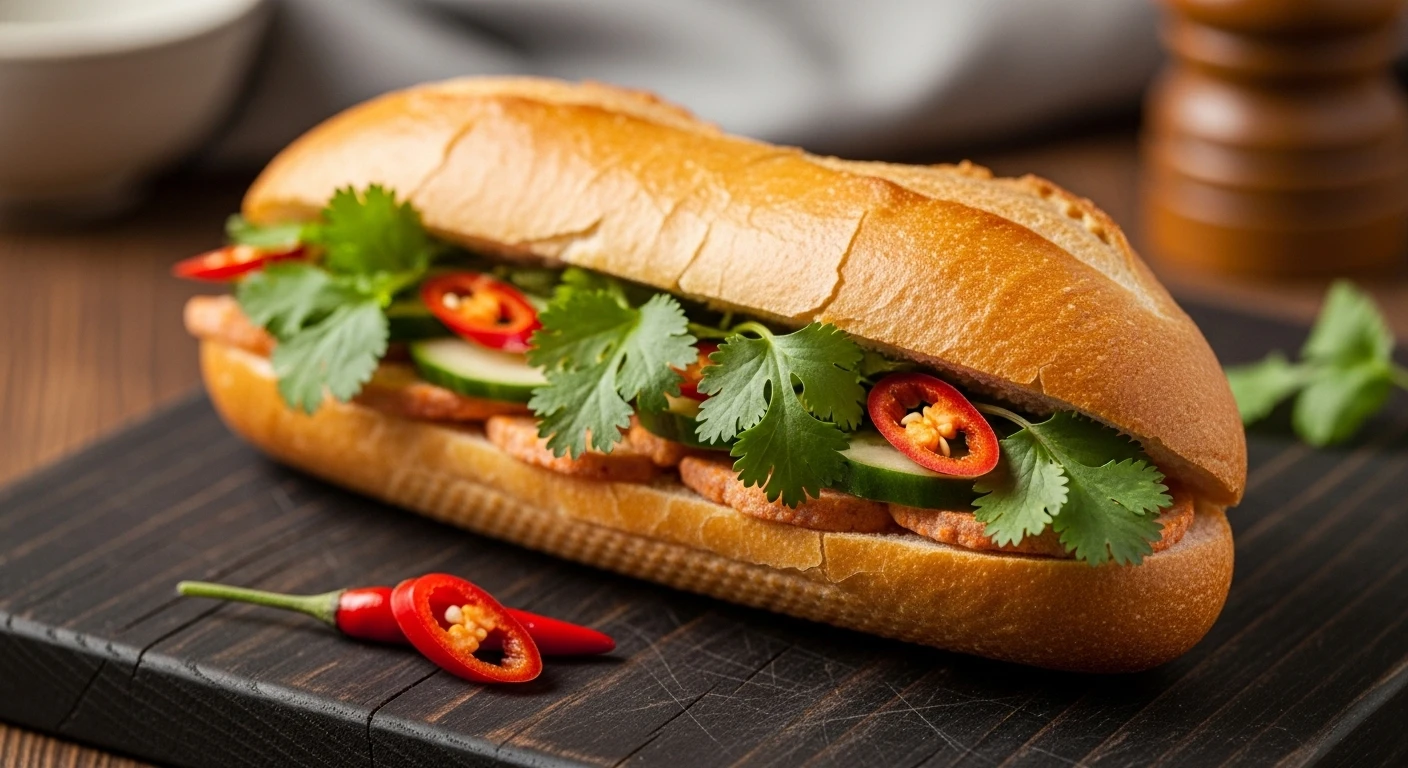
The Banh Mi: a perfect marriage of French savoir-faire and Vietnamese soul.
This is not just a sandwich; it’s an edible history lesson, a bold statement that a colonizer's staple could be transformed into something quintessentially Vietnamese. Its journey from a rationed sustenance for French soldiers and colonists to the iconic street food we know today is a tale worth savoring.
The Arrival of the Baguette: A French Foundation
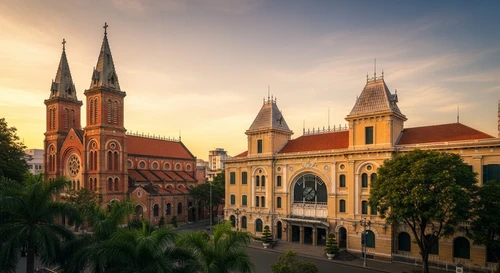
In the late 19th century, when France cemented its colonial rule over Vietnam, it brought with it a familiar taste of home: the baguette. The French bakers, establishing their boulangeries in Hanoi, Saigon (now Ho Chi Minh City), and other urban centers, produced these long, slender loaves for their own consumption. Initially, the Vietnamese people were not part of this bread-eating culture. They had their own rice-based traditions, and the French bread was seen as an outsider's food.
However, necessity, as it often does, bred adaptation. The French baguette, with its crisp exterior and airy interior, was surprisingly well-suited to the tropical climate. It also offered a stark contrast to the softer rice cakes and steamed buns common in Vietnamese cuisine. Gradually, the humble baguette began to find its way into Vietnamese households, not as a standalone item, but as a vehicle for something more.
The Vietnamese Transformation: Ingenuity Takes Hold
The true magic of Banh Mi lies in its Vietnamese adaptation, a process that began in earnest during the mid-20th century, particularly in the period following the 1954 Geneva Accords. As Vietnamese society evolved and fractured, street vendors began to experiment, finding ways to infuse the French baguette with local flavors. The key was to transform a foreign bread into something deeply Vietnamese.
The first significant modification was the bread itself. Vietnamese bakers realized they could lighten the baguette by reducing the amount of wheat flour and adding rice flour. This created a loaf that was not only lighter and more delicate but also had a distinctive crispness that held up better to fillings and the humid climate. The bread became hollower, the crust thinner, and the interior fluffier – a perfect edible vessel.
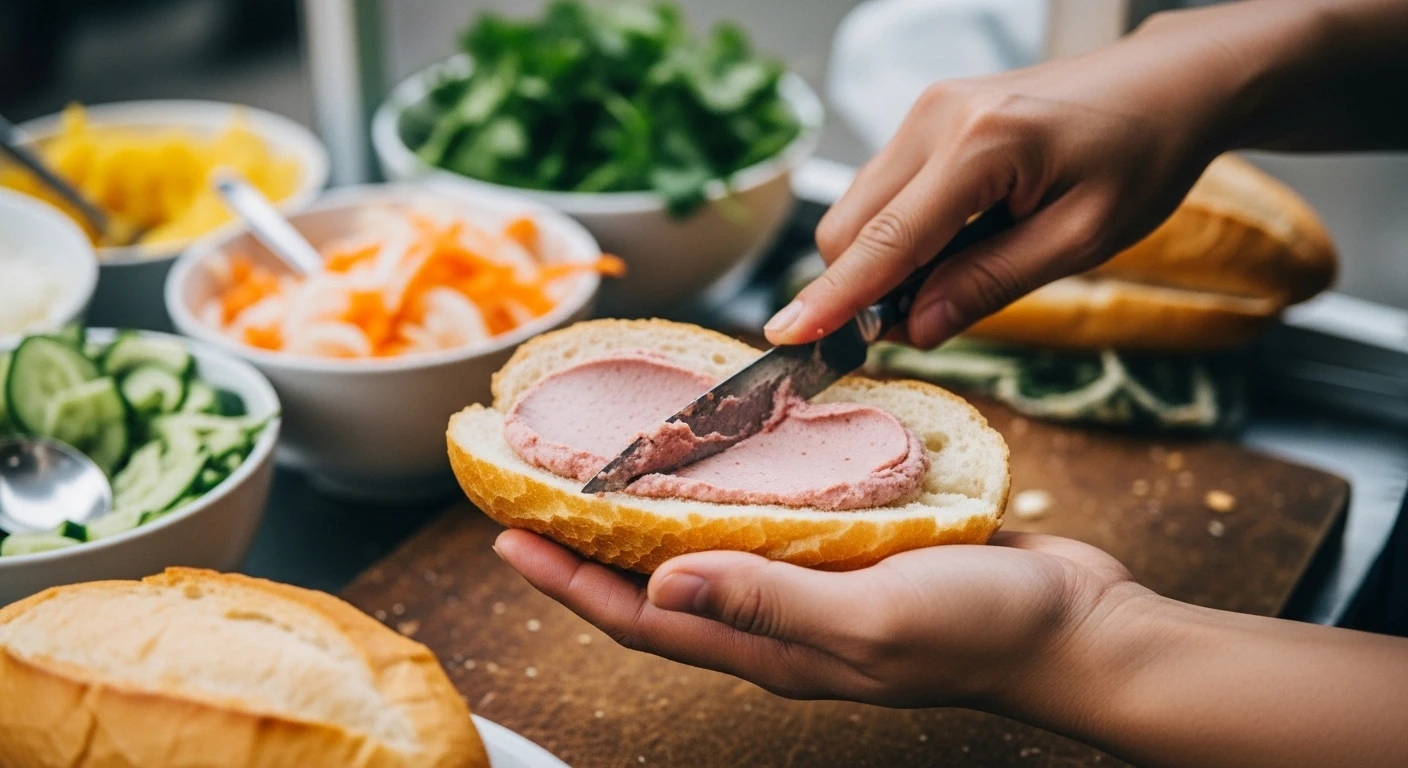
The art of assembly: from the bread to the final, flavorful bite.
A Mosaic of Flavors: The Heart of the Banh Mi
The filling is where Banh Mi truly asserts its Vietnamese identity. It’s a masterful balancing act of savory, sweet, sour, spicy, and herbaceous notes, creating a complex and addictive flavor profile. While regional variations abound, certain elements are almost universally present:
- Pâté: The French legacy lives on, but often in a distinctly Vietnamese form – rich, flavorful, and spread generously.
- Savory Meats: This is where creativity shines. Common choices include grilled pork (thịt nướng), shredded chicken (gà xé), cold cuts (chả lụa – Vietnamese ham), or savory meatballs (xíu mại). Each offers a different textural and taste dimension.
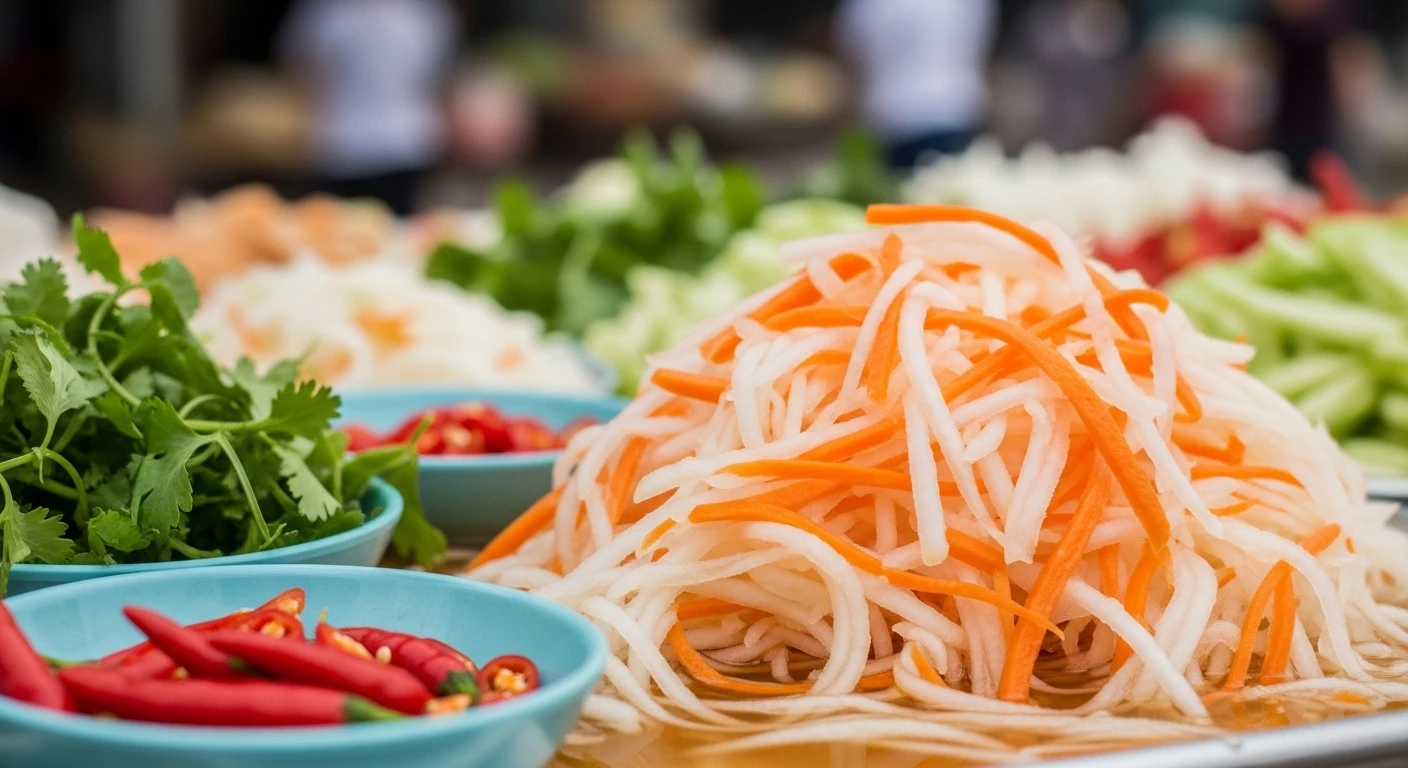
- Pickled Vegetables: The essential counterpoint. Shredded daikon radish and carrots, pickled in a sweet vinegar brine, provide a crucial tangy crunch that cuts through the richness of the meats and pâté. This is the key to Banh Mi's refreshing quality.
- Fresh Herbs: Cilantro (ngò) is almost always present, its fresh, peppery notes adding brightness. Sometimes cucumber slices and jalapeños (for heat) are included.
- Sauces: A drizzle of Maggi seasoning sauce, chili sauce, or a swipe of mayonnaise adds moisture and depth.
This combination is more than just ingredients; it’s a philosophy. It’s about contrast, balance, and creating a harmonious whole from disparate elements.
The Mekong Delta's Influence: A Sweet and Savory Embrace
While Banh Mi is found across Vietnam, the fertile Mekong Delta in the south offers a unique spin. The region’s abundant produce and fresh seafood lend themselves to delicious variations. Here, Banh Mi often incorporates ingredients reflecting the delta’s bounty.
For instance, you might find Banh Mi infused with the flavors of grilled shrimp (tôm nướng), a staple in the delta’s watery landscape. Some vendors might add a touch of sweetness derived from local fruits or a hint of coconut milk in their meat marinades, reflecting the region’s culinary character. The pickled vegetables, too, might sometimes feature ingredients unique to the delta’s agricultural output. The sheer abundance of fresh ingredients means that Banh Mi in the Mekong Delta can often feel particularly vibrant and fresh, a direct reflection of its environment.
This adaptability is key to the Banh Mi's enduring appeal. It’s a sandwich that can absorb the essence of its surroundings, from the sophisticated urban palate to the rustic charm of the Mekong Delta. It’s a true chameleon of the culinary world.
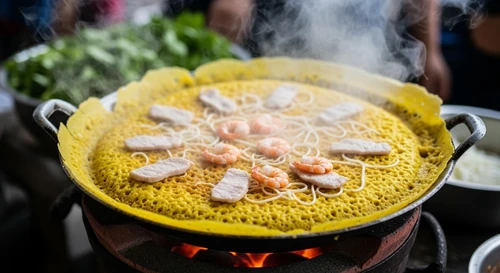
Banh Xeo: The Sizzling Mekong Crepe You Have Been Eating All Wrong
It's loud, it's crispy, and it's massive. Learn the proper, messy, hands-on way to wrap and roll a giant Mekong Delta Banh Xeo in mustard leaves.
Read MoreFrom Colonial Ration to Global Icon
The journey of Banh Mi from a mere colonial adaptation to a globally recognized culinary marvel is a testament to the Vietnamese diaspora and their unwavering passion for their food. As Vietnamese communities spread across the world, they brought their beloved sandwiches with them.
In cities like Paris, Los Angeles, Sydney, and London, Banh Mi stands proudly alongside other international street food favorites. It's accessible, affordable, and undeniably delicious, making it an instant hit with diverse palates. The "authenticity" debate often arises, with purists debating the "true" Banh Mi. However, its strength lies precisely in its adaptability. Each vendor, each city, each country puts their own spin on it, creating a constantly evolving culinary landscape. This evolution is not a dilution; it's a celebration of its power to connect people through food.
Dissecting Deliciousness: The Anatomy of Perfection
So, what makes a truly great Banh Mi? It's a delicate interplay of several factors:
- The Bread: It must be fresh, light, airy, and possess that signature crisp crust that yields to a soft interior. A stale or heavy baguette is the first sign of a Banh Mi gone wrong.
- The Pâté: Not too greasy, not too dry. It should be a rich, savory base that binds the other elements.
- The Protein: Whether it's perfectly grilled pork with charred edges, tender cold cuts, or flavorful meatballs, the protein must be seasoned well and contribute substance.
- The Pickle: This is non-negotiable. The sharp, sweet tang of the pickled daikon and carrot is the soulmate to the savory fillings. It provides balance and prevents the sandwich from becoming cloying.
- The Herbs & Heat: The fresh cilantro, the optional chili, the crisp cucumber – these add layers of aroma and a refreshing coolness.
- The Sauce: A judicious amount to add moisture and a final flavor punch, without drowning the other components.
When these elements converge, Banh Mi is not just a meal; it's an experience. It’s the crunch of the bread, the burst of pickled radish, the savory depth of the meat, and the freshness of the herbs, all hitting your palate in perfect harmony.
Beyond the Classics: Modern Twists and Cultural Exchange
The Banh Mi story doesn't end with traditional fillings. As it has traveled the globe, it has also been reinterpreted by chefs and home cooks eager to explore its versatility. You'll find Banh Mi featuring Korean bulgogi, Indian curries, or even vegetarian "mock meats" that rival their traditional counterparts.
This fusion speaks to the enduring power of the Banh Mi as a culinary canvas. It’s a testament to how a simple concept – a flavorful filling inside a good bread – can be adapted to virtually any taste or dietary preference. This spirit of reinvention is what keeps Banh Mi exciting and relevant. For those interested in Vietnam's innovative food scene, the rise of vegetarian options is particularly fascinating, showcasing the country's ability to adapt traditions to modern needs.

Vegetarian Heaven: How Buddhism Shaped Vietnam's Fake Meat Industry
Vegan pork belly? Mock duck? Discover the incredible ingenuity of 'Quan An Chay', where Buddhist monks and street cooks turn soy and mushrooms into culinary art.
Read MoreMore Than Just a Meal: The Ritual of Enjoyment
Eating Banh Mi is an experience. It's often a quick, on-the-go affair, snatched from a street cart amidst the cacophony of a Vietnamese city. It’s the satisfying crunch as you first bite into the baguette, the explosion of contrasting flavors, the way the heat from the chili tingles your tongue. It’s a humble food, yet it offers a complex sensory journey.
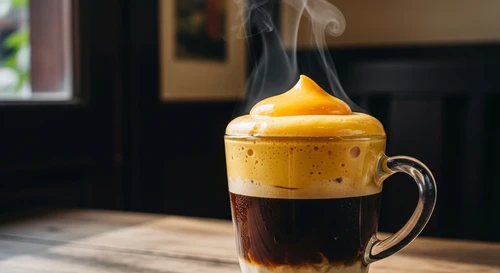
In Vietnam, particularly in its vibrant urban centers and the laid-back Mekong Delta, Banh Mi is more than just breakfast or lunch; it's a social lubricant, a comfort food, and a symbol of national pride. It’s often enjoyed with a refreshing glass of Vietnamese iced coffee or a cold beer. For many, a street food adventure is incomplete without seeking out the best local Banh Mi vendor. The casual nature of its consumption, the intimate connection with the street food culture, and the sheer deliciousness make it an unforgettable part of any visit.
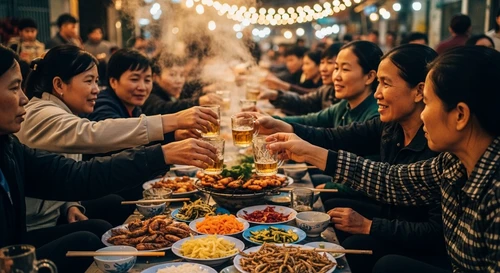
The Magic of 'Nhau': Vietnam's Rowdy, Beer-Soaked Bonding Culture
It is not just drinking; it is 'Nhau'. Discover the clinking glasses of 'Mot, Hai, Ba, Dzo!', the bizarre bar snacks, and why business in Vietnam happens at the beer street.
Read MoreA Legacy in Every Bite
The humble Banh Mi, born from the collision of cultures and the ingenuity of the Vietnamese people, is more than just a sandwich. It’s a vibrant emblem of history, resilience, and culinary artistry. From its French baguette roots to its diverse, flavor-packed Vietnamese heart, Banh Mi has conquered palates worldwide.
So, the next time you find yourself with a Banh Mi in hand, take a moment to appreciate its complex lineage. Each bite is a journey through history, a fusion of East and West, and a delicious reminder that the world's best sandwiches often tell the most compelling stories. It’s a legacy preserved, savored, and shared, one incredible bite at a time.