The Culinary Compass: North vs. South
Vietnam. A slender dragon stretching along the eastern coast of the Indochinese Peninsula. To the uninitiated, it might seem a homogenous culinary landscape, a tapestry woven from rice paddies, fragrant herbs, and steaming bowls of noodle soup. But to anyone who has traveled its length, or simply tasted its diverse offerings, the truth is far more nuanced. The line between north and south, though often blurred by modern mobility and global trade, is a profound divide in flavor, ingredient, and culinary philosophy.
Order a bowl of Phở Bò in Hanoi, the birthplace of this iconic noodle soup, and then travel south to Saigon (Ho Chi Minh City) and order the exact same dish. You’ll find two experiences that, while both undeniably Vietnamese, speak in different dialects of taste. The broth might be lighter and cleaner in the north, while the southern version often leans towards richer, sweeter, and more robust profiles, often accompanied by a veritable garden of fresh herbs and bean sprouts. This isn't a matter of right or wrong; it's a testament to centuries of divergent history, geography, and cultural influences.
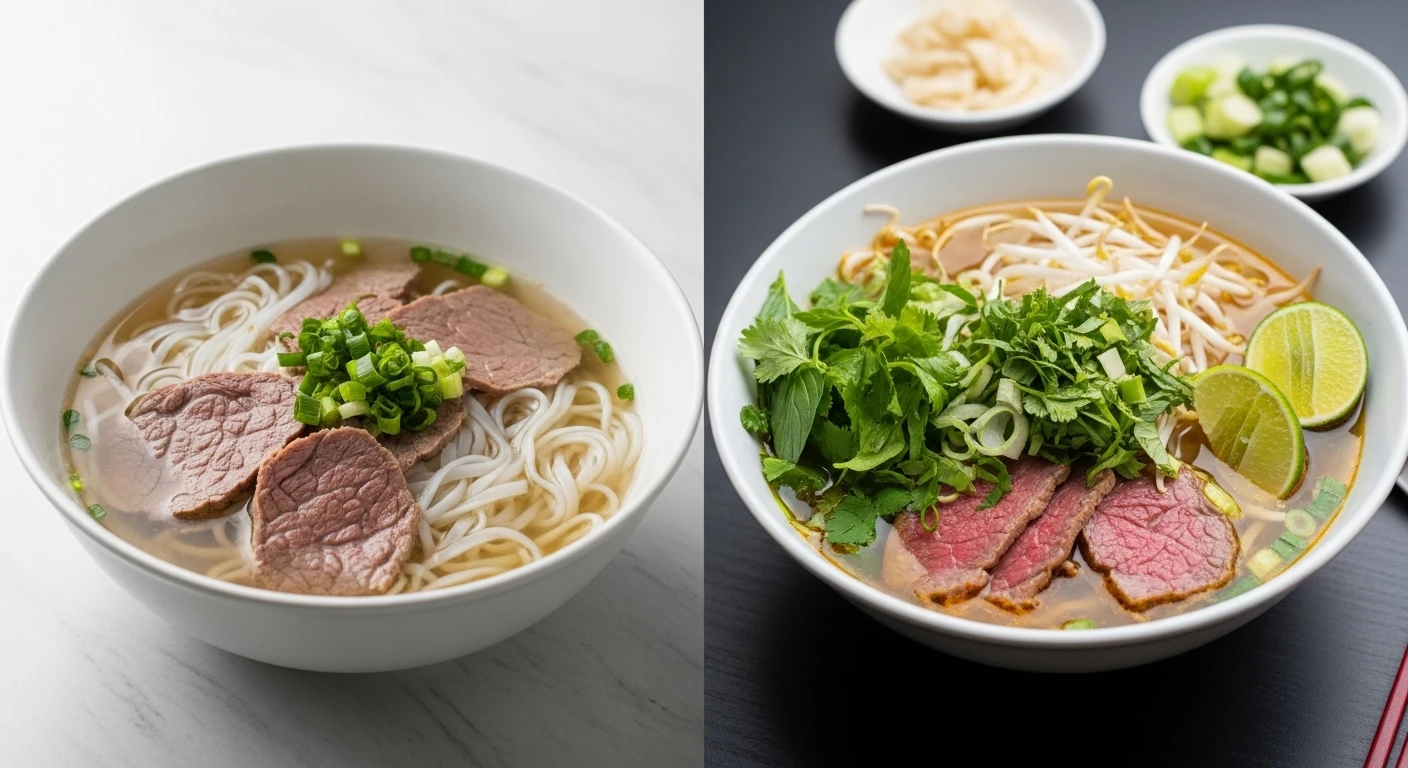
The iconic Phở: a tale of two cities, Hanoi's refined simplicity versus Saigon's vibrant generosity.
The Northern Palate: Purity and Balance
The North, particularly the Red River Delta and its surroundings, has historically been the cradle of Vietnamese civilization. Its cuisine often reflects a sense of refined restraint, emphasizing the natural flavors of ingredients and a delicate balance of tastes. Here, dishes tend to be less sweet, less spicy, and less oily than their southern counterparts.
Historically, the North’s agricultural base relied heavily on rice cultivation, leading to a strong emphasis on rice and rice-based products. Broths are often clearer, simmered with a focus on extracting the pure essence of meat and bones, with fewer aromatics dominating. Saltiness, often derived from high-quality nước mắm (fish sauce), plays a more prominent role, but it's a clean, umami-rich salinity rather than an overpowering one. Fresh herbs are used judiciously, often as a garnish rather than an overwhelming component.
Consider Bún Riêu Cua, a crab noodle soup. In Hanoi, the broth is often a delicate balance of crab, tomato, and a subtle sourness, served with a moderate amount of herbs. In contrast, the southern version might be richer, sweeter, and piled high with a greater variety of fresh accompaniments. This northern penchant for purity is also evident in dishes like Chả Cá Lã Vọng, a famous Hanoi specialty of turmeric-marinated fish grilled with dill and spring onions, where the subtle flavors of the fish and dill are paramount.
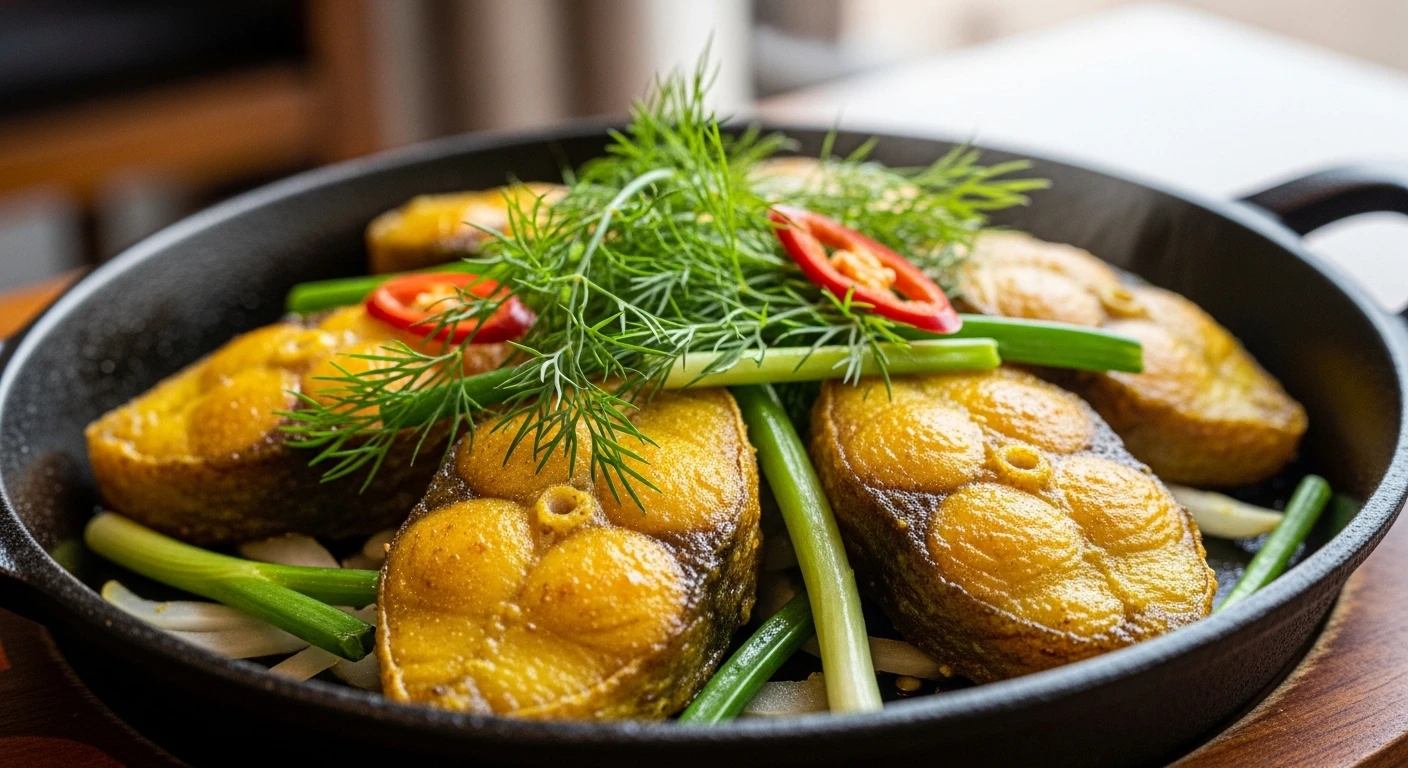
Chả Cá Lã Vọng: Hanoi's signature dish celebrating the subtle interplay of fish, dill, and fragrant aromatics.
The Southern Spice: A Melting Pot of Flavors
Southern Vietnam, especially the Mekong Delta region, has historically been more open to external influences and boasts a more fertile, abundant landscape. This has translated into a cuisine that is often bolder, sweeter, spicier, and more complex in its flavor profiles. The abundance of ingredients, from sweet fruits to the rich bounty of the sea and rivers, allows for a more lavish culinary expression.
The Mekong Delta, often called Vietnam's "rice bowl," is incredibly fertile, yielding not only rice but also an astonishing array of fruits, vegetables, and seafood. This abundance is reflected in the southern palate, which readily embraces sweetness from coconut milk, sugarcane, and fruits. Spices are used more liberally, and while chili heat is present, it's often balanced with sweetness or sourness.
Saigon, as a bustling port city and a melting pot of cultures, has adopted and adapted flavors from Cambodia, Thailand, and even Chinese immigrants over the centuries. This has resulted in dishes that are often richer, with more complex sauces and a greater use of aromatics like lemongrass, garlic, and various chili pastes. The generous serving of fresh herbs, bean sprouts, and lime wedges with nearly every dish in the south is a defining characteristic, allowing diners to customize their flavor experience.
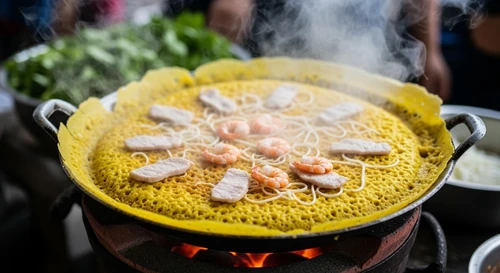
Think of Bánh Xèo, the crispy savory pancake. While present in both regions, the southern version is often larger, richer, filled with more ingredients like shrimp, pork, and bean sprouts, and served with a wider array of fresh greens for wrapping. Or consider the ubiquitous Hủ Tiếu, a noodle soup that has countless variations, with southern styles often featuring a complex broth, a mix of meats and seafood, and a generous helping of fresh garnishes.
Geography's Hand in Flavor
The very land and waters of Vietnam have sculpted its culinary divide. The North, with its cooler climate and more distinct seasons, historically favored preservation techniques and ingredients that could withstand varying temperatures. Fish sauce, being a crucial umami agent, was fermented and used to season and preserve. The cooler climate also influences the types of vegetables and herbs that thrive, lending themselves to more subtly flavored dishes.
The South, bathed in tropical warmth and blessed with the incredible biodiversity of the Mekong Delta and its extensive coastline, has access to a year-round supply of fresh produce, seafood, and ingredients like coconut and sugarcane. This abundance naturally leads to a cuisine that utilizes these readily available, often sweeter, elements more prominently. The heat also encourages the use of chilies and spices that might be less common in the North, offering a counterpoint to the sweetness and richness.
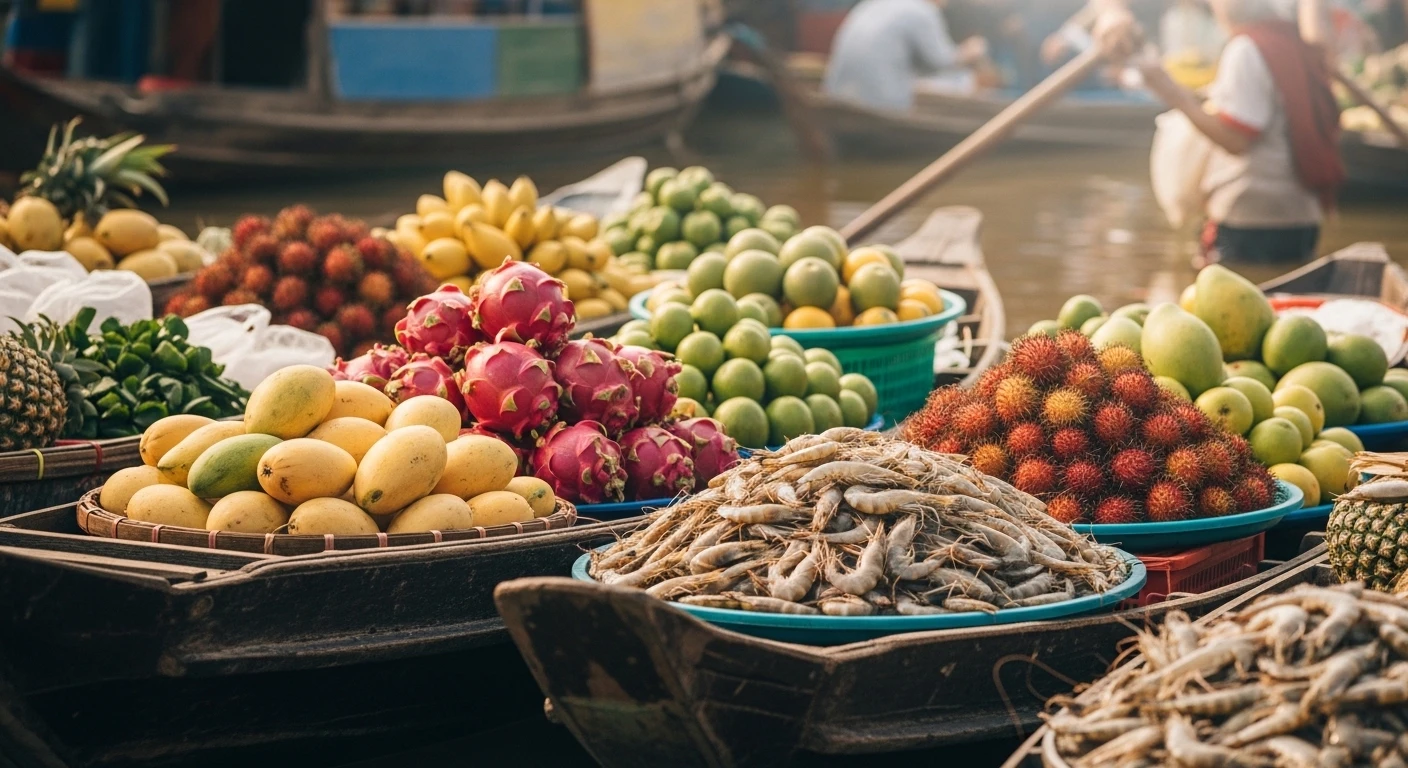
The Mekong Delta's bounty: a vibrant showcase of tropical fruits and fresh seafood that fuels Southern Vietnam's rich culinary traditions.
Historical Echoes: Politics and Palates
Vietnam's turbulent history has also played a significant role in shaping its regional cuisines. For centuries, Vietnam was divided into different kingdoms and regions, each with its own courtly influences and administrative centers. The North, often the seat of imperial power (like Thang Long, modern-day Hanoi), developed a more formalized, refined cuisine, perhaps influenced by Chinese imperial traditions.
Conversely, the South, for long periods, was more of a frontier territory, more open to trade and migration from neighboring countries. This resulted in a more dynamic, adaptable, and perhaps more "rustic" culinary scene that readily absorbed new ingredients and techniques. Later, during the French colonial period, the distinct economic priorities and development trajectories of the North and South further cemented these culinary differences. The South, with its focus on rubber and rice exports, became a hub for wealth and trade, influencing its food culture towards greater generosity and bolder flavors.
The eventual division of Vietnam into North and South during the 20th century, and the subsequent reunification, meant that culinary traditions, while intertwined, maintained their distinct identities, often becoming symbols of regional pride.
The Case of Phở: A Microcosm of the Divide
Phở is perhaps the most potent symbol of this north-south culinary divergence.
Northern Phở (Hanoi style): This is considered the more traditional iteration. The broth is typically clear, delicate, and deeply savory, relying on slow-simmered beef bones, ginger, star anise, and cinnamon for its nuanced flavor. It's often served with minimal garnishes – perhaps just sliced scallions, cilantro, and a squeeze of lime. The focus is on the purity of the beef flavor and the perfect texture of the rice noodles. The chili and herbs are often seen as optional additions, rather than integral components.
**Southern Phở (Saigon style):** Here, the broth tends to be richer, sometimes slightly sweeter, and often more fragrant, with a more pronounced use of spices. Crucially, it’s served with an abundant platter of fresh garnishes: bean sprouts, Thai basil, mint, culantro, lime wedges, and often sliced chilies. This allows diners to personalize their bowl, adding layers of fresh, pungent, and spicy flavors that complement the richer broth. This generosity with fresh ingredients is a hallmark of Southern Vietnamese cuisine.
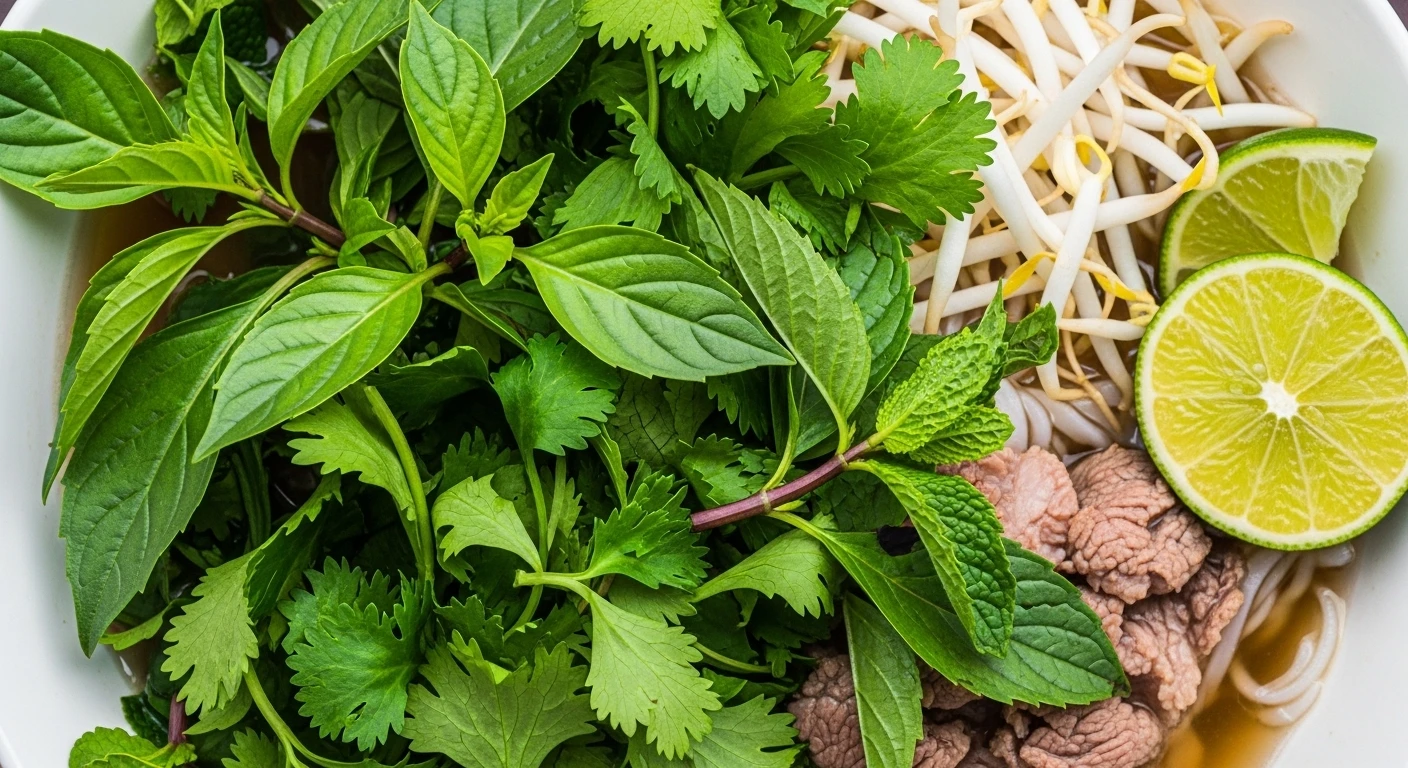
Southern Phở's generous accompanying plate of fresh herbs, a defining characteristic of its vibrant flavor profile.
This contrast isn't just about taste; it's about philosophy. The north values the essential, the pure. The south embraces abundance, customization, and a more robust sensory experience.
Beyond Phở: Other Culinary Divides
The north-south flavor gradient extends across virtually every Vietnamese dish.
- Bún Chả: While originating in Hanoi, the southern interpretation often includes a sweeter dipping sauce and perhaps more fresh herbs.
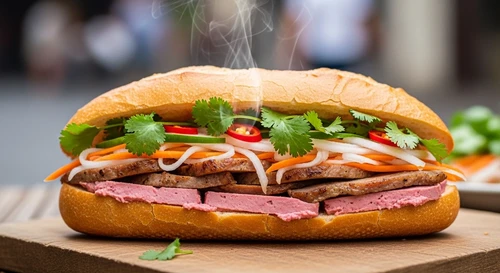
- Bánh Mì: The iconic Vietnamese baguette sandwiches also show regional differences. Northern bánh mì might focus on simpler fillings and a more rustic baguette, while southern versions often incorporate richer pâtés, more varieties of processed meats, and a wider array of pickled vegetables and fresh herbs.
- Seafood: Coastal cities in the North might favor steaming and simple preparations highlighting the natural brininess of seafood, whereas in the South, seafood is often incorporated into spicier, more complex stir-fries or soups, utilizing coconut milk and local spices.
- Sweeteners: The use of sugar, palm sugar, and coconut milk is far more prevalent in Southern cooking, contributing to its generally sweeter profile compared to the more savory Northern dishes.
The Magic of Nước Mắm: A Common Thread
Despite the vast differences, one ingredient acts as the binding agent across the entire Vietnamese culinary spectrum: nước mắm, or fish sauce. Whether it's the cleaner, more delicate versions favored in the North or the richer, fermented varieties common in the South, fish sauce is the soul of Vietnamese cooking, providing that essential umami depth and salinity.
High-quality fish sauce, fermented from anchovies for months or even years, provides a complex flavor that can't be replicated. While the *type* and *intensity* of fish sauce might vary regionally, its indispensable role underscores a fundamental shared culinary heritage. This fermented elixir is the backbone of marinades, dipping sauces, and seasoning for countless dishes, north and south.
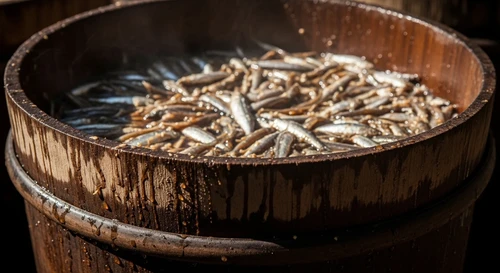
The Stinky Secret Ingredient
Discover why fermented fish sauce, nuoc mam, is the irreplaceable magic behind every Vietnamese dish.
Read MoreNavigating the Culinary Divide: A Traveler's Guide
For the traveler seeking to understand Vietnam through its cuisine, embarking on a journey from north to south (or vice versa) is the ultimate lesson.
Getting There: Most international travelers arrive at Noi Bai International Airport (HAN) in Hanoi for the North, or Tan Son Nhat International Airport (SGN) in Ho Chi Minh City for the South. Domestic flights are frequent, efficient, and relatively inexpensive, making travel between the two regions straightforward. The national carrier, Vietnam Airlines, along with budget options like VietJet Air and Bamboo Airways, offer numerous daily connections. A typical flight from Hanoi to Ho Chi Minh City takes approximately 2 hours.
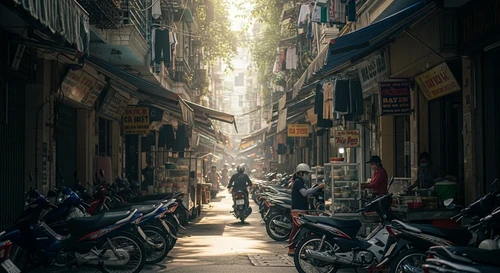
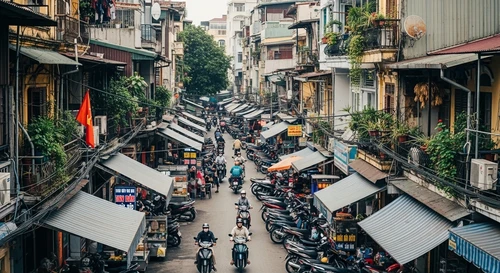
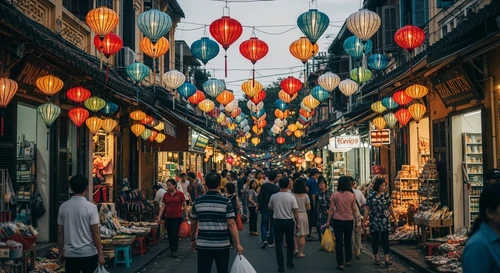
Exploring the North: Base yourself in Hanoi and explore its vibrant Old Quarter. Day trips can take you to Halong Bay or the culinary heartland of Ninh Binh. The cuisine here is about appreciating nuance. Seek out authentic local eateries known for their specific regional specialties.
Exploring the South: Ho Chi Minh City offers a dynamic culinary scene, from bustling street food markets to sophisticated restaurants. Use it as a hub to explore the fertile Mekong Delta, with cities like Can Tho offering a glimpse into riverine life and distinct delta flavors, often characterized by an abundance of seafood and tropical fruits.

Mekong's Rice Paper Secrets
Witness how the Mekong Delta transforms rice batter into the essential Banh Trang for your spring rolls.
Read MoreEmbrace the differences. Don't seek a 'better' version, but rather an appreciation for distinct regional identities shaped by history, geography, and culture.
A Lasting Impression
The culinary divide between North and South Vietnam is more than just a matter of taste preferences; it's a reflection of the nation's soul. The North's refined elegance, its emphasis on purity and balance, speaks of ancient traditions and a deeply rooted connection to the land. The South's bold flavors, its embrace of sweetness, spice, and abundant fresh ingredients, tell a story of a fertile frontier, a bustling crossroads of culture, and a spirit of generous hospitality.
To truly understand Vietnam, one must taste its journey from the refined simplicity of Hanoi to the vibrant complexity of Saigon. It’s a delicious, endlessly fascinating exploration that reveals how history, geography, and culture intertwine to create one of the world's most beloved cuisines. So, the next time you find yourself with a bowl of Phở or a plate of Bánh Xèo, take a moment to savor not just the ingredients, but the story they tell – a story of a nation divided, united, and always, always flavorful.
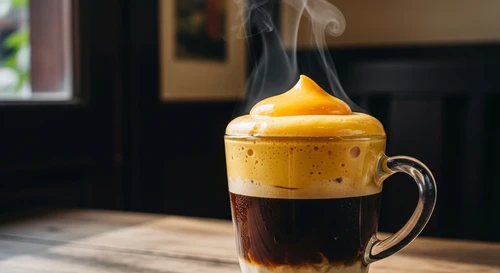
Hanoi's Accidental Dessert
Discover the creamy, tiramisu-like magic of Hanoi's famous Ca Phe Trung (Egg Coffee).
Read More