The Pulse of a Nation: Tet and the Great Exodus
Imagine a country where nearly every soul seems to be in motion, a river of humanity flowing in one direction. This isn't a scene from a disaster movie; it's the reality of Vietnam during Tết Nguyên Đán, the Lunar New Year. For a nation of over 90 million, Tết is more than just a holiday; it's a profound, deeply ingrained cultural imperative to return home. It’s the ultimate family reunion, a spiritual pilgrimage back to ancestral lands, and the heart of Vietnamese tradition.
In the weeks leading up to Tết, a palpable shift begins. The frenetic energy of cities like Hanoi and Ho Chi Minh City doesn't just die down; it actively disperses. The bustling streets, usually choked with a symphony of honking motorbikes, begin to thin. Businesses shutter, and a mass exodus, dubbed the "Tet Exodus," commences. This isn't just a holiday migration; it’s the largest human migration on the planet, a testament to the enduring power of family and tradition.
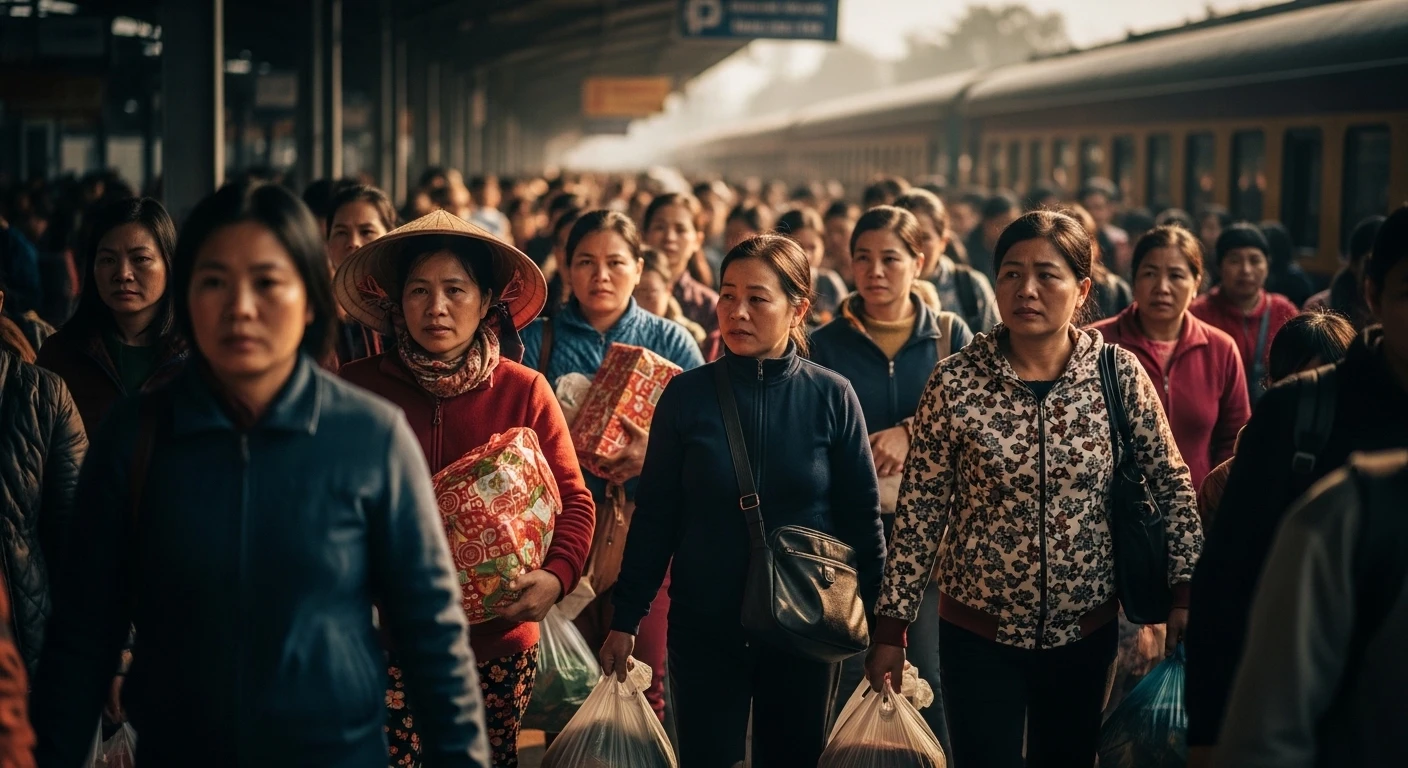
Platforms packed with people, a snapshot of the Tet exodus at a major train station.
The Scramble: Trains, Buses, and the Great Ticket Hunt
The journey home is not for the faint of heart. As Tết approaches, booking travel becomes a competitive sport. Train tickets, notoriously, sell out within minutes of release. The online booking systems buckle under the strain, and those lucky enough to snag a seat are often considered heroes. Buses, too, become packed to the brim, winding their way through the countryside.
For many, particularly those who can't secure formal transport, the journey involves a patchwork of methods: a shared taxi for part of the way, a local bus for another leg, or even hitchhiking with fellow travelers. The Mekong Delta, with its intricate network of rivers and canals, adds another layer of complexity, often requiring a final leg by boat. The anticipation of returning to family outweighs the logistical hurdles.
This mass movement creates a unique atmosphere. Airports and train stations become temporary villages, filled with the chatter of excited families, the cries of children, and the comforting weight of gifts and food being brought back home. It’s a testament to human resilience and the universal desire to be with loved ones during the most significant holiday of the year.
Ghost Towns and Countryside Revival
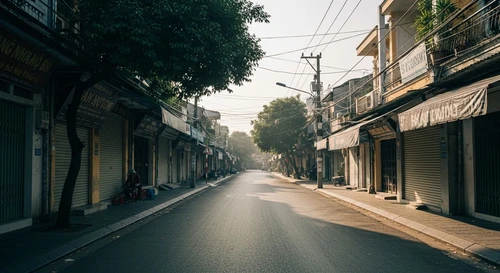
The flip side of the exodus is the transformation of Vietnam's urban centers. As millions depart, cities like Ho Chi Minh City and Hanoi, usually throbbing with life, take on an eerie quiet. Streets once clogged with traffic are eerily clear. Shops, restaurants, and offices close their doors, transforming the concrete jungles into temporary ghost towns.
The quiet streets of a major Vietnamese city during Tet.
But this quiet is not empty; it's expectant. The real celebration shifts to the countryside, to the villages and ancestral homes across Vietnam. This is where the spirit of Tết truly blossoms. Families reunite, altars are meticulously prepared for ancestors, and the air fills with the aroma of traditional dishes like Banh Chung (sticky rice cakes) and Thit Kho Tau (braised pork and eggs). The land, which is the foundation of so much Vietnamese life, becomes the focal point of the celebration.
The Colors of Tet: Peach Blossoms and Apricot Blooms
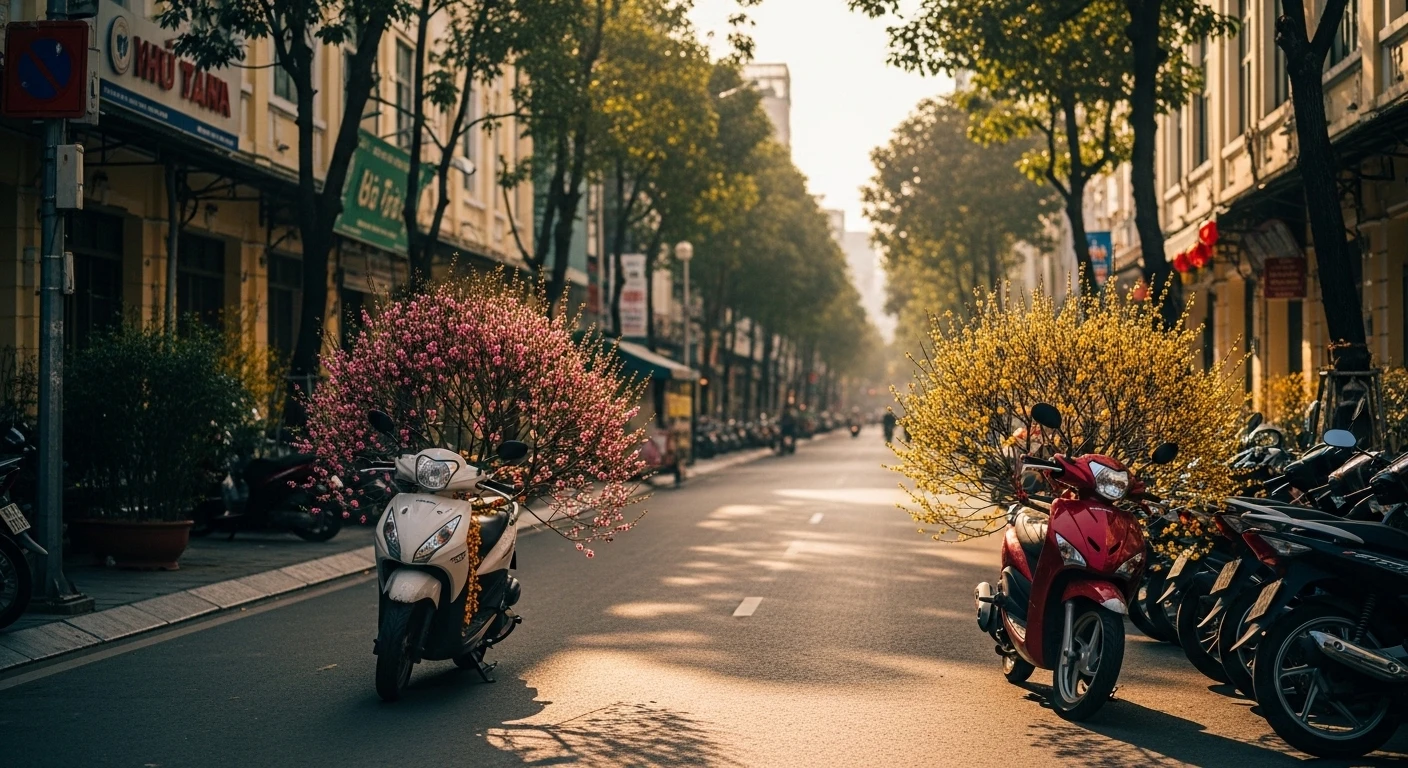
Tet is a festival of renewal, and its visual language is as vibrant as the country itself. The most iconic symbols are the flowers that bloom during this season. In the north, particularly around Hanoi, the delicate pink of peach blossoms (hoa đào) adorn homes, symbolizing vitality and good fortune. In the south, particularly in the Mekong Delta, the cheerful yellow of apricot blossoms (hoa mai) take center stage, representing prosperity and happiness.
These flowers are more than just decoration; they are imbued with cultural significance, believed to ward off evil spirits and usher in a prosperous new year. You'll see them everywhere – adorning temple altars, gracing the entrances of homes, and even finding their way onto the handlebars of motorbikes, a small burst of color on the journey home. The sight of these blossoms against the backdrop of the exodus is a powerful reminder of the beauty and hope that Tet represents.
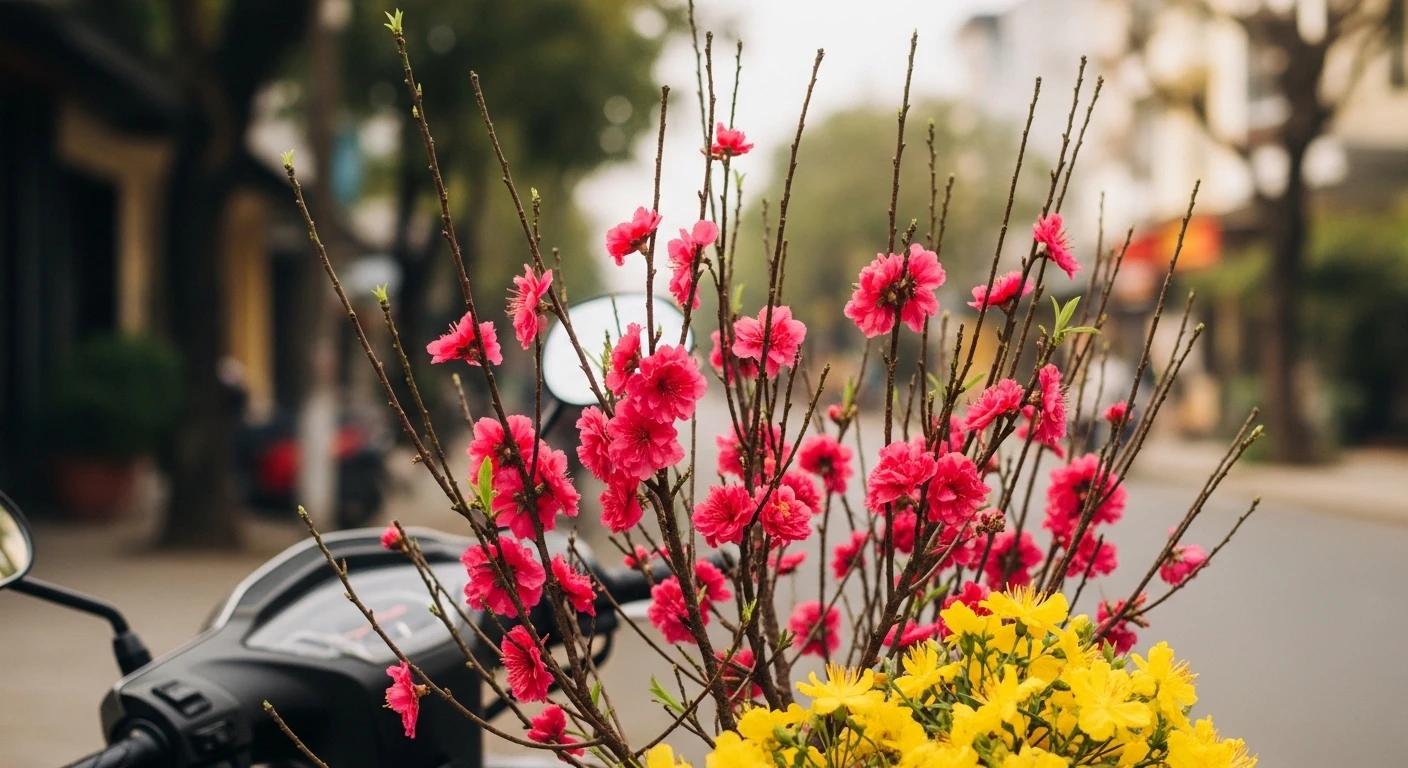
A common sight during Tet: motorbikes adorned with the vibrant colors of the season.
Navigating the Tet Tide: Tips for Travelers
For intrepid travelers, experiencing Tết firsthand is an unforgettable immersion into Vietnamese culture. However, it requires careful planning and a flexible attitude.
Planning is Paramount
If you plan to travel in Vietnam during the weeks surrounding Tết (typically late January to mid-February), book flights, trains, and accommodation months in advance. Many businesses will be closed for a significant period, so factor this into your itinerary. Be prepared for some attractions to have limited operating hours or be closed entirely.
Embrace the Local Pace
If you find yourself in a city that has emptied out, embrace the tranquility. It's a unique opportunity to see Vietnam in a different light. Conversely, if you travel to rural areas, be prepared for vibrant, sometimes boisterous, family gatherings. You might even be invited to join!
A Taste of Tradition
Experiencing Vietnamese food is integral to understanding Tet. While many restaurants close, street food vendors might still operate, and family homes will be filled with delicious traditional fare. If you find yourself navigating the chaotic journey home, you might see vendors selling 'Bia Da' – a refreshing practice you can learn more about here.
The Motorbike Maze
Vietnam's traffic is legendary. Navigating it, especially during Tet, can be daunting. Understanding the local flow is key. For tips on how to manage this unique challenge, our guide on mastering Vietnam's legendary motorbike traffic is a must-read.
Beyond the Cities: Life in the Mekong Delta
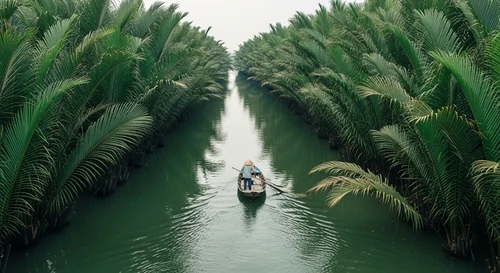
The "exodus" truly culminates in the rural heartlands, and few regions embody this spirit more than the Mekong Delta. Here, the waterways become arteries of reunion. Families who have migrated to cities for work return to their floating homes or stilted houses along the riverbanks. The delta's rhythm, dictated by the ebb and flow of the mighty Mekong, becomes even more pronounced during Tet.
Visiting a floating market during Tet offers a unique perspective. While some may be less active due to closures, the spirit of commerce and community persists. The focus shifts from tourist trade to essential family supplies and festive goods. Life on a sampan, the traditional longboat, takes on a special significance as families gather, celebrating the new year amidst the lush, water-laden landscape. Understanding this lifestyle is key to appreciating the deeper cultural ties that draw people back home, as detailed in our piece on Life on a Sampan.
The Enduring Pull of Home
The Tet exodus is a breathtaking spectacle, a national ritual that underscores the profound importance of family in Vietnamese culture. It’s a period of reflection, of honoring ancestors, and of reaffirming connections. While the logistical challenges are immense, the emotional reward of returning home to celebrate the most important holiday of the year is immeasurable.
Witnessing this phenomenon, whether you are participating in it or observing from the sidelines, offers a unique and powerful glimpse into the soul of Vietnam. It’s a beautiful, chaotic, and deeply human story that unfolds across the nation every year, a testament to the enduring power of tradition in a rapidly modernizing world.