Vietnam's Culinary Paradox: Abundance, and the Hidden Fish Sauce
Vietnam. A country that assaults your senses in the most magnificent way possible. The scent of grilling pork skewers mingling with fresh herbs, the symphony of a bustling street food scene, the deep, soul-warming broth of a bowl of Phở. It’s a carnivore’s paradise, a food lover’s dream. But what if you’re traveling as a vegan or vegetarian? Suddenly, that paradise feels like a minefield.
The primary hurdle isn’t the absence of meat, it’s the ubiquitous presence of fish sauce (nước mắm). This fermented elixir is the backbone of so much Vietnamese cooking – it’s in marinades, dipping sauces, broths, and even sprinkled on some vegetables. Ask a chef if a dish contains fish sauce, and they might honestly say "no meat," genuinely forgetting to mention the fish sauce that’s integral to the flavor profile. For strict vegetarians and vegans, this requires a more nuanced approach than simply asking for "no meat."
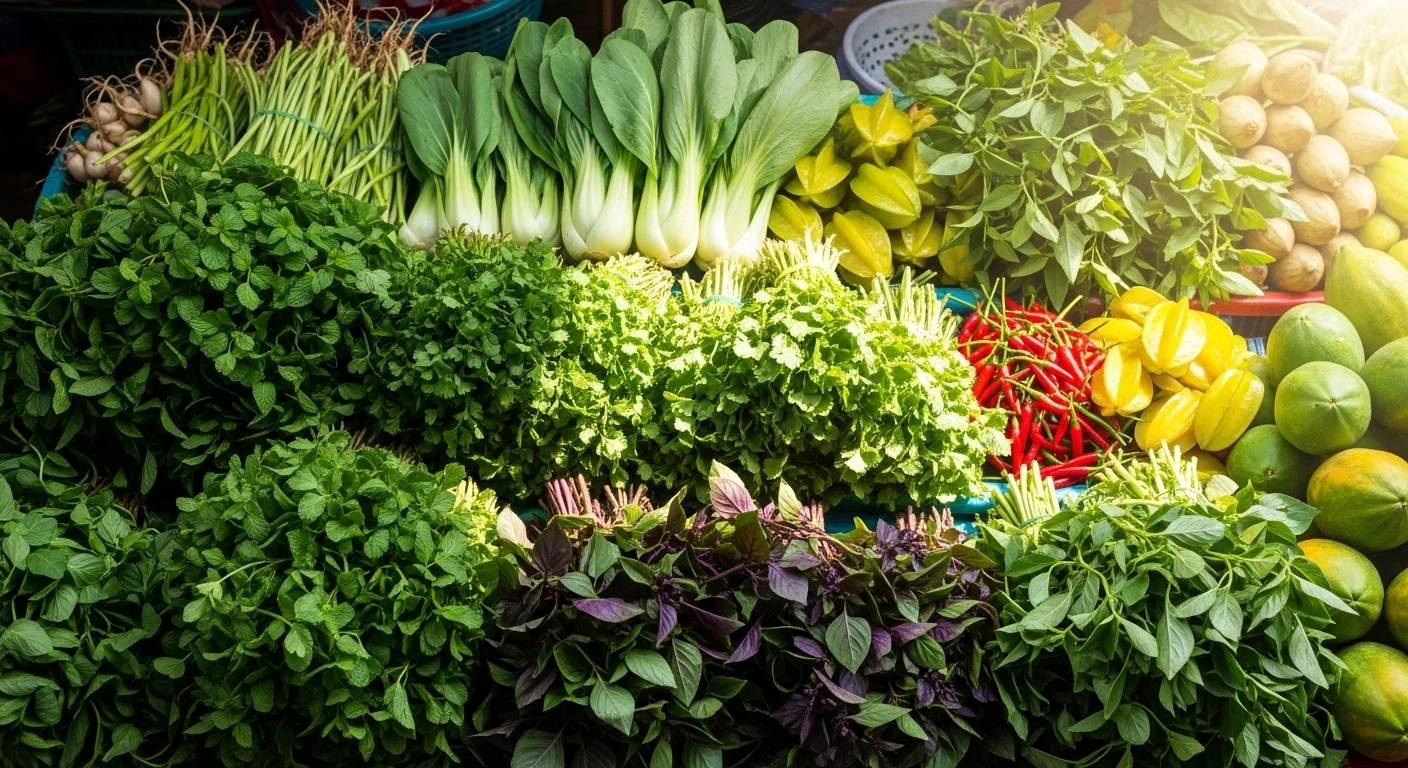
A vibrant tapestry of herbs and vegetables, the foundation of Vietnamese plant-based cuisine.
The Power of 'Chay': Your Culinary Compass
This is where your survival kit gets its most crucial tool: the word "Chay". Pronounced roughly like "chai" (as in chai tea, but with a slight nasal 'a' at the end), "Chay" is the Vietnamese term for vegetarian, and crucially, often implies vegan or Buddhist vegetarian.
Look for the word "Chay" prominently displayed outside restaurants, often accompanied by a yellow lotus symbol. These are typically Buddhist vegetarian establishments. They are your safe haven. Here, the entire menu is prepared without meat, poultry, seafood, or fish sauce. Many use mushroom-based broths, soy sauces, and plant-based proteins. The prices are almost always incredibly reasonable, making them a favorite among locals and budget-conscious travelers alike. You’ll find these gems in every city and town, from the bustling streets of Hanoi to the coastal charm of Hoi An.
While not all "Chay" restaurants are strictly vegan (some may use eggs or dairy), the vast majority cater to a Buddhist tradition that leans heavily vegan. If you are strictly vegan, it's always polite to confirm by saying "Tôi ăn chay trường" (I eat strictly vegetarian/vegan) or asking if they use eggs ("Có trứng không?"). But in most dedicated Chay eateries, you'll be in excellent hands.
Beyond Chay: Navigating the Non-Vegetarian Landscape
So, what happens when a craving strikes and there isn't a visible yellow lotus in sight? This is where knowledge of common dishes and polite, clear communication becomes paramount.
Key Phrases to Master:
- "Tôi ăn chay." (I eat vegetarian.) - This is your primary phrase.
- "Không có thịt." (No meat.)
- "Không có cá." (No fish.)
- "Không có nước mắm." (No fish sauce.) - This is the most important one.
- "Chỉ rau và đậu hũ." (Only vegetables and tofu.)
- "Dầu ăn thôi." (Just cooking oil.) - This is for when you suspect animal fat might be used.
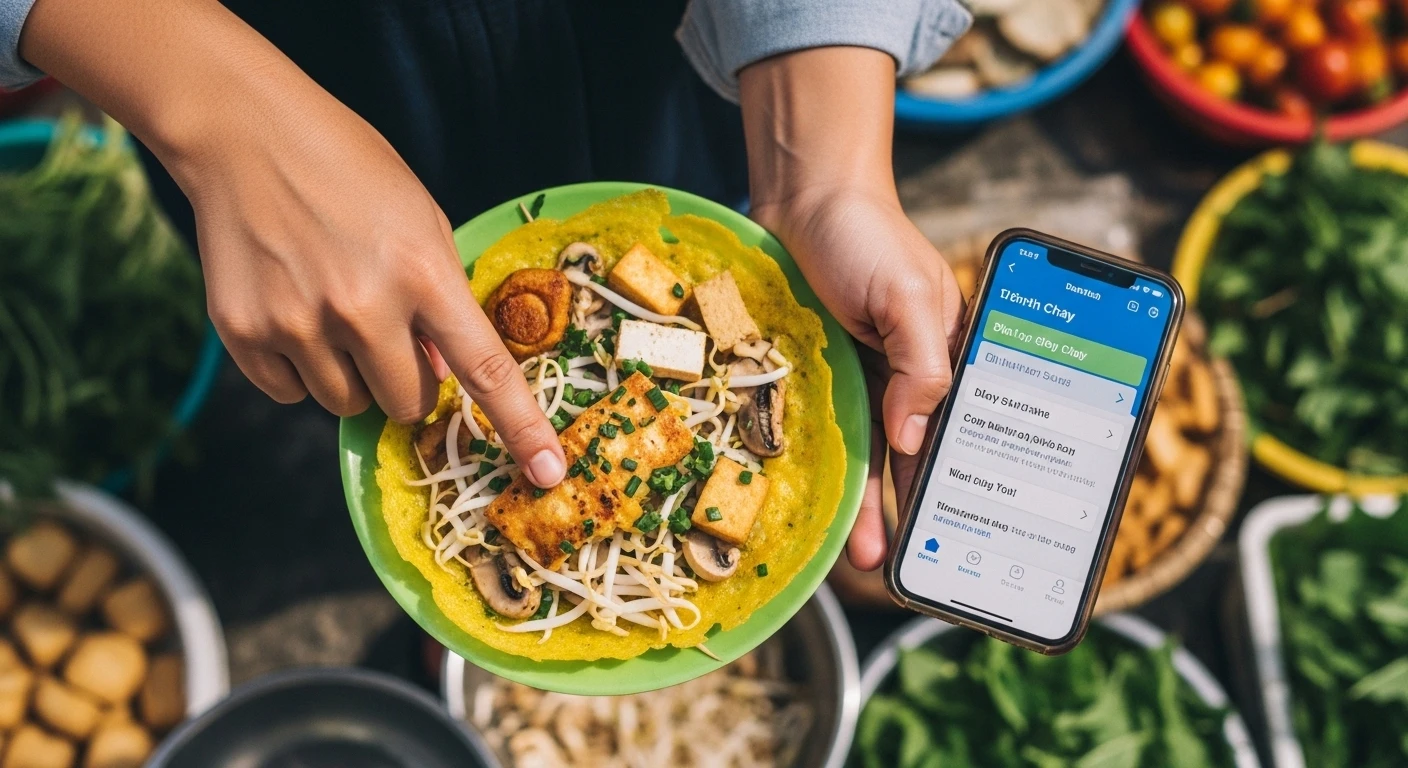
When ordering from street vendors or casual eateries, be direct and patient. Show them the phrases written down (a phone translation app is your best friend). While some vendors may not fully understand, the more specific you are, the higher your chances. It’s often safer to point to ingredients you want and ones you don’t.
You might encounter confusion or a polite inability to accommodate. This is normal and not a reflection of ill will. Simply thank them and move on to the next stall.
Street Food Savvy: Naturally Plant-Based Delights
Not all Vietnamese street food requires custom orders. Several iconic dishes are often naturally vegan or can be easily adapted. These are your go-to snacks when you need a quick, delicious bite:
- Bánh Mì Chay: The classic Vietnamese baguette sandwich, but made with a vegetarian filling. Often contains tofu, vegetarian pâté (sometimes mushroom-based), pickled vegetables, cucumber, cilantro, and a soy sauce or chili sauce dressing. Always confirm no fish sauce in the spread or dressing.
- Xôi Chay: Sticky rice. Plain sticky rice is often vegan. Xôi Chay will typically be served with fried shallots, vegetarian floss (made from soy), and sometimes a bit of savory mushroom sauce. Ensure the fried shallots weren't fried in animal fat.
- Bánh Xèo Chay: Crispy savory crepes. Traditionally made with rice flour, turmeric, and coconut milk, they are often filled with mushrooms, bean sprouts, and tofu. They are typically served with a mountain of fresh herbs and a dipping sauce. Crucially, you must ensure the dipping sauce is vegan (no fish sauce).
- Chè: Vietnamese sweet soups and puddings. Many variations are vegan, made with coconut milk, beans, fruits, jellies, and tapioca. Look for Chè Chuối (banana with coconut milk) or Chè Đậu Xanh (mung bean). Avoid Chè Trôi Nước if it contains egg.
- Trái Cây: Fresh fruit is abundant and incredibly delicious everywhere. Mangoes, dragon fruit, rambutan, jackfruit – a tropical paradise for vegans.
For dishes like Bánh Mì, ordering "Bánh Mì Chay" is usually sufficient, but double-checking the sauces is wise. With Xôi Chay, confirm the accompaniments are vegetarian.
Beyond the Land: Navigating Seafood-Adjacent Dishes
Some dishes, while not meat-centric, might pose a challenge. This is particularly true for broths and sauces.
For example, the broth in Phở and Bún Bò Huế is often simmered with beef or pork bones, and crucially, fish sauce. When ordering Phở Chay or a vegetarian noodle soup, you are guaranteed a vegetarian broth, usually made with vegetables and mushrooms. However, if you're trying to adapt a dish or ordering something less common, be extra vigilant about the broth base.
Even seemingly innocent dishes like spring rolls (Gỏi Cuốn) are often served with a peanut dipping sauce that contains fish sauce. When you see "Gỏi Cuốn Chay," you can usually expect them to be filled with tofu, vegetables, and herbs, but again, the dipping sauce is key. Many Chay restaurants will provide a vegan nước chấm (dipping sauce) made with soy sauce or mushroom broth.
For those who want to explore Buddhist vegetarian restaurants further, the power of the word 'Chay' cannot be overstated. It unlocks a world of authentic, affordable, and delicious plant-based Vietnamese cuisine that locals embrace for its health benefits and spiritual significance.
Graceful Declines and Cultural Nuances
Vietnamese culture is deeply hospitable. If you are invited to a home-cooked meal, politely declining meat is essential. A simple "Cảm ơn, nhưng tôi ăn chay." (Thank you, but I eat vegetarian.) is usually well-received. You can also explain that you avoid meat for health or ethical reasons.
While many Vietnamese families are increasingly aware of dietary needs, don't expect them to always have vegan alternatives readily available, especially outside major cities. Offer to bring a dish if you can, or be prepared to eat minimal portions and express gratitude for the hospitality. During festivals like Tet, where meat consumption is traditional, this can be particularly challenging. For those navigating this during the Lunar New Year, understanding vegetarian options during Tet is a specialized skill.
Embracing 'Chay' Cuisine: A Revelation
Traveling as a vegan or vegetarian in Vietnam is not just about survival; it's about discovery. The depth and complexity of "Chay" cuisine is a revelation. Chefs in these establishments are masters at using vegetables, mushrooms, tofu, and plant-based proteins to create dishes that are rich in umami, fragrant with herbs, and utterly delicious.
You’ll find incredible vegetarian versions of classic Vietnamese staples:
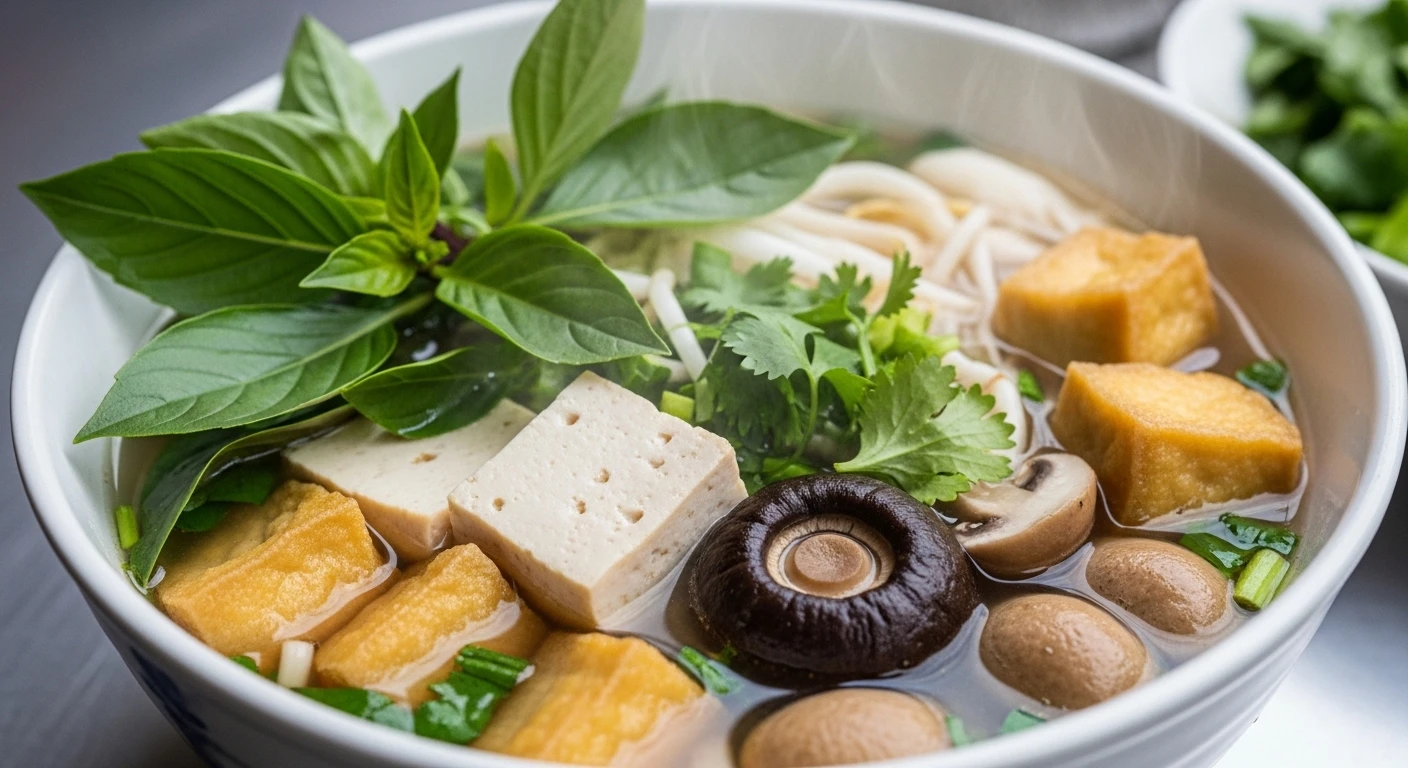
- Phở Chay: Hearty noodle soup with a clear, aromatic vegetable broth, loaded with tofu, mushrooms, and fresh herbs.
- Bún Chả Chay: Grilled tofu and mushroom patties served with vermicelli noodles, fresh herbs, and a vegan dipping sauce.
- Cơm Tấm Chay: Broken rice served with vegetarian toppings like grilled tofu, vegan "pâté," and pickled vegetables.
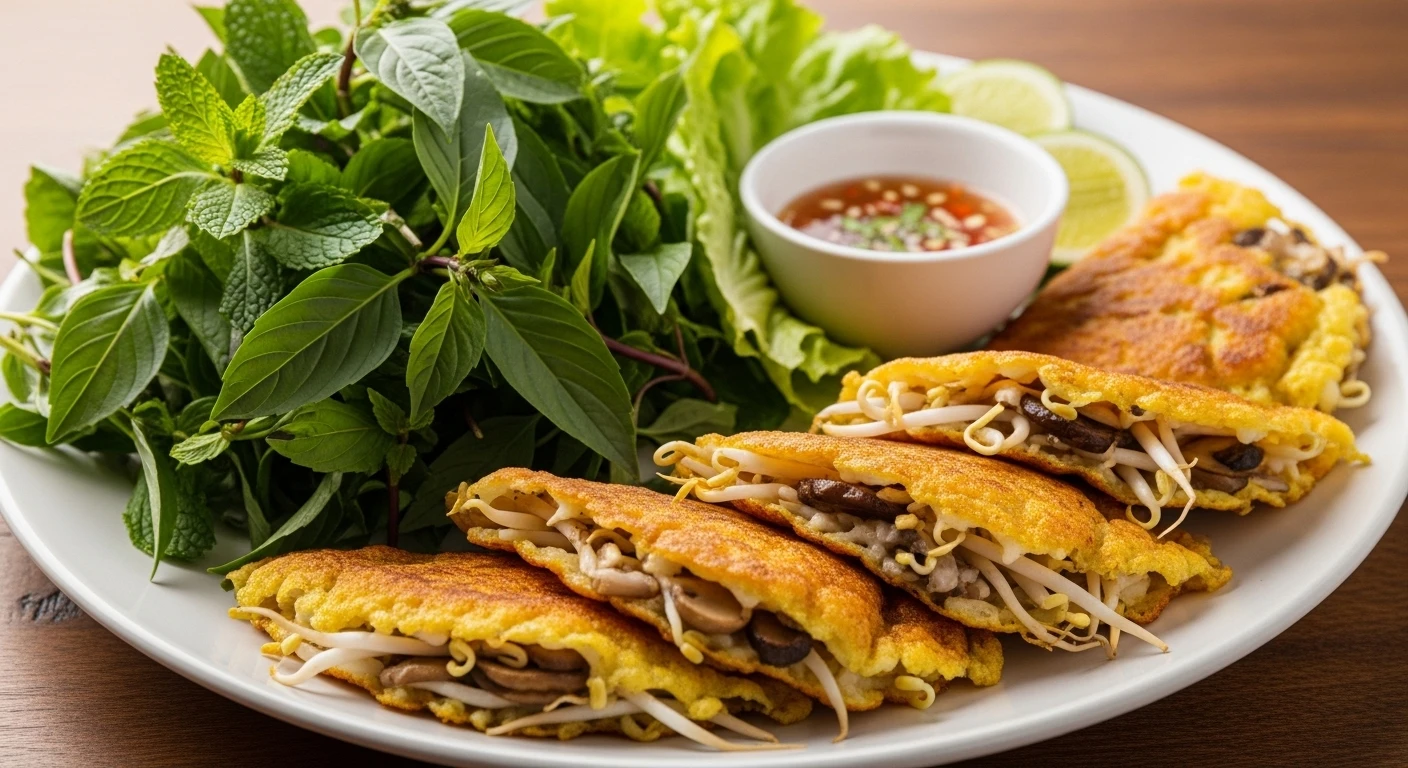
This is not bland, boring food. This is vibrant, authentic Vietnamese cooking, made accessible to everyone. The dedication to flavor, even without traditional animal products, is testament to the ingenuity of Vietnamese chefs.
Essential Survival Toolkit
Beyond the language and the magic word, here are some final tips to ensure a smooth culinary journey:
- Carry a Translation App: Google Translate or similar apps are invaluable. Have key phrases written down, and don't hesitate to use the voice-to-text feature.
- Be Patient and Polite: A smile and a calm demeanor go a long way. Vietnamese people are generally very friendly and eager to please, but communication can be a barrier.
- Seek Out Chay Restaurants: Actively look for them! They are your most reliable bet for delicious, worry-free meals. Use apps like HappyCow or local vegan Facebook groups for recommendations.
- Carry Snacks: For those moments when you can't find a suitable option, having some nuts, dried fruit, or energy bars can be a lifesaver, especially during longer travel days.
- Understand Nuances: Recognize that some dishes might be "accidentally" vegan, but might have been prepared on surfaces or with utensils that also handle meat. If this is a concern, stick to dedicated Chay establishments. You can also try ordering simple steamed rice or plain vegetables if all else fails, confirming "chỉ rau luộc" (just boiled vegetables). For those who need to avoid gluten as well, navigating Vietnamese addresses to find Chay options adds another layer to the challenge. You might also find articles on gluten-free travel in Vietnam helpful if you have dual dietary needs.
- Embrace the Local Diet: Focus on the abundance of fresh vegetables, fruits, rice, and tofu. Vietnamese vegetarian cuisine is incredibly rich and diverse on its own.
The Sweet Reward of Discovery
Traveling Vietnam as a vegan or vegetarian is an adventure, but it’s one that is increasingly rewarding. The "Chay" culture is not a niche trend; it’s deeply embedded in Vietnamese society, offering vibrant, flavorful, and spiritual food. By arming yourself with the word "Chay," a few key phrases, and an adventurous spirit, you’ll unlock a culinary world that is just as intoxicating as any meat-laden feast.
Don't let the fish sauce fear keep you from experiencing the full spectrum of Vietnamese cuisine. Embrace the challenge, savor the discoveries, and you'll find that Vietnam offers a plant-based journey that is as deeply satisfying as it is delicious. The magic of "Chay" awaits.

Unlock Vietnam's Vegan Secrets
Discover the magic of the word 'Chay' and how to find incredible Buddhist vegetarian restaurants.
Read More
Street Food Survival Guide
Learn to confidently order naturally meat-free street foods without the worry.
Read More